Week Ending 3/6/26
Time for the Oscar alts


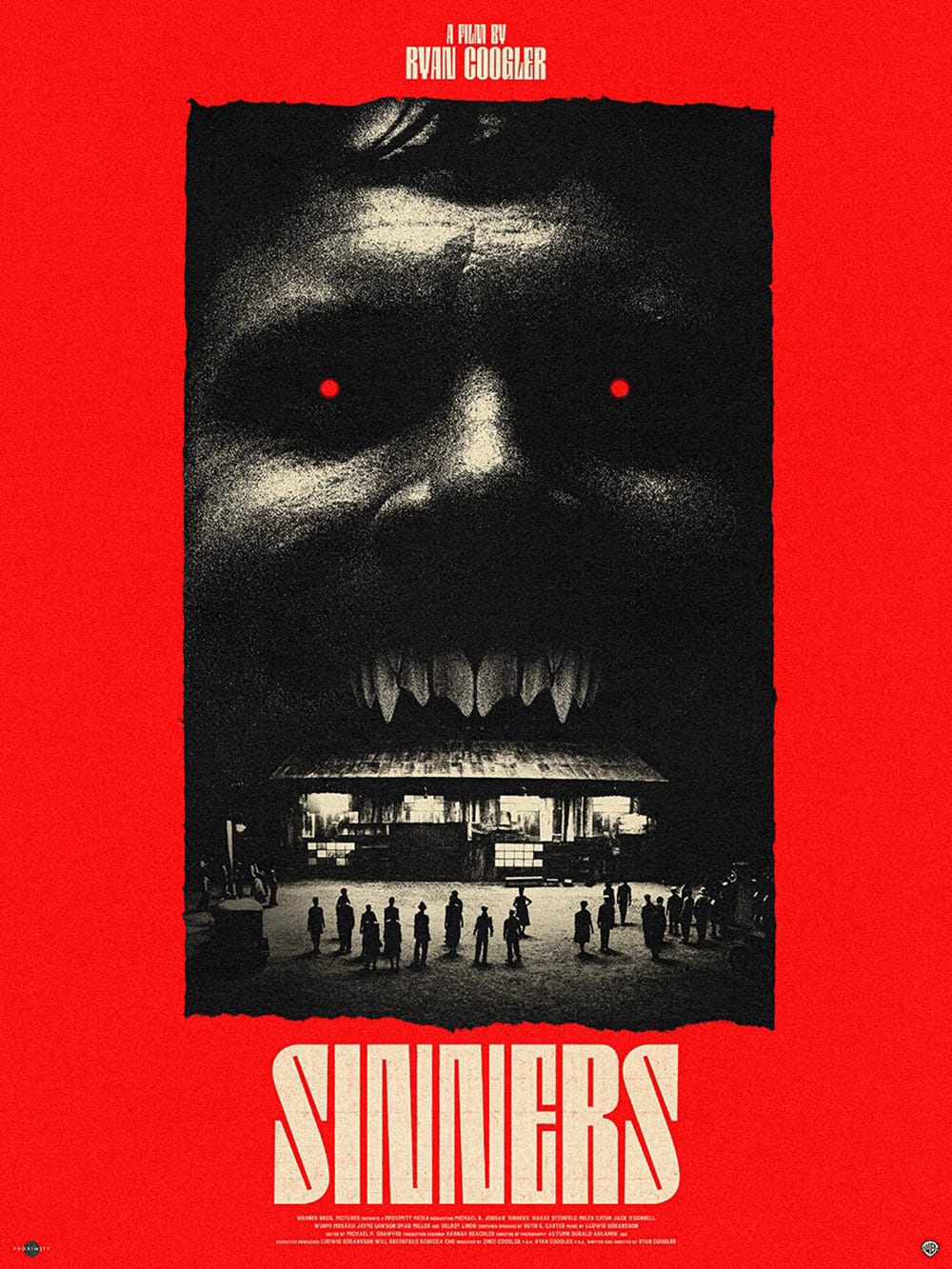
It's Oscars month, so I kept my tradition at The Film Stage alive of adding a handful of my favorite alt-posters to my Posterized feature for the nominees coming out via each artist's social media account. I figured I'd expand that quintet here to highlight even more of their great work.
Some do an entire series. Some pick and choose what speaks to them. Most (if not all) take the opportunity to experiment with style while also coloring outside the lines since they are their own client for once.
You have Eileen Steinbach (the Oscar folds) and Haley Turnball (the title blocks) running the table with themed collections.

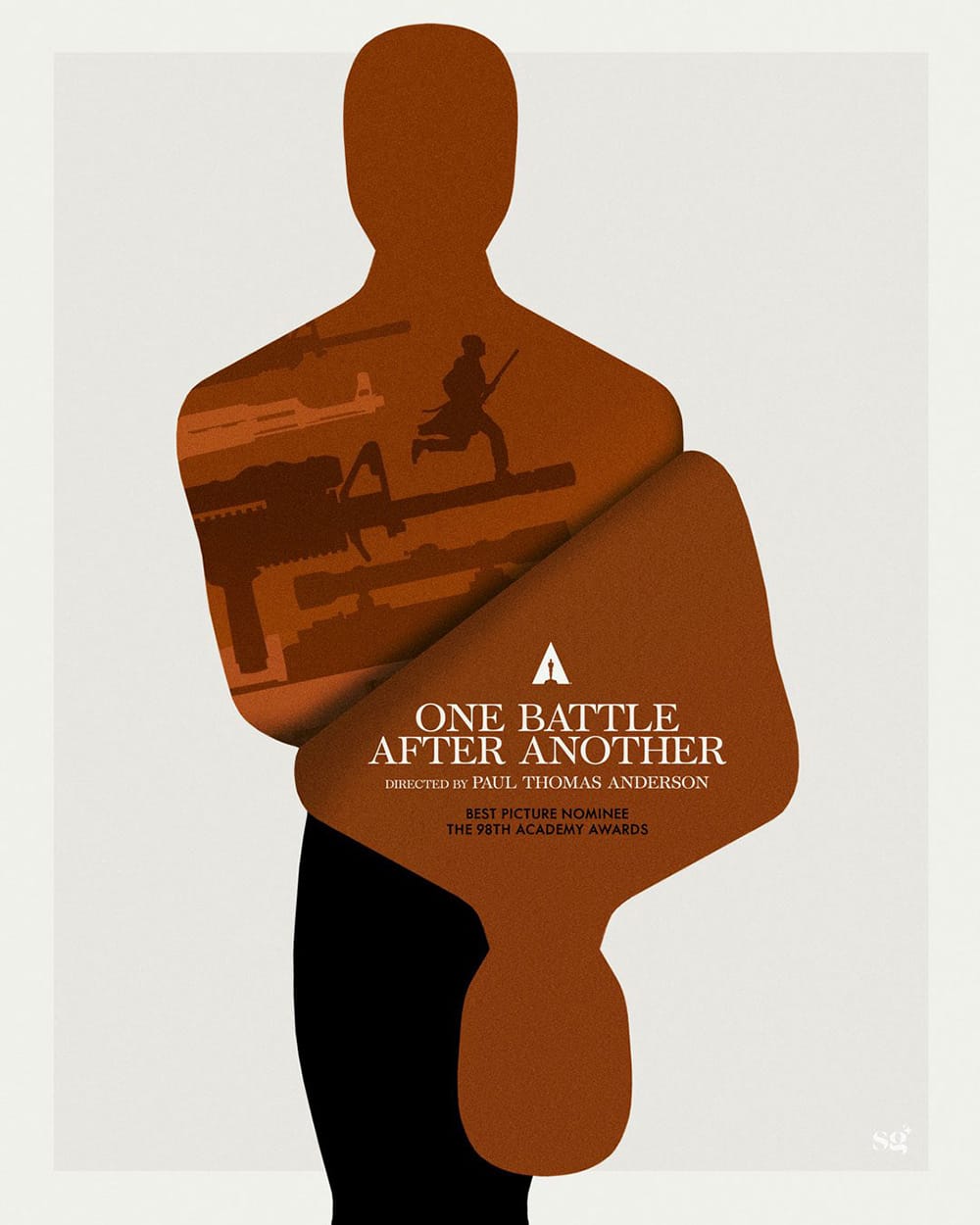
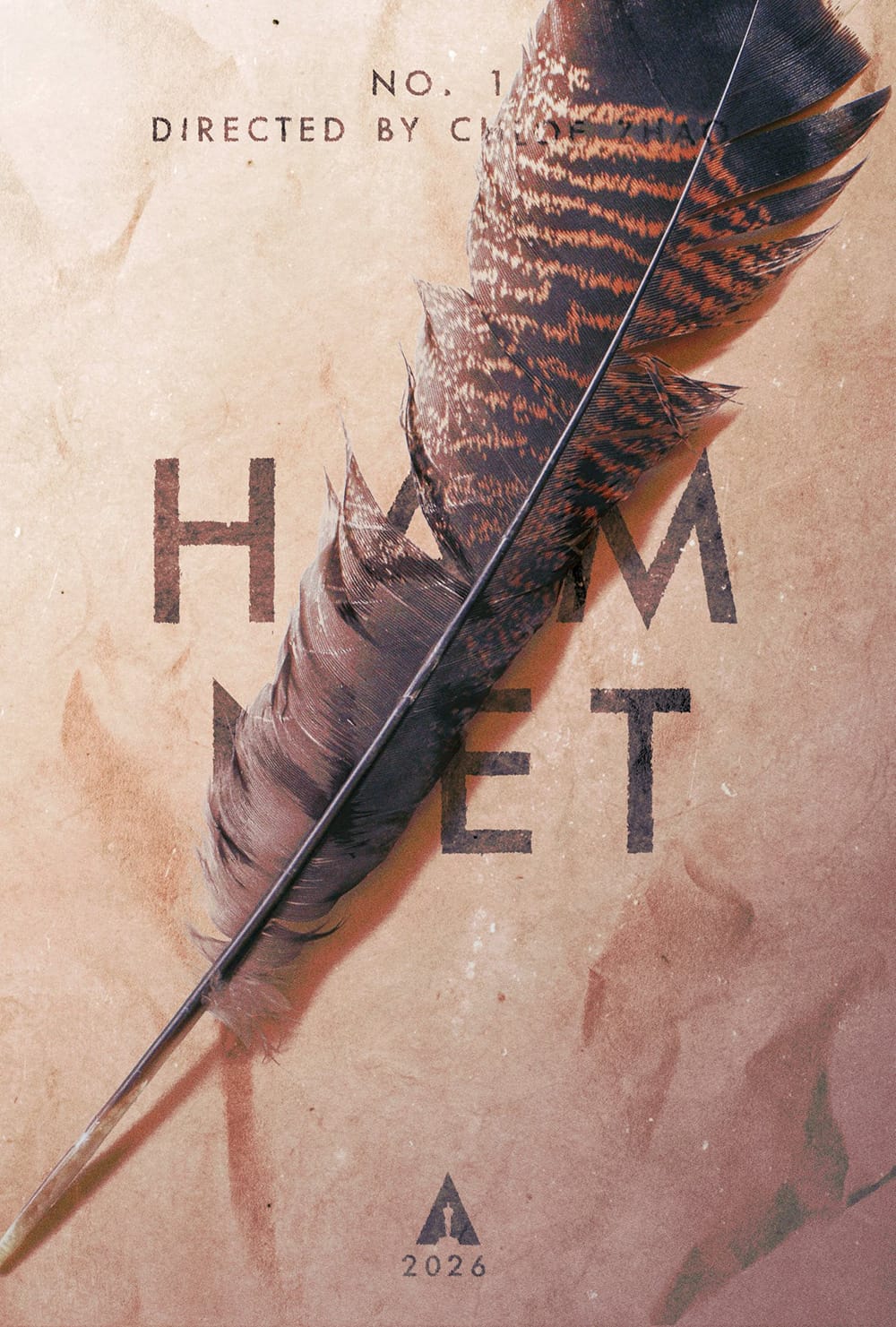
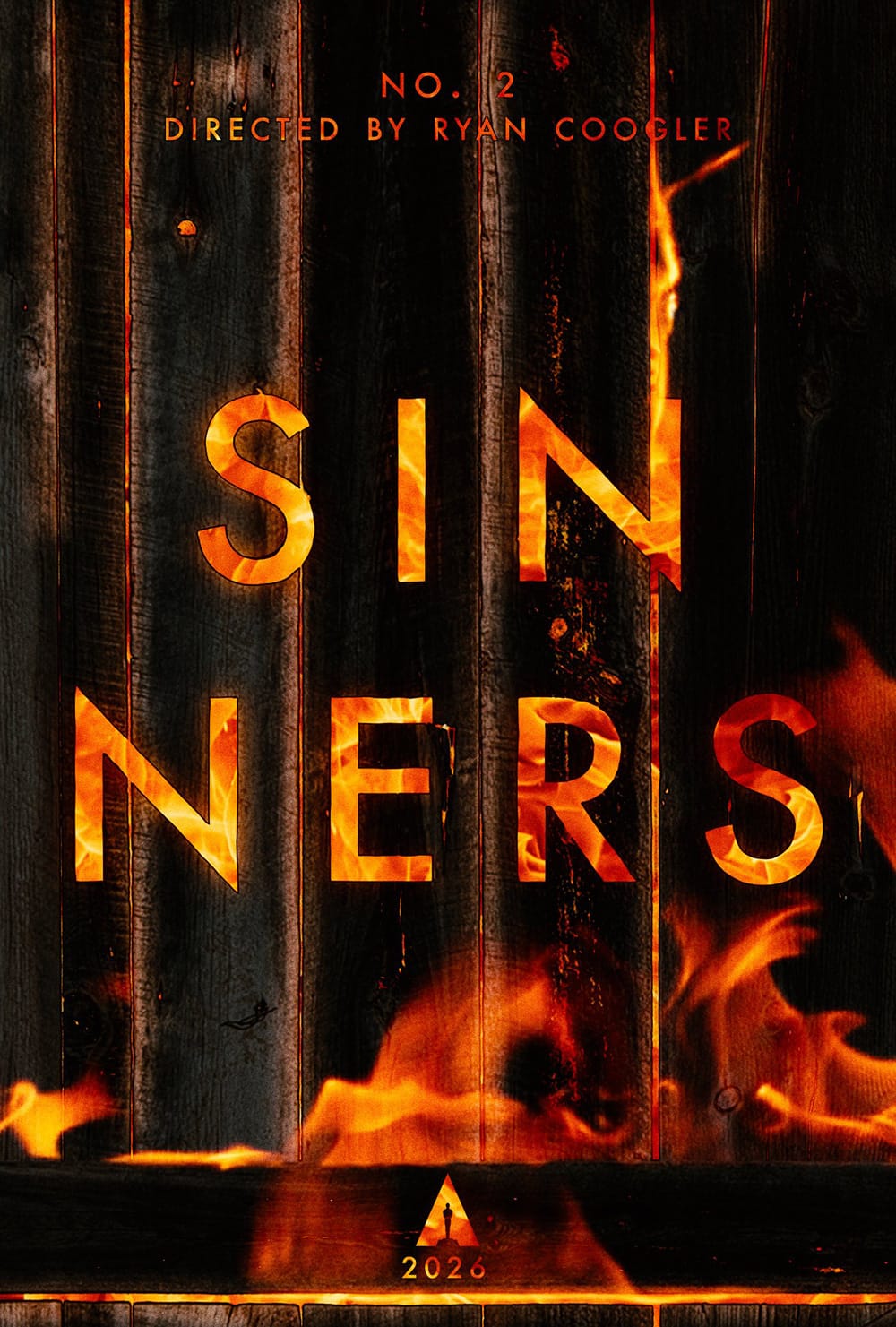
Matt Needle has been checking them all off his list too, but with a bespoke design for each title.
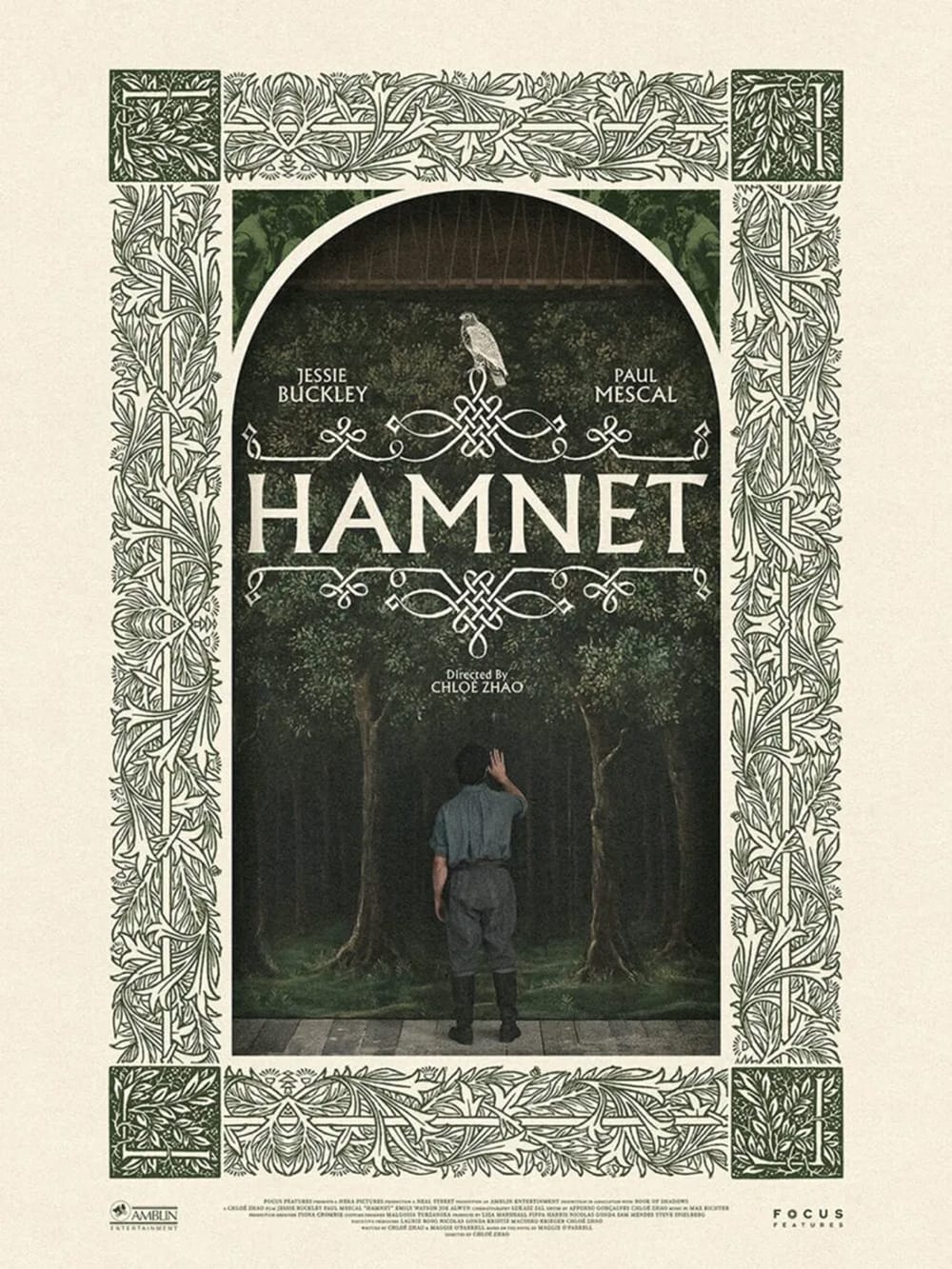
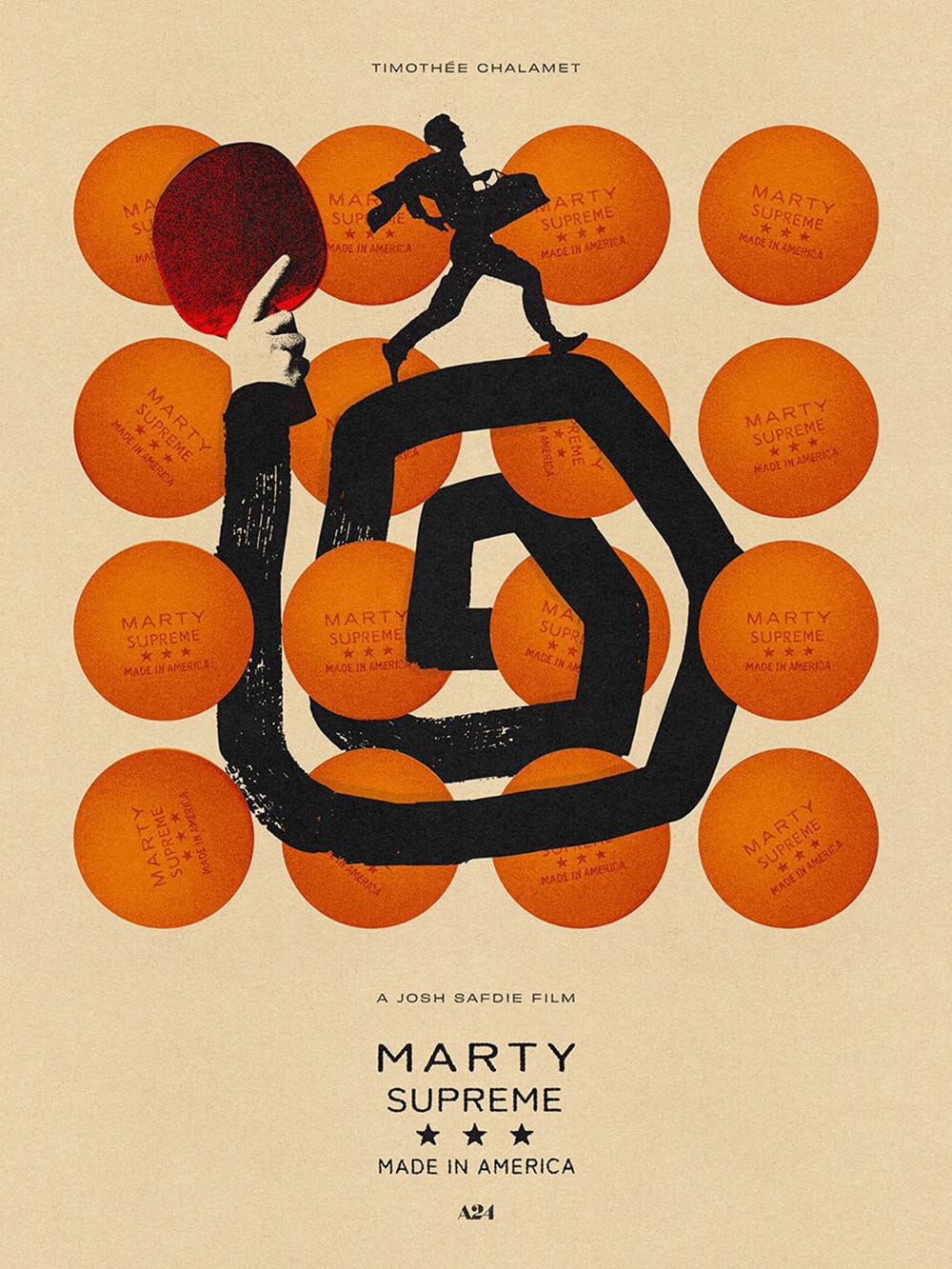
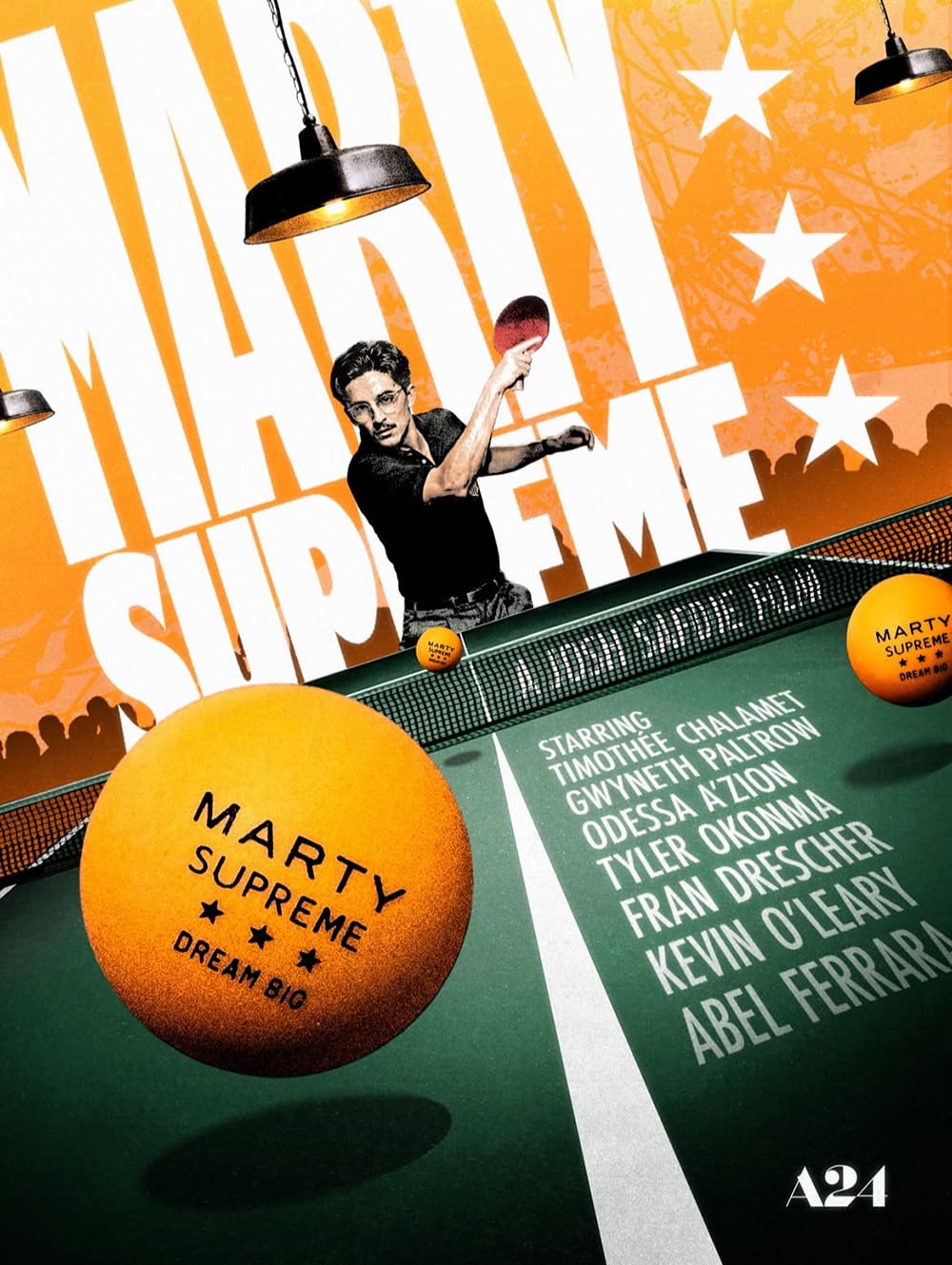
Simone Ferraro went all out with Marty Supreme and Sentimental Value (painting by Carmen Messina) while Rafa Orrico Díez's Hamnet gives Jessie Buckley a trail of flower tears.
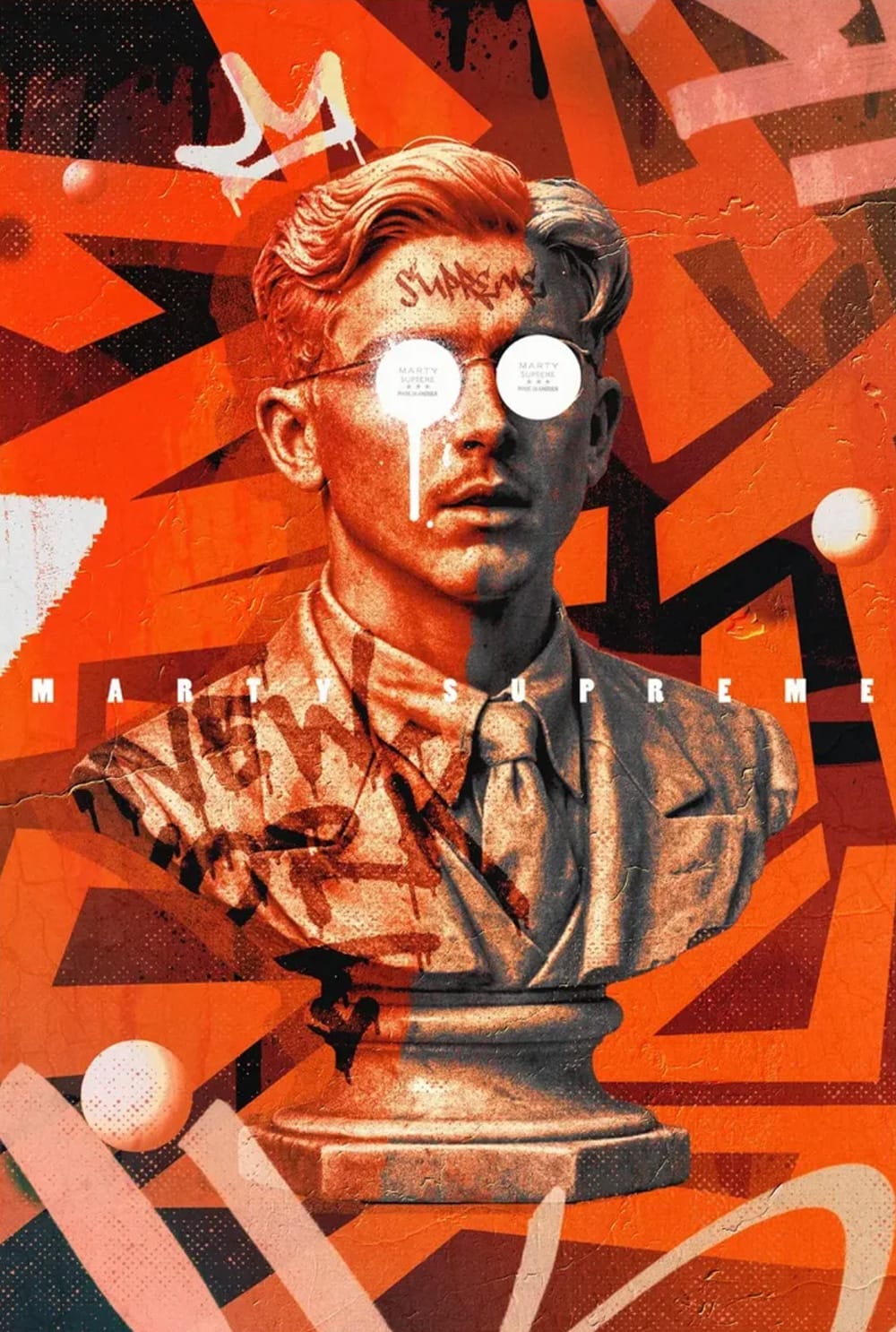
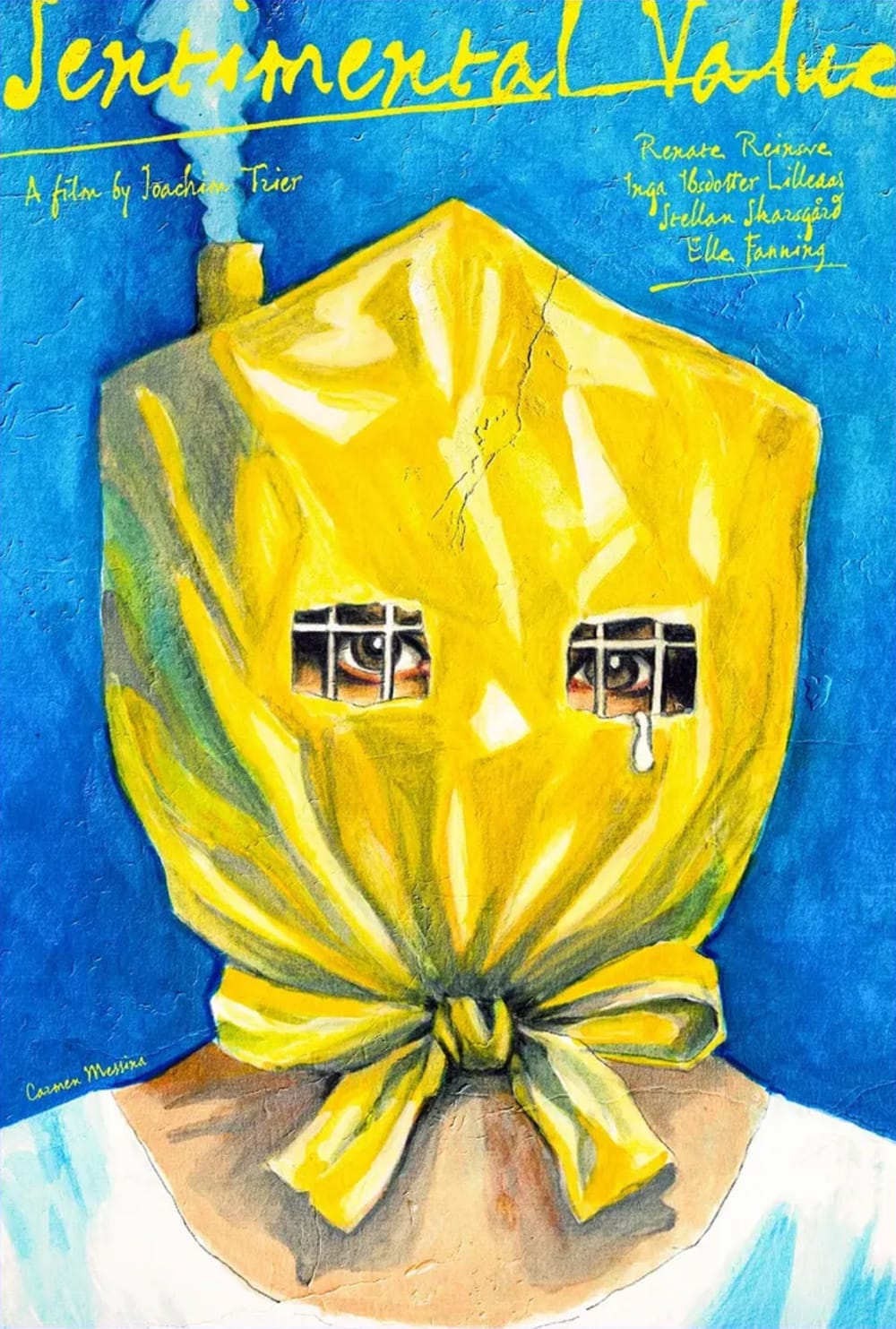
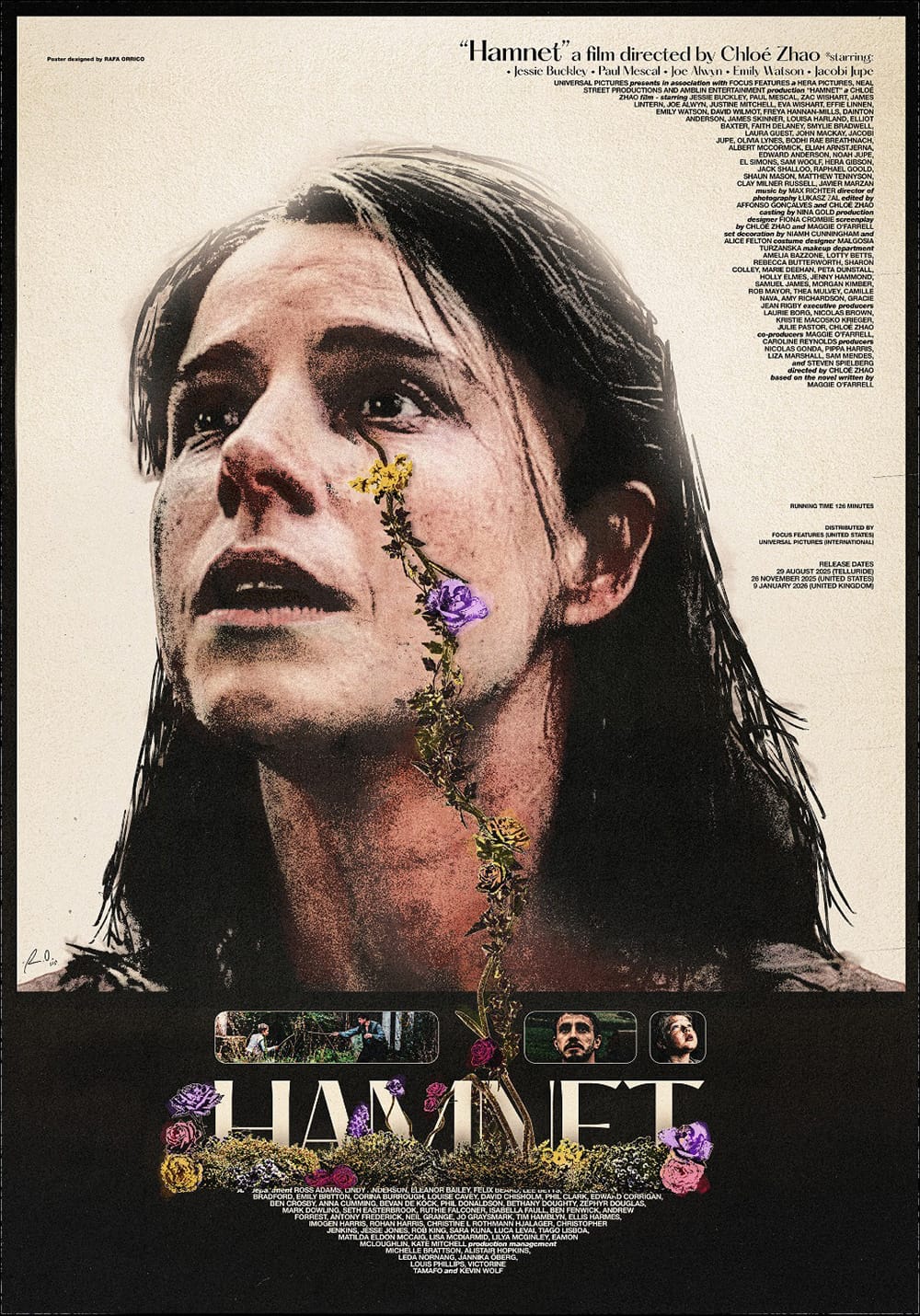
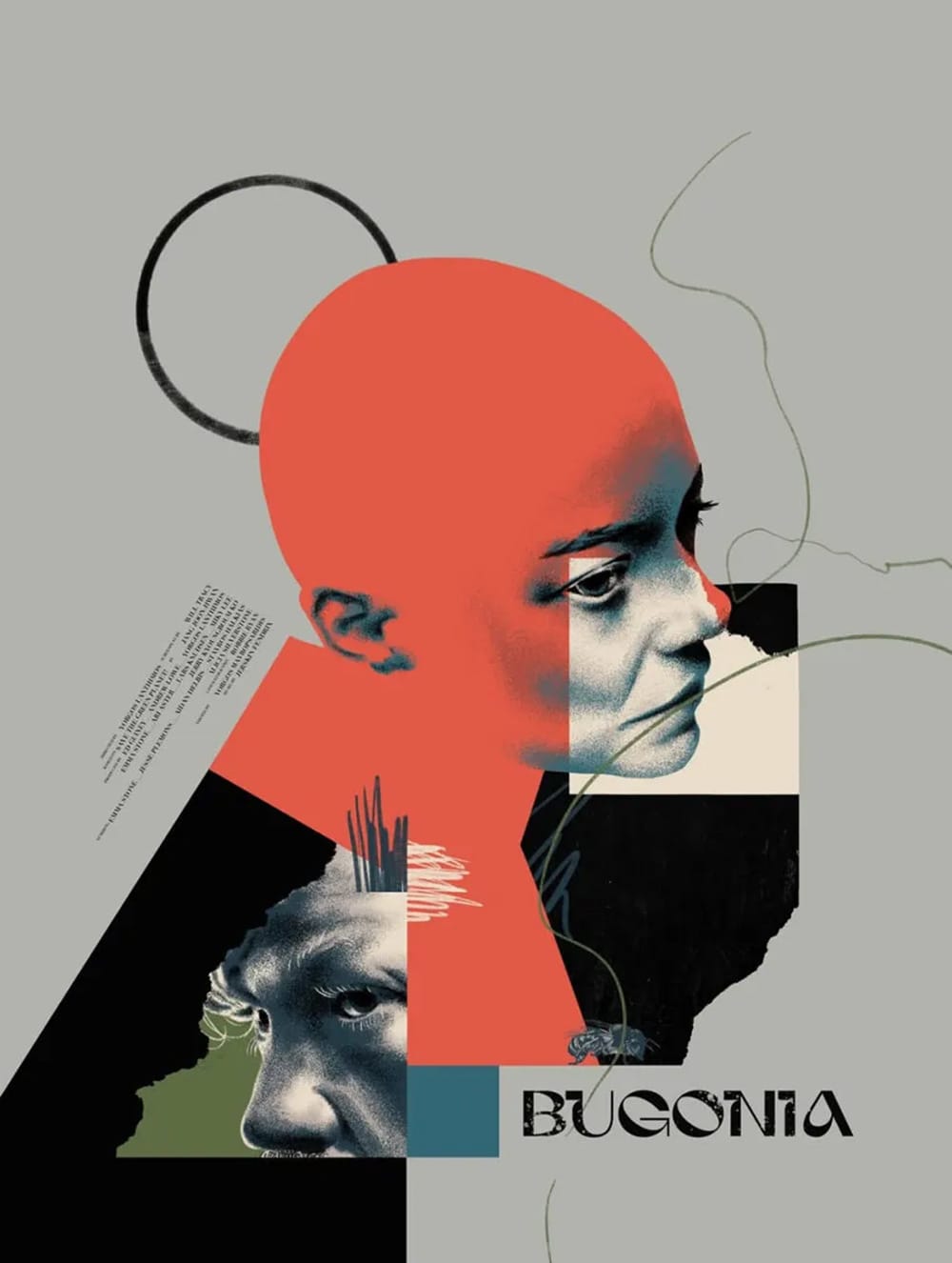
Vivian Laduch's tree rings rise into the sky for Train Dreams, Lovas Tibor deconstructs Bugonia, and Alessandro Montalto beautifully interprets the wall crack from Sentimental Value.
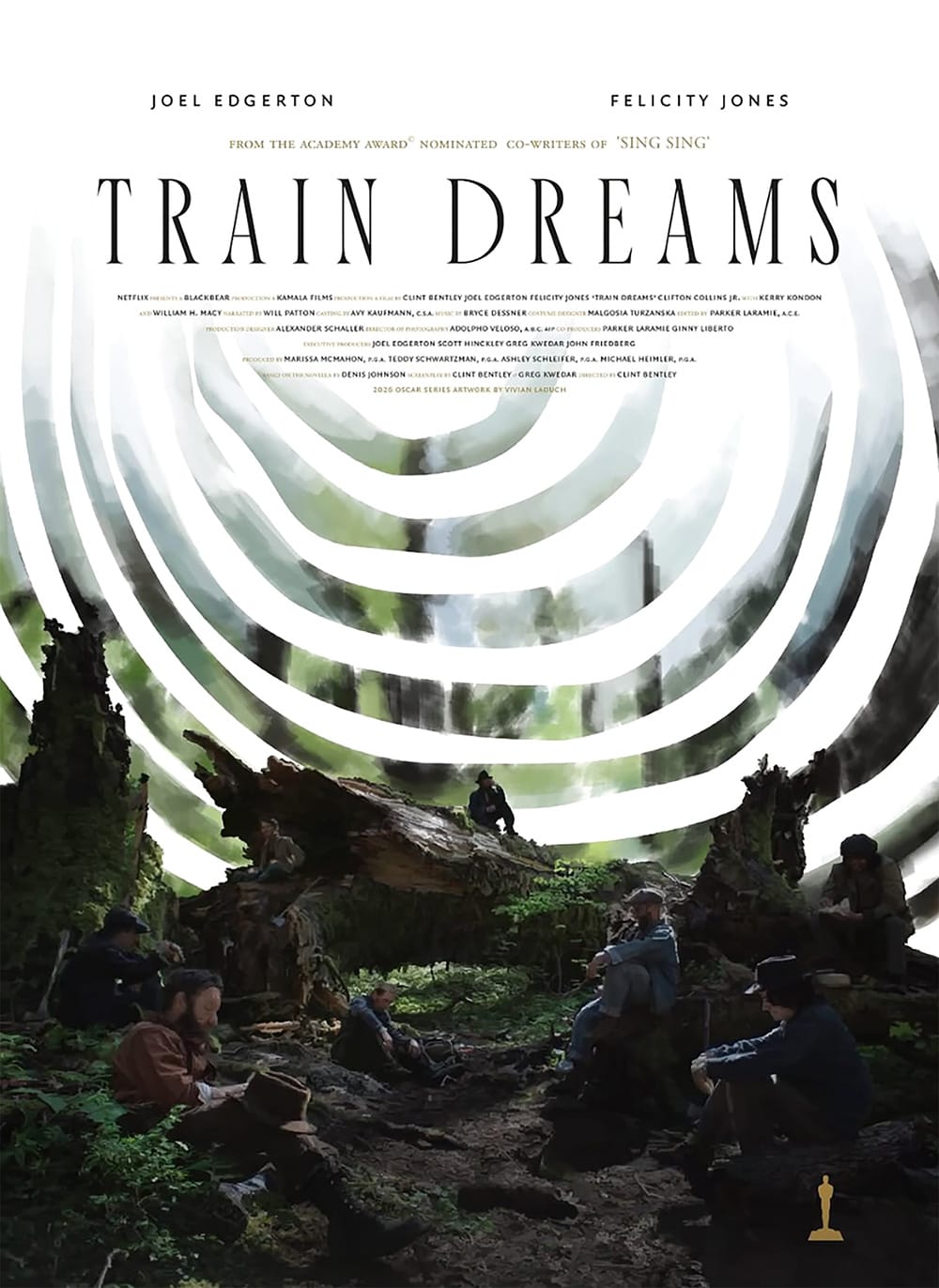
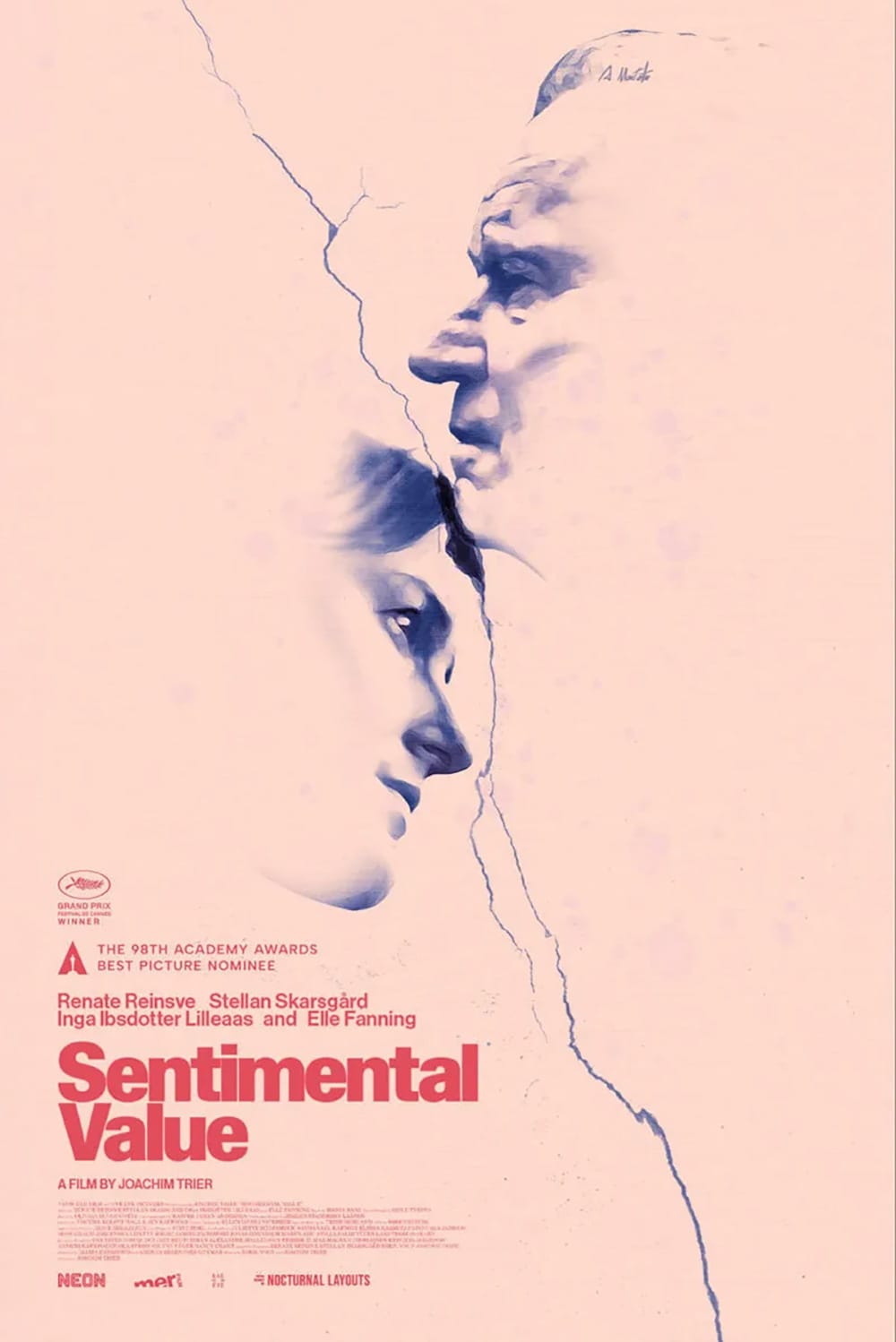
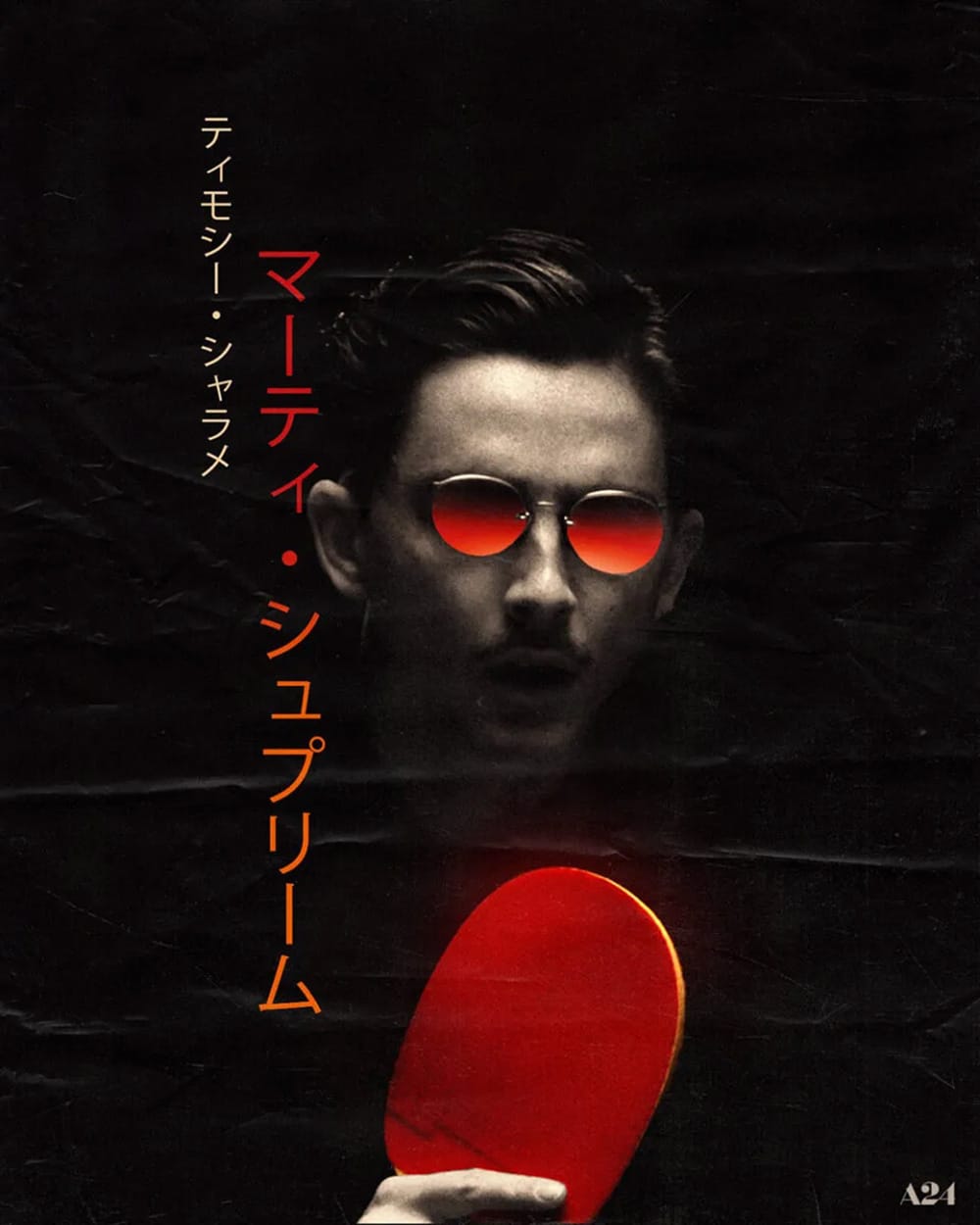
Kyle Bennetts puts us into the action of Marty Supreme while Pablo Iranzo goes full Japanese for the same title. And Idea Oshima enlists AICON to create an unforgettable illustration for her Sentimental Value variant.
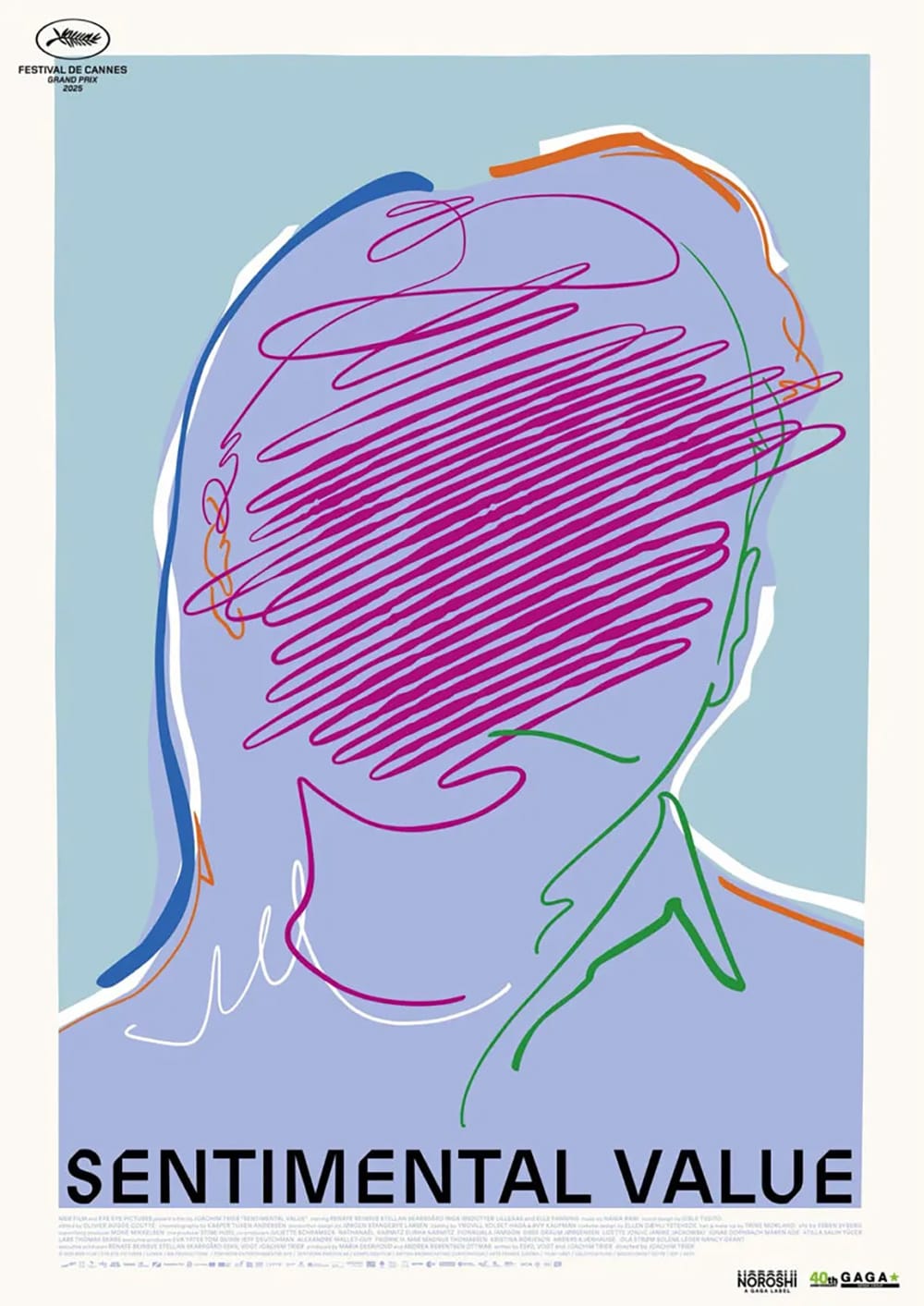
I love seeing the differing inroads to represent the same movies because it shows just how unique everyone's sensibilities are and why there can never be enough artists in the game. Yes, it's an exercise to beef up portfolios and leverage themselves into paid gigs with Hollywood studios (many of the above have successfully done exactly that over the years), but it's also just a fantastic way to brighten everyone's Instagram feed and refresh our excitement right when Oscar fatigue starts to set in.

Fallout - Season Two
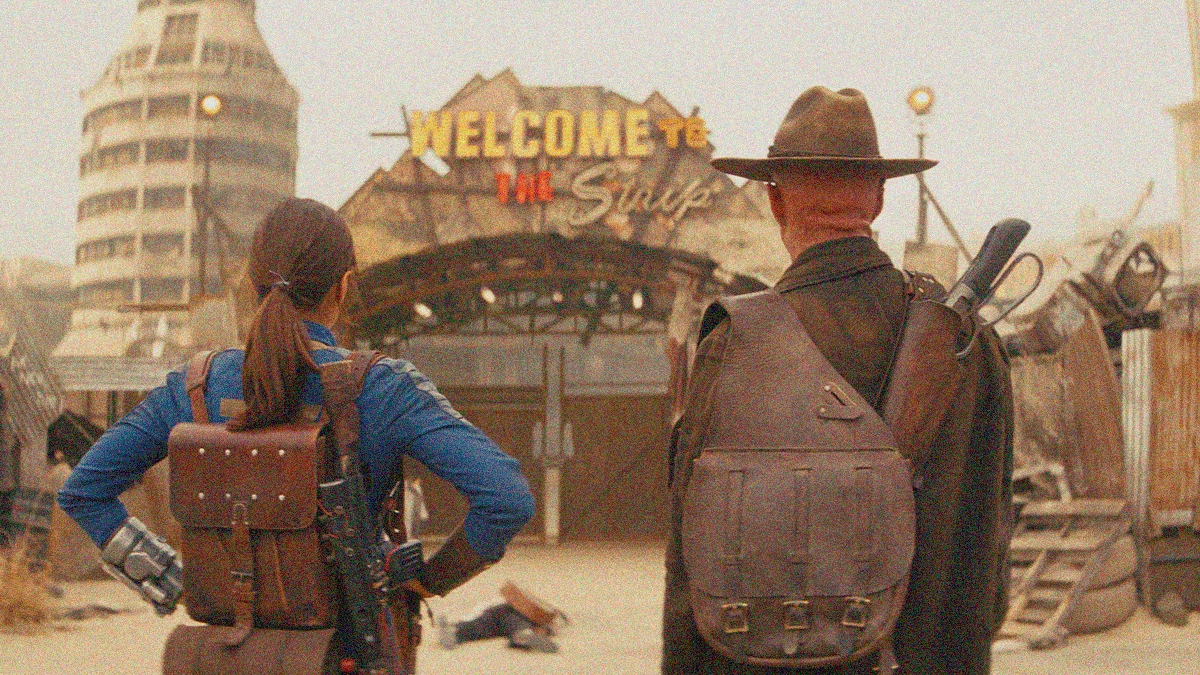
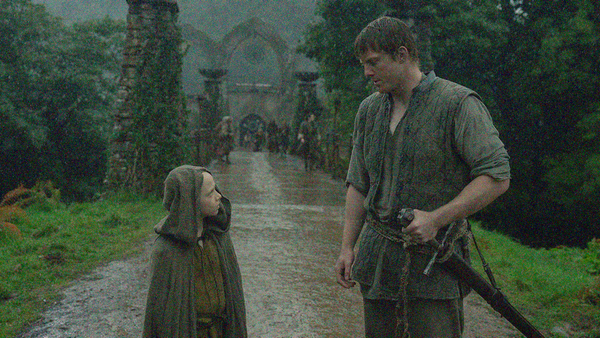
Every television show eventually falls prey to "middle season syndrome," I just hoped "Fallout" wouldn't get there so soon. I shouldn't, however, be surprised since there was a lot going on in the first to ever assume the second wouldn't spiral even further out of control once the exposition threads revealed an exponentially larger tapestry beyond them. Ask me after a rewatch and my opinion might therefore change. Initial thoughts now, though? Kind of a mess.
Thankfully, series creators Geneva Robertson-Dworet and Graham Wagner still have a wonderful handle on the sardonic tone of their post-apocalyptic video game adaptation to ensure these eight episodes remain fun and thought-provoking in their farcical satire despite the over-stimulation. Would I have liked more closure and less questions concerning the Vaults and Brotherhood before learning about the NCR, Legion, and expanded notes on the Enclave? Yes.
You must therefore roll with the punches. Realize that this series is based on a sprawling franchise of role-playing games full of numerous factions of mythologies to pull from. If anything, this season further speaks to just how effective the first was at distilling so much political intrigue and sci-fi insanity into three very specific prongs destined to converge. By focusing every new revelation from those perspectives, it never felt daunting.
But now you have Lucy (Ella Purnell) and The Ghoul (Walton Goggins) searching for family in the wasteland and thus introducing New Vegas, Robert House (Justin Theroux), the United States government (Clancy Brown and Martha Kelly), Deathclaws, the Legion (Macaulay Culkin?!), the NCR (hello, Jon Gries and Barbara Eve Harris), Mutants (don't think we didn't recognize you Ron Perlman), and mind control?! It's a lot to take in.
Then you have Maximus (Aaron Moten) discovering the obvious—that Michael Cristofer's Cleric Quintus was never going to make him an equal—en route to showing us split Brotherhood factions (the stunt casting continues with a very entertaining Kumail Nanjiani) and a reunion with Thaddeus (Johnny Pemberton) now that he's a ghoul ... well, maybe something else. Add Norm's (Moises Arias) own adventures and the Vault 32/33 power void and heads will spin.
So, we're kind of left in purgatorial stasis. Yes, this expansion of the world provides additional context to the questions from Season One while pushing us forward, but it reframes those queries rather than answer them and doesn't necessarily feel like we've gotten any further in the process. We therefore still need Season Three to fully understand the fruits of our labor here. The same dangers and mysteries remain. The characters have just outpaced the plot.
And that's fine if the showrunners know what they're doing. As viewers, however, we can't know if they do until after the fact. More and more serials are utilizing this tactic for better or worse. Maybe they think cliffhangers will help twist the studio's arm to greenlight the next chapter? Maybe they have a five-season arc fleshed out and a tacit promise by the powers that be to see it through? Whatever the reason, it leads to MCU-levels of coercive FOMO.
It's honestly why I still believe "The Wire" is the greatest television show to ever be broadcast. Its five seasons are perfectly interwoven by themes and character development, but also all a fully-formed entity that would succeed outside of the whole on their own. You just don't get that anymore. Beyond the first and last seasons' bookends of modern shows, the rest merely serve as unfinished bridges working towards a result that's never assured in a volatile era of "content."
So, credit Goggins, Purnell, Arias, Moten, Kyle MacLachlan, and others for making it worthwhile. Them and a special effects team continuing to deliver stellar computer graphics (the de-aging of MacLachlan is light years better here). Because that's the real draw: characters and theatrics. That's not to say the subterfuge, experiments, and prescient tropes ("The Big 51", nuclear war, etc.) aren't. Those narrative issues simply move beyond a single season's scope.
I'm still excited to find out what's really going on in Vaults 32 and 33 ("phase two" is coming) and who the "big bad" is pulling the strings of Vault-Tec, RobCo, and every other oligarchical entity lording over humanity like the two-penny Gods our own oligarchs believe themselves to be. I'm also fascinated by the new potential of everything being a giant Risk board operated by unseen forces with controllers in-hand. It's getting very video game meta.
7/10
Pompei: Below the Clouds

Naples proves the physical embodiment of eternalism as past, present, and future exist simultaneously for Gianfranco Rosi's camera to capture in black and white. There are excavation sites unearthing Roman artifacts and fossils. Current attempts to educate (an older gentleman helps kids do homework at his shop), feed (Ukrainian grain moving from ship to silo), and protect (residents constantly ringing the fire department's call center). And the uncertainty of another Vesuvius eruption.
Pompei: Below the Clouds also reveals the multicultural landscape of these systems from Syrian sailors to Japanese archeologists alongside local curators documenting sprawling collections of statues and reliefs. You get a little of their personalities via brief vignettes, but the film is mostly a fly-on-the-wall look at their work. The gorgeous hidden tombs, insane raiding tunnels, destroyed theaters, and often incredulous reactions to "emergency" calls that prove anything but.
Rosi shoots some amazing footage, but these location essay films have never been my thing. I enjoy them on a purely aesthetic level, but their focus on thematic connections renders the journey too much of a non-narrative slog. It's an anthropological study of a moment in which everyone's focus seems glued to what happened and might happen again.
6/10
Youngblood (1986)
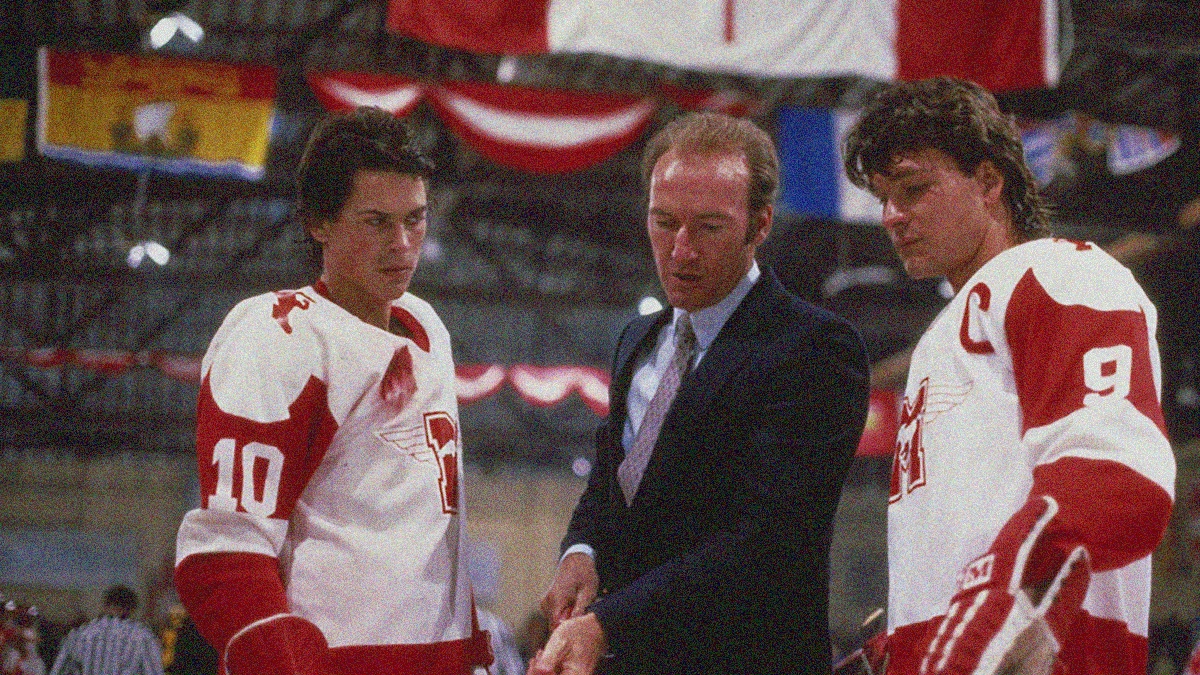
You gotta love 80s hockey. A time when you can be the most talented player on the ice and able to stickhandle through an entire team to circle the net twice before scoring a wraparound goal and it still isn't enough until you can prove you're ready to go twelve rounds with Muhammad Ali.
How many days were scripted between Memorial Cup games? Peter Markle gives Rob Lowe's Dean Youngblood a full Rocky IV pugilism montage like he has a month before needing to beg his way back onto the team he quit three days ago. And what was the sweat budget? Between Lowe's solo workouts and sex scenes, this production went through more water than an AI farm.
Patrick Swayze is the standout—I loved his kiss with the linesman during a brawl. His Point Break co-star Keanu Reeves only got two minutes of screen-time to spare us his bad Québécois accent. And it doesn't get sillier than coaches caring more about murdering actually good players than the final score.
There's also no better example of just how horrible hockey culture was (and sadly remains) than the hazing, misogyny, homophobia, and violence on-screen. As Swayze's Derek Sutton toasts: "Thank God there is still a sport for middle-sized white boys." To even think about glorifying this film is to confirm why it should only ever be viewed as a cautionary tale.
5/10
Youngblood (2026)
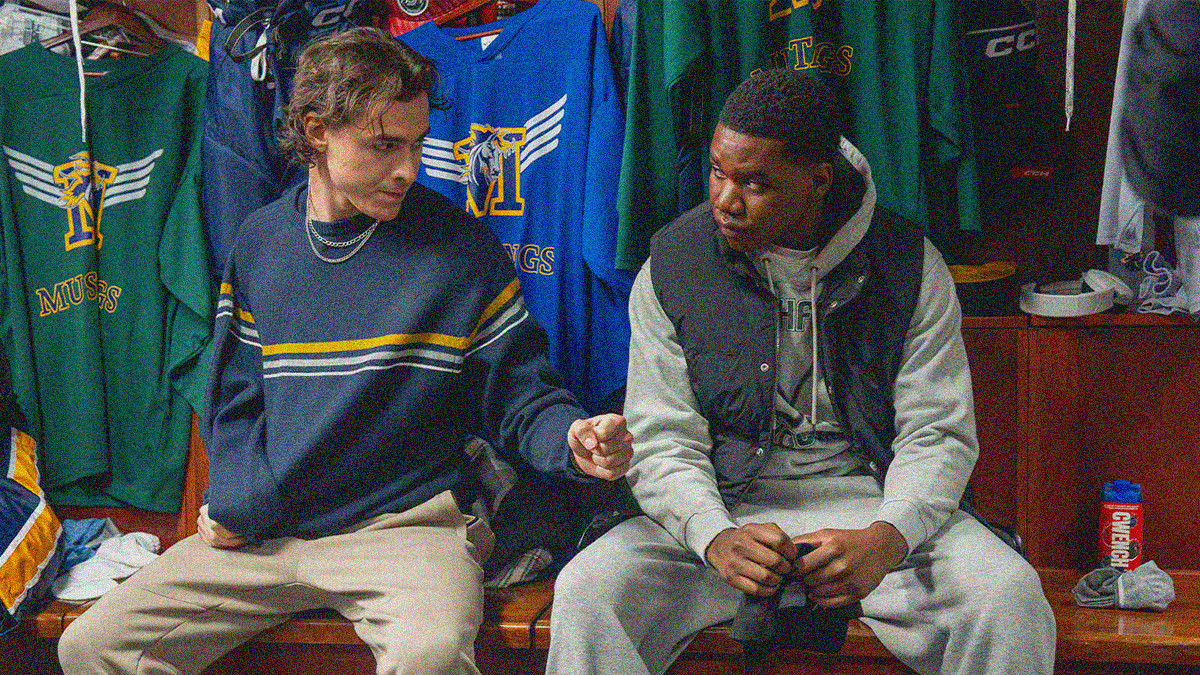
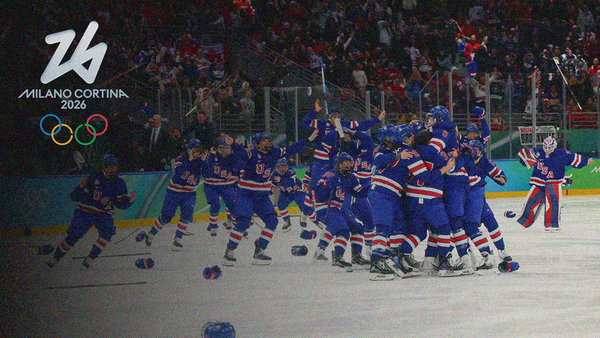
Now that's how you do a remake. You choose a problematic relic of its time, investigate the reasons why it no longer works, and use those findings to carve a new transformative path forward. Because Peter Markle's Youngblood is ancient when you think about what hockey was in 1986 and what it is today. Not just as a result of a slowly changing culture and inclusion initiatives, but the talent level and speed too. The only thing that truly remains is the toxic masculinity.
Screenwriters Josh Epstein and Kyle Rideout (working off drafts originated by Seneca Aaron and the late Charles Officer before them) lean into that fact from the other direction. The journey Rob Lowe's Dean Youngblood took was one that embraced "old school" tendencies where scoring was a by-product of toughness and toughness was less about physicality than pure violence. Ashton James' Dean is therefore asked to reckon with the damage that thinking wrought.
So, it makes perfect sense to change the Youngbloods in Hubert Davis' film from chip-on-their-shoulder white farmers existing on the edge of being too small to compete with the big boys on the ice to a blue-collar Black family struggling to survive a world that has taught people to fear them regardless of temperament, skill, or humanity. Some young men like Dean recognize that reality and do everything they can to become smaller. Others let the anger define them.
It shouldn't surprise anyone that the central psychological through line becomes a battle between nature and nurture. Because Dean is a great hockey player. He skated circles around boys older than him and isn't drawn to the fighting aspect as readily as his brother (Emidio Lopes' Kelly) or father (Blair Underwood's Blane) before him. When his mother dies, however, her calm voice of reason disappears and the rage filling his dad inevitably spills over into him.
Those moments from the original that make you laugh like Murray Chadwick begrudgingly picking the scorer over the brawler are now flipped on their head. This Murray (Shawn Doyle) needs offense and the two players trying out for a roster spot on his playoff-bound Mustangs both provide it. Dean's history (he's fresh off a suspension for swinging his stick at a player who delivered a racial slur) has Murray wanting to send him home. The owner intervenes.
The lesson taught about family and brotherhood isn't therefore a product of murdering players via a senseless cycle of violence. No, Murray preaches a crest-before-nameplate philosophy wherein discipline trumps impulse. Why? Because he's fallen prey to it himself. He's not coaching this team by choice. He's suffering the consequences of his own actions. It's why Murray doesn't trust Dean. Not because he's Black or "unqualified," but because he understands his rage.
It's a complex web of toxicity born from insecurity that manifests itself into unforgivable actions each perpetrator refuses to believe are their own fault. Blane is tough on his boys because it's "all he knows." Murray is tough on Dean because he couldn't conquer his own anger and thus doesn't trust the teenager can either. But they aren't alone. Every guy on the team, including Henri Richer-Picard's Sutton, dealt with crazy hockey dads. It's a familiarly noxious pattern.
And that leads us to the other big narrative shift from its predecessor: Murray's daughter Jessie (Alexandra McDonald) isn't a one-dimensional rink rat love interest. No, she's a hockey player too. She's fighting for her existence in this world from an even greater disadvantage as a woman with fewer prospects than Dean as a Black man in a white sport. Her ability to channel her frustration might render her a bit one-note as a sage voice of reason, but it works.
Because Murray and Dean both need to hear that truth. They need someone who understands the life to open their eyes to their own complicity to their hardships and perhaps find a way to escape the cycle. This nuance isn't just performative in nature where it comes to propping up the good guys either. It's also wonderfully fleshed out in its depictions of the "bad" guys too. Racki's (Donald MacLean Jr.) scared remorse. Blane acknowledging he's too broken to change.
So, rather than glorify the misogyny, hazing, violence, and homophobia (there is one example of the latter that goes unchallenged), this Youngblood uses it all as a reason to evolve. To be better than the past. To be vulnerable and talk about your issues to realize the people around you struggle with the same things because you are never truly alone. As Ms. McGill's (Tamara Podemski) framed embroidery callback states: "Sports do not build character. They reveal it."
It was also fun to recognize Leah Hextall's voice as the ECHL color commentator and to see the NHL lend their support during a nice epilogue that features the Los Angeles Kings and Montreal Canadians (as well as Drew Doughty in the locker room and Luc Robitaille in the stands).
7/10

This week saw Made in America (1993) added to the archive (cinematicfbombs.com).
Whoopi Goldberg dropping an f-bomb in MADE IN AMERICA.

Opening Buffalo-area theaters 3/6/26 -
• The Bride! at Dipson Amherst, Flix, Capitol; AMC Maple Ridge; Regal Elmwood, Transit, Galleria, Quaker
• Dolly at Regal Elmwood, Transit, Galleria, Quaker
• Hoppers at Dipson Flix, Capitol; AMC Maple Ridge; Regal Elmwood, Transit, Galleria, Quaker
• Ishqan De Lekhe at Regal Elmwood
• Mension House Mallesh at Regal Elmwood
• Peaky Blinders: The Immortal Man at North Park Theatre
• Protector at Dipson Capitol; Regal Elmwood, Transit, Galleria, Quaker
• Sampradayini Suppini Suddapoosani at Regal Elmwood
• The Secret Agent at Dipson Amherst
"I love a title with the power to feed into how you interpret the story on-screen. It’s a brilliant bit of implicit manipulation that ensures engagement in such a way that we don’t get angry once the strings are revealed. We become impressed." – Full thoughts at HHYS.
• Youngblood at Regal Quaker
Thoughts are above.
Streaming from 3/6/26 -
• 100 Nights of Hero (AMC+) - 3/6
• Fackham Hall (HBO Max) - 3/6
• Hamnet (Peacock) - 3/6
"Zhao is spot-on when she talks about Hamnet exemplifying the “alchemy” that can occur when one’s art is wielded as a therapeutic outlet. The play doesn’t exploit their tragedy. It memorializes a life and ensures the entire world celebrates and mourns him with them." – Full thoughts at HHYS.
• Lilly Lives Alone (Shudder) - 3/6
• Strangers in the Park (Netflix) - 3/6
• War Machine (Netflix) - 3/6
• I Wish You the Best (Starz) - 3/7
• Nuremberg (Netflix) - 3/7
"That, beyond entertainment, we’re also bearing witness. Vanderbilt takes that to heart too by showing the archival concentration camp footage we assume was shown at the 1946 trial. It’s not for the faint of heart. Nor should it be." – Full thoughts at HHYS.
• Melania (Prime) - 3/9
• Fukushima: A Nuclear Nightmare (HBO Max) - 3/10
• Louis Theroux: Inside the Manosphere (Netflix) - 3/11
• Zootopia 2 (Disney+) - 3/11
"Disney has upped the ante with Zootopia 2 in ways that force me to stop giving this series the benefit of the doubt. You aren't creating distance from the taboo [by making everyone an animal]. You're just giving yourself cover to be racist." – Quick thoughts on HHYS.
• Made in Korea (Netflix) - 3/12
Now on VOD/Digital HD -
• Hunting Jessica Brok (3/3)
• The Moment (3/3)
• A Private Life (3/3)
• Signing Tony Raymond (3/3)
• Skate to Hell (3/3)
• Stray Kids: The dominATE Experience (3/3)
• Whistle (3/3)
• Happy Holidays (3/6)
"[Copti] pulls absolutely no punches to reveal just how damaging both cultures [Israeli and Muslim] are to freedom when it comes to gender, religious, or ethnic equality." – Full thoughts at HHYS.
• Mother's Baby (3/6)
• Starman (3/6)
• The Strangers: Chapter 3 (3/6)
• Tafiti: Across the Desert (3/6)

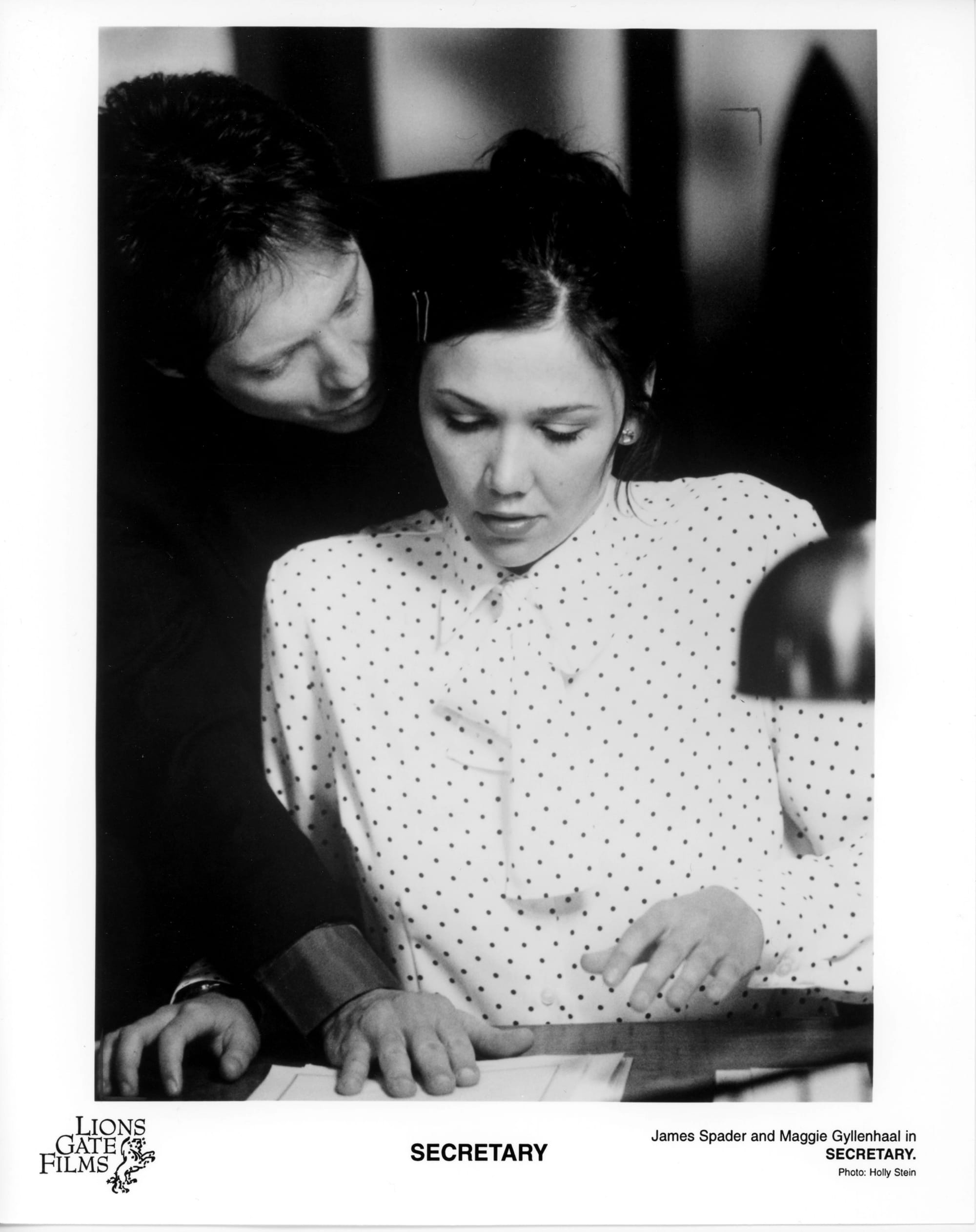
Pieces from the Secretary (2002) press kit.