TIFF 2026: Day Four
Room with a view


The concierge at check-in was very quick to let us know our room at The Westin Harbour Castle came with a lake view. She was not wrong as we opened the curtains to see nothing but water. It's a great scene. Could do without the boat horns after midnight, though.
Our accommodations are fantastic as always thanks to Destination Toronto. We honestly couldn't have asked for a better setting with the festival changes this year making the Metro Toronto Convention Centre TIFF's new press and market hub. We literally need to pass it en route to any of the theaters from the hotel. And, being that we stayed here a few years ago, the journey is a familiar one.
It was a very congested day now that the weekend has hit and more people just looking for something to do come on by. Hearing them ask food truck and booth employees what event is happening never gets old since it's difficult to believe you could be walking through this chaos and not know it's TIFF.
All three of my screenings were press today (one at the John Bassett Theatre and two at Scotiabank) with the first two reviews below (Your Mother Your Mother Your Mother and Trash Mountain) and the third publishing tomorrow (Furies). I wasn't sure what to expect with the crowd on the latter. Evening screening of a Lebanese film opposite many glitzy public premieres? Well, I shouldn't have worried because it was packed enough to turn people away.
Today's schedule:
• The Surgeon, d. Roshan Sethi | Centrepiece | Ireland | English
• Tangles, d. Leah Nelson | Centrepiece | Canada, United States | English
• Babies, d. Lauren Miller Rogen | Gala Presentations | United States | English

Iron Boy
CENTREPIECE
North American Premiere | September 12 | France, Belgium | French
_____
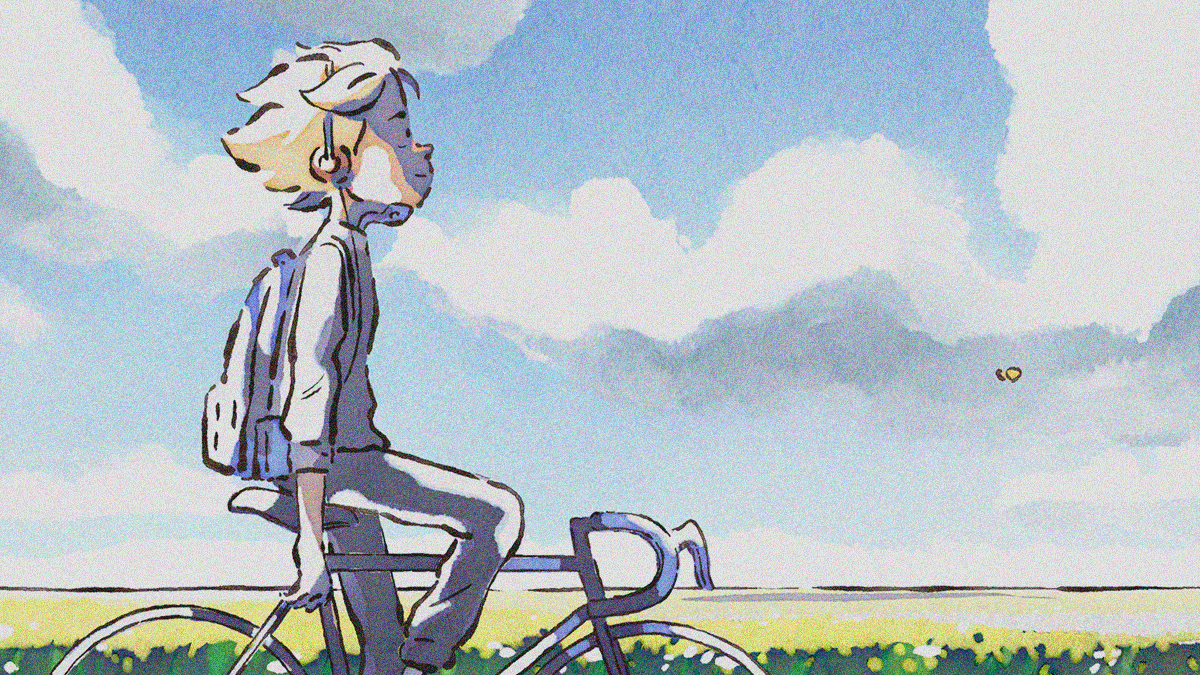
"Iron Boy proves a heartfelt coming-of-age story with just the right amount of magic and authenticity to ensure the stakes remain high for the duration."
Full thoughts at The Film Stage
Krux
DISCOVERY
World Premiere | September 12 | Germany, Poland | German
_____
As WWII was ending and Allied troops were putting boots on the ground in Germany, an emergency declaration went out with instructions for all citizens. First, they were to kill all farm animals. Second, destroy all means of the enemy finding clean water or edible food upon arrival. Third, ensure there are no living Germans left to be brutalized. The idea was to let the nation die on its own terms. That a lack of ability to serve victory meant life itself was void.
Hitler followed his own plan with a gunshot while many Germans did the same. How did they know when the time was right? By the bodies of suicides washing ashore from the next town over. Why not just surrender? Because their own government stoked fear of reprisals. In that time honored tradition of accusing others of the heinous crimes you yourself commit, the Nazis brainwashed their people into believing the Allied forces were the real monsters.
This moment of transition is when we enter Tony Vahl's feature debut Krux. The town at its center still holds onto hope that Germany will prevail. They lionize their husbands and sons who went to fight, burn leaflets promising freedom that fall from Allied planes, and hang on every word delivered by Nazi officials on the radio. Until, of course, the corpses float in. Until the mayor (Lukas Miko's Walter Grünberg) readies his cyanide capsules.
As Pastor Loose (Martin Wuttke) states when asked to help get his parishioners on board with the plan, "You have your cross to bear, and I have mine." If Walter and the other zealots want to destroy their lives for a mad man whose ego is so big that he demands mortal allegiance from men, women, and children even in defeat, they can go ahead. But he follows no one above God, and God proclaims suicide to be a sin. "Cowardice in the face of life."
The film therefore progresses through the heavy emotions of a town torn between duty and faith. With Walter and Loose on opposite sides of the spectrum, others like schoolteacher Fritz Berg (Clemens Schick) and laundresses Greta Feldmann (Jella Haase) and Anni Martens (Frida-Lovisa Hamann) exist in the middle. Fritz listens to Allied radio to try and discern truth within the dual claims of propaganda. Greta and Anni think only of their children.
That's where the real intrigue lies since both women have come to different conclusions despite starting with the same question. Greta refuses to see how murdering her daughter will save her soul while Anni knows there's no other way to save those of her son and baby. And we can intellectualize the latter's thought process. All she knows is what state-sponsored radio told her. Her fear for the enemy has become greater than her fear of God. Germany trumps Heaven.
Not only is this truth a fascinating one to watch dissected on-screen as these townspeople quietly follow their respective hearts, but it's also a damning treatise on today's world. They had no choice but to listen to the lies. While some citizens in places like Russia might also find themselves devoid of alternative news sources, Americans do not. Yet so many of us choose to believe those lies anyway. They choose to deify criminals while expediting their own demise.
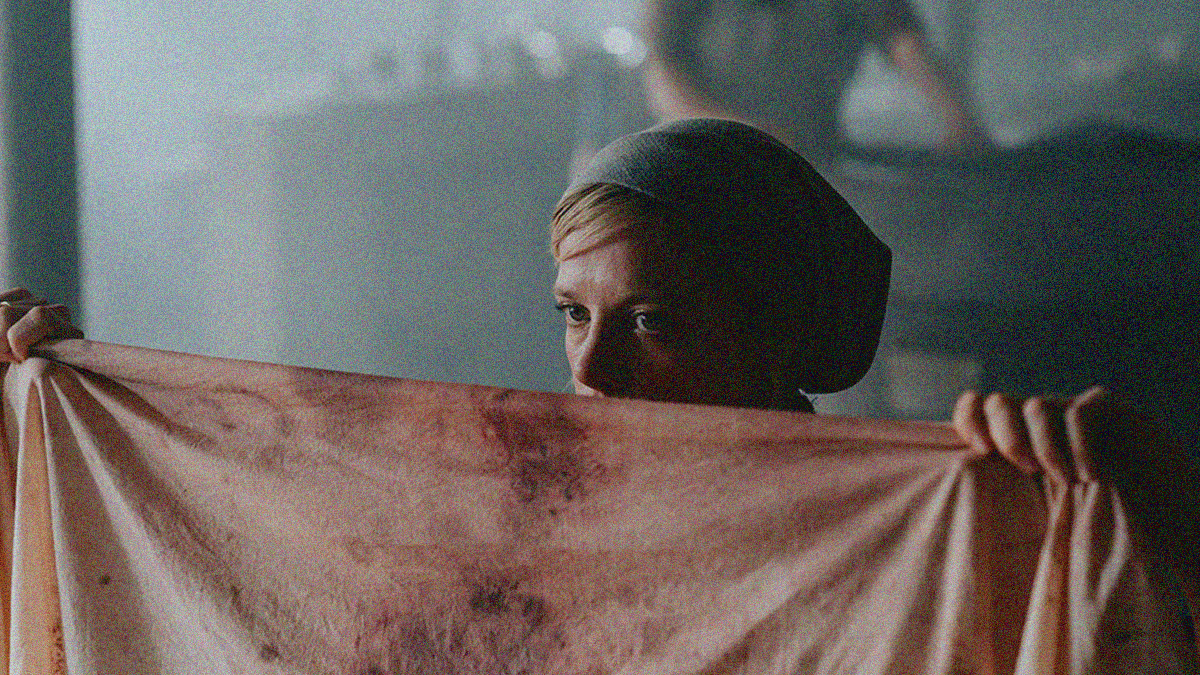
What I love most about the way Vahl portrays this moment in German and WWII history is that she refuses to move away from the human element at play. These aren't soldiers, prisoners, or officers. They are regular people whose only relationship with the war had been watching their loved ones leave to fight it. Now they are washing bloodied linens, burying the bodies of strangers, and teaching their children how to tie their own noose.
These are normal people stuck in abnormal times being torn apart by the disconnect between obligations to a man they've never met and responsibilities to a community they know and love. You have men who might have wished they'd gone to the frontlines being asked to live for the Fatherland even as what they're asked to do goes against every fiber of their being. You have women being asked to kill their children to inexplicably honor their husbands.
It's a psychological minefield where the "right thing" has suddenly been declared the "wrong thing" overnight without discussion. These are grown adults freezing in place at the sign of danger because their impulses have been hijacked while the kids they're supposed to set an example for are forced to act instead. People feigning an imposed callousness they cannot stand to accept without abusing themselves as penance once they're called out for their vile deeds.
Krux progresses to devastating ends as we watch with hindsight and hope that we won't find ourselves facing similar circumstances. Because it's not just adults being jogged awake by children still treating life as the precious commodity it remains regardless of war. It's also children being fed warped examples of strength that lead them towards unconscionable decisions no child should ever be forced to make. And liberation is literally just a couple days away.
8/10
Smudge the Blades
CENTREPIECE
World Premiere | September 12 | Canada | English
_____
Things open with the Treaty 6 Blades' season already having begun. It's the team's first time in the Under-18 Edmonton City League's top division and the first time ever there's been an all-Indigenous squad participating. They have momentum as an underdog with name recognition courtesy of retired Oiler Bud Bradshaw (Ed Helms) behind the bench, but everything comes undone once a dirty hit gives the league board a reason to end the experiment early.
Suddenly the dream is over due to a bunch of bureaucrats pulling the cord the second they were allowed to justify their racism with a bylaw infraction. Since it's everyone's senior year, this was their last shot to do something together. Taran (Isaiah Kakepetum) has the talent to join whatever team he wants, and Jaycee (Paulina Alexis) always has the opportunity to play in a girl's league, but the rest are on the outside looking in. It was Treaty 6 or bust.
This is the first chance director Cody Lightning and co-writer Samuel Miller have for Smudge the Blades to reveal why it isn't just another sports film. Rather than focus on kids like Taran and Jaycee climbing the ladder, it effectively shows the reasons why they want to stay on their current rung. While some of it is out of their control and a tragic burden they're forced to bear, a lot is also about their conscious desire to wear that home jersey. To honor their identity.
They all face enough discrimination outside the reservation. Why be a pariah regardless of talent (if the coach even lets them show it) when they can stand together no matter the very real issues stemming from anger, depression, and poverty that they each must overcome? When the odds are stacked against them from birth, it means something to fight towards a common goal of escape. Within that locker room, they believe anything can happen.
Enter Willy Lowe (Lightning), an overweight Zamboni driver at the local rink who once had a cup of coffee in the AHL. This is a guy who should exemplify how it is possible. He gave his life to the game and almost made it to the top league in the world. Sadly, Willy has become a cautionary tale instead. Not from outside voices either. Internally. Because he sees himself as a failure, the effort he put in all those years starts to feel like a waste of time.
There's a fragile balance between believing in a deluded fantasy and coming up short to make fantasy into reality. Willy did the latter (regardless of the reasons) but has twisted his memory of the journey into thinking he did the former. So, when he takes on the practically volunteer task of coaching this team in a lower country division (because he wants to get with Taran's mom, Jana Schmieding's Chanelle), Willy decides his duty is to stop the kids from caring too.
While the result of this choice and the subsequent realization of his error leads to familiar sports drama progressions, it also opens some deep emotional wounds. All those touchstones like Taran getting a call-up, or Jaycee getting a scholarship, or tough guy Damon (River Rayne Thomas) learning how good he can be if he quiets the racist noise that dismisses him as an animal come with baggage most of us will never experience in our lives.
Does Taran even want to ascend? Or is he sacrificing his happiness to satisfy his mother's dream? What would college mean for Jaycee's younger sisters since it's always been her job to protect them when their mother goes on a bender? And it's one thing for Damon to calm his rage and prove critics wrong, but it's another when his own father—the most vocal of them—suddenly finds the capacity to be proud because now there's something to be proud about.
Leland (Treycen) is engaged in a trial by fire with the fact that the expectations he's placed upon himself are actually hurting his potential as a leader. Kyson (Tyler Halcrow) is dealing with reconciling his Cree heritage against his white adoptive upbringing. Gus (Ezekiel Mekanak) is so anxious that he's resorted to being the team's spiritual guide while sabotaging his own potential to excel. And Broxy (Elijah James Lee Moar) is pretty much always drunk in goal.
Every single one of these kids is dealing with generational trauma and systemic prejudices in self-defeating ways. So, having Willy come in with a message about having fun and zero expectations is just as damaging as Bud's toxicity. (Think the real Edmonton Oilers going the opposite direction by firing Kris Knoblach for Mike Babcock.) These kids don't need another carefree friend or another selfish parent. They need a protector—from the world and themselves.
And, in many ways, Willy needs it too. One of the best qualities of Smudge the Blades is that there's no savior with all the answers (save maybe David McNally's sage Stan). The adults are just as off-balance as the kids at trying to traverse paths they had no good examples to copy from either. It would have been easy to leave Jaycee and Damon's flawed parents as stereotypes, but Lightning ensures they have just as much room for complexity and sympathy as the rest.
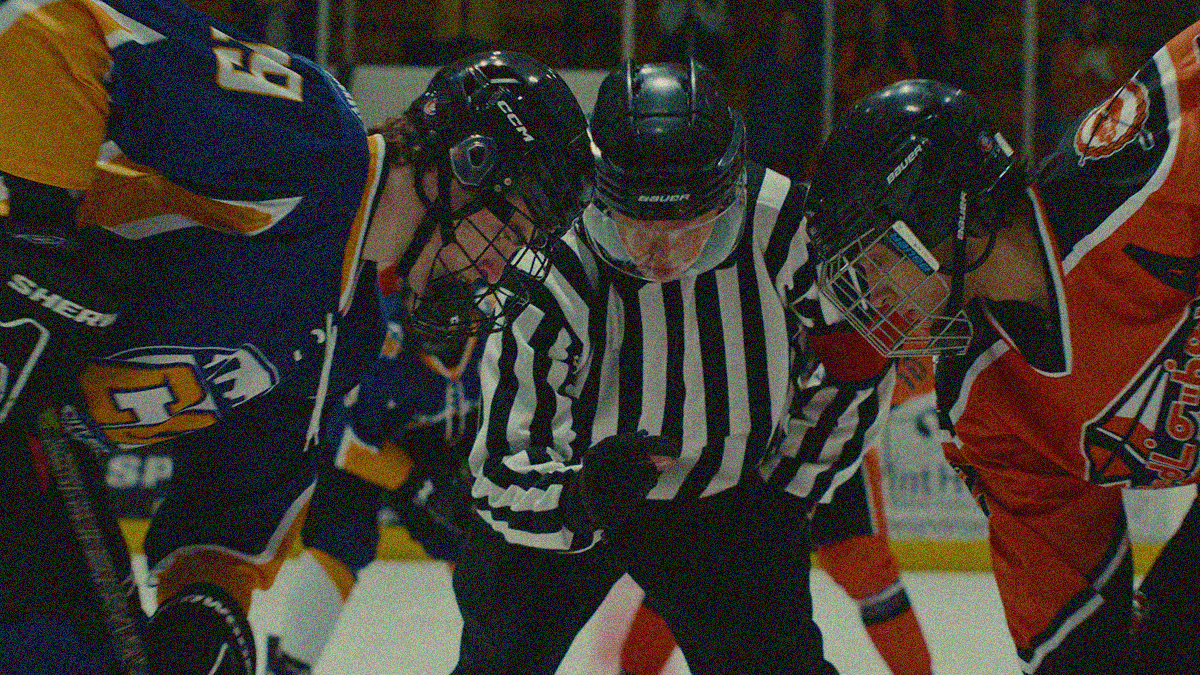
It's why most of the drama on-screen occurs before or after the whistles rather than between. Yes, there's a good amount of hockey, but it's less about the score than the shenanigans of a crooked referee or extracurriculars that can galvanize a group into a team. These kids aren't taking it so seriously because hockey is their life. They're locked in because hockey is the one good thing in it. Fleeting or not, this game provides purpose amidst the chaos.
7/10
Trash Mountain
CENTREPIECE
World Premiere | September 11 | United States of America | English
_____
Drag show host Gavin (Caleb Hearon) is living life as he always dreamed he could while growing up gay in rural Missouri. His grandmother (Jacki Weaver’s Helen) remembers a joke about how he was going to “leave as soon as he got his driver’s license,” sentiments that proved true once he shipped off to Chicago and never looked back. There wasn’t much for him at home besides his decade-older half-sister Abbi (Zooey Deschanel). Grandma is a drama queen. Any friend he had was disposable. And his father was a reclusive drunk.
Well, when Abbi calls to tell him the latter died suddenly, not even Gavin could muster the bile to simply say, “Who cares?” So, he makes the return trek in hopes of helping his sister finish preparing the arrangements while still proving he can muster the apathy necessary to skip Thanksgiving by going back to Illinois within the week. Whether he’s willing to acknowledge it, Gavin has lost touch with Abbi simply because she stayed behind. He lumps her in with this place because it’s easier to just forget it all.
As Kris Rey’s Trash Mountain shows, however, the two are best friends. Their quick wit and similar sensibilities allow them to pick up a rapport like no time passed. Abbi’s husband (Kyle Marvin) sees it and smiles. Their kids warm up to Uncle Gavin being around if only to ensure they are playing with LEGOs a foot from his face no matter where in the house he ends up falling asleep. This could be their happy life together in a perfect world, but theirs is anything but. Beneath that warm façade resides years of emotional baggage.
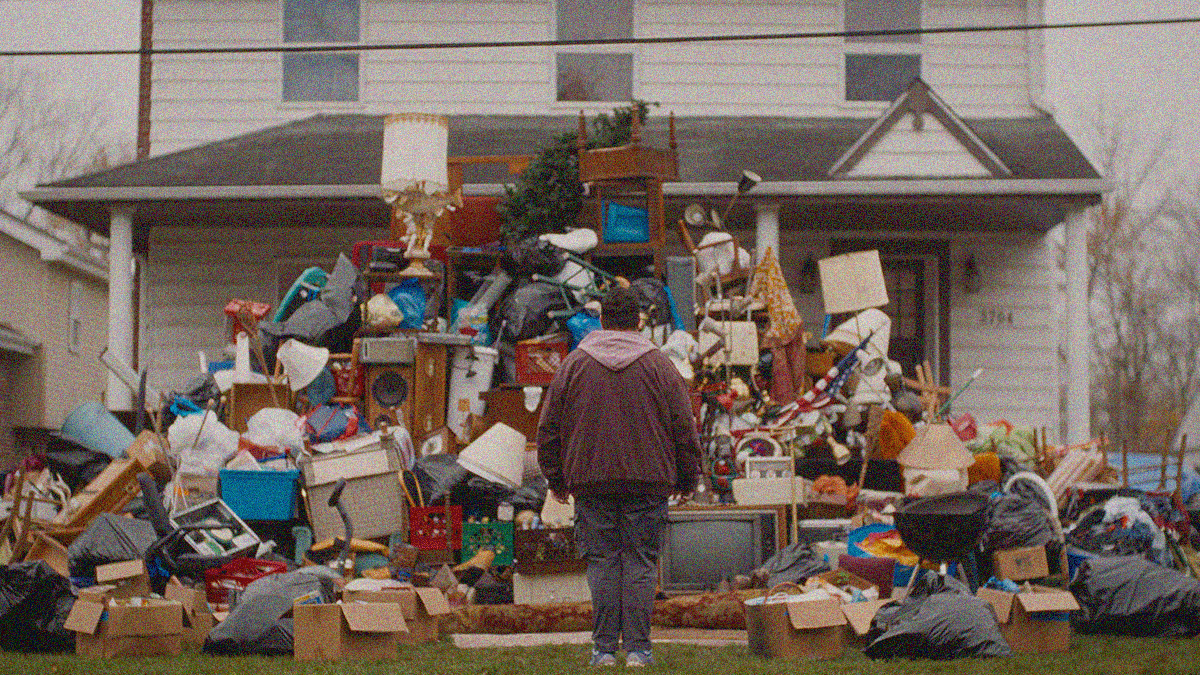
Case in point: Dad’s house is a wall-to-wall landfill of hoarded items. Multiple toasters. Newspapers and clothes everywhere. A smell coming from the refrigerator that ruins everyone’s appetite while triggering a dinner run in Helen’s mind. And within this mess that will take days to sort through is an elusive social security card. Without that piece of paper, the county won’t release the necessary documentation to transfer the deceased’s estate to his children. Will the added time thaw Gavin’s heart or blacken it further?
The film is a wonderful showcase for Hearon (who co-wrote with Ruby Caster), a stand-up comedian I was exposed to via a supporting role in this year’s Pizza Movie. You can tell he has a keen handle on his identity and comic sensibilities, placing himself in scenarios that allow his dry, catty retorts to shine. Whether they get volleyed back by Abbi and the Grindr date he “taps” to stay sane in the sticks (Jaboukie Young-White’s Jasper) or are met with a cold stare from a humorless records official, we’re laughing just the same.
That’s what happens when you allow your characters to shine above your plot. The death and the hoarding exist to spark this reunion so Gavin can wrestle with the demons he chose to ignore rather than confront. It leads to a lot of tough moments where his fight or flight impulse takes over. And since he has no interest in a confrontation, any discomfort finds him pulling the ripcord. We can see his struggle, knowing he doesn’t want to hurt the ones he loves. But he’s hurt too. They all are. But sarcasm only gets you so far.
Helen, Jasper, and Abbi all receive their moment to call him out on this fact. Weaver is great in her instance because it cuts through the artifice Helen uses to process her own pain. Young-White’s scene lays Gavin’s insecurities bare while Deschanel reminds him that you can separate the bad from the good if you’re willing to do the work. It therefore stings when he initially refuses to do so. Even after all the fun they’ve had, he still chooses to run away from Abbi rather than admit how much he needs her in his life.
Do Hearon and Caster fall into the trap of letting their writing become too clichéd? For sure. A junk collector named Trish (the actor’s name eludes me) literally comes back on-screen out of nowhere at the end to offer the exact words Gavin needs to hear in as succinct a way as possible. I chose to laugh these conveniences off as yet another joke since they work insofar as how they advance the characters through the drama. Much like Wilson unintentionally giving House the tools for an epiphany, you accept the means to earn the ends.
I think it’s worth it to do so because Rey has crafted a memorable and heartwarming look at a complicated familial structure trying to hold itself together despite vastly different religious and political views. It possesses just as many nuanced exchanges as the on-the-nose anecdotes like Gavin’s father being unable to vote democrat (against guns) or republican (against the gay community). As long as the heart trumps the machinations, I couldn’t care less. And the one thing Trash Mountain has in abundance is humanity.
Oh, and we’re really not going to talk about that DeLorean in the driveway, huh?
7/10
What Lies Between Us
Dobbeltfejl
DISCOVERY
World Premiere | September 11 | Denmark | Danish
_____
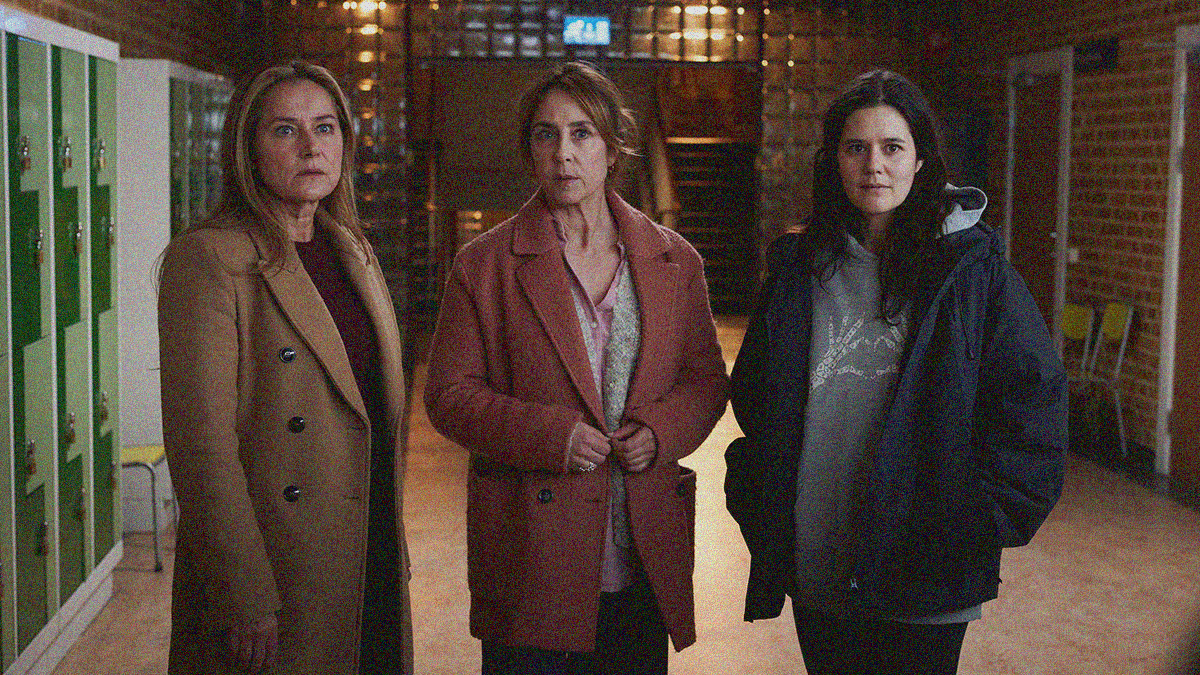
While an incident between three boys sparks the drama that unravels during Amalie Næsby Fick’s What Lies Between Us, the story actually centers on the actions of their mothers. Anso’s (Sidse Babett Knudsen) demanding “tiger mom” who wants the best for her Frederik (Viktor Garrison) without realizing the pressure she places upon him. Sarah’s (Sofie Gråbøl) compassionate protector who sees that Oskar (August Mjelva-Aaen) is struggling to keep friends. And Ulrikke’s (Asta Kamma August) young newcomer.
The latter’s son NC (Julian Brix) enters the picture as the de facto disruptor. We meet him on the tennis court with Anso wondering if Frederik has been usurped as best player in his age group at the club—one more thing for the boy to worry about as far as disappointing the family pedigree. No one really knows NC’s story and Anso and Sarah are quick to speculate on Ulrikke having him as a teen while the two drink wine outside a school function.
So, we’re talking about a messy group of individuals prone to gossip from the beginning. Two old friends and a stranger hoping for a fresh start. And since the quickest way to do so is by getting the kids to bond, they look the other way when Frederik says he and NC (who is obviously hiding a bottle of booze under his shirt) are heading to the skate park post party. They agree to let them as long as they take Oskar too. Maybe it can be a fresh start for everyone.
Based on Anne Mette Kirk’s novel, Fick and screenwriters Sara Isabella Jønsson Vedde and Nikolaj Arcel do well to reveal what happened that night through the kids’ actions the next day. Frederik seems embarrassed and hungover at the breakfast table. NC doesn’t look like this morning is different from any other. And Oskar freezes in terror when his teacher tells his sixth-grade homeroom that they will be sharing their free period with the seventh graders—where the other two reside.
That’s when the three women all receive their respective phone calls from the school. And if we didn’t already know which kid was whose, there’s no mistaking it by their reactions. Anso assumes Frederik got in trouble. Sarah worries Oskar was hurt. And Ulrikke strolls in like it’s a PTA meeting. You’ll never see a principal so over-his-head than Thomas Hwan’s Kaufmann when the psychologist (Sara Fanta Traore) realizes he didn’t prepare any of these mothers for the reveal: suspected sexual abuse.
A psychological thriller unfolds as the characters try to piece together what happened alongside us. The difference, though, is that we want to discover the truth. They seek to confirm what they desperately need to be true. It will be a test of their morality and trust insofar as taking their kid’s side regardless of the evidence. How far will they go to achieve their desired outcome even if it means another’s unjustified pain? Could they ruin an innocent boy’s life to save their own?
What Lies Between Us gets pretty intense as the first individual act creates a snowball effect of impulsive decisions that seek to put this case into the court of public opinion. Frederick is a good boy. Oskar might be on the spectrum. NC has a history of violence. Push the easy narrative and hope it aligns with the truth so the guilt of having done so doesn’t become too much to bear. The rub, of course, is that all this effort is about looking out for themselves rather than their children.
Because the professionals are correct. Punishment is necessary to ensure these boys know this heinous act is wrong and their perceived immortality a ruse. Anso and Ulrikke should pull their sons from school to keep Oskar safe but don’t. They should pull them from a tennis tournament to show the community they take the accusation seriously but don’t. You almost can’t blame Sarah for outing their names since it’s the only way to push them to appreciate the stakes. It also pushes them farther into their corner.
The performances are therefore key to the whole whether the women flirting with their own damnation through complicity after the fact or the young men juggling some very heavy subject matter with an impressive authenticity. Knudsen and Gråbøl excel with the two meatiest roles, but the entire cast is fantastic right down to the absentee fathers who are present (Frederick’s) and absent (Oskar’s). Even smaller parts like the boys’ tennis coach (Lasse Steen) are crucial to the puzzle.
This is true about the act itself too, so don’t worry that Fick will avoid revealing what happened and everyone’s actions within. Our intrigue is only increased once we learn it because we can only discover evidence if one or more characters do too. How they react will have you sitting up straight because of the resulting mix of disgust and a willingness to look past it to “solve” the issue in ways that only make it worse. By trying to ignore one tragedy, they inevitably create more.
And everything can be traced back to familiar causes. Oppressive parenting. Lax parenting. Risk of divorce. Developmental issues. Alcohol abuse. Toxic masculinity. A culture that conflates telling the truth with being a rat. I use the word “causes” intentionally because Fick isn’t interested in using them as excuses. She’s not passing judgment on their actions. She’s merely giving them life for us to decide ourselves. In the end, the deed is already done. How it’s handled next can be the difference between life and death.
8/10
Your Mother Your Mother Your Mother

SPECIAL PRESENTATIONS
World Premiere | September 12 | United States of America | English
_____
"The humor is what hooked me. That said, however, this remains an emotionally impactful film. It’s a quest that sees this father realize he was worried about the wrong fight."
Full thoughts at The Film Stage

Pulled from the archives at cinematicfbombs.com.
Stories We Tell screened on September 7, 2012 at TIFF.