Week Ending 10/16/26
Jack "Gordie Howe" Quinn

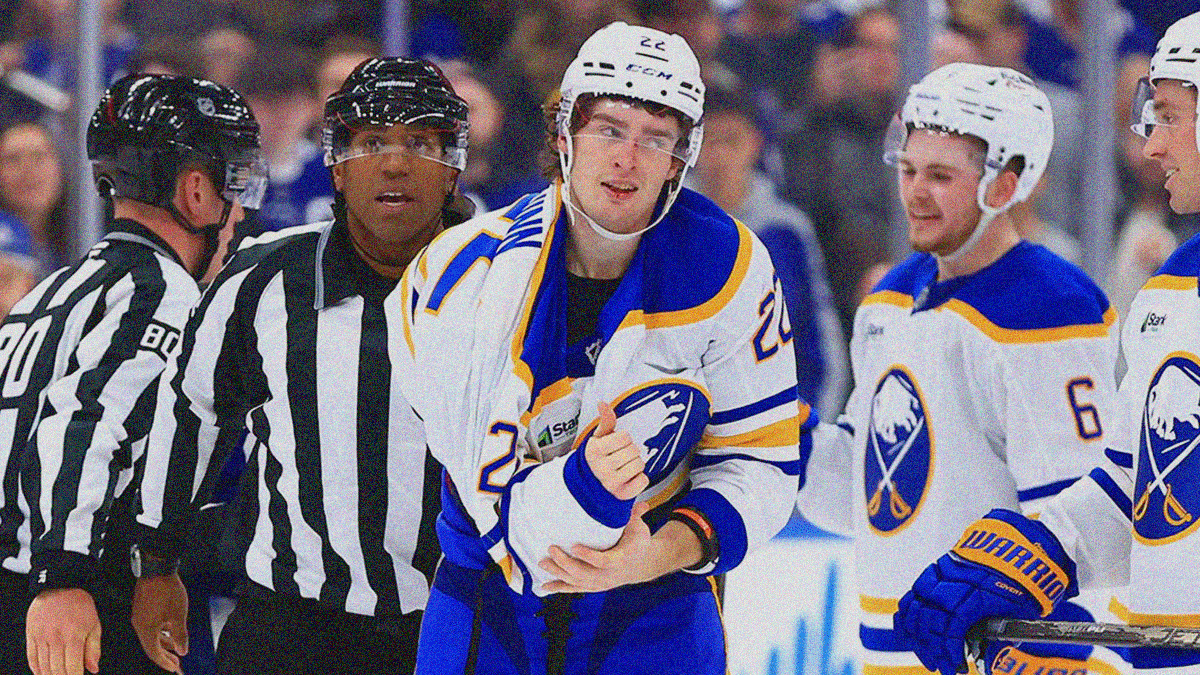
I'm not sure how long the Buffalo Sabres can keep playing Muhammad Ali-style rope-a-dope with success, but it's made for some fantastic third periods and overtimes of late. Sure, it's led to some boring first periods and absolutely awful seconds, but that's all part of the plan. Tire the opponents out for forty minutes and then remember you're a good team again.
I don't think the wildly high percentage of defensemen scoring on the team can be sustained either, but the 39% going into the game definitely went up even higher considering Dennis Gilbert, Mattias Samuelsson, and Owen Power scored three of the Sabres' five goals. The other two? Jack Quinn.
His production is the one thing I think will keep going. The guy is flying out there and has been since Game One. He hadn't scored in a bit, but not for lack of trying. The games where his hands keep up with his feet have been electric, and who would have predicted he'd ever complete a Gordie Howe hat trick in his career (let alone with two goals and two assists)? Surely not him ... even though he had fought once before against Nicolas Aube-Kubel on February 26, 2023.
At the end of the day, however, this game will be best known for the moment this kid snapping his sign in half became The Joker.
What I Watched
Crystal Lake
Season One
STREAMING ON PEACOCK
_____
As someone who never held any affinity for the Friday the 13th franchise, I also never realized how up in the air and disjointed its mythology was. Between the series' origins starting as a planned horror anthology wherein the story of Jason and Pamela Voorhees was but one campfire yarn to fade into the ether to the former's trademarked goalie mask not being introduced until the third film, it was all being built in real-time with no true solid basis beyond slasher kills.
It wasn't until the sixth entry, Jason Lives, that the character was given the sort of supernatural strength and invulnerability I had presumed was part of his lore from the beginning, so a prequel like "Crystal Lake" actually begins to feel like more of a necessity than a cash grab seventeen years after a critically derided yet profitable cinematic reboot. Why not go backwards and finally give Jason the concrete back story that so many changing hands and false starts didn't?
Was that the original plan before Bryan Fuller and Kevin Williamson were let go after the 2023 Writers Strike? Considering it's been reported that A24 wanted to go in a "different direction," you could assume no (although Fuller's unique sensibilities might have simply given the studio pause aesthetically rather than thematically). It is what new showrunner Brad Caleb Kane chose to do, however. A lot of homage and some recreation with some brand-new exposition.
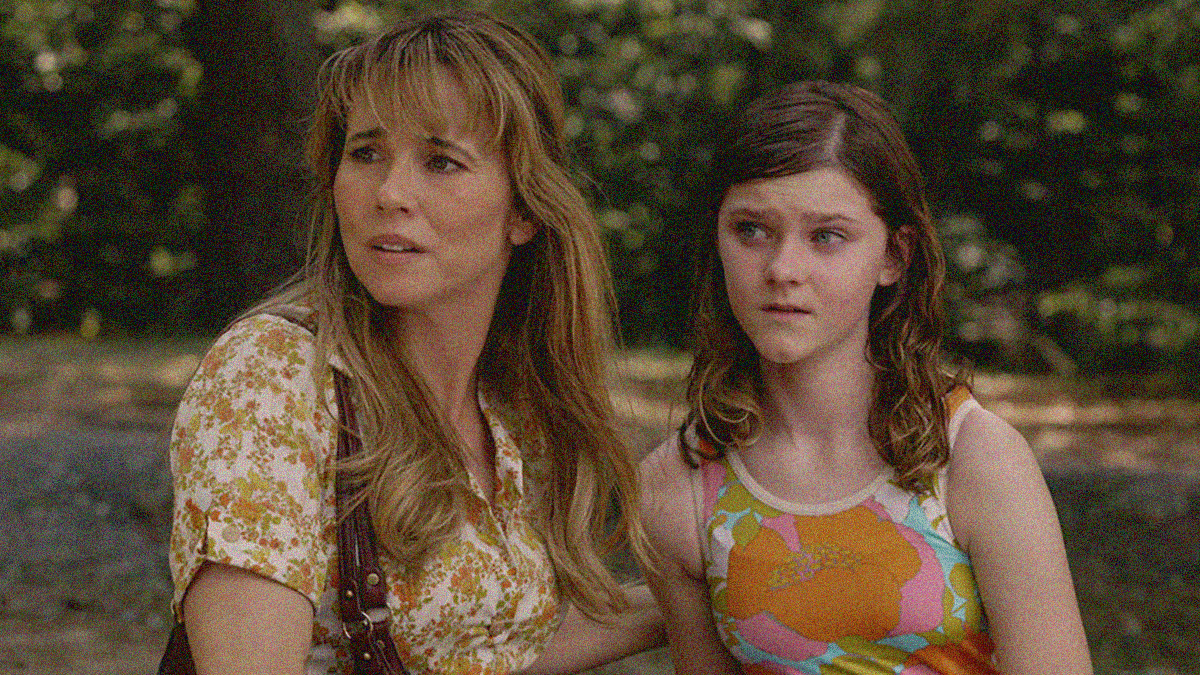
It starts with Pam (Linda Cardellini), the small town of Crystal Lake's quiet school cook who works summers preparing meals at the Christie family's camp. A woman everyone knows because everyone knows everyone, but also because you cannot ignore her physically deformed son Jason (Callum Vinson). Whether the constant bullying by classmates or adult sentiments from the likes of Daniel Stewart Sherman's Enos ("hard to look at, but sweet"), they're unforgettable.
The question then becomes how to weave the narrative touchstones (Jason drowning in the lake as a boy, Pam getting her revenge on the two counselors that were supposed to be watching him, and Jason's later formidable physique) together in one cohesive whole while introducing fresh characters like chief of police Levon Brooks (William Catlett), his reporter sister Brianna (Devin Kessler), and locals like Rita (Joy Suprano) and Dorf (Cameron Scoggins).
I must give Kane credit for finding an effective (if familiar) formula to do so—one I won't spoil here. Just know that he isn't hiding his revisionist strings until a last episode reveal. He's introducing it in the first episode to make sure Pam's grief is met with an external threat that drives our intrigue forward beyond her inevitable descent into Norman Bates territory. So, while you might assume you know why she's covered in blood at the start, you are probably wrong.
I've only ever seen the first two films and Freddy vs. Jason (I have conversely always been a huge Nightmare on Elm Street fan), so I can't speak to whether the show does justice to the fans (the callbacks via episode names like "Part 2", "Part III", and "A New Beginning" show the fan service is on point). What I can say, however, is that the kills are gruesomely memorable in their splatter gore with some great cadaver work. That's most of the allure anyway, right?
The highlight for me comes in episode five's "The New Blood" wherein directors Celine Held and Logan George meticulously re-stage the cold open to Friday the 13th. It's quite the feat with every detail from dialogue to camera position giving us a wonderfully nostalgic sense of déjà vu before a couple new wrinkles are added to keep us on our toes. The more familiar something looks, the higher the chance that you're going to find yourself surprised.
Add other subplots of alienation via Jason's best friend Grace (Gwendolyn Sundstrom), the genre's sex-crazed teens trope (Danielle Kotch's Claudette and Phoenix Parnevik's Barry), a bit of political paranoia via a group of hippies (led by Manon Gage, Drew Scheid, and Lark White), and everyone's favorite crackpot Ralph (Nick Cordileone) trying to warn of the evil in the forest and there's plenty of meat on the bone to sustain a year's time in eight episodes.
My biggest caveat lies with the penultimate chapter "Friday ..." and its common use of a flashback to answer some of the mysteries needed before the climactic finale unfolds. It has nothing to do with the device or the content, though. My issue lies with its aesthetic choices. I don't know if it's the product of a green screen or a camera trick, but the deep focus a la Speed Racer is not great. I get approximating the uncanniness of memory, but it's nausea-inducing.
"Crystal Lake" is pretty solid otherwise. It's funnier than I expected (helped by Scoggins' Dorf and a nice troop of recurring yokels) and bloody enough to wonder why they didn't go full farce. The new history ascribed to the Voorhees duo works and Cardellini and Catlett lend enough gravitas to keep the carnage grounded in an authentic lived-in experience. There are a few loose ends left for a future season to tie too since there's plenty of room before Pam's fate is sealed.
7/10
Coyote vs. Acme
VOD/DIGITAL HD
_____
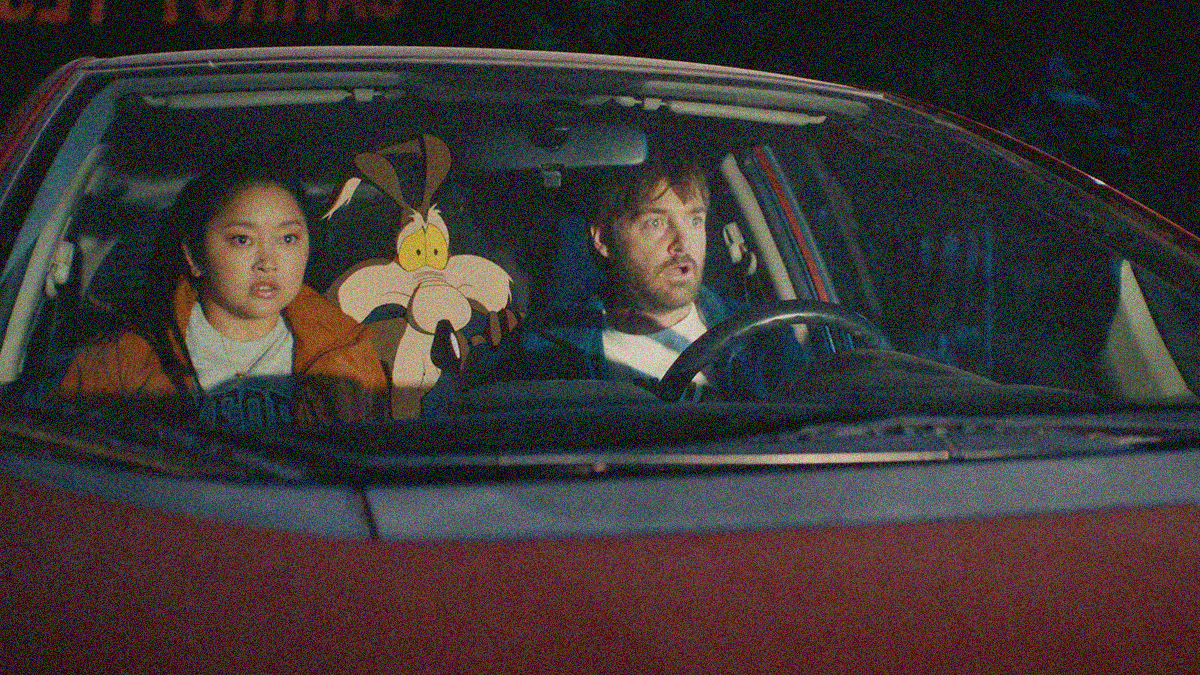
An indefatigable cartoon character who takes a licking and keeps on ticking no matter how futile his goal hires an only-does-the-bare-minimum lawyer that rejects the very idea of ambition to never risk even the tiniest of failures to battle a global corporation that's more or less infiltrated every facet of the public's life to the point where everyone considers them a friend incapable of the horrific cost they willfully ignore to enjoy the comfort those products afford.
Why in the world would a man like David Zaslav, presiding over the shareholder-owned company that just purchased a legacy Hollywood studio to milk its IP rather than create art (before later selling it to another, earning an astronomical personal windfall in the process), want to shelf that story instead of letting its Looney Tunes cast teach future generations to be skeptical of the motives of capitalistic parasites pretending to have their best interests in mind?
Wear that "©2023" in the end credits despite releasing in 2026 like a badge of honor, Coyote vs. Acme. You've earned it by rallying a pro-human art collective to vociferously force Warner Bros. to sell the already finished film to Ketchup Entertainment, and for understanding the appeal of these iconic characters by leaning into the absurd comedy we love while also injecting some jokes at their expense to acknowledge the property's historical shortcomings.
Director Dave Green and writer Samy Burch truly capture the same spirit of magic those my age experienced with Who Framed Roger Rabbit? while a Will Forte and John Cena-led cast reminds us how you can have fun while remaining emotionally authentic. It's an ingenious expansion upon the concept Ian Frazier began in 1990 with his satirical case briefing that speaks to consent, whistleblowing, executive corruption, and moral courage.
It also just a wonderful parable about not giving up. That you shouldn't confuse passion with success. That the fight to do what makes you happy and fulfilled isn't defined by its victory or failure. That you should allow yourself to be driven by hope rather than discouraged by fear. Thankless or not, we each endure our Sisyphean struggles because we know how good it will feel when we finally push that boulder over the hill. So, never stop trying. You can do it.
8/10
Friday the 13th: Part 2
STREAMING ON PARAMOUNT+
_____
While I wasn't surprised to learn the series did retroactively move from a Psycho homage to a Halloween slasher retread after abandoning their original anthology idea once audience response demanded a direct sequel, I definitely didn't expect it to go the Evil Dead route by becoming a soft reboot.
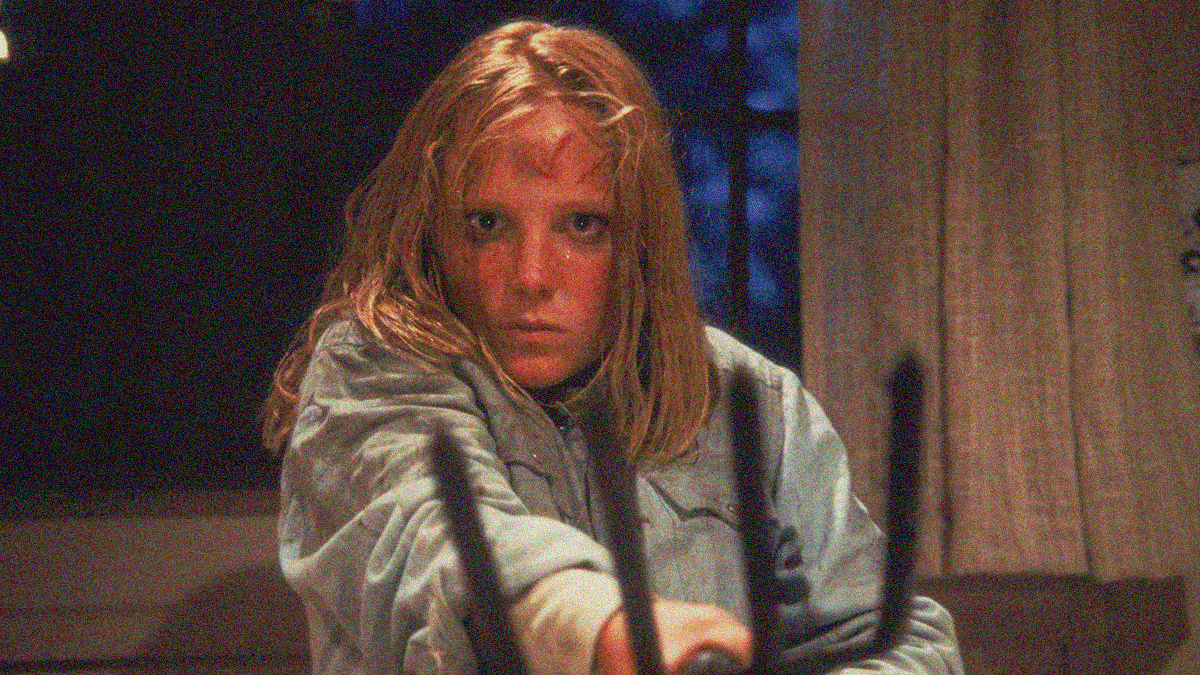
Yes, that Sam Raimi comparison loses merit considering Friday the 13th: Part 2 isn't a comedy, but it was kind of funny watching them turn Alice's dream into a reality. That not finding "Jason" becomes never finding the real Jason. Add talk that Alice did in fact fall in the water and Steve Miner and Ron Kurz are consciously blurring the line between what we knew and what they've deemed to be canon instead.
Like its predecessor, the lack of story and subpar acting make this a bit of a slog. The kills and first-person camera work do elevate things, though. I still can't get over the continued lack of Jason's iconic goalie mask, but the machete is in full force here. And that coincidental glimpse of a broken hockey stick in the shack had me pointing at the screen despite being alone in the room.
I can't, however, excuse that atrocious ending. In an attempt to mimic the surrealistic final shot of the first film—the one this sequel undercuts by existing, we find ourselves wondering if we had a stroke. Do they explain that wild jump cut in Part III? Were they going to if Amy Steel returned? Will I ever watch it to find out?
6/10
If I Go Will They Miss Me
IN THEATERS (LIMITED)
_____
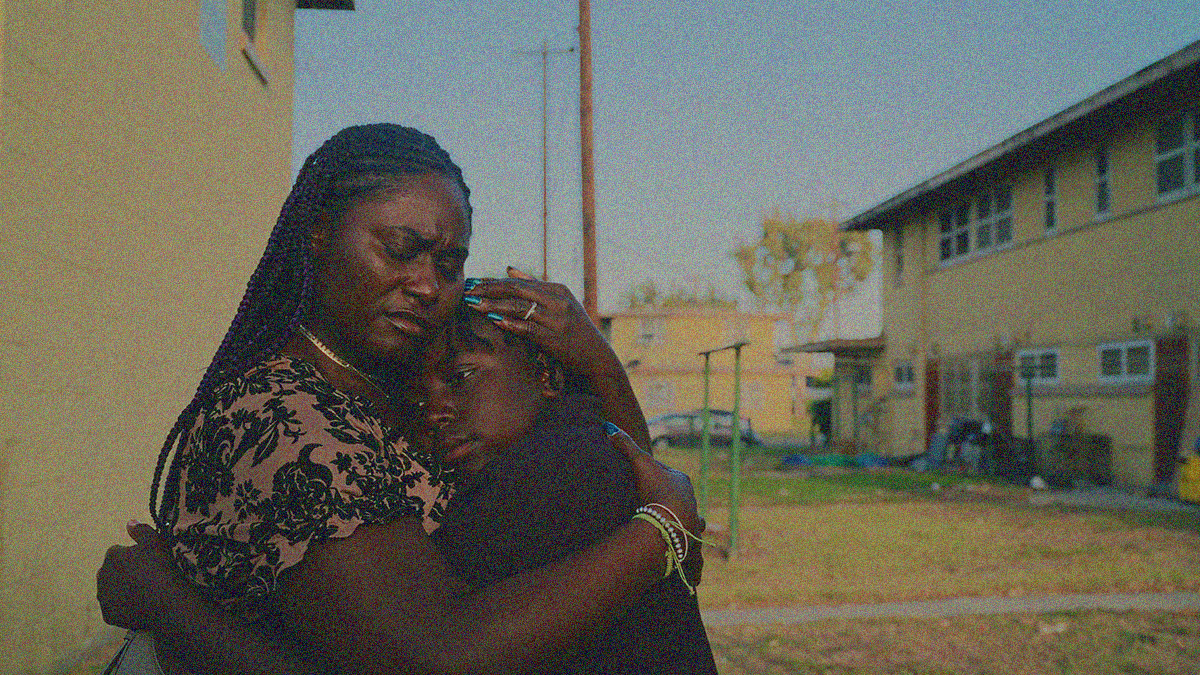
Writer/director Walter Thompson-Hernandez taps into the fear we have that our children will inevitably suffer the same mistakes and hardships we faced rather than believing lessons can be learned from them to break the cycle. Big Ant (J. Alphonse Nicholson) returns home from his latest stint in prison to find his son (Bodhi Dell's Lil Ant) at the age he was when things turned and his innocence was lost. Instead of getting closer to protect him, he pulls further away.
It's a complex subject touching upon generational trauma and the notion that we don't deserve to be redeemed. You see it in the way Big Ant rejects his son's view of him as a heroic God. The fact itself doesn't anger him as much as it makes him afraid Lil Ant is lionizing his actions rather than presence. The last thing he wants is his child to follow in his footsteps. What he doesn't realize, however, is that his refusal to be there to stop him is what might seal that fate.
The camerawork, editing, and score all lend this father-son dynamic a lyrical quality that blurs the line between reality and mythology until the price paid for Big Ant's own insecurities and self-loathing threatens to sever Lil Ant's joyous fantasies with a swiftly violent smack. It's a beautifully heartfelt experience that never sacrifices the authenticity of the struggle inherent to thinking we must sometimes protect our kids (literally or figuratively) from ourselves.
Add a wonderful supporting turn from Danielle Brooks as Lil Ant's mom Lozita and a mirror for Big Ant to see what's possible via best friend JJ (Myles Bullock) and Thompson-Hernandez leans into difficult truths that augment how fragile our lives prove. He also highlights the crucial role interpretation plays in understanding the world. Where Big Ant sees a vision of boys flying as portent, Lil Ant sees the freedom of possibility. (Don't let Weapons ruin the metaphor.)
The boy craves being able to share that potential while the father retreats or, worse, becomes self-destructive in a desperate bid to erase it—and perhaps himself—from existence. That's what's happening. Big Ant loves his son so much that he's removing himself from the equation through intentional absence and actions that force his family to want to leave him behind. He sees their happiness as a product of his absence rather than a gift earned despite it.
8/10
My Omaha
STREAMING ON INDEPENDENT LENS
_____
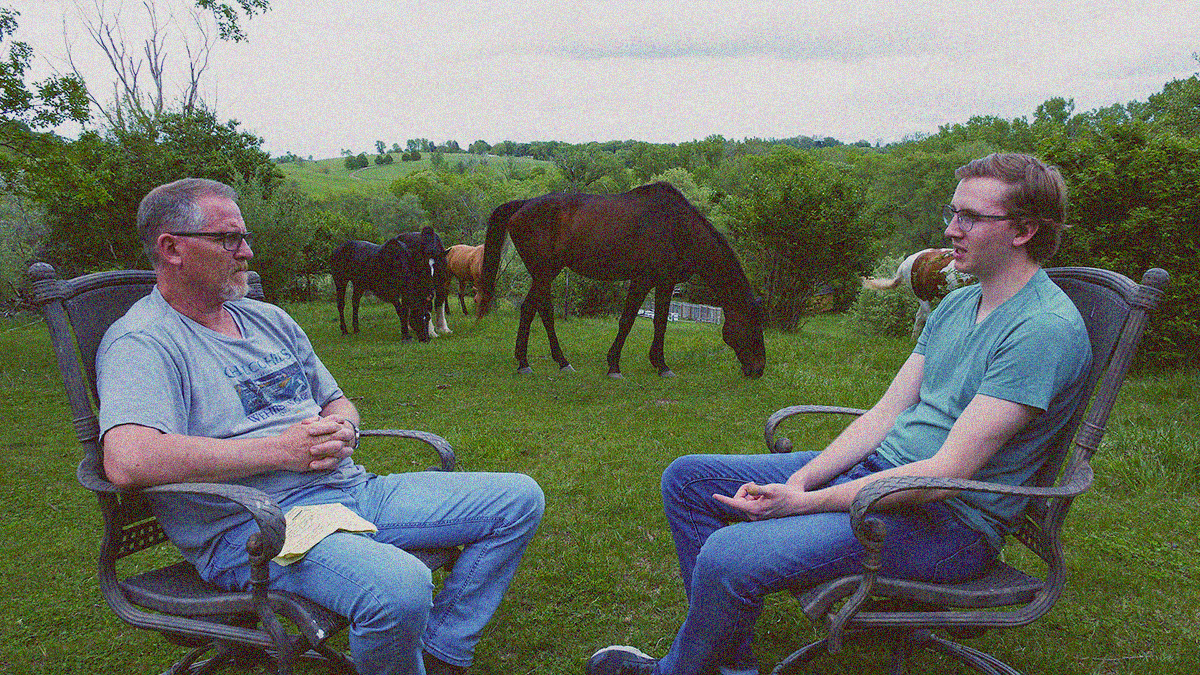
Nick Beaulieu's goal with My Omaha was to capture the sense of his hometown being a "tale of two cities." The one that speaks in large terms about community and safety and the one that proves to be the deadliest place for its Black population in America. The reason for this divide is obvious: segregation. The political arm spouting off about the former does so from a position of white privilege. The world of the latter exists precisely because of the former.
That's the answer. That's what Nick discovers about that topic. Sure, it's exactly what drove him to tackle the subject in the first place, but that doesn't mean the journey isn't worthwhile. What it means is that the film doesn't end up being about Omaha. It becomes about him. How he engages with his city. How he takes it upon himself to recognize that he sees it through the eyes of white privilege and empathize with the fact his Black neighbors can't. How he hopes for better.
Nick explains his moment of "radicalization" away from the very Christian conservative republican filter he grew up under courtesy of his father Randy was the documentary A Time for Burning directed by Bill Jersey and Barbara Connell. It exposed him to the reality that solving racism isn't the responsibility of those being persecuted. It's up to people like Nick to educate the oppressors and reveal the strings guiding them to commit such atrocities.
So, between that movie, a series of meetings about the concept at a local Methodist church, and one of Nick's own subjects, Malcolm X Center lead organizer Leo Louis II, the filmmaker decides to try and put this duty into practice. Because one of those minds in need of this exact education is Randy—the epitome of the hypocrisy inherent to every Trump supporter who still calls themselves a practicing Christian.
The result is a fascinating look at what it means to have the type of "shared experience" Leo believes is crucial to creating any meaningful change. Are answers to Omaha's systemic racism found? On the contrary, we actually see how that hate remains alive and thriving during the course of the film. Does Nick reach his father in a way that deprograms him from the propaganda he has allowed to rule his life rather than acknowledge his privilege? That's a no too.
Don't go in expecting an education or proof that a "colorblind" world is on the horizon for anyone alive today to experience themselves sometime in the future. This is an essay film about a young man desperate to connect with a father who (in not so many words) began to resent him for making him feel he was a bad parent because he couldn't open his eyes to "the truth." The message is then less about understanding than acceptance.
I won't lie. It's a tricky revelation. One I've learned to live with myself having a staunchly tribalistic republican father (albeit without the religious aspect that makes Nick's situation a lot messier). Sure, I poke back when he parrots asinine talking points from Fox News, but we mostly steer clear of politics altogether to maintain some semblance of decorum. And that's ultimately where Nick and Randy end up too. Unfortunately, choosing to ignore it is also about privilege.
The success of My Omaha isn't therefore the result of its tough conversations, but that they are being had at all. So, I do find the ending less an epiphany than a feature of the central issue. This idea that Randy, despite all his heinous verbiage online and refusal to admit we don't all come to the "American Dream" from equal starting spots, is still a good man who helped someone in need actually makes it worse by showing he willfully chooses not to do so with others.
It reveals the very real disconnect between how someone acts with people they personally know and how they act with everyone else. It comes back to one interviewee's blunt sentiments to the effect of: How is the Black part of town worse than the white part when the former welcomed Nick with open arms and latter reaches for a phone to call the cops when he steps foot in it? Nick vs. Randy isn't the same as West Omaha vs. North.
While this makes the connection flimsy insofar as holding the film's parallel narrative arcs together, however, it does show that progress being slow is better than progress that never begins. That Randy agrees to be filmed and have these tough conversations (even if they gradually thaw after his cancer diagnosis) is a victory. It doesn't change his views, but the act itself rehumanizes Nick in his eyes from "liberal demon" to "confused son." It creates a bridge.
The propaganda disseminated by Fox News and Twitter, etc. is most effective on those for whom its topics exist outside their vantage. Nick chose to meet the people he's been told to fear and discovered they weren't scary. Ghost felt Randy's compassion because he entered into Randy's space. We need the Randys of the world to stop watching editorialists with a fiduciary stake in hate and meet new people who don't look like them. It's the only way to see through the lies.
7/10
Once Upon a Time in Harlem
IN THEATERS (LIMITED)
_____
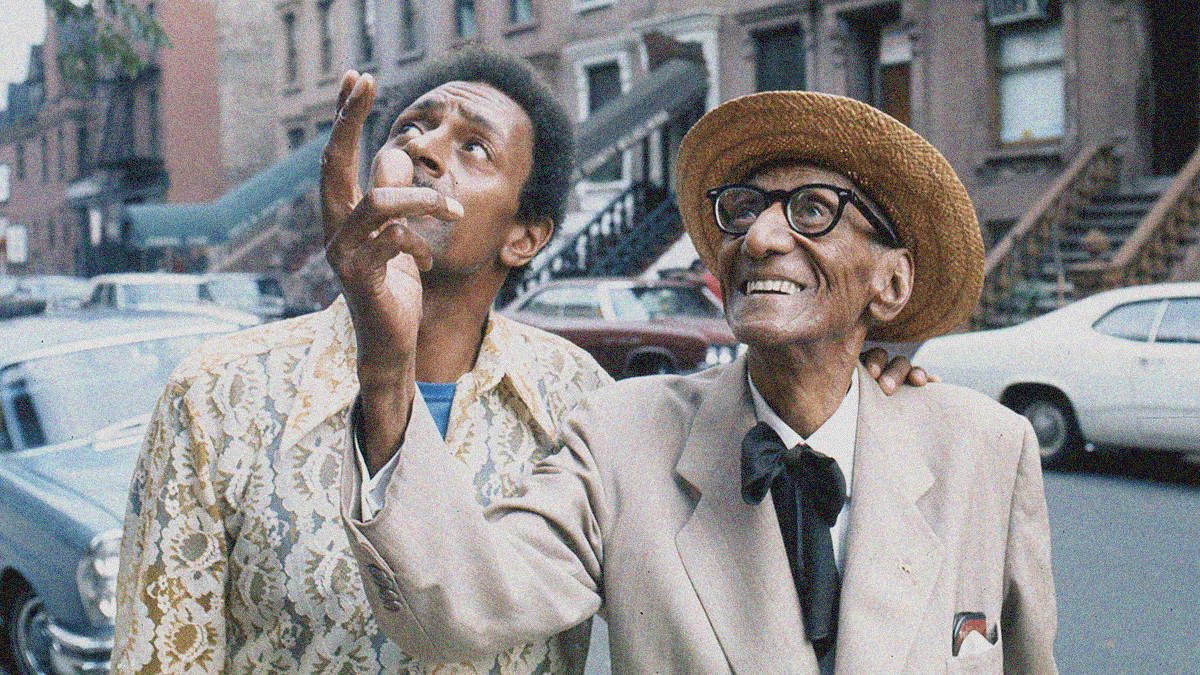
A scene towards the end of Once Upon a Time in Harlem sees Ida Mae Cooper, widow of poet Countee Cullen (who earlier chastised this collection of Harlem Renaissance figures at Duke Ellington's home in 1972 for not mentioning his name yet), stands to thank William Greaves for collecting them to document their memories and insight on a crucial moment of Black American history. I wonder whether Greaves would have kept it in had he finished the film.
That wry uncertainty is this project's most significant moment for me because it exposes the fact that, despite orchestrating the event and conceiving its purpose, this result isn't exactly what William sought to accomplish. While not in a literal sense, however, it does in an artistically thematic one since that scene actually epitomize his goal ... just a generation later. Its inclusion is David Greaves placing his father's legacy onto the same pedestal he had placed his guests.
Since they (Aaron Douglas, Arna Bontemps, Richard Bruce Nugent, George Schuyler, Noble Sissle, Leigh Whipper, John Henrik Clarke, Nathan Huggins, Ted Poston, Regina Andrews, Jean Blackwell Hutson, James Van Der Zee, and others) speak about hindsight, "now" sight, and foresight, it makes sense to draw that line further forty years removed from filming and ten from William's death. Because David was there too. In his eyes, his dad was always one of them.
So, we're watching through multiple filters. The first-person accounts recorded. William's coaxing both when the group is seated by a fireplace and when he gets them on camera individually in a side room. And David's fresh perspective on the whole that's as dependent on his own thoughts as the notes his father left behind and his stepmother Louise's dedication to seeing her husband's "most important film" completed. It's as much an education as a labor of love.
Who better to discuss the 1920s in Harlem than the ones who lived, worked, and embodied it? It's an absolute joy to listen as they reminiscence about each other and those no longer alive. It's fun to see a few of them speak about others in the room by name as though they aren't there. And how can you not savor the very animated expressions of Douglas, Cooper, and Nugent when something is said that strikes a chord? The latter can't help interrupting everyone too.
They talk about their personal origins (Whipper is ninety-six and still reciting monologues and poems from memory with the gravitas only an actor of his stature could), the movement, the art, and the politics. For every anecdotal tale comes an exploration of process (Douglas coming into his African-inspired art style). Every "attack" is met with a passionate rebuttal. And nothing gets them all going more than the topic of Marcus Mosiah Garvey.
Shot on 16mm via multiple cameras that surely captured hours of footage between all the rooms of Ellington's home despite unfolding in one afternoon, I would have been just as engrossed at triple the runtime. I think Greaves' decision to leave in quick glimpses of the filmmakers working (clapping hands to sync sound or testing microphones) helps because it reminds us how candidly unscripted everything is. This isn't a lecture. It's a literal party.
So, we float through the space courtesy of Greaves' camera choices (sometimes paired in a split screen to show real-time responses or to crosscut between the full group and a solo session when pertinent information on a topic is split). It's like we're inside a Robert Altman film wherein everyone must be on at all times because no one knows where the focus might pull next. Add inserts of archival photos, artwork, and poetry reads and it's impossible to disengage.
Especially because their views are not all the same. Nugent agreeing with someone on their larger point but not their specific one or an argument about the usage of "Negro," Black, or Afro-American as adjectives when artist will suffice. Some are modest to a fault. Some show pride in their talents. Some refuse to apologize for their greatness. And all of them are putting crucial context on film to ensure no one gets their trauma, motives, or achievements wrong.
9/10
Tenzing
STREAMING ON APPLE TV
_____
The Lukla Airport in Nepal is also known as Tenzing-Hillary after the first two human beings to reach the summit of Chamolangma, also known as Mount Everest. And while it would be easy to commemorate the occasion with a film about Ed Hillary's New Zealand beekeeper, Jennifer Peedom, director of docs Sherpa and Mountain, chose to tell the tale from Tenzing Norgay's perspective instead. A boy's dream come true against all odds.
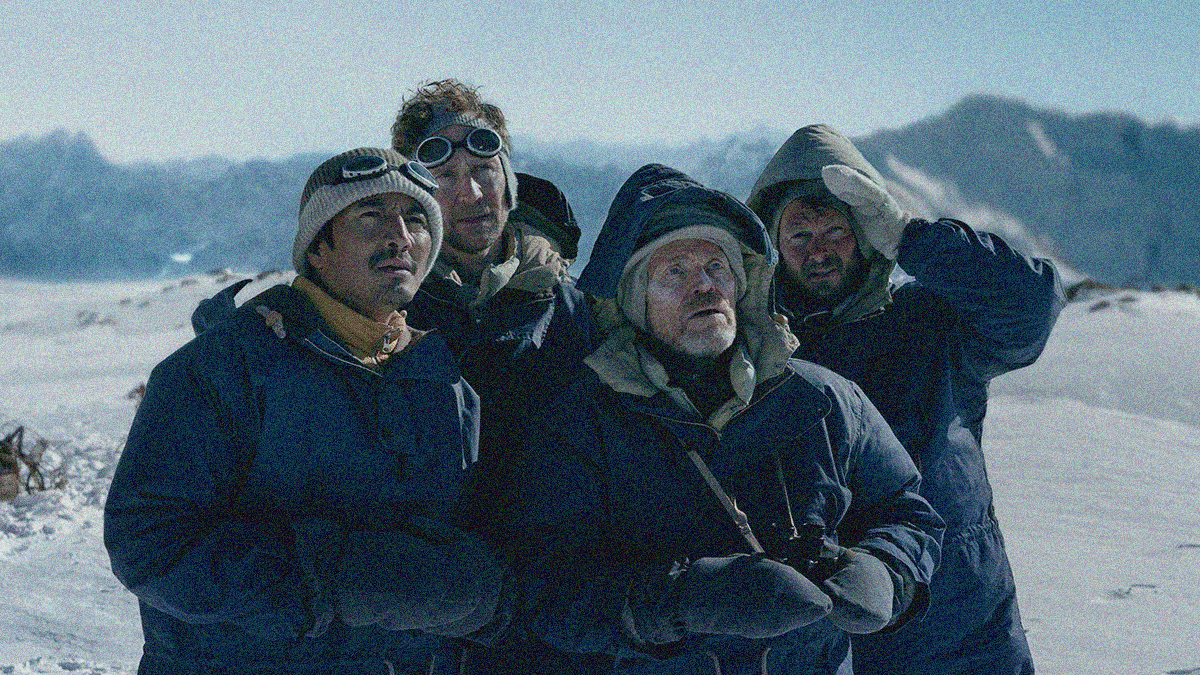
Tenzing proves a wonderfully fleshed out and resonant biopic that uses the expedition led by British Colonel John Hunt (Willem Dafoe) as a through line to flashbacks of Tenzing's (Genden Phuntsok) unwavering tenacity. A Sherpa by occupation rather than ethnicity, we discover he was underestimated and othered his entire life. By the community that raised him. The foreigners seeking to conquer the mountain. The men who demanded his expertise.
It's as much an inspirational experience as a religious one considering writer Luke Davies ensures the subject's motives remain pure throughout (Tenzing's son Norbu has served as a producer since before a script was finished). It also centers the Sherpa and Tibetan cultures by using their languages and never missing an opportunity to take a shot at colonizers when necessary (perhaps best accomplished, ironically, by Brit Tom Hiddleston's Kiwi Hillary).
With stunning climbing footage, heartfelt moments shared by young adult Tenzing (Tenzin Dalha) and his wife Dawa (Thinley Lhamo), an invigorating structure, and a great supporting cast (including Tenzin Jigmey's Sherpa Pasang and Caitríona Balfe's liaison Jill Henderson) that helps keep the drama and suspense grounded, it's easy to stay invested. Despite differing impulses to scale the peak, this achievement is nicely rooted in a shared hope of wonder.
Any manmade conflict is therefore nothing compared to the risks taken opposite Mother Nature's might. So, it's not a throwaway when Tenzing asks the group to pray in the temple before going. It's not a motivational speech when he reminds Pasang that every failed prior expedition did so despite the Sherpas rather than because of them. It's honestly also just refreshing to see this type of tale from the side of spiritual awakening rather than solely manifest destiny.
8/10
Cinematic F-Bombs
This week saw 47 Meters Down (2017) added to the archive (cinematicfbombs.com).
Unsure why some YouTube links won't embed in ghost.io, but this is one of them. You can click the image to go there.
Movie Listings
Opening Buffalo-area theaters 10/16/26 -
• California Schemin' at Regal Transit
"Ross has the meatier role. It's a tragic roller coaster of emotions. That said, however, don't sleep on Bottomley's performance. Sometimes clarity makes things even worse because he's forced to helplessly watch it all burn." – Full thoughts at HHYS.
• Crawlers at Dipson Flix, Capitol; Scene One Market Arcade; Regal Elmwood, Transit, Galleria, Quaker
• Ken Russell’s The Devils at Regal Quaker
• Flywheel: Ignition of the Soul at Regal Transit, Quaker
• Jailer 2 at Regal Elmwood
• Nayyi Navelli at Regal Elmwood
• Naza at Scene One Market Arcade
• Musk at Regal Transit
• Prahaar: The Untold Story of Ujjwal Nikam at Regal Elmwood
• Ranabaali at Regal Elmwood
• Sense and Sensibility at North Park Theatre; Dipson Amherst, Flix, Capitol; AMC Maple Ridge; Regal Elmwood, Transit, Galleria, Quaker
• Street Fighter at Dipson Flix, Capitol; Scene One Market Arcade; AMC Maple Ridge; Regal Elmwood, Transit, Galleria, Quaker
• Trust Me, I'm a Doctor at Dipson Amherst, Capitol; Regal Elmwood, Quaker
• Whalefall at Dipson Flix, Capitol; AMC Maple Ridge; Regal Elmwood, Transit, Galleria, Quaker
• You Can See Everything at AMC Maple Ridge; Regal Elmwood, Galleria, Quaker
• Your Mother Your Mother Your Mother at Regal Galleria
"The humor is what hooked me. That said, however, this remains an emotionally impactful film. It’s a quest that sees this father realize he was worried about the wrong fight." – Full thoughts at The Film Stage.
Streaming from 10/16/26 -
• The Death of Robin Hood (HBO Max) – 10/16
• The Disciple: A Wu-Tang Fable (Netflix) – 10/16
• Hallowarrior (Shudder) – 10/16
• Hot Spot (Peacock) – 10/16
• Masterplan (Prime) – 10/16
• Night Nurse (AMC+) – 10/16
"It’s not going to be for everyone since it enjoys playing with its viewers’ patience and comprehension, but that’s also the part of this ride that will definitely appeal to the rest." – Full thoughts at HHYS.
• Norm: The Tale of Norm Macdonald (Netflix) – 10/16
• Rose of Nevada (MUBI) – 10/16
• Sacrifice (Netflix) – 10/16
"Because that’s all any of us are. Stories. Our pasts dictate our present, but we are ultimately the ones preserving and/or fabricating the former so that the latter proves as comfortable and successful as possible." – Full thoughts at HHYS.
• Seriously Single Too (Netflix) – 10/16
• Tenzing (Apple TV) – 10/16
Quick thoughts are above.
• Therapy Done Right (Netflix) – 10/16
• Moana [2026] (Disney+) – 10/21
Now on VOD/Digital HD -
• Buddy (10/13)
"The point is to let the terror and uncertainty of those trapped within its hellscape take us on an emotionally resonant journey of survival. Just because we aren’t forced to process its dense mythology now doesn’t mean it hasn’t been teased." – Full thoughts at HHYS.
• Don't Move (10/13)
• The Fix (10/13)
• Hope (10/13)
• Practical Magic 2 (10/13)
• Runner (10/13)
• The Sun Never Sets (10/13)
"Fanning is at her very best. The joy. The rage. The uncertainty. The fear. Her sincere vulnerability is only bested by the courage to finally say enough is enough. Not to them, but to herself." – Full thoughts at HHYS.
• Checkout (10/16)
• Clean Hands (10/16)
• Let's Have Kids! (10/16)
• Sunny Dancer (10/16)
Press Kit Archive
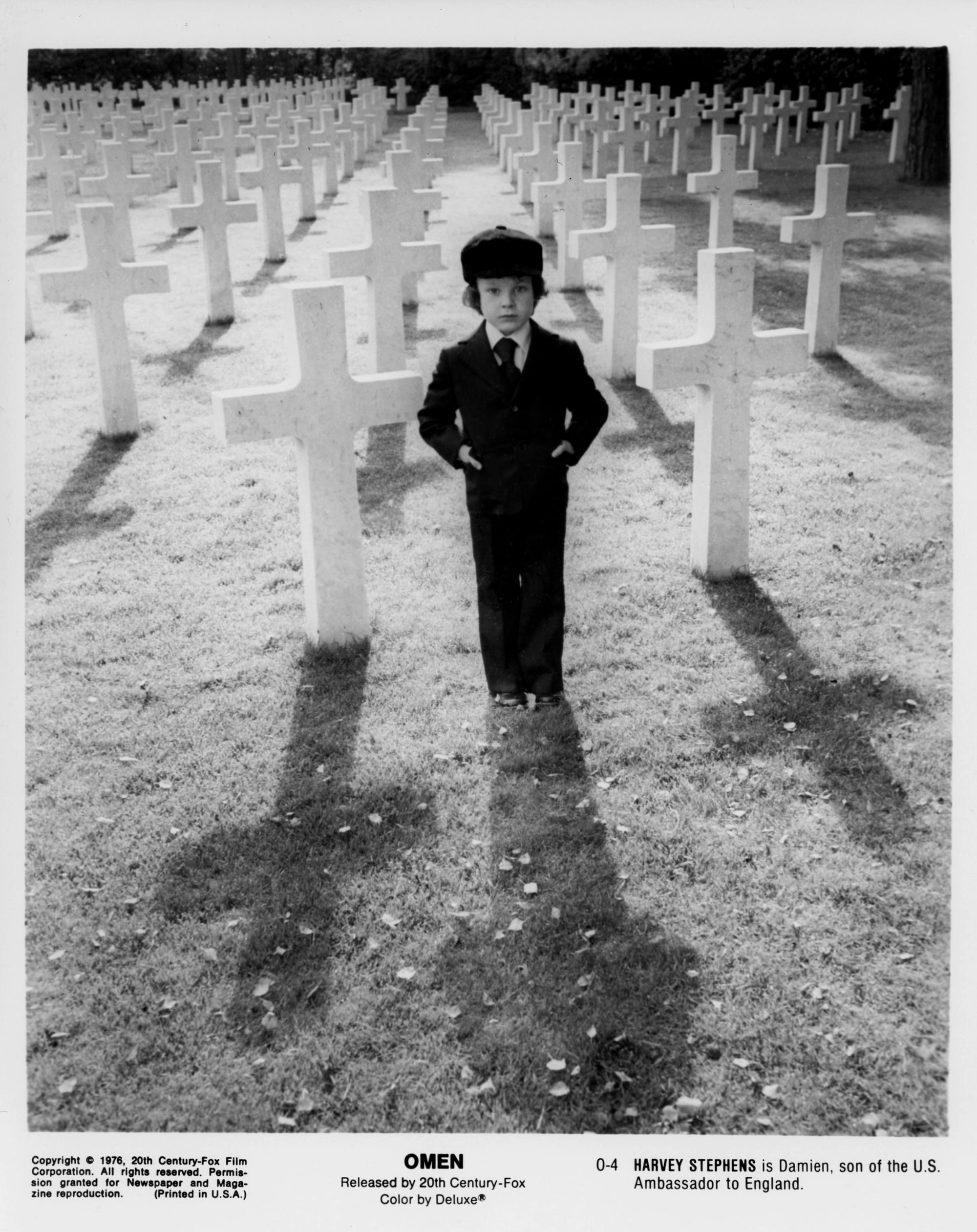
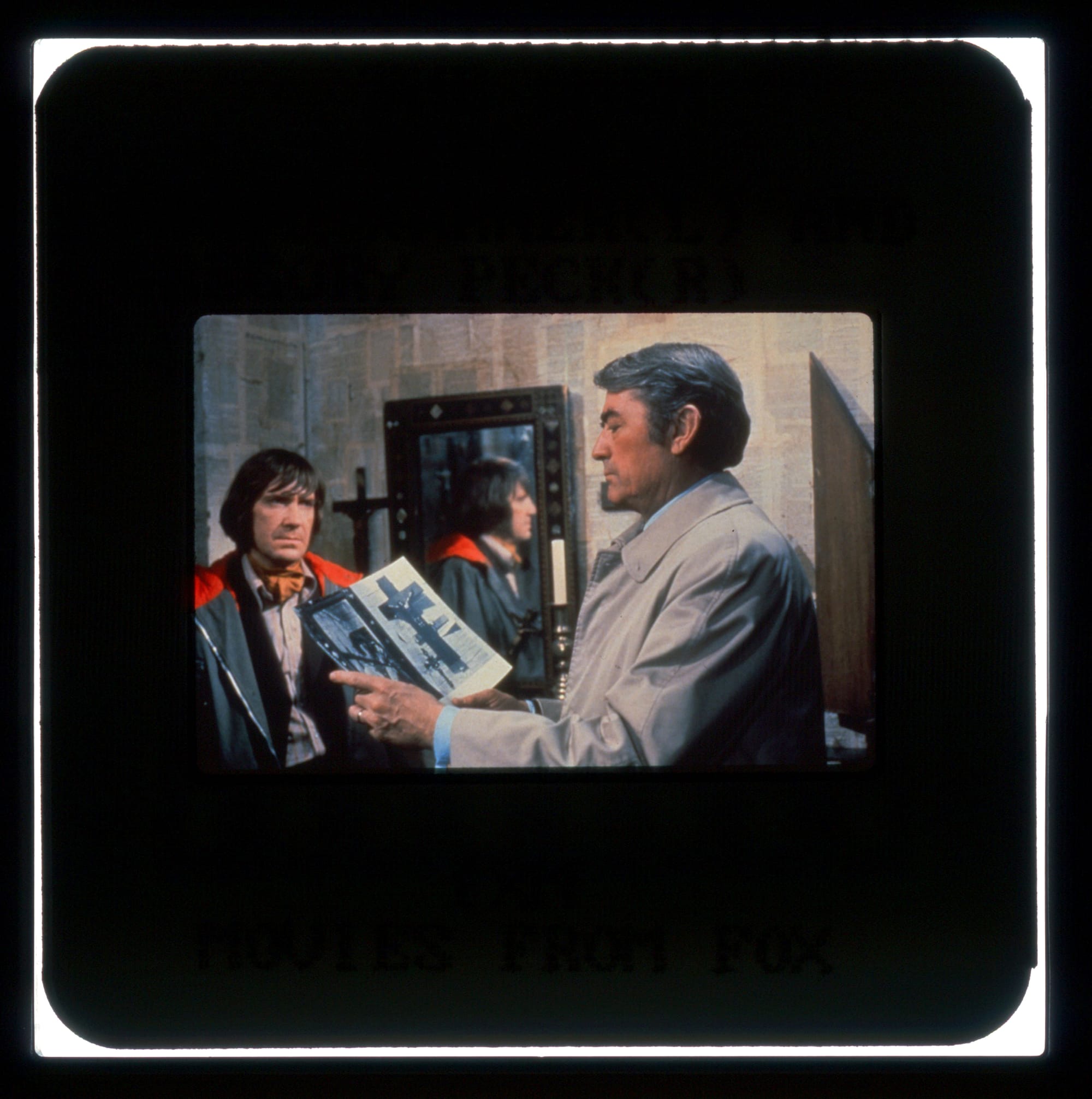
Pieces from the The Omen (1976) press kit.