TIFF 2026: Day Seven
The beat goes on


Yesterday might have been my last full day of TIFF, but this train marches on regardless. Can I guarantee I'll be able to at least watch two films a day moving forward after work? No. But I can still try.
The major shift coming is that watching and reviewing three films with only enough time to eat in-between has made me completely disconnect from the goings on being reported on social media. Now I can better dip in and out online while working to see what's going on.
Like the Ink post screening Q&A abruptly ending after someone asked a question about its AI usage. Or how Zack Snyder's The Last Photograph might be best served by never being released.
That's the content we really want when covering a festival.
Today's schedule:
• Memories of a Forest, d. Katharina Rabl | Discovery | Germany, Austria | German
• The World Before, d. Yoon Dan-bi | Platform | South Korea | Korean

Ba's Book
TIFF DOCS
World Premiere | September 15 | Canada | Vietnamese, English
_____
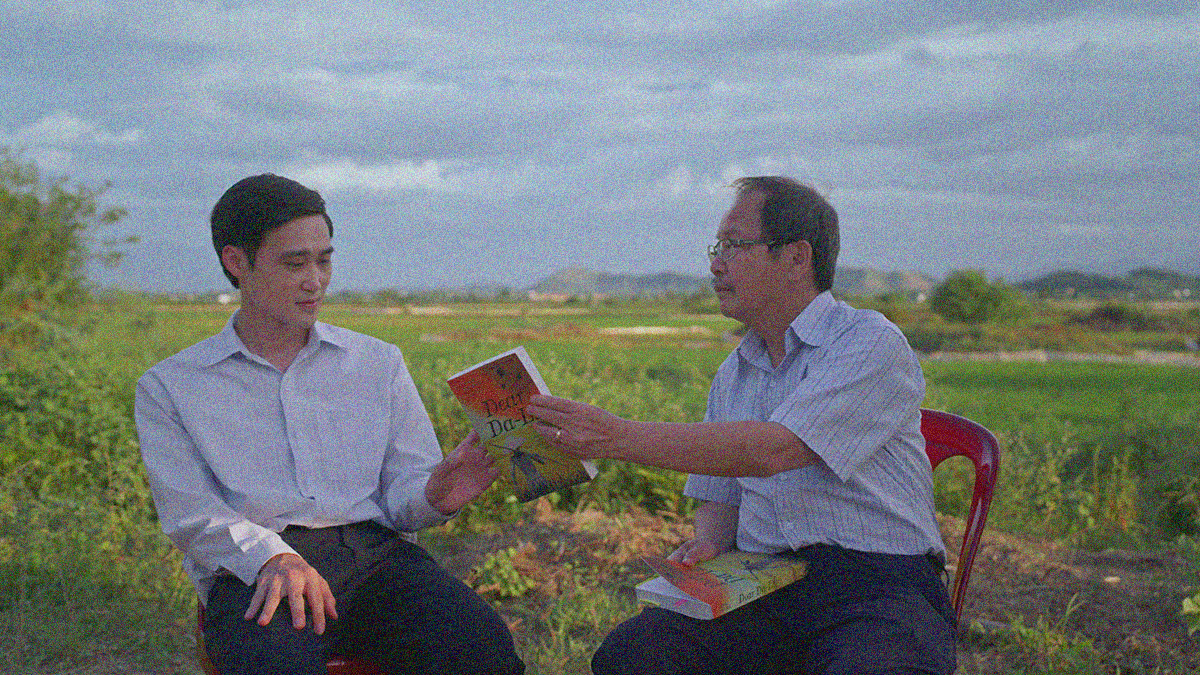
This might be the most "dad" move of all-time. First, Anh Duong—who rarely if ever talked about his time in Vietnam before fleeing to Canada during the war—disapproves of his daughter choosing his homeland for her artist residency to learn about the experience from the family she's never met instead. Then, while she's there, he secretly writes a memoir and emails the manuscript to her to read. The joke is that he needed to be challenged. The truth is much more tragic.
As Ashley Da-Lê Duong discovers from reading what would become Dear Da-Lê (she was named after his village), what her father lived through isn't the sort of thing you can just speak about off the cuff. So, yes, he did need her to go where he and his wife swore they'd never go again before voluntarily going back in his mind. But he also needed the space to process the pain and terror necessary to put it on the page. It was time for Anh to exorcise those demons.
This is a crucial piece to the companion film Ashley has now made with the participation of Anh's mother and siblings back in Da-Lê. Her initial questions to them were generally met with silence or a paltry "I don't remember." Only when she began to reenact moments from her father's book did they begin to open up with their own versions of the scenes. All that information was still locked inside their minds, but it needed a reason to be let out.
Ba's Book is their excuse. This documentary that places them all on camera as "consultants" to help execute fictionalized accounts of their lives via actors (led by Duy Nguyen as Anh) becomes a source of catharsis wherein their desire to help Ashley overpowers their penchant for avoidance. Even so, however, they must be careful not to push too far. Some things must remain hidden when generational PTSD is involved so the healing doesn't become torture.
We receive a fascinating glimpse into the cultural differences between these two worlds as a result. Vietnamese elders who don't see therapy in the same way as Ashley does as a Canadian ... or even as Anh does as part of the diaspora. He says the act of writing the book allowed him to process emotions in a way that makes revisiting it all now an easier prospect than if he was coming in cold like the rest of his family. Without a deft touch, it might all unravel.
The language barrier assists in this since Ashley is able to get advice from her father in English before presenting to the group in Vietnamese. She also shields her grandmother from the more harrowing moments because Anh admits he never told her about some of them. A delicate balance is struck to coax details out naturally rather than through an inquisition. How should this scene unfold? What should be changed? How do you feel after watching it?
It's an impressive bit of on-the-fly research that uses Anh's book as a starting point before bringing in Ba Noi, Aunt Hanh, Uncle Tuan, and Uncle Chuong to better flesh things out. After all, critiques of Anh's work did call the way he wrote about his family impersonal. Even when he finally laid it all out, that wall remained. It took all of them confronting it together—wittingly or not—to let go and feel again after fifty years of repression.
And that's just the stuff the family was involved in. It wasn't until the book that Ashley even knew her father spent years studying engineering in Tehran during the revolution that saw the Shah ousted. He endured an entirely separate nightmare all himself too. Anh's life was so mired in tragedy that he, despite being a non-believer, can't stop himself from wondering if his mother's prayers were answered. While he did survive, though, it wasn't unscathed.
We discover his fractured relationship with Ashley's brother. We learn about the anguish Hanh feels because she was forced to take care of her siblings when Anh left to pursue his education. This war and its violent horrors impacted their lives in ways they weren't fully aware of until now. And once you turn that faucet on, it's not an easy endeavor to turn it back off. Anh kept this door closed so long that Ashley had to fly to Vietnam just to learn something about her heritage.
That's the thing about generational trauma. The pain of one's parents seeps through. Anh thought he could hide it. He thought he did hide it. But now he sees the truth. Now he knows his part in letting that pain fester and spread. Has the Duong family been cured? No. But they have shifted from a road of denial to one of recovery. Because the only way forward is through acknowledgement so the next generation can be better equipped to handle it.
8/10
God Bless You, Mr. Kopu
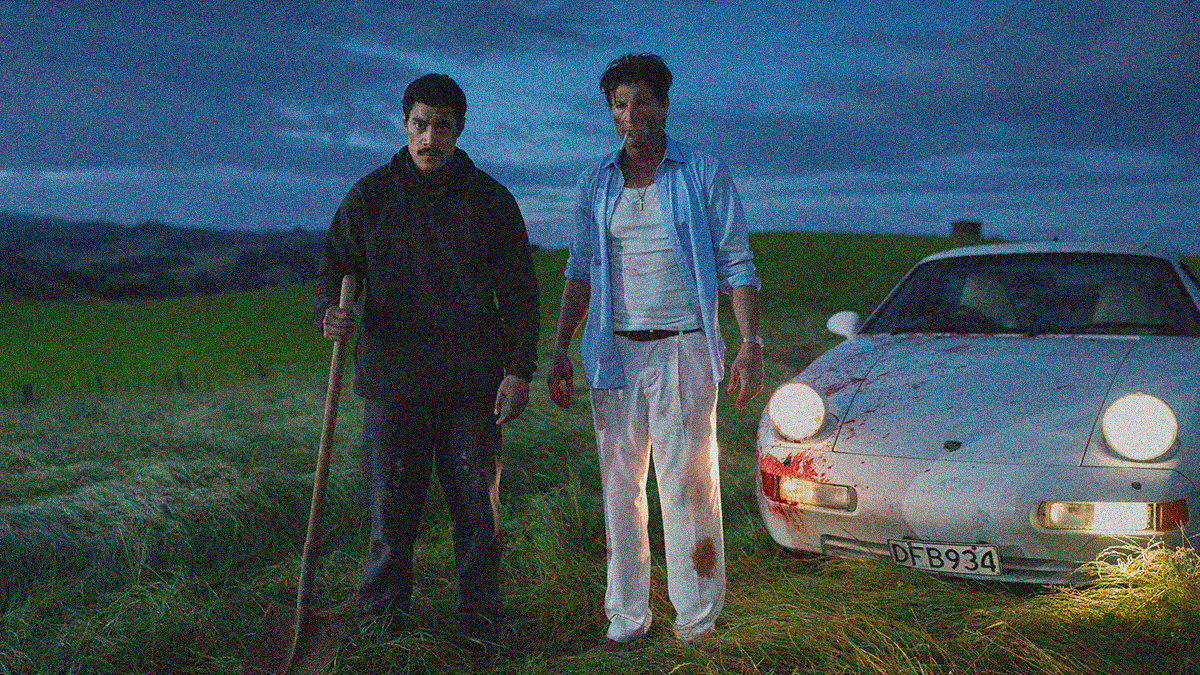
CENTREPIECE
World Premiere | September 14 | New Zealand, Australia | English, Tongan
_____
Moving to New Zealand was supposed to give Mafu Kopu (Dimitrius Schuster-Koloamatangi) a better life. Things were tough in Tonga and he never fit in with his family there. So, he tried to push his culture away and assimilate. Speak English. Be whiter. Find success by playing the game. But that only works if the winners let you play. He was too Brown for the mainland and now too white for home. Any confidence he might have possessed was gone.
Writer/director Alex Liu talks about dealing with these same feelings earlier in his own life before making a conscious effort to re-embrace the heritage he tried to leave behind. It's that error of thinking he needed to be one or the other when his real identity was a mixture of both that he sought to bring forth in his feature directorial debut God Bless You, Mr. Kopu. By using thriller conventions in a comedic fashion, he puts Mafu through the wringer to find his clarity.
It starts with an advertisement on the television. He jolts awake almost as if it was the cause—this infomercial-type production hocking the most generic bottle of cleaning fluid you could manufacture with the name Forget. All the agencies pretty much tell him there are no openings for Brown Kiwis anywhere, so he visits the address from the TV to see if the "no sales experience" pitch was legit. Let's just say it probably is for some. Mafu, however, isn't one of them.
Not that the company set him up for success considering the target area of addresses it gave him were other low-income Polynesian transplants. Sure, they opened the door when they saw him, but they shut it the second he opened his mouth trying to sound white. The product didn't matter. As Viliami (John Tui) says before throwing Mafu out of his house, it was the conscious exploitation of his own people that made them angry.
Enter Marco Cass (Simon Rex), Forget's top seller. An American looking to find a foothold in the Pacific, he serendipitously is in the area when Mafu is hired. So, when the company mixer turns out to be a bust, he offers the new hire a deal. Go on a sales call with him, follow his lead, and split the take. If for some reason they can't close it, he'll personally purchase a couple bottles from Mafu himself. The client Marco chooses? Well, Viliami, of course.
It works. The man too disgusted with Mafu to let him even finish his spiel suddenly purchases an entire case. Why? Because Marco is that good? No. He has a trick up his sleeve that's so effective and so underhanded that you'd be hard-pressed not to call it theft. It's the first thing Mafu thinks, but he still doesn't walk away. He doesn't turn Marco in. The desperation to succeed and send money to his sister and ailing uncle is too great.
One taste of victory is all that's needed for Mafu to lean so far into what Viliami accused him of doing that Marco is quite literally hiding behind him to ensure potential clients answer the door before he ambushes them. And business is great. Life is great. Mafu is like a brand-new man. He has swagger. He starts dating Forget's administrative executive Margot (Grace Palmer). He learns to stop caring about the pain he's so obviously causing his community.
It's a disturbing sight too since the buyers almost always have tears falling down their cheeks during each sale. Liu infuses a Get Out sort of motif that ultimately affects Mafu as much as it does us. Enough to stop? No. Enough to pause? Yes. Especially after a series of nightmares feel realer than they should. The film hits a Groundhog Day montage for a spell with each morning jolt finding Marco already at his opened door. There's no rest for the wicked.
And they are wicked. You wouldn't be wrong to wonder if the film will soon reveal Marco is the Devil. But that would be too easy. Liu knows it's best to keep him a man with an opportunistic gift to get everything he wants no matter the collateral damage—including Mafu. This once timid soul becomes like a puppet, always doing what Marco asks. It was one thing to pretend to be white and fail. It's another to succeed by actively selling your people out.
Just like Mafu starts to feel something is off due to the mounting guilt when Marco's aim reaches too high for a conscience to endure, we know something is wrong too. We can guess what it is considering the main sales tactic in use could feasibly be used on Mafu too, but I'll admit I never believed the truth would reveal itself to be as dark as it does. Liu isn't fooling around with this metaphor. He goes all-in on manifesting this internal betrayal externally.
Because, regardless of his victims, the person Mafu betrays the most is himself. The greed with which he operates takes its toll until we see glimpses of his desire to reject it. This fact only increases when they decide to target someone outside the usual demographic: a fat cat named Sir Arthur Parker (Stuart Devenie). A man who grew up in a Polynesian community before profiting off them. Mafu initially wants revenge. Then he realizes he's been doing the same thing.
Rex is at his smarmy best with a fast-talking charm that reels countless marks in to do his bidding. He's the perfect visage of the success Mafu aspires towards as well as the perfect example of the price that must be paid to acquire it. And Schuster-Koloamatangi provides the perfect vessel with which to mine the shame, anger, and sorrow that an inability to stop doing something you know is wrong creates. It's a lesson that proves a lot more violent than you might expect.
8/10
Tehran, Under the Skin
Téhéran à vif
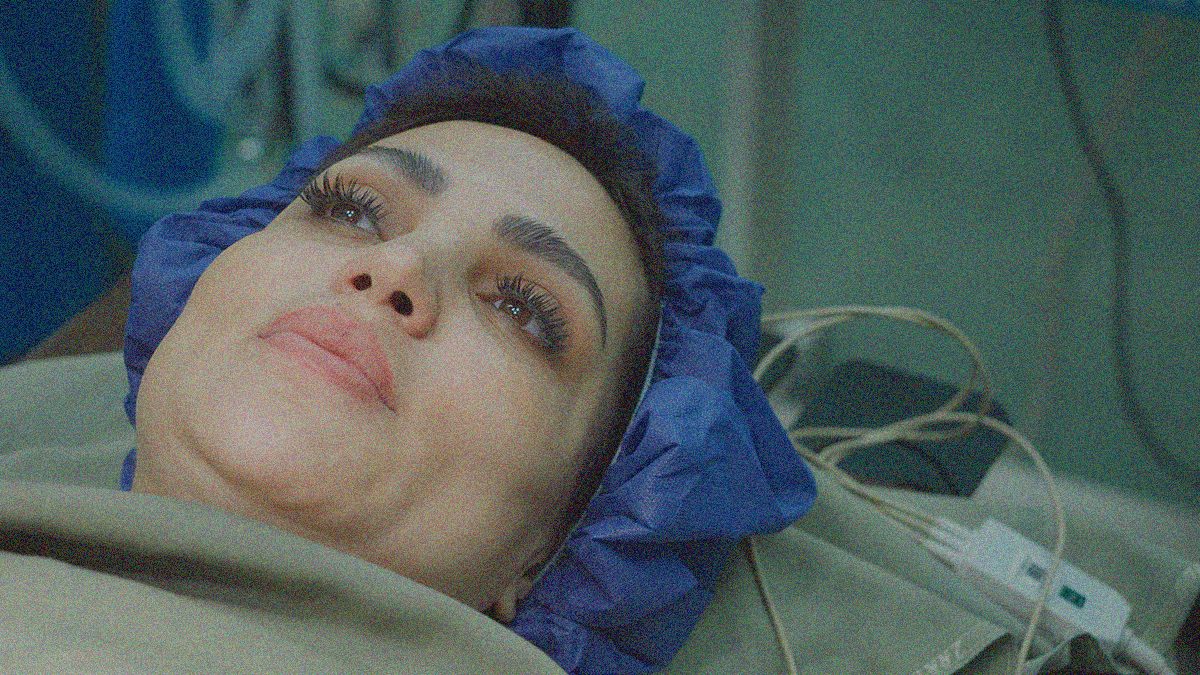
TIFF DOCS
World Premiere | September 15 | France, Iran, Sweden | Persian
_____
Writer/director Afsaneh Salari returned to Tehran after many years away to find it mired in a cosmetic surgery epidemic. Women and men are lining up for nose jobs at all ages now that the cost is comparable to a cellphone. Some are pushed by societal pressure. Some by their partners. Some from nostalgia and feeling a need to rekindle their self-confidence. Some are simply searching for a change after years of unhappiness.
By focusing on two renowned surgeons in Dr. Rozina and Dr. Siamak, Salari is able to enter the waiting rooms for candid responses from patients, the doctor's office for insight into consultations and protocol, and the operating rooms to watch these scared and excited souls fall asleep as the medical professionals cut and sculpt. She then makes the connection between these bodies and the country's own fault line-cracked surfaces waiting to be healed.
Tehran, Under the Skin is therefore as much a document on the industry boon as it is the changing shape of Iran and its "bipolar" division between those living in the image of the regime and those desperate to break free via the "Women, Life, Freedom" movement. You might presume that this plastic surgery fad exists on that same divide, but Salari quickly reveals the opposite. Whether a woman choose to wear a hijab has no bearing on her desire to be beautiful.
Is surgery therefore a means to fight back and reclaim one's body from doctrines written to abuse it with impunity? Of course. For one young woman, it's about preparing for the times she leaves home with the desire to have fun abroad. That doesn't mean it can't also be about a sense of duty to honor your husband as another patient admits. She probably wouldn't have gone through with it if not for his excitement. So, it's a means of relinquishing control too.
That inherent complexity is a part of every subject. Salari could have easily molded this film to focus solely on its good or bad positions, so you must commend her restraint to maintain an objective eye towards the larger issue of this current moment of cultural flux. It's a collision of indoctrination and rebellion wherein the same men asking their wives to visit Dr. Rozina are also demanding she wear a hijab in her social media videos.
The hypocrisy is rampant. It always is in places ruled by repressive regimes since the laws they enforce are never meant to apply to them. To hear about how the government looks the other way when women bare skin in the islands because they need the tourist trade those places provide isn't therefore surprising. If stopping those same women from doing so in Tehran wasn't imperative to preserving their control, they'd allow it there too.
Look no further than the surgeons. Siamak ends every consultation with a smile and time frame to make his patient beautiful. Rozina ends most of hers with a rejection. Why? Because he can afford to have dissatisfied clients. Being a man might even change a dissatisfied client into disbelieving her own eyes because he wouldn't make a mistake. Rozina's patients will be emboldened to criticize her work because she's a woman. The challenge isn't worth the risk.
So, even moments where Salari is letting the camera capture reality as it plays out hold contextual commentary to Iran itself. They must since everything is filtered through that lens. These are women who were told they'd be hung by their breasts in Hell if a man ever saw their contours beneath their clothes, yet they're entering these offices asking for boob jobs. Every decision is therefore a political one regardless of that being the intent.
And for each moment causing you to scratch your head, there are others that inspire. Because many of these women are doing it for themselves. They're doing it to fight back and steal power the only way they can. As we later learn, inflation has destroyed the cost of living so much that young people aren't getting married. It's either celibacy or polyamory. So, why not boost self-esteem via augmentation? Under the threat of tyrannical rule, it's now or never.
7/10
Union Town
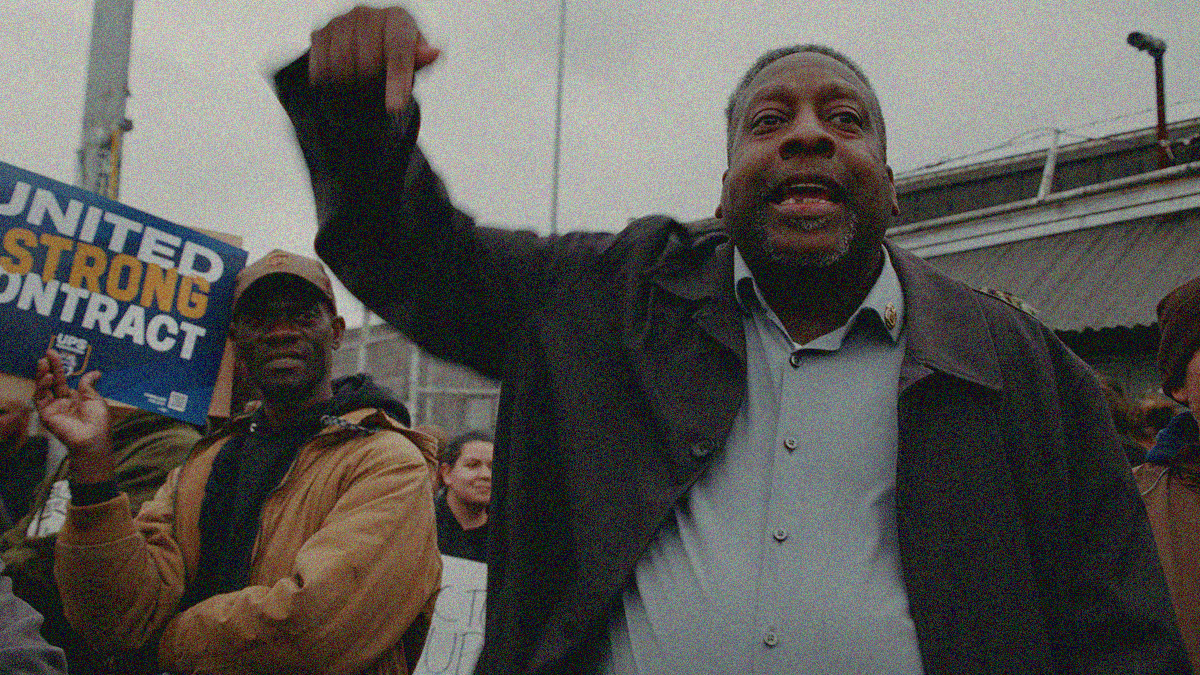
TIFF DOCS | LUMINARIES
North American Premiere | September 15 | USA | English, Spanish
_____
"As with her previous two Oscar-winning documentaries, the candid footage and interviews captured here are invaluable. They trusted Kopple to foster their truth in a way that will hopefully assist future generations to reach higher."
Full thoughts from Venice at The Film Stage.

Pulled from the archives at cinematicfbombs.com.
Clockwatchers screened on September 7, 1997 at TIFF.