Week Ending 4/17/26
Market Arcade is back ... again.


It's wild to read up on the history of the cinema at 639 Main St. in downtown Buffalo. To me it will always just be known as the Market Arcade run by Dipson Theatres during the Aughts. Home of the old Buffalo Niagara Film Festival and niche offerings not available anywhere else in the area. I saw the Cremaster Cycle, ¡Viva Pedro!, Crispin Glover's traveling tour of What Is It? and It Is Fine! Everything Is Fine., and more.
I was therefore surprised to learn Dipson had just taken over pretty much right around the time I started going: 2000. City Cinemas ran it for a year prior as Angelika Film Center and General Cinema was actually its original operator from 1987 to 1999. So, it's never been profitable enough to stay in one company's hands for a full two decades. Not even AMC could do it when they refurbished the property back in 2018 only to close last December.
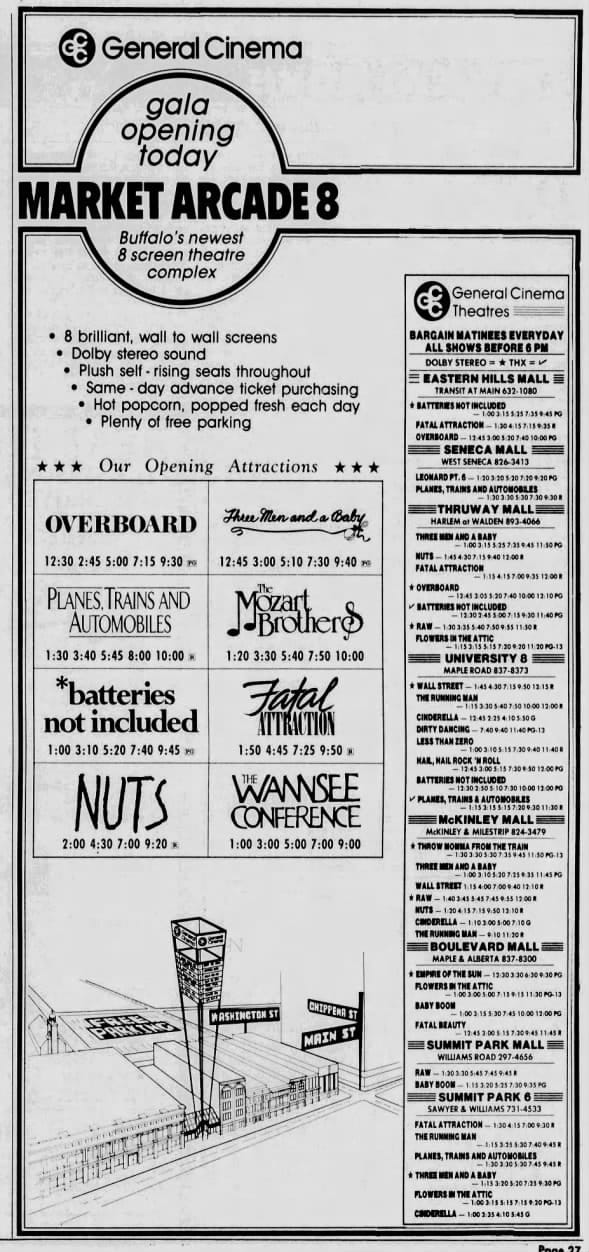
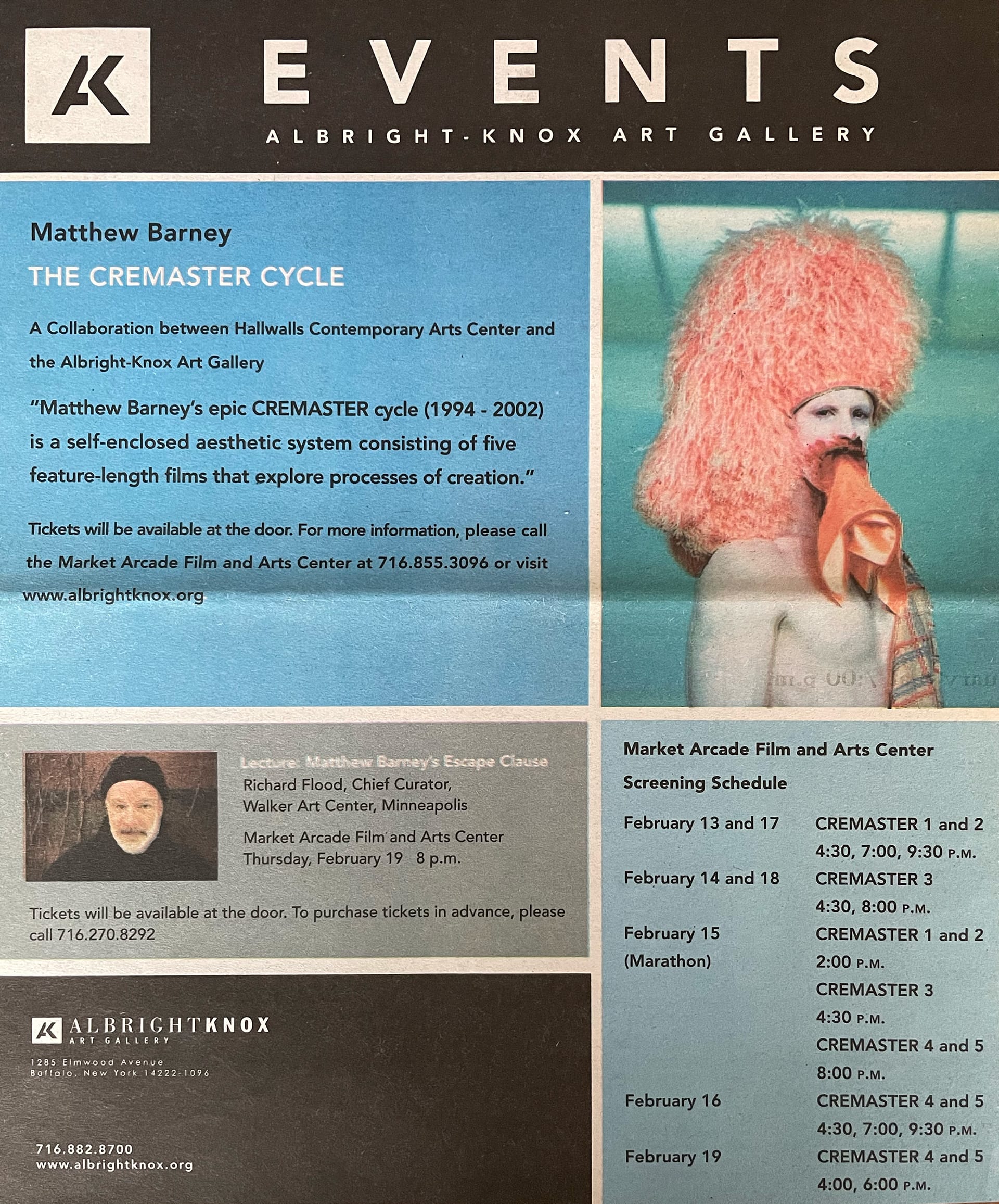
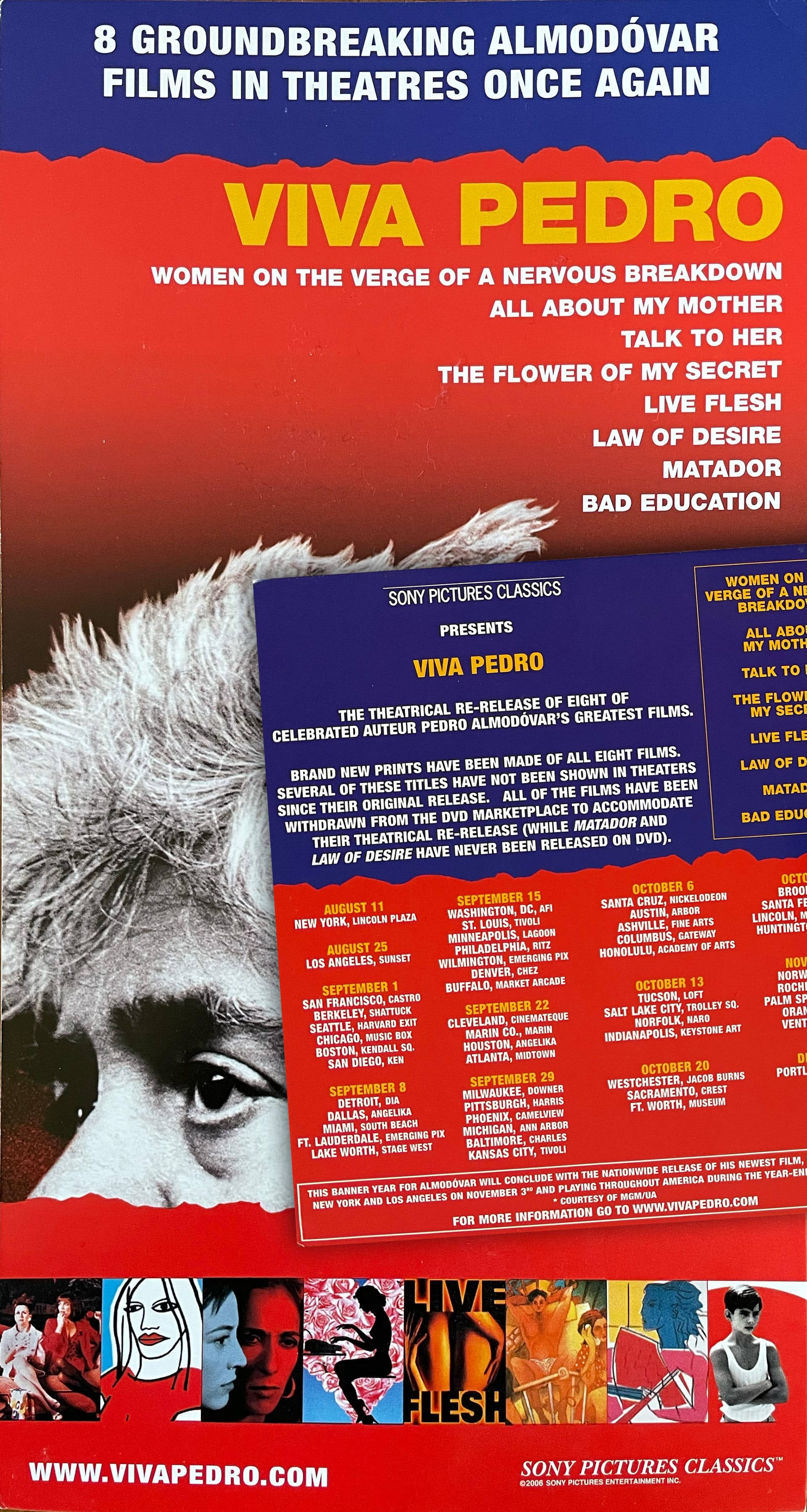
1987 grand opening ad courtesy of Cinema Treasures. The Cremaster Cycle ad and ¡Viva Pedro! postcard from my archives.
Well, Scene One is about to embark on their own attempt next Wednesday, April 22. At least that's what all the news says. I'm a bit fuzzy on the details since there is no "Scene One (dot) com" website. It seems as though the company is a renamed version of Bow Tie Management, but they decided to keep the old electronic footprint alive by adjusting the BTM initials to mean "Big Time Movies" instead of changing over to Scene One. Talk about a branding fiasco. Their website still doesn't have the new location listed anywhere either (its other New York establishments are in Albany, Saratoga Springs, and Schenectady).
Regardless, a press release must have gone out because The Buffalo News and other local outlets have reported that opening date. It appears this first day will be filled with Buffalo-centric screenings (The Natural and Bruce Almighty), a Halfway to Halloween series courtesy of the now homeless Screening Room, and other familiar titles like The Wizard of Oz and Singing in the Rain. Think of it as a day-long open house to fill the eight screens as a grand opening before pivoting to first-run titles that mirror the slates at Regal Cinemas starting Thursday night.
Considering it took AMC four years to reopen once Dipson left, four months (and a million dollars later to stop AMC from taking all their equipment back) isn't too bad for the building to be left dormant. Here's hoping the fifth time is the charm because the city deserves a viable multiplex to pair with North Park's single-screen destination closer to the suburbs.

Amrum
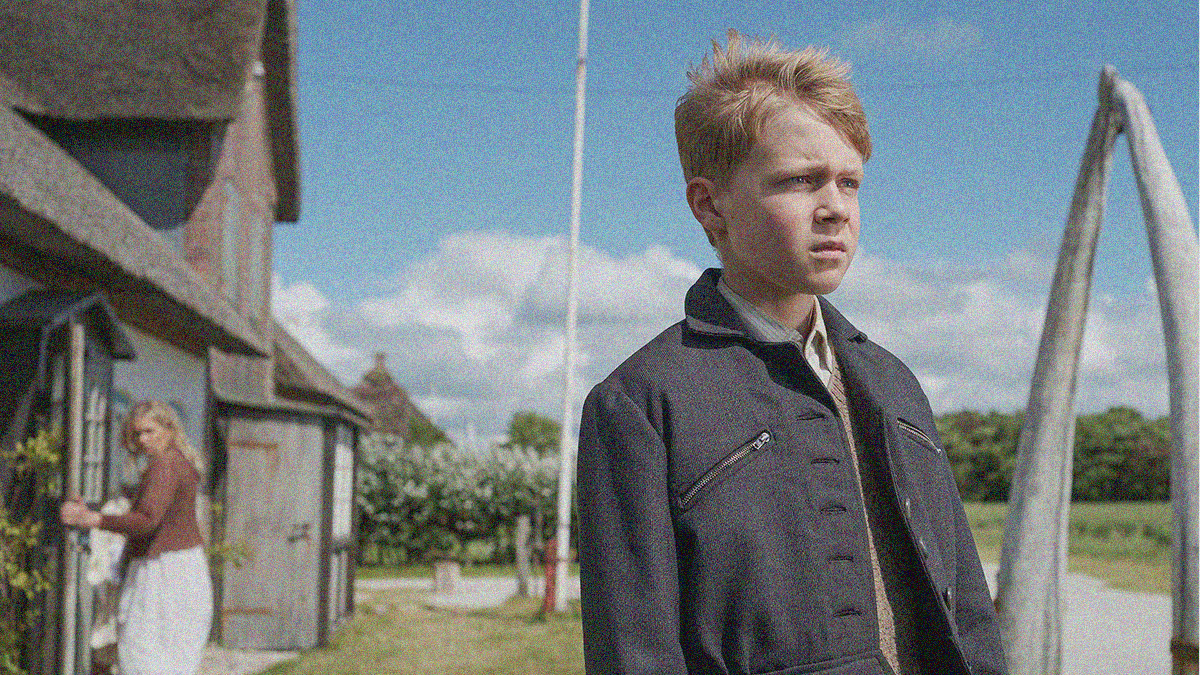
"Because it’s not just about Nanning breaking free to acknowledge a better way. It’s also the reality that he must now carry [his parents'] mistakes with him forever."
– Full thoughts at The Film Stage.
Ballistic
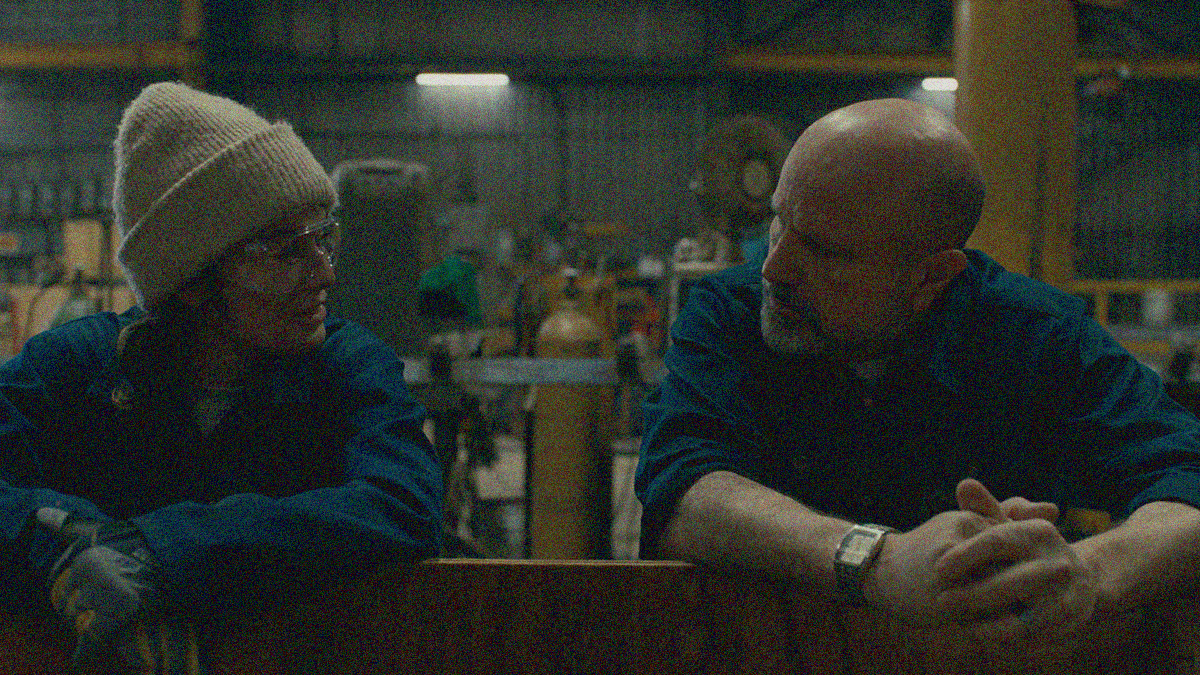
"People like you do a much better job hating Americans than people like me ever could."
It's a great line. Nance (Lena Headey) is fully off-the-rails and desperate to hurt anyone she can before finally realizing she truly just wants to hurt herself, and the Afghan translator who leads the army base's grief circle (Hamza Haq's Kahlil) is the current target of her ire. She berates him. Questions his humanity. She needs to see him as an enemy regardless of him wanting nothing more than to help. And those words are as good a rebuttal as any to stop her in her tracks.
Moments like this are what make Chad Faust's Ballistic worthwhile. The pieces might not quite add up to something worth their potency, but you can't deny the emotion, hypocrisy, and pain on display. Because we understand Nance's rage upon discovering the bullet that killed her son in Afghanistan was probably manufactured in the factory where she works. The stat Faust shares is that ~30% of fallen soldiers return with American ammunition in their bodies.
The film therefore unfolds like a one-woman revenge tour sans physical carnage since Nance doesn't actually like guns. It's a fact established early on when her boss (Enrico Colantoni's Rick) gifts her a certificate for the local gun range thinking that she should probably learn to use one to commiserate with her son (Jordan Kronis' Jesse) when he returns home from deployment. This isn't Death Wish, though, even if she craves Biblical vengeance for her boy.
Who's on her "kill" list? Rick, of course. He's the one signing military contracts to send their bullets to war zones so they can be stolen and sold to the enemy. No, he's not arming the Taliban directly, but he knows the harsh reality of the business. He's learned to live with it just like army liaison Galindo (Amanda Brugel), the woman charged with giving the bereaved just enough information to ensure they want more. Have they earned Nance's anger? Sure.
They don't deserve to die, though. She knows that. The script does too since it needs us to sympathize with Nance for its message to land. If she actually starts acting on her impulse to murder innocent people with an indirect connection to her son's death, it will undercut the desire for her actions to expose a broken system by making her even worse than it. So, Faust uses them to deliver tidy theses on their portion of the assembly line before moving to the next.
Because there's also a recruiter (Faust's SSG Buchanan delivering the second most memorable exchange of the whole) sending kids to slaughter and Kahlil—two men who gave everything but their lives to this country while Nance sees fit to let her guilt defame them as traitors. Doing that to the latter feels pointed considering it seems Kahlil was made Afghan to justify rampant xenophobia, but it's actually the opposite. He's Afghan to prove Nance's hate is unjustified.
Is he still a pawn? Yes. While a knock on the script, don't sleep on Haq's ability to make the role three-dimensional anyway. This is an actors' showcase wherein every character (even Jesse's widow Diana, played by Amybeth McNulty) is a superficially clichéd story beat for Nance's unorthodox journey through grief that's propped up by impressive performances. Those beats are obvious, but the responses are nuanced en route to an unavoidable conclusion.
So, it all follows Headey's lead. Her anguish. Indignity. Desperation. She provokes the others to try and force them into hurting her to receive the punishment she thinks she deserves. That's where Ballistic succeeds most: guaranteeing we know Nance's actions are a projection. They're the product of self-loathing and a belief that she's no longer worthy of friendship, love, or empathy. It's why Kahlil and Diana's refusal to give up on her hurts even more.
6/10
Blue Heron
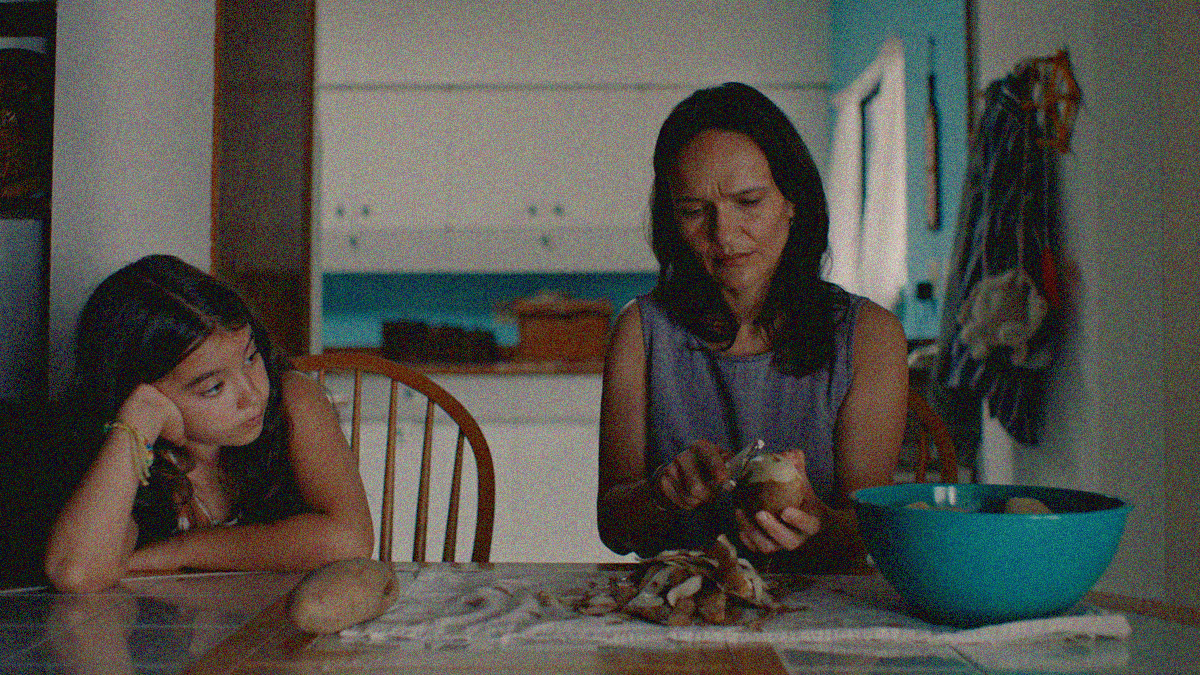
The film opens with a voiceover—a woman speaking about her past and memory and a figure she never truly understood. So, when we suddenly move backwards in time to find a car winding down a long road coupled with a young girl's laugh, we can easily piece together that we're about to witness her story. It's a crucial bit of narrative foreshadowing because most movies with this subject matter would look to focus on its troubled soul rather than the people impacted by them.
Sophy Romvari's feature debut Blue Heron isn't therefore Jeremy's (Edik Beddoes) film despite it being about him. He's the central piece to its puzzle and catalyst for everything that follows, but the camera never places us in his head or through his eyes. It uses young Sasha (Eylul Guven) instead—the teenager's half-sister who's always watching and listening and trying to comprehend the chaos as her parents attempt to figure out what Jeremy needs to quiet his demons.
The reason is simple: the film is semi-autobiographical. Jeremy is based on Sophy's brother and Sasha on her. It could have feasibly been an essay film with Romvari talking about her tumultuous childhood and the process of going back and mining down to figure out what was real and what was imagined, but she chose to put it through a fictionalized lens instead. To bring out the emotions of grief, guilt, and sorrow felt by everyone rather than only herself.
Sasha is therefore our entry point into a summer that ultimately changed everything. She's peeking through windows, cracking open doors, and holding her father's camera whenever he (Adam Tompa) and her mother (Iringó Réti) are forced to leave her and her other two brothers to deal with Jeremy's latest antics. It's a confusing position to be in for both the character and us because we're never given the full picture. Just fresh snippets of frustration and helplessness.
Romvari really captures the conflict inherent to surviving such an ordeal for two parents stuck between wanting to do everything they can to help their child and knowing that they must protect their other children from him. The way she and cinematographer Maya Bankovic place the camera at Sasha's level or from her vantage to lend a voyeuristic feel to the drama centers the stillness of the reaction above the motion of the action. We're observing a series of responses.
Mom telling Sasha not to invite friends over because of the uncertainty of what they might witness. Dad trying to tell Mom about a good day wherein Jeremy was engaged and playful only for fatigue to cause her to see it as undermining her pain that he gets to be the "hero." Mom venting on the phone only to presumably be told by the person on the other end that they want to just pretend everything is okay. Jeremy's silent smirk or tense terror after the latest outburst.
It's a potent recipe for authentic drama—the sort that more or less promises to be heading towards an inevitable tragedy. Romvari realizes that this fact is often what undoes this sort of film despite any prior effectiveness. It either undercuts that authenticity by revealing a miracle turnaround (true story or not) or devolves into miserabilism. But she avoids all that via her decision to make this Sasha's journey of understanding. It's not about what happens. It's about the impact.
So, when a critical development threatens a point of no return, we're suddenly thrust into the present. Now we meet the owner of that opening voiceover (Amy Zimmer's adult Sasha) and her quest to remember, perceive, and solve the many questions swirling around her brain concerning her brother. It's an utterly transfixing bit of cinematic magic that reshapes everything we've seen twice. Once through a lens of a forensic autopsy and another through her heart.
I don't want to ruin the devastatingly cathartic experience that results, so just know that its bid to exorcise those demons is accomplished even if it was only able to occur retroactively. And Romvari handles the transitions with expert formal and visual precision so that she never needs to explicitly explain where or when we are or what's happening. Everything we need to know is in a keychain hanging from Sasha's ignition and the tears in Zimmer's eyes.
Blue Heron isn't an easy watch by any sense of the word, but it's an important one to reduce the stigma associated with the torment of people like Jeremy and the anguish of those who love them. My cousin battled schizophrenia most of his life and the sentiments shared in a letter at film's end reminded me how sweet he was despite what would happen whenever the hurt and confusion proved too much. As Romvari exposes, it's just as hard to remember as it is impossible to forget.
10/10
City Wide Fever

Sam (Diletta Guglielmi), a giallo-pilled budding filmmaker, discovers an abandoned thumb drive while roaming New York City only to find it houses images and information about a mysterious forgotten Italian horror auteur named Saturnino Barresi. With zero regard for privacy, she quickly begins to film her quest to discover more about him only to see the genre's themes and violence take hold of her life. Is she somehow a character within his final masterpiece?
Writer/director Josh Heaps blurs the line between fiction and reality as he merges Sam's story with Barresi's unfinished script to create City Wide Fever as a sort of self-fulfilling prophecy. Think of it as a warped Tinkerbell. A growing belief in its existence becomes the catalyst for it to pop into existence. We can presume that all this happened in the past until enough people died to push it out of public consciousness. Sam has therefore brought it back to life.
And now it's airborne again. She mentions it to her film professor (Onur Tukel's Keith) who directs her towards a Korean cinematographer (Stan Oh's Hong) that forces her to enlist BFF Chloe (Angelica Kim) as an interpreter. The virus spreads. Raina (Hugo Alexander-Rose) finds out. Figures from the past (Rutanya Alda) remember. Sam herself begins to inexplicably transform (Nancy Kimball). We must question if we're watching reality, dream, or lost footage.
Shot on an SD camera in full frame (I laughed every time we switched vantage point to Sam's iPhone because the image suddenly gains clarity rather than losing it like most films wielding a diegetic lens), you really get the DIY guerrilla aesthetic of a filmmaker capturing scenes on the sly throughout the city. It's very New York (comic Ian Fidance steals a scene), very indie (Tukel and Larry Fessenden cameos), and very much a love letter to 70s horror.
I admittedly have never been a huge giallo fan, so I'm certainly not the target audience when it comes to that part of what Heaps puts on-screen. I do, however, enjoy a willingness to play with the cinematic form and narrative cohesion. The first two-thirds of City Wide Fever does exactly that with zero interest in calling attention to it or explaining why before the final third leans all the way in for a chaotic pastiche of tropes that turn us all the way around.
What is real? What is a film within the film? What is the film itself when a fourth wall break adds yet another layer of artifice to the shifting identities, motivations, and desires flickering back and forth in front of our eyes? An example: that face clad in a spiky mask on the marketing materials is only ever seen in quick cuts. The actual murderer (albeit with multiple bodies) dons a bright pink ski mask with baby pins instead. Everything and nothing make logical sense.
There's a nice commentary on fandom in this notion because it reveals just how blind we become to evidence that refutes subjects we hold onto so religiously. I think my favorite part of the entire movie is Rutanya dismissing Barresi's work as trash (not in a pejorative way since she acted in it) only to ignite a monologue of pretentious babble from Sam that seeks to project a veneer of high art upon it. Alda's blank, impatient stare in response is extremely relatable.
So too is Chloe's frustration that she's losing her friend to this obsession. Sam is so wrapped up in the mystery of this film that turns her life into a film that she won't even let herself be distracted by a genre hallmark: sex. The blood and violence are all she craves. The joy of discovering a hidden corner of canon with a willingness to leave a trail of bodies as though their sacrifice was in pursuit of a greater good they didn't volunteer to achieve.
And how can you not like an ending that seeks to give answers by asking more questions? If everything prior is nonsensically convoluted, why wouldn't the solution lean in and reveal the murderer as someone it surely is not? Because if nothing we've seen is real, the reasons they aren't no longer apply. And if they don't, why not decide it's someone else afterwards. Or, better yet, that it was everyone. Your infatuations and mine are just diseases ready for transmission.
6/10
Eagles of the Republic
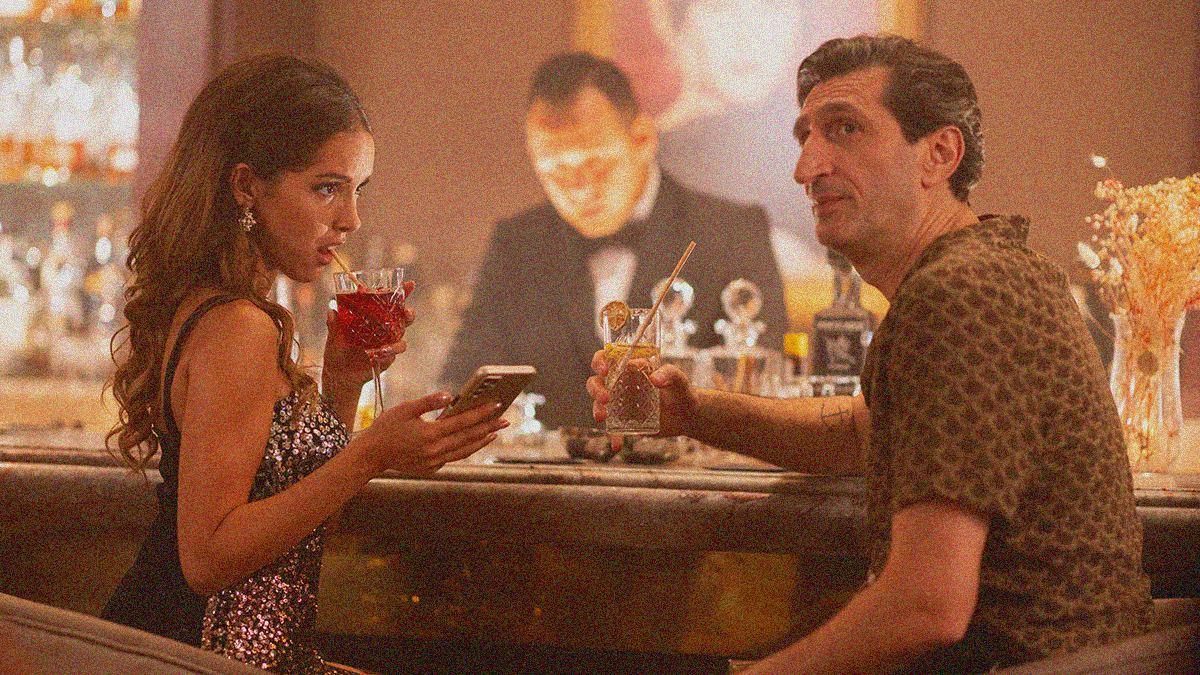
George Fahmy (Fares Fares) just wants to act. He's the "Pharaoh of the Screen." Everyone adores him, he takes his craft seriously, and, as his wife tells their son, his latest girlfriend (Lyna Khoudri's Donya) could be his daughter. George therefore knows how to play the game. He remains apolitical and tells everyone what they want to hear without actually saying anything. And his fame ensures the movies bolstering Egypt's economy remain uncensored.
Well ... that's what used to happen. He doesn't quite have the same sway now with a younger actor (Sherwan Haji's Yasser Islam) poaching roles and the censor board's three hijab-wearing arbiters demanding edits. George and longtime friend/co-star Rula Haddad (Cherien Dabis) are even being approached by government entities to bring their fame into the fold of President Abdel Fattah el-Sisi's propaganda wing. It's not an offer one refuses lightly.
The final chapter in writer/director Tarik Saleh's "Cairo Trilogy"—a creative endeavor that ultimately got him exiled from Egypt due to anti-el-Sisi sentiments—Eagles of the Republic quickly ratchets up the paranoia and futility once Rula admits she's been asked to slander George or be blacklisted and his agent (Ahmed Khairy's Fawzy) discovers his hands are tied from stopping the studio recasting his latest role. A threat on his son's life inevitably forces surrender.
Does George want to play the president in what is surely a hagiography? No. Of course not. He "only makes good movies." What choice does he have, though? Give him credit for trying to elevate the script by hiring a trusted director (Tamer Singer) and constantly pushing his co-stars to understand the reality of the events depicted rather than the smoothed edges of revisionist history, but he can only go so far with the mysterious Dr. Mansour (Amr Waked) looming.
I've seen a lot of people calling the film a satire whether they agree with the label or not. I can kind of understand that urge since the scenario on-screen is so absurd in nature (the clearest example being when George, in full prosthetics, is told he must play the role looking like himself and not el-Sisi for a more idealized visage), but that actually happened. Yasser Galal played the leader with no artifice en route to securing a Senate seat. It's funny, but it's not a joke.
And that tone stands throughout. Some situations might be humorous, but they're presented with the utmost severity since the result is often violent. This is a dictatorial regime disappearing citizens for spreading pro-democracy ideas (designated as "disinformation"). Waked is a victim himself. It's therefore less a satire than an alternative universe. These circumstances are real, but the details are fiction. Every seemingly funny development gets hijacked by dread.
It's also still very much a political thriller considering we never truly know who is pulling George's strings. Is it Mansour's secretive fixer constantly dropping nuggets that prove he has eyes and ears everywhere? The defense minister and his cronies granting political favors? An intriguing woman (Zineb Triki's Suzanne) who presents as an el-Sisi opponent despite supposedly being the wife of a "prominent figure"? Does it matter if George is just trying to stay alive?
There are a lot of twists and turns as a result since the other shoe drops each time George appears to gain a modicum of power. All these figures are quick to pat him on the back to ensure loyalty, but even quicker to remind him that he's nothing but a puppet they wouldn't miss should his absence better suit their agenda. They all know George's image is everything. They will use those he loves and protects to manipulate his decisions to their whims.
I was riveted throughout because I was desperate to find out what was actually going on. Saleh isn't interested in delving into the big picture since he doesn't consider his films political due to "today’s strong opinion [not being] tomorrow’s truth" and art not having the luxury of being wrong. He's concerned with the characters and their impulses, flaws, and humanity. How far can he go before breaking George? Or will George finally sell out completely to survive?
At a certain point George must realize there's no going back. That he made his choice to save his son even if the teenager is the one chastising him for throwing away his integrity. George starts to play with fire in his personal life too—almost as though he wants to anger the wrong person and get killed to escape the pressure. But there's little that the men squeezing him don't know. It's just that they can use it to make him do whatever they want.
The payoff is worth it. The climactic moment where Saleh pulls the curtain to reveal who was doing what arrives with a bang to usher in a chaotic conclusion that further exposes just how helpless George has become. It's almost like nothing he has done the whole movie was of his own doing. And if that is true of someone with his stature in the public consciousness, what worse things are happening to regular folk who dare to fight for their civil rights?
Most of Eagles of the Republic concerns itself with that question, but there's also a piece that calls attention to the vocation of acting as a shield for the actor just as much as it's a mirror for the viewer. There's a wonderful moment between George and Rula (Fares and Dabis are only bested by Waked's enigma) where they resign themselves to the reality that they don't know anything besides what their director tells them. While a protective filter on set, it's a devastating liability off it.
7/10
Everyone Is Lying to You for Money
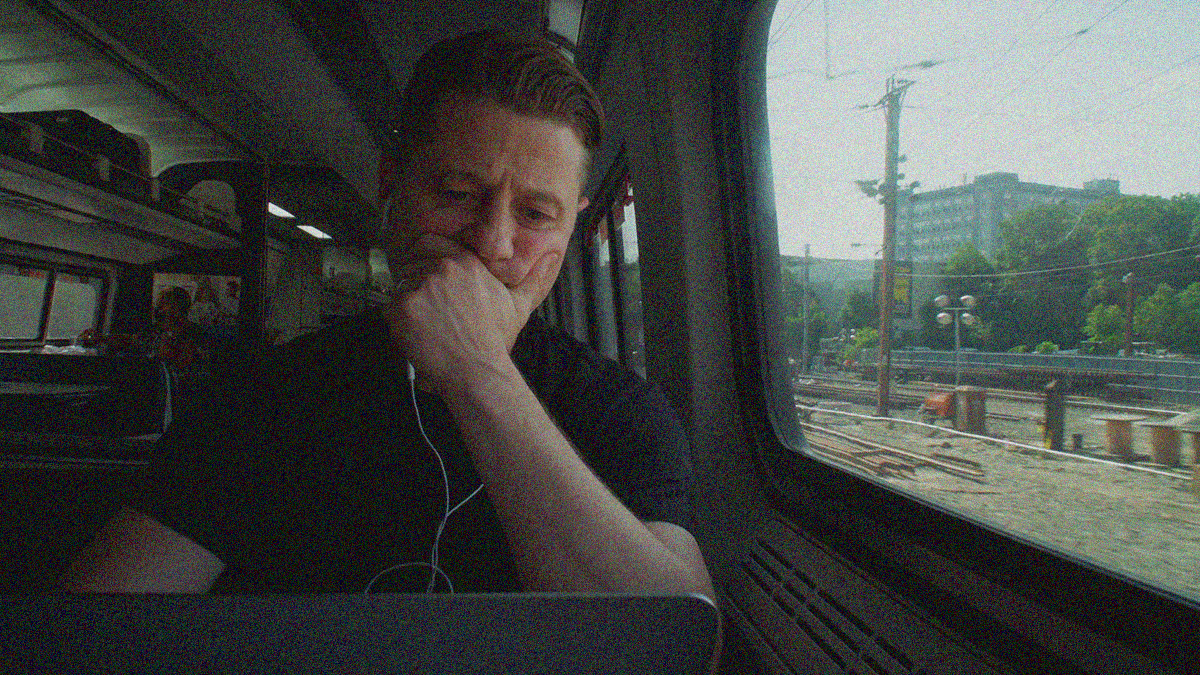
The title says it all: Everyone Is Lying to You for Money. Even Ryan Atwood. Because Ben McKenzie is staging his reaction shots for comedy and buying his book and/or a ticket to this movie does put money in his pocket. Morena Baccarin's funny quips may not be scripted, but we know she didn't happen to film her husband the first time he saw Matt Damon's crypto.com commercial. The movie's final line even has Ben talking about shooting more "pick-ups."
There is, however, a major difference between artistic license for entertainment purposes and orchestrating a full-on Ponzi scheme. Yes, parts of McKenzie's investigation have been embellished, edited, and reenacted for maximum enjoyment because promising an audience a good time will make the vehicle that provides that experience more profitable. But he's not stealing your money. He's not asking you to invest in his film with an empty promise of a back-end cut.
He leaves that to the laundry list of bad actors (no pun intended since you don't become "the O.C. guy" for the rest of your life without talent) he highlights, interviews, and exposes as the grifters they always were (often well before the media finally admits the truth). Guys like Alex Mashinsky promising an alternative bank, Nayib Bukele promising a shiny new metropolis, and Sam Bankman-Fried promising a better future fixing today's crypto issues.
They each ultimately expose themselves. McKenzie's skeptic merely caught onto their con early enough to leverage the general public's perception that celebrities are inherently dumb into getting them a couple to do so on camera. And they do it willingly because they truly believe those lies are bigger than the truth. As McKenzie posits, some of them might even believe it too (definitely not Bukele, though, since his "cool dictator" schtick is pure malicious intent).
What makes McKenzie so good at this is the fact that he's self-deprecating enough to understand this notion and intelligent enough with his economics background to coax honest answers (or enough nerves to make it impossible not to realize he's being fed a lie). And while so many other known commodities take a paycheck to hock wares they don't understand, he's centering the impact of that endorsement on regular people who think they can trust Will Hunting.
But you can't trust David Ortiz or Kevin O'Leary because they're on your TV. Not when they have a fiduciary incentive to be misleading (wittingly or not). You therefore can't also trust the so-called "disrupters" leading the charge to promote an unregulated system that they control and profit from. A system that they use real money to pay Ortiz and O'Leary to talk you into putting real money into the game in exchange for nothing but an empty promise.
Why can't you trust them? McKenzie reveals the answer with the simple fact that every cog in the crypto puzzle that has failed so spectacularly in ways that threatened the viability of Wall Street itself were saved by the very establishment (your taxes) they said they not only didn't need but were also better than. That's why it's so sad when he reveals just how little this truth matters in a world overtaken by influencers, parasocial relationships, and naïveté.
Even those bankrupted by these crypto entities still have faith in crypto. They will continue to gamble their very lives in a speculative market bolstered by fraudsters because opportunists have leveraged their logical and illogical mistrust of the government into blindly accepting a few magic beans for the little cash they do possess. Cults prey on the desperate and the desperate are more inclined to double down than admit they brought about their own ruin.
It's another bad actor fallacy. If Hamas and the Taliban are terrorists, then all Muslims must be terrorists. But if one police officer murders an innocent civilian, well he's just an anomaly. Sure, I've been burned by three crypto scams already, but I just have bad luck and keep picking the frauds. People only see a pattern if it serves their agenda. Facts are opinions and opinions are facts so long as someone is paying a politician enough to keep eroding public trust.
I must therefore give McKenzie a lot of credit for never punching down on the people most affected by this scam. It would be easy to make fun of the real people still betting against their own best interests despite getting burned, but he chooses to focus on their fallibility as human beings trying to survive a flawed system by embracing a criminal one. Because guess what? That flawed system has pretty much become criminal itself thanks to lobbyists.
At the end of the day, people are going to do what they're going to do. Nobody knows that better than McKenzie considering his personal debrief leads to the realization that his skepticism was righter than he ever could have imagined and that all the work he's done to unearth that fact probably won't change a thing. All he can do is lay out the facts, make us laugh, and use his reach to at least provide an alternative narrative to people willing to listen.
Because he's not a celebrity giving customers financial advice (illegally) on a commercial for crypto despite being paid in US dollars. He's just a celebrity telling the public to "Be careful" with whatever they choose to do. McKenzie has no financial stake in crypto's success or failure. He's an entertainer who couldn't ignore an obviously predatory scheme enriching the rich with the life savings of the poor. So, he entertains us with the rabbit hole he fell through to prove it.
8/10
The Object of the Game
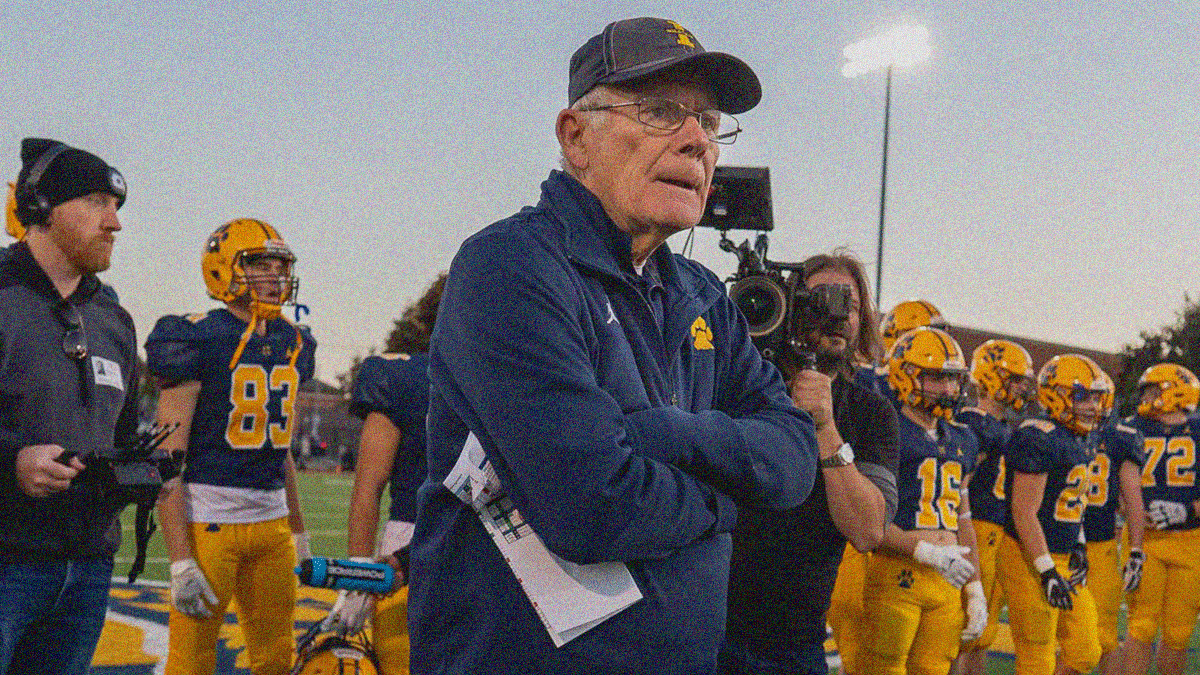
Who's Chuck "Chico" Kyle? It's a question many football fans today will probably ask when coming across Matt Waldeck's docuseries revolving around the Cleveland St. Ignatius High School coach's fortieth and final season wearing the headset. Heck, it's one many people involved in the game will ask too. Unless they read his book The Object of the Game. Unless they played on his team. Unless they've been paying attention to his undeniable impact on the game.
Waldeck checks all three of those boxes. Kyle was his high school coach not long after publishing the book that interviewees Urban Meyer and Tony Romo read from during the course of his three-episode series. Matt knew the stories about Kyle being recruited to ascend to the big leagues only to turn every offer down because he valued the work of educating and shaping young men's minds both on the field and in the classroom as an English teacher.
Even so, Waldeck also knew that Roger Goodell and Bill Belichick's respect for the man wasn't enough to make audiences invest in a documentary about an Ohio coach calling it a career—eleven state championships or not. So, he went back to that book and its inspirational chapters that Kyle is quick to explain work in all situations, sports or otherwise. Preparation, Enthusiasm, Discipline, Sense of Duty, and Courage. Then he found other football legends to bridge the gap.
Do Sean McVay and Tony Dungy talk about Kyle? No. They talk about the game. About what it means to those who play and coach. About what it does to prepare young men to be good human beings in life when their own careers inevitably end. Whether they took those lessons directly from Kyle's teachings doesn't matter when them being ingrained in their attitude and mission show they work. It proves what Kyle has done for four decades is about more than football.
He's a fantastic subject as a result. This is a private "Christ-centered" school, so faith plays a big role in who Kyle is and how he conducts himself. His speeches play like sermons written for each specific moment to motivate those around him into being their best selves for everyone else in that locker room. And he always speaks with love in his heart and a smile on his face. He builds these boys up so they want to run through walls for each other and not just their coach.
The main source of footage stems from two playoff games from Kyle's last charge, but we also catch glimpses of him doing his thing throughout the years. There's archival news footage of the excitement that came from winning the first state title. There are interviews with former players (St. Ignatius alums always have their graduation year listed next to their names) commending his impact on their lives. And there's Kyle in his car just speaking off the cuff.
Episode One does a wonderful job splicing in the talking head interviews with the aforementioned names alongside Mike Tomlin, Robert Smith, and others. Everything is timed conceptually and thematically with the first half of one of those playoff games and the juxtaposition between success and adversity to really drive home the way his lessons put players in the mindset to win even when it seems all hope should be lost. Nothing is over until that last whistle.
Episode Two is the longest and clumsiest. I loved the montage pitting state titles against the tragedies unfolding alongside them (Oklahoma City Bombing, 9/11, etc.). A pivot to NIL (name, image, and likeness) rights makes sense due to how it changes motivations for kids from growing through the love of the game to chasing money, but it's a noticeably isolated topic with little overall narrative payoff before the episode finishes with the second half of that playoff game.
Episode Three pushes most of the talking heads aside to focus solely on the end of Kyle's season and showcase how he conducts himself; the love felt for him by his family, community, and opponents; and how he cannot help but find purpose and encouragement in what should be the lowest of low moments. He is seventy-one years old and still as fiery and poignant as ever. He's pulling quotes, thanking everyone in earshot, and reminding us how the journey trumps the result.
It's a heartfelt ride that contextualizes the importance of sports (team building overall that can be applied to less violent activities) to the human condition on all sides of the ball. You really get to see how one person can become a constant source of support for hundreds and thousands of people simply by being there and acknowledging the winning and losing is secondary to the learning. That holistic approach just happens to often lead its beneficiaries to the former.
7/10

This week saw Nobody's Perfect (1990) added to the archive (cinematicfbombs.com).
Gail O'Grady dropping an f-bomb in NOBODY'S PERFECT.

Opening Buffalo-area theaters 4/17/26 -
• Bhooth Bangla at Regal Elmwood
• Bridesmaids: 15th Anniversary at Dipson Flix, Capitol
• ChaO at North Park Theatre (select times)
"The hand-drawn animation style is wonderfully unique with myriad different character designs [that lead] to many humorous moments and physical comedy as each interacts with their environment." – Full thoughts at HHYS.
• The Christophers at Dipson Amherst
• EgyBest at Regal Elmwood
• Fantasy Life at North Park Theatre (select times)
• Lee Cronin's The Mummy at Dipson Amherst, Flix, Capitol; AMC Maple Ridge; Regal Elmwood, Transit, Galleria, Quaker
• A Little Something Extra at Regal Quaker
• Lorne at Regal Quaker
• A Magnificent Life at North Park Theatre (select times)
"The animation style remains the same as Chomet’s earlier films with detailed sets and expressive characters. It’s just a fun depiction of the hard work, ingenuity, and dumb luck intrinsic to a career in the arts." – Full thoughts at HHYS.
• Mile End Kicks at Regal Transit
"It’s a very well-scripted progression as Levack finds a way to authentically let [Grace] think she’s acting under her own volition while ensuring the audience clearly sees Chevy’s manipulations." – Full thoughts at The Film Stage.
• Mr. X at Regal Elmwood
• Normal at Dipson Capitol; Regal Elmwood, Transit, Galleria, Quaker
"While Normal doesn’t deliver anything you haven’t seen before rife with convenience, it’s still a memorable ride for those who have already been lapping up Kolstad’s antics." – Full thoughts at The Film Stage.
• Oru Durooha Saahacharyathil at Regal Elmwood
• Papam Prathap at Regal Elmwood
Streaming from 4/17/26 -
• 180 (Netflix) – 4/17
• Atropia (MUBI) – 4/17
"So, enjoy the comedy. It’s not as biting as you might hope, but it is entertaining. This is especially true when mocking the ways this farce can be exploited or go wrong." – Full thoughts at jaredmobarak.com.
• Dust Bunny (HBO Max) – 4/17
"It’s neither a silly fairy tale to Aurora nor a mistaken identity action flick to her neighbor. It’s about survival. That we understand this fact while still getting to enjoy two hours of high concept entertainment shouldn’t be understated." – Full thoughts at HHYS.
• A Gorilla Story: Told by David Attenborough (Netflix) – 4/17
• Hive (Tubi) – 4/17
• Night Patrol (Shudder) – 4/17
"What I really enjoyed beyond the over-the-top gore and humor is the way in which this character complexity is handled. Carr and Hawkins each seek to play both sides and bridge the gap, but they chose [an irredeemable] third side to do so." – Full thoughts at HHYS.
• Roommates (Netflix) – 4/17
• Shelby Oaks (Hulu) – 4/17
• Cheech & Chong’s Last Movie (Paramount+) – 4/20
• Untold: The Shooting at Hawthorne Hill (Netflix) – 4/21
• Lainey Wilson: Keepin' Country Cool (Netflix) – 4/22
Now on VOD/Digital HD -
• Red Rabbit Lodge (4/13)
• 100 Meters (4/14)
• The AI Doc: Or How I Became an Apocaloptimist (4/14)
• Alpha (4/14)
"It’s weird to say considering Julia Ducournau’s previous films, but her latest is a lot—[just not] in the same sense. With loud music, gorgeous marble-skinned special effects, and extreme anguish, Alpha isn’t for the faint of heart." – Full thoughts at HHYS.
• All You Need Is Kill (4/14)
• Bodycam (4/14)
• The Chronology of Water (4/14)
"Never one to back down from a challenge, Kristen Stewart’s feature directorial debut is about as bold as one can get. The whole almost feels like a non-fiction essay at times—a collage of images tied together by emotion more than plot." – Full thoughts at HHYS.
• The Gates (4/14)
• The Gentleman (4/14)
• The Highest Stakes (4/14)
• Reminders of Him (4/14)
• Special Op: Rent-a-Cop (4/14)
• Storm Rider: Legend of Hammerhead (4/14)
• Undertone (4/14)
• Ballistic (4/17)
Thoughts are above.
• The Napa Boys (4/17)
• The Whistler (4/17)

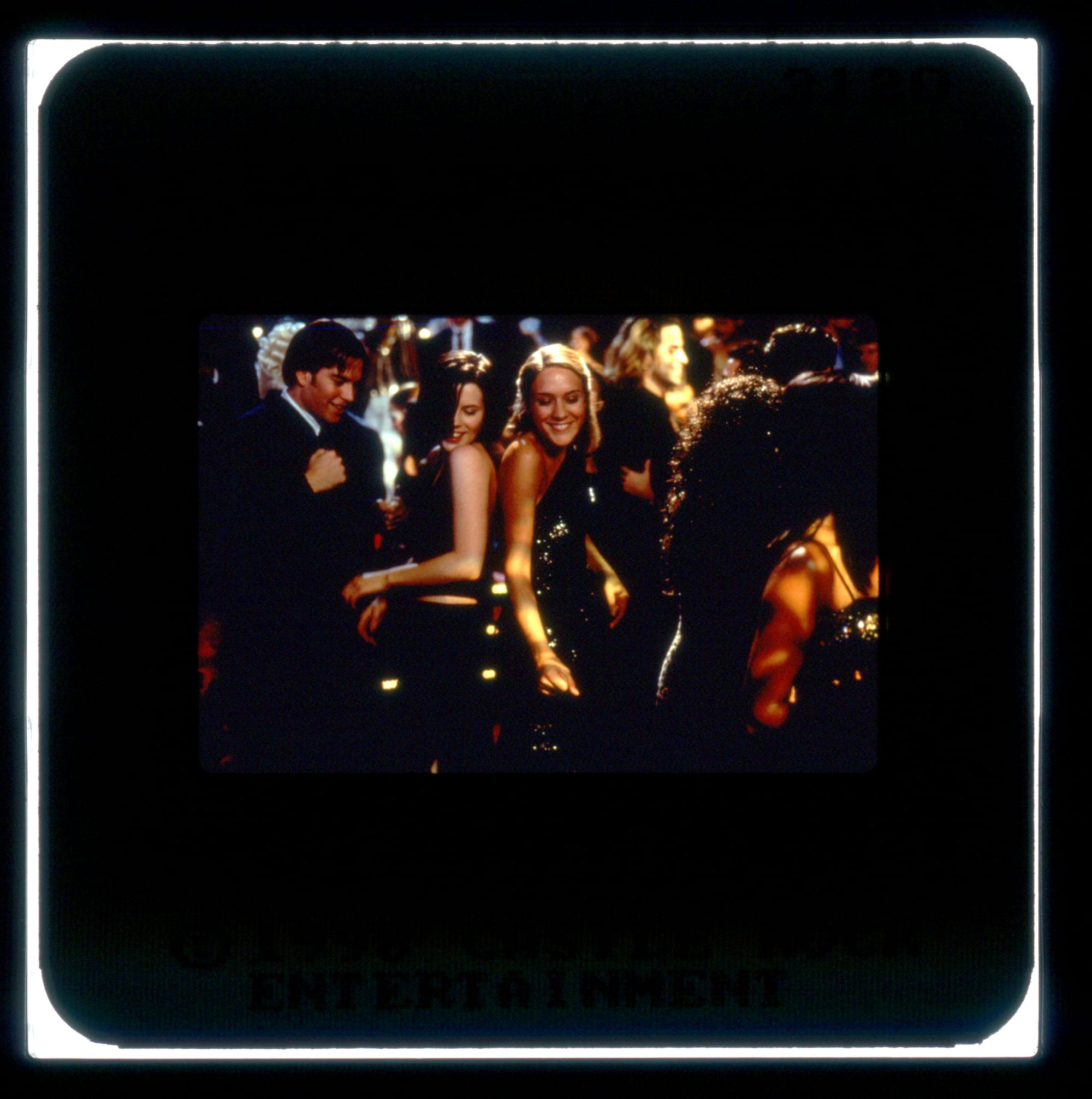
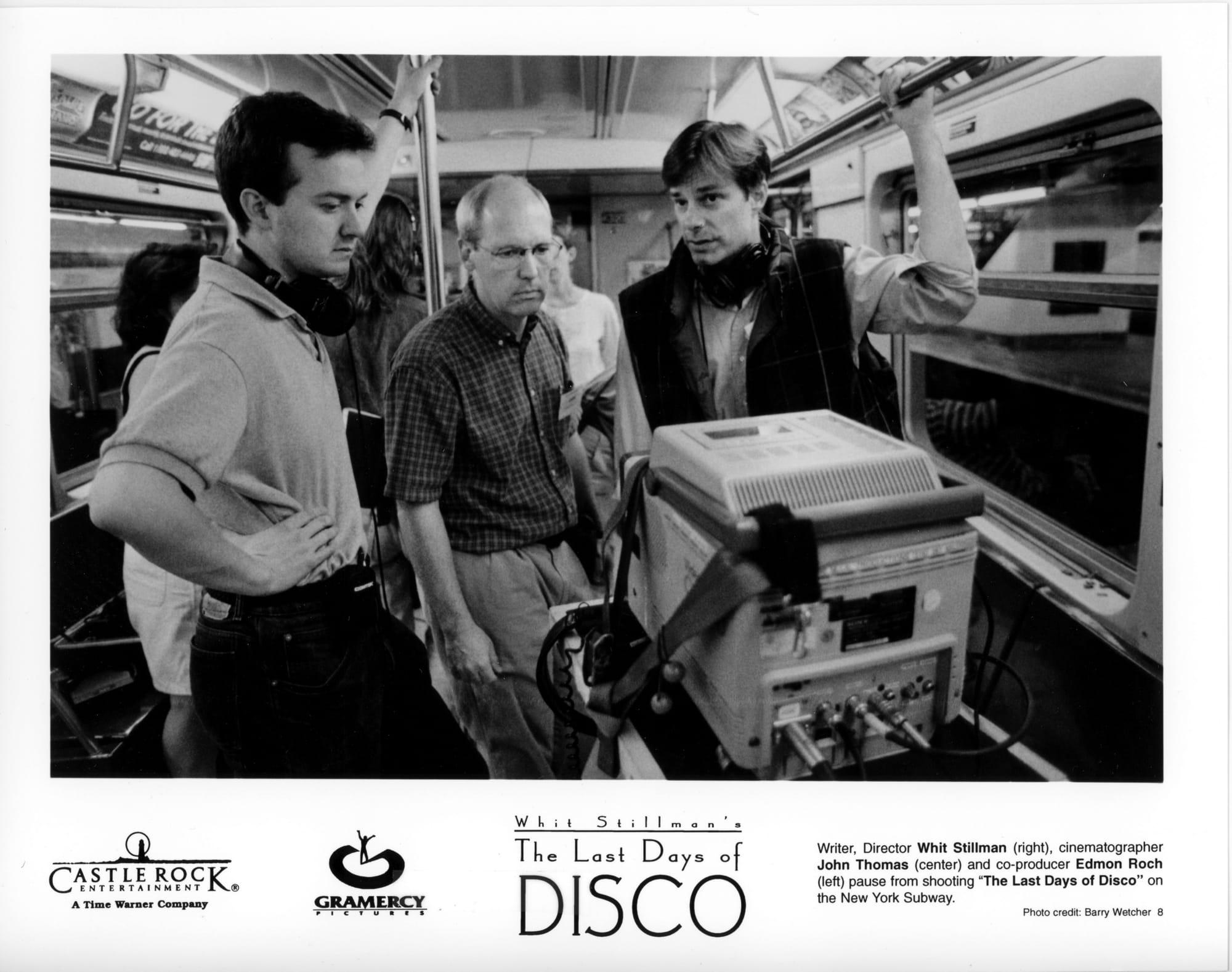
Pieces from the The Last Days of Disco (1998) press kit.