Week Ending 5/29/26
TV Time

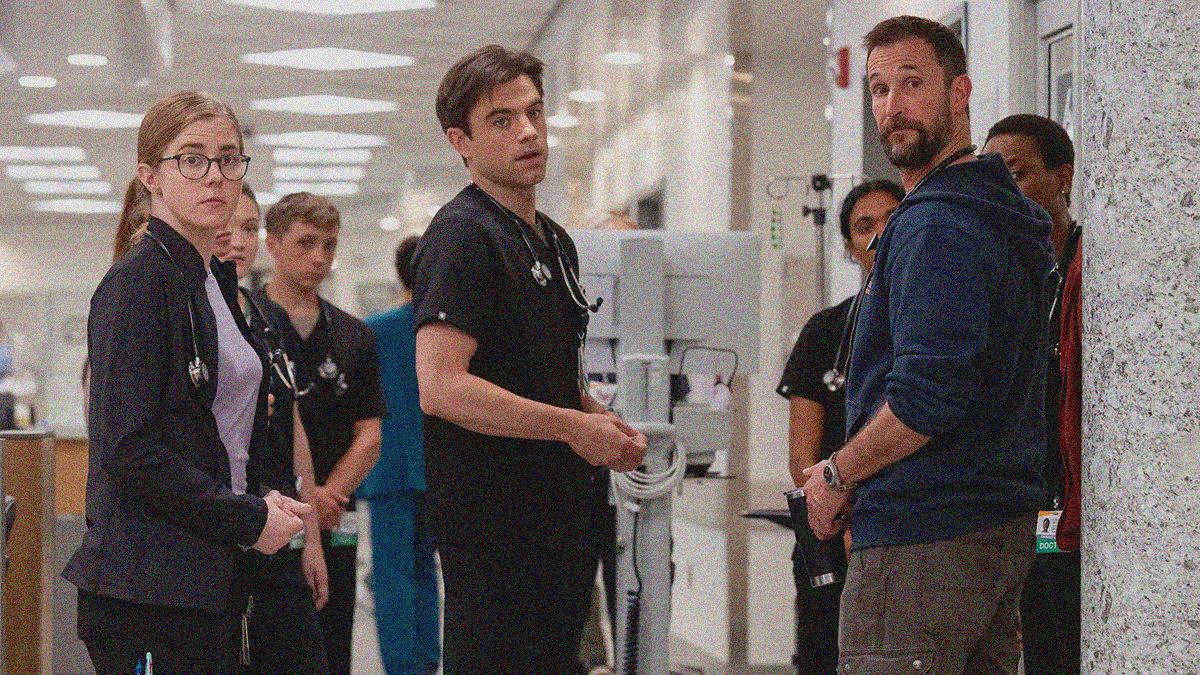
I really neglected my television viewing time the past couple years. Never even started season four of "The Bear" after being lukewarm on the third. Meant to watch "Peacemaker" season two and "Creature Commandos" alongside James Gunn's Superman and just didn't. And I'm only now finally getting to "The Pitt" to realize the hype was legit.
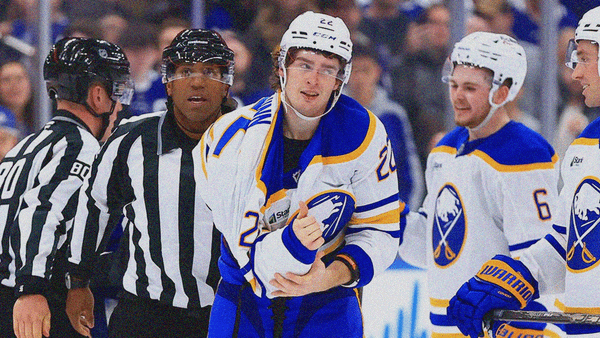
The Sabres being good for once and providing me with an alternative all season long didn't help.
I'm halfway through the first run of Dr. Robby's ER shenanigans and it hasn't disappointed yet. The way the writers are still able to make it "case of the week" while also expanding those cases over three to four episodes to maintain investment in the fast-paced nature of the work is quite stunning. A true serial/procedural hybrid that understands our need to suspend disbelief if the chaos gets out of hand (love it when someone reminds a trainee to slow their roll because they've only been on the job for seven hours).
I also caught up to season four of "Invincible" beforehand. Besides one outlier ("Hurm" was an utter mess of pacing and comprehension), it was very good. Upped the stakes. Brought Nolan back into the fold. Expanded the scope beyond ground floor repetition. Still a ton of storylines floating out there, though.
And now I have a new season of "From", "For All Mankind", and "Beef" waiting for me on the other side. I'll probably do a full series binge of "Hacks" now that it's finale is airing soon too. It's truly an embarrassment of small-screen riches.
How else could Nic Cage's son get him to jump into the mix after showing him "Breaking Bad"? (My review of his "Spider-Noir" is below.)

The Last Viking
It starts with a children's story. A dark children's story. It's an animated tale of a Viking clan and its leader's unorthodox psychology when it came to equality. Rather than lift his young son up after losing his left arm during a fight, this father decides to take everyone else's left arm too. Because "if everyone is broken, no one is broken." Sure, it's a twisted take on disability that wields an irreverent humor, but you'd expect nothing less from Anders Thomas Jensen.
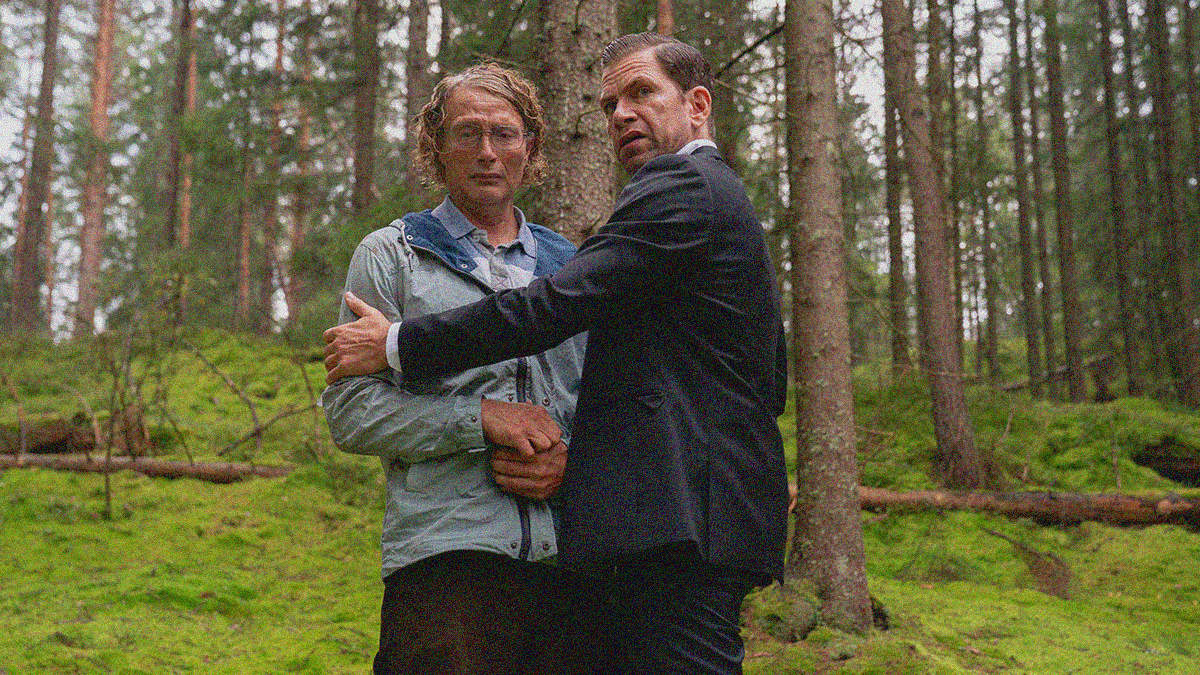
When The Last Viking shifts from this illustrative prologue to Anker (Nikolaj Lie Kaas) shoving a duffel bag of cash into a public locker, I half expected to discover he too only had one arm. That we were perhaps being ushered into an alternate universe wherein those descended from that Viking clan now populated the world with a custom of amputating their babies upon birth. Jensen takes a less literal approach instead, but one that remains just as tragic.
No, Anker and his brother Manfred (Mads Mikkelsen) didn't lose any limbs in their youth. Their father (Lars Ranthe) was less about helping a son feel equal to those around him than beating what made him different out of him so as not to be seen as different himself. Manfred's childhood was therefore a tough existence full of violence and abuse on multiple fronts. Bullies at school attacked him for wearing Viking attire and Dad did the same at home.
Anker was inevitably caught in that wake too—punished for not protecting his brother how their father demanded. He wasn't asked to bully the bullies, though. He was ordered to ensure Manfred didn't do anything that warranted being bullied. That's a lot to put on a kid's shoulders. Especially one with a kind enough heart to choose to wear a helmet so Manfred didn't feel alone instead. Anker chose acceptance over ridicule. He chose Manfred over the world.
But that was then. This is now. Both men are adults living with their older sister Freja (Bodil Jørgensen) and just trying to get by—not an easy task when Manfred's eccentricities often ensure that they all are seen as pariahs. Anker took to crime, stole that cash, and now tasks his brother with hiding it minutes before the police arrive. He believes he'll get out of prison in fifteen years and simply dig the money back up, but a lot changes while he's away.
I honestly wasn't sure where Jensen would go with this story upon Anker's return. Sure, it's funny to watch Manfred hurt himself whenever his brother calls him by his name since he's actually "John Lennon" now, but was the film really going to go down the Dissociative Identity Disorder (DID) route? It's even funnier when Anker's old partner Flemming (Nicolas Bro) punches him in the face before apologizing for the aggression. But is the irony the whole point?
A lot happens in a little time as a slew of characters get introduced to help move this journey forward on parallel tracks. The first is trying to unlock Manfred's fear and discover why he's retreated into another identity by way of listening to a psychiatric doctor's (Lars Brygmann's Lothar) insane idea to find a Ringo (Peter Düring) and a Paul/George (Kardo Razzazi) to reunite the band. The second is forcing Anker to confront how his love for Manfred warped into resentment.
Both paths lead them to the country home where they grew up that's currently owned by Margrethe (Sofie Gråbøl) and Werner (Søren Malling). These two are bizarrely offbeat in their own way and therefore more than happy to let this wild collection of mental patients into their home. Lothar wants to help them all and make a name for himself in medical journals. Anker merely wants "John" to go back to being Manfred so he can tell him where the money is.
Jensen thankfully doesn't delve too far into the DID of it all (Ringo is mute and Manfred may or may not be faking it). He instead uses that notion of multiple personalities and the fluidity/absurdity of identity to get back to the Viking allegory and dig into what it means to be equal and/or different. Is Manfred really that different than the rest of the world? And, if so, is that necessarily a bad thing? After all, everyone wears masks. Everyone misjudges themselves.
Anker thinks he's a bad man and therefore doesn't need to care about his brother anymore. (He also pretends to be reformed to earn parole.) Werner considers himself a fashion designer and children's book writer despite never succeeding in creating anything. Margrethe fancies herself a model who married him because having an "ugly" husband was a way to earn respect. Flemming thinks he's a nice brute because he warns people before doing horrific things to them.
Why do we lose ourselves to labels with no bearing on reality? It's often the same reasons why a DID patient retreats into another identity as a means for survival against whatever triggering scenario it is they find themselves facing. Margrethe must hold onto her looks to maintain a sense of value. Werner does the same with his dreams to manufacture relevance. Manfred becomes "John" to better handle how alone he's felt since his brother went to jail.
There's also a through line wherein this notion of escape is about more than just playing. Manfred became a Viking as a boy to better deal with an abusive household and Anker followed suit to better protect him from that isolation. So, maybe this is all a way for Manfred to coax his brother back into that mindset of a time when they were inseparable. Perhaps Anker won't just leave him again now that he's finally back.
Anker might rediscover that love he once felt in the process. It won't be easy considering the frustration of dealing with Manfred only makes him angrier than he already is, but it proves even more difficult after realizing this "tough guy" exterior is its own survival mechanism. What made Anker so afraid that he needed to shield himself from a long-lost truth that made it so he forgot how to play with his brother and have fun without consequence?
The answer to that question is as dark and violent as you'd expect considering their childhood and it ultimately carries many more. Jensen has never shied from heavy subject matter and he always finds a way to make you laugh out loud amidst the sorrow regardless of how dry or uncomfortable the delivery of the joke proves. I honestly couldn't wait for the next person to call "John" by his real name so I could enjoy his next surreal suicide attempt.
Mikkelsen is truly never better than in Jensen's films because of the freedom to be weird and funny as opposed to stoic and menacing (Bryan Fuller finds that sweet spot in-between). His Manfred is heart-breaking but also inspiring in an ability to never give in to what society demands. And Kaas is right there with him—not always the straight man, but excellent filling that role like he does here. These three know how to bring the best out of each other.
8/10
Renoir

While Renoir is not an autobiography, Chie Hayakawa was also eleven years old when her father was dying from cancer in 1987 Japan. So, while the events that transpire for young Fuki Okita (Yui Suzuki) are fictional, the writer/director is quick to explain that the emotions are real. The girl's yearning to connect at a time when her parents couldn't be there for her is real. And this fact is crucial to understanding the film since a lot of what's on-screen is in Fuki's imagination.
This is simultaneously one of the movie's strongest attributes and one of its most confounding characteristics. Because it's one thing to open with a prologue of Fuki being violently murdered only to reveal it's all an essay she's written for school. It's another to blur the line with a harrowing ordeal concerning a telephone dating service to which Hayakawa never gives a concrete separation. Did her father pick her up? No. Did the date happen? Maybe?
Despite any frustration in the moment, however, that uncertainty is a key part of Fuki's psychology. Making friends with a college student over the phone feels just like making one with a classmate by singing a song to see if she joins in. We're talking about a fifth grader here. Someone who's old enough to know what she needs but not quite old enough to understand how to get it. That's where one's parents usually come in as guides.
But Dad (Lily Franky's Keiji) is confined to a hospital bed awaiting a death sentence the doctors won't give him (we learn that they didn't even provide a diagnosis back then, leading him to research his own symptoms and medications to guess what cancer he has). And Mom (Hikari Ishida's Utako) is struggling to cope with an inevitable future that's always too far away to talk about. So, Fuki is often just left completely alone and to her own devices.
She takes an interest in hypnotism and telepathy. The latter proves to be a fun game she plays by "sending" thoughts about the card she pulled or object she's thinking of into the minds of her audience. The former leads to an intriguing interaction with a neighbor (that may or may not have happened) wherein Fuki learns more about death and adulthood then she probably should ... not that anyone else is being careful about shielding her from it.
Utako talks on the phone about her husband's impending demise while Fuki is in the room. She purchases funeral attire to be prepared and often makes it seem like grief has been replaced by impatience. Hayakawa uses a deft hand to deal with these situations so that the woman doesn't come off as callous. She's also hurting. She's confused and angry just like Fuki. And her desire for human connection leads her to find it in not so healthy ways too.
The result is a slow-moving glimpse at isolation from every angle. Utako yearning for romance outside of her caretaking duties. Keiji's desperation for any activity to remind him what it means to live whether it be a visit to the horse track or a pile of work he doesn't need to worry about anymore. And Fuki's search for answers where it concerns reconciling the need to be sad with the childhood ambition to have fun. They're all looking for an escape.
Sadly, their only real path towards it is for Keiji to finally die and release them all from the purgatory that we find them in. How could they live with themselves if they actually admitted that, though? He needs to keep fighting even if that means spending way too much money on a miracle cure he knows won't work. Utano needs to keep being the dutiful wife even if she knows it won't save him. They're expending so much energy that Fuki is getting left behind.
But there's also some great insight into Japanese cultural at the back of this story for westerners to experience. Whether it's the idea that Utako needs to take training on how to better speak to her subordinates via a class that must be adapted to Japanese "modesty" or Fuki's inability to "burden" others with her emotions to the point where she shocks her English teacher with a last-minute revelation, the psychological ramifications of death aren't easily traversed.
It's why I love what Hayakawa says about not writing this movie in her twenties before having children of her own. She says that version would have been "destitute and egocentric" insofar as depicting her pain as a product of everyone else's indifference. But now she understands her parents' solitude too. That they were suffering just as much as her due to the lack of finality inherent to their circumstances. If only they could have openly talked about it together.
So, while Renoir can feel a bit detached and confounding in parts, that's kind of the point. It's forcing us to feel what the characters feel. The constant waiting. The mixed emotions. The darkly violent potential of "death" that the news perpetually feeds us. The guilt of just wanting it all to end. But also the hope that Fuki and Utako can move forward once it does. That they can reconnect in the aftermath and live again on their own terms.
7/10
Spider-Noir (Season One)
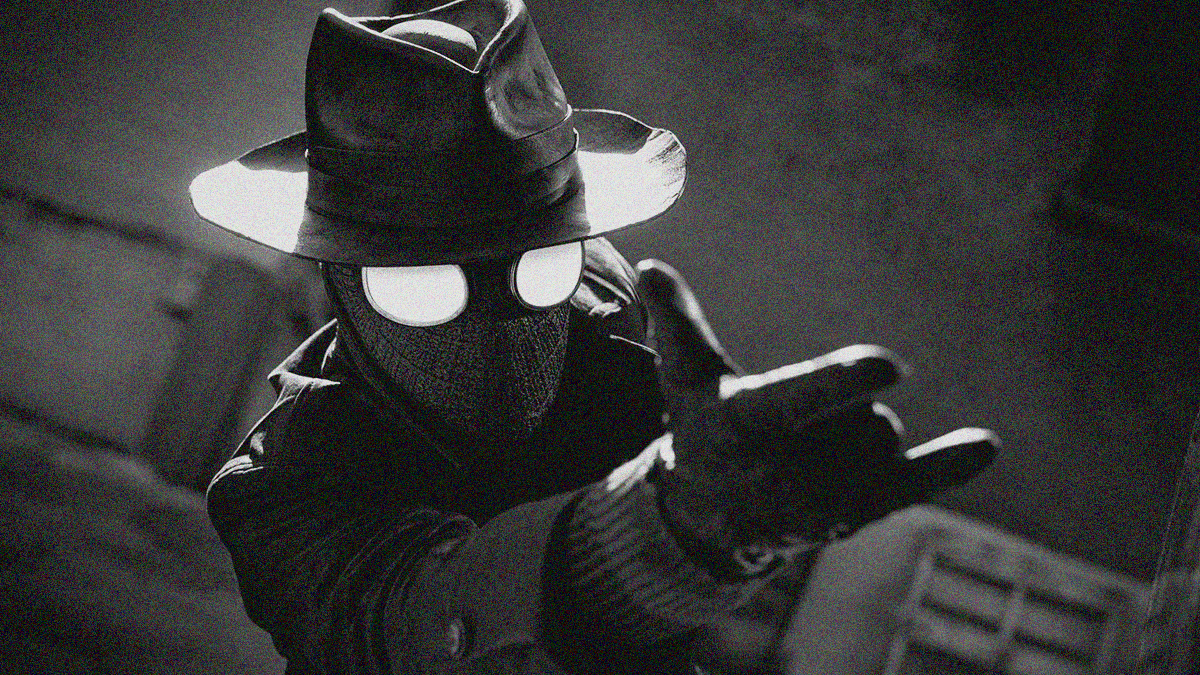
Just when you thought the live-action Marvel universe was getting less confusing with Sony shuttering their ill-fated "Spider-Man without Spider-Man" series of antihero villain-centric films, both studios (Marvel and Sony) decide to enlist a third (Amazon MGM) to expand their Spider-Verse franchise via Prime instead of Disney+ or Netflix, respectively. It's way too many moving parts to drill down into, so let's just be happy "Spider-Noir" becomes its own isolated thing.
Is this the same Spider-Man Noir we meet in those animated gems? I honestly don't know. Both are played by Nicolas Cage, so that's something. But I do believe the cartoon version is Peter Parker (like the comics) whereas this new version is Ben Reilly (a name generally reserved for Scarlet Spider). Around halfway through the eight-episode run created by Oren Uziel, however, we learn "Ben" isn't this version's real name after all. We just don't find out what it really is.
So, unless Shameik Moore, Hailee Steinfeld, or Jake Johnson make a cameo in season two, we can assume Ben Reilly Private Detective is on an island alone to grieve the loss of his fiancé Ruby (Amanda Schull). He blames himself for her death and, as a result, retires the "Spider" suit and his ability to love so as not to risk further heartache. To his secretary Janet Ruiz's (Karen Rodriguez) chagrin, that decision leads to five years of professional and personal stagnation.
We therefore meet Ben at a pivotal crossroads in a Prohibition-era New York City that's all but been taken over by gangster Silvermane (Brendan Gleeson) now that "The Spider" disappeared. The has-been hero doesn't care, though. He's embraced his newfound nihilistic outlook by getting drunk and pushing Janet to the brink of quitting due to a complete absence of cashflow. That's when Ben's old life comes crashing back into focus via femme fatale Cat Hardy.
Li Jun Li's lounge singer is initially a mark Ben is hired to catch in the act of infidelity by her husband. Then she's a potential victim whose wellbeing pushes Ben to sling a web despite his abstinence. And, finally, she's a mover pulling the strings of those around her, sexually manipulating men to underestimate her, and trying to save her own love story from an encroaching dead end. Her presence in Silvermane's inner circle puts Ben on the fringes of superheroism again.
Uziel and company do a great job crafting a film noir mystery within the confines of this alternate universe. The language is hard boiled. The PI/femme fatale dynamic's witty banter brings a smile to your face. And the filmmaking itself pays homage to the genre in myriad ways (the most obvious being a The Lady from Shanghai climax of mirrors). The series is also available in "Authentic Black and White" and "True-Hue Full Color" to add to the aesthetic ... if willing.
Cage talks about this choice being a reason for doing the show. He wants new audiences to experience the black and white tint to hopefully use "Spider-Noir" as a gateway into the cinematic greats he loves using as inspiration for his roles. I watched a couple episodes in color and found them to have better overall visual clarity, but the affectations and cinematography do feel a lot more fitting in the monochrome. The special effects look great in both.
Speaking of Cage's inspirations (most notably German Expressionism), he's having a blast here. The Dashiell Hammett by way of Humphrey Bogart language pattern is obvious from the beginning, but the physicality shines in the back half once we learn more about the origins of Ben's powers. Between the ticks, spider-poses, and drunken movements when depression sets in, it's impossible not to enjoy the over-the-top comedy within this otherwise severe world.
Because Silvermane is all business (often quizzically asking the smart mouths surrounding him if he's missed a joke before threatening to kill them). Cat is too underneath the flirtations and necessity for self-preservation. The same can be said for Silvermane's right-hand man Winston (Lukas Haas), their muscle Flint "Sandman" Marko (Jack Huston), and conflicted outsider Lonnie "Tombstone" Lincoln (Abraham Popoola). It's all life, death, and money.
Dirk "Megawatt" Leydon (Andrew Lewis Caldwell) eventually lightens things up with wannabe actor grandiosity, but his psychopathy ensures our laughs are at him rather than with. We need that contrast, though, considering both Flint and Lonnie haven't yet lost their souls. But everyone can't be dramatically complex. Some of the villains need that "love to hate them" air to keep us entertained. Dirk is a nice foil to Ben's sarcastically dry wit as another touchstone of irreverence.
What begins as a search for a mole in Silvermane's organization ultimately leads to the discovery of "Sandman", "Tombstone", and "Megawatt's" powers—abilities Ben had a monopoly on until now. That commences the mystery into finding how they got those powers (cue WWI flashbacks), how they can be manipulated for evil, and whether Ben's condition is related to turn him into a potential lab rat for a cure. He'd love to be rid of the responsibility heroism demands.
Add reporter Robbie Robertson (Lamorne Morris) to the mix as a long-time ally of Ben's and we even get a welcome story arc about journalistic integrity that's delivered in earnest rather than the broad satire of J. Jonah Jameson's usual cutthroat tabloid antics. Where's the line between a good story and one that sells? How does the way in which you report on something turn a human angle into exploitation? It speaks to a major through line of this series: trust.
Well, in that vein, I'd say you can trust Uziel and crew to keep you entertained on both a contemporary and noir level. They get the tone perfectly and let the chaos of superpowers fit authentically into the time period. It's definitely more about the clandestine discoveries than action-packed brawls, but there are enough of the latter to satisfy waning attention spans. And I love that the characters are allowed to be flawed and problematic (save Janet's pure heart).
It's also just fun to have an aging, ornery Spider-Man drinking himself to death while feigning indifference to the darkness consuming his city. Janet and Robbie know how to push his buttons, clues to his past reignite his curiosity, and maybe Cat can even thaw his cold heart (before ripping it out again like so many other iterations of this character archetype). Think of it as a re-origin story of sorts. A satisfying kick in the pants to set up future cases within this singular world.
7/10

This week saw Nine Months (1995) added to the archive (cinematicfbombs.com).
Robin Williams dropping an f-bomb in NINE MONTHS.

Opening Buffalo-area theaters 5/29/26 -
• Athidhi at Regal Elmwood
• Backrooms at Dipson Amherst, Flix, Capitol; AMC Maple Ridge; Scene One Market Arcade; Regal Elmwood, Transit, Galleria, Quaker
• The Breadwinner at Dipson Flix, Capitol; Scene One Market Arcade; Regal Elmwood, Transit, Galleria, Quaker
• El Kalam Ala Eh at Regal Elmwood
• Kattalan at Regal Elmwood
• Pressure at North Park Theatre; Dipson Flix, Capitol; Scene One Market Arcade; Regal Elmwood, Transit, Galleria, Quaker
• Pressure Cooker Regal Transit
• Steal This Story, Please! at Scene One Market Arcade
Streaming from 5/29/26 -
• Miss You, Love You (HBO Max) – 5/29
• The Moment (HBO Max) – 5/29
• Propeller One-Way Night Coach (Apple TV) – 5/29
• Psycho Killer (Hulu) – 5/29
• Smothered (Shudder) – 5/29
• Dreams (Starz) – 6/1
"So, good on Franco for pushing boundaries and the cast and crew for their excellent work. I only wish the result sparked an epiphany rather than a concussion." – Full thoughts at HHYS.
• Jimpa (Hulu) – 6/4
• Maa Behen (Netflix) – 6/4
• Poldi (Netflix) – 6/4
• The Murder of Rachel Nickell (Netflix) – 6/4
Now on VOD/Digital HD -
• Animal Farm (5/26)
• Desert Warrior (5/26)
• Fuze (5/26)
"Every maneuver places us front of mind to surprise, reward, or confuse. It’s a highly addictive candy bar of a movie that should satisfy anyone’s sweet tooth." – Full thoughts at The Film Stage.
• Kangaroo Island (5/26)
• Kontinental '25 (5/26)
"His point is always clearly elucidated and the actors embrace the dialogue and emotions to lean into the tragedy of our current world and the absurdity of it getting worse. Soon it will just be empty buildings and unmarked graves." – Full thoughts at HHYS.
• Mermaid (5/26)
• Over Your Dead Body (5/26)
• Two Prosecutors (5/26)
"The film’s progression through bureaucratic black holes and intentional tactics meant to wear down the Soviet Union’s last honorable citizen is thus toeing the line between farce and thriller. We’re watching in a constant state of unease." – Full thoughts at HHYS.
• Two Women (5/26)
"Gonthier-Hyndman and Leboeuf are both fantastic as they seek to balance the scales of their lives. There's no right answer and the film refuses to pretend the opposite." – Full thoughts at HHYS.
• Blind Cop 2 (5/29)
• The Last Viking (5/29)
Thoughts are above.

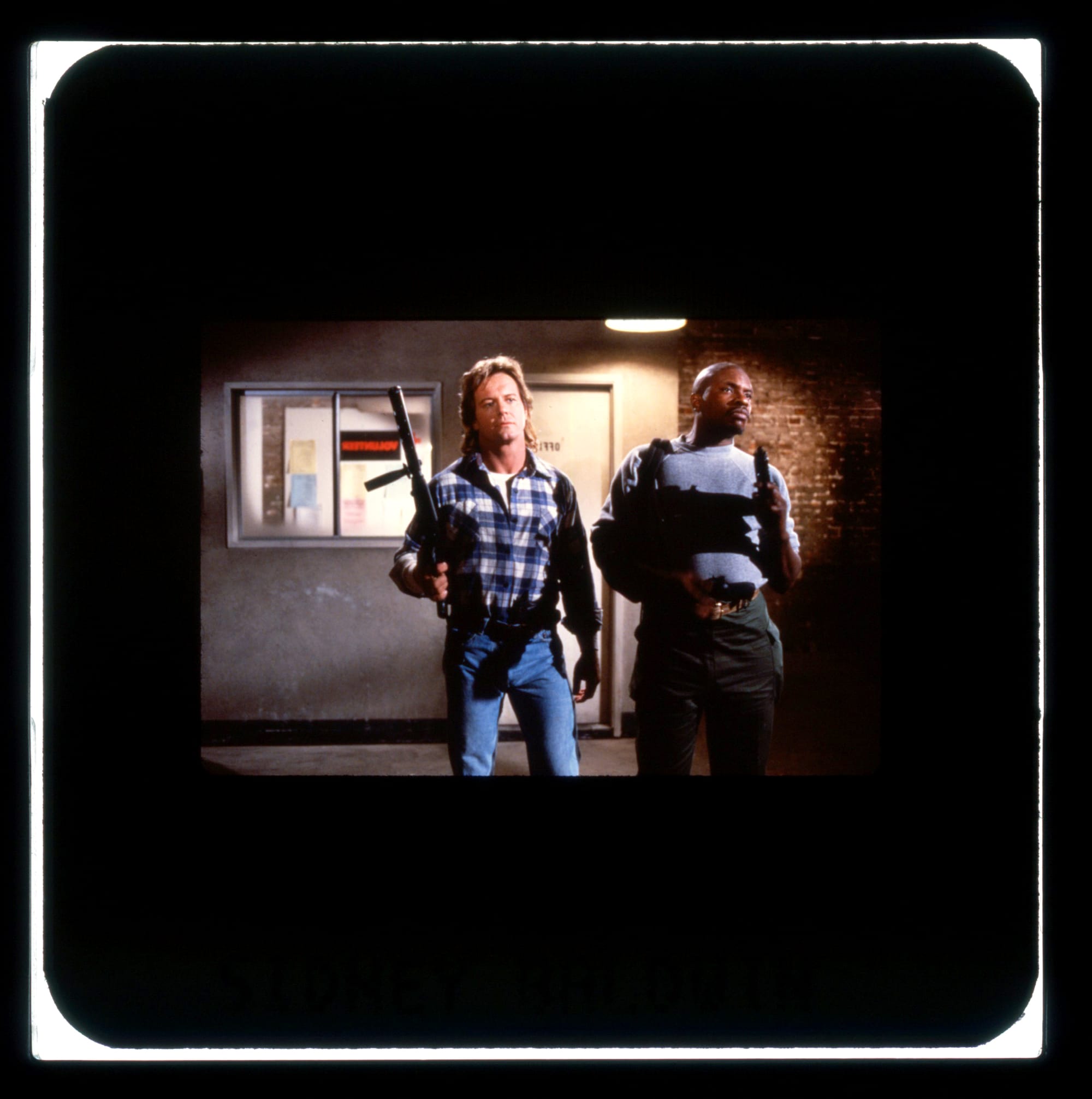
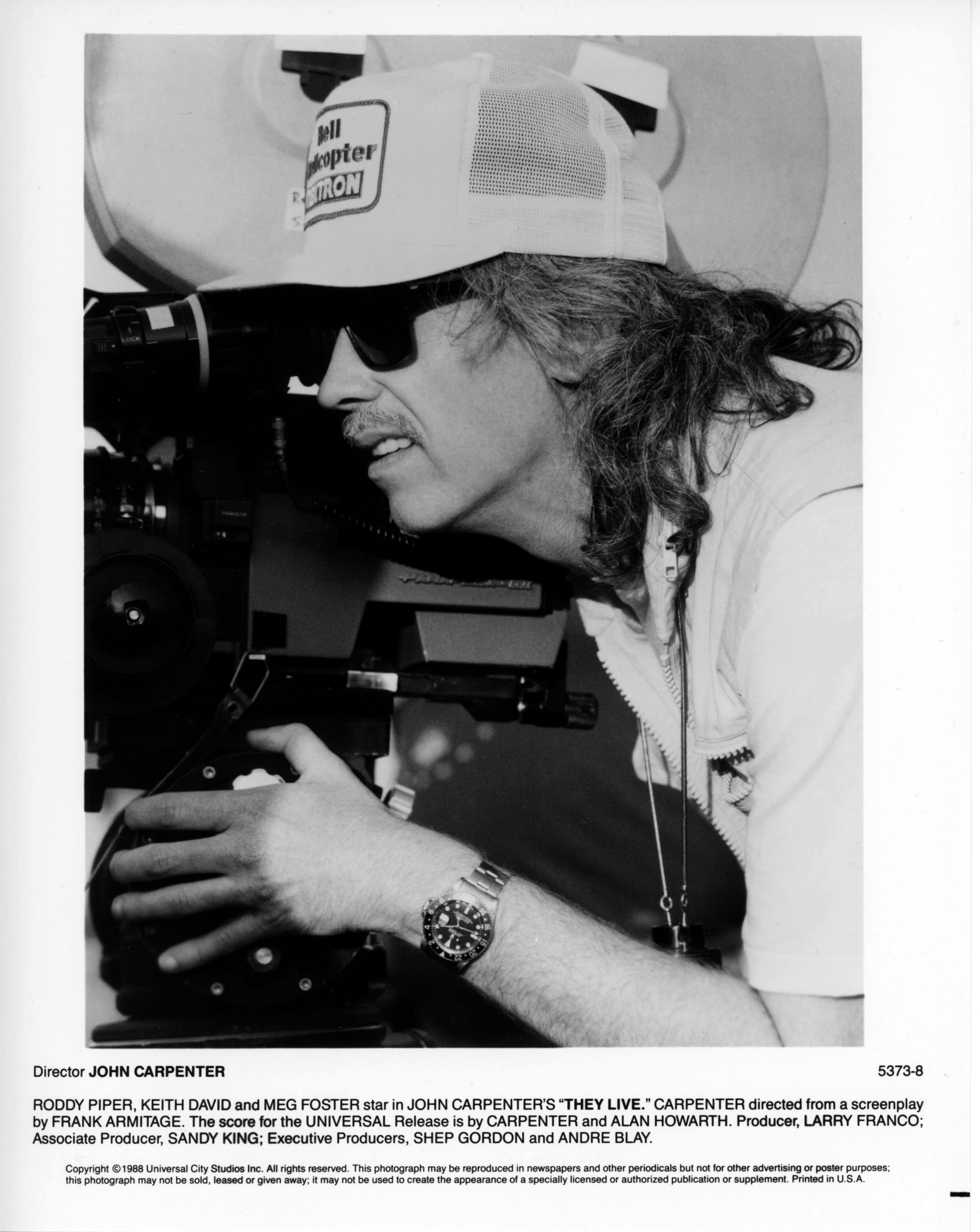
Pieces from the They Live (1988) press kit.