Week Ending 5/8/26
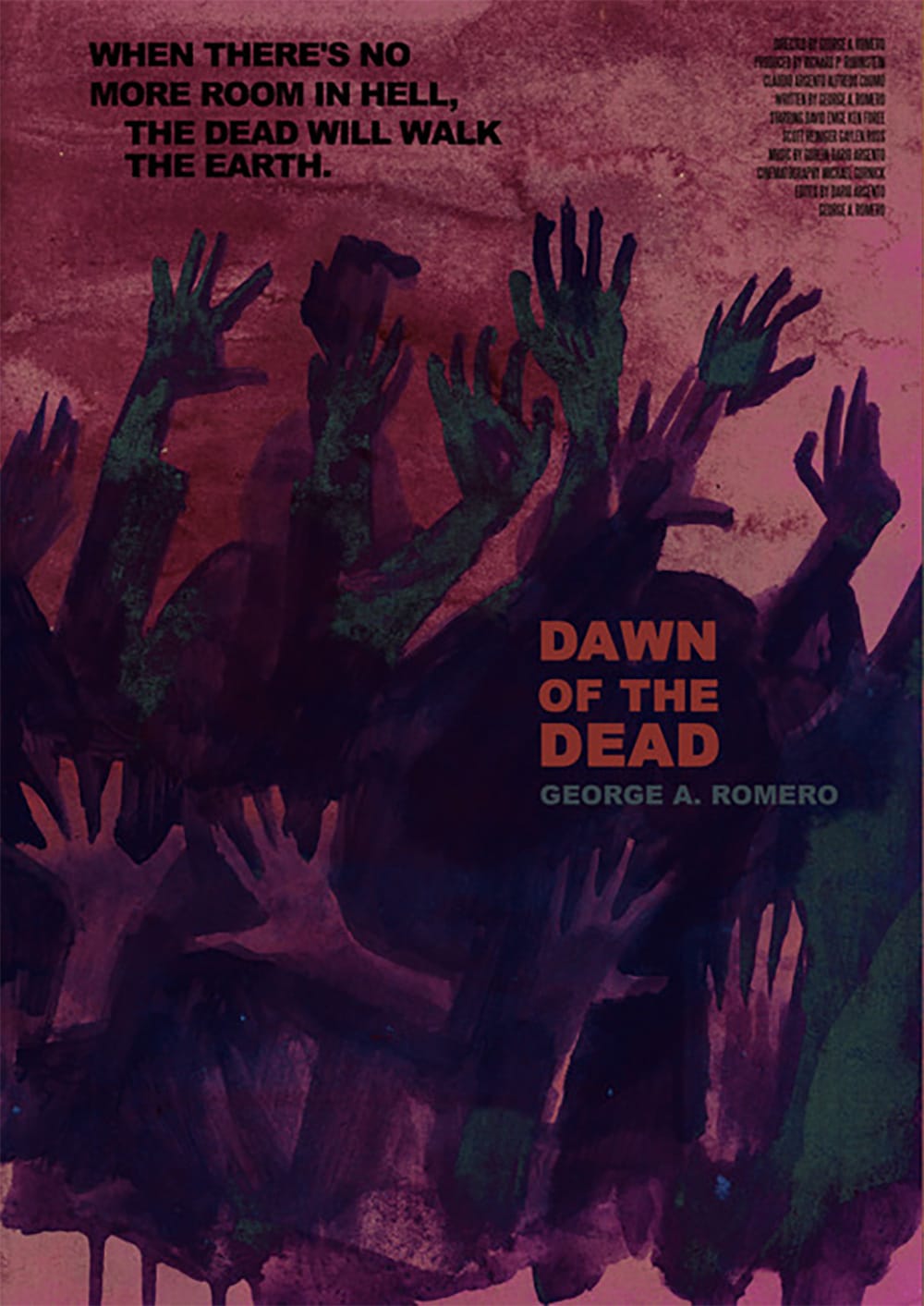
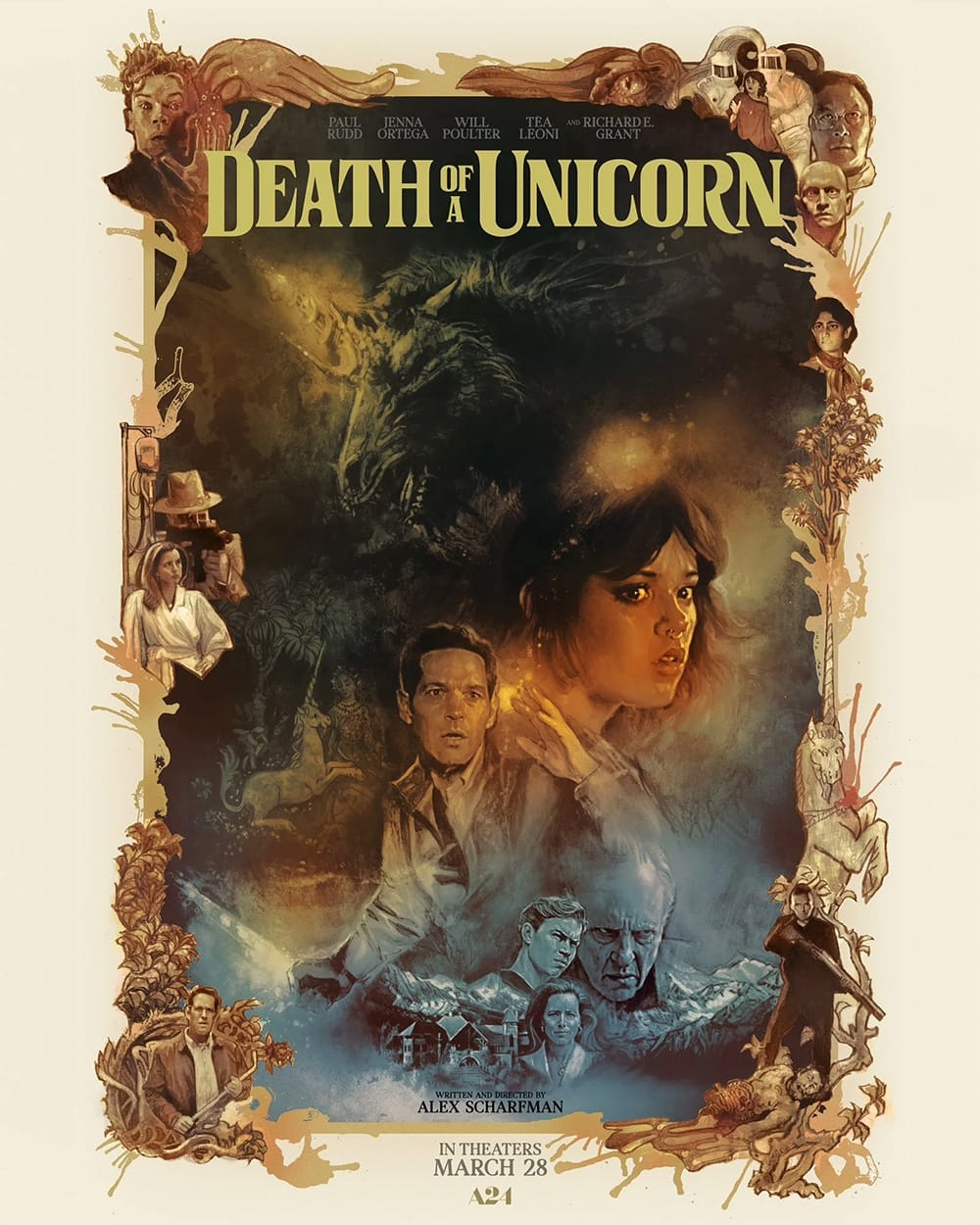
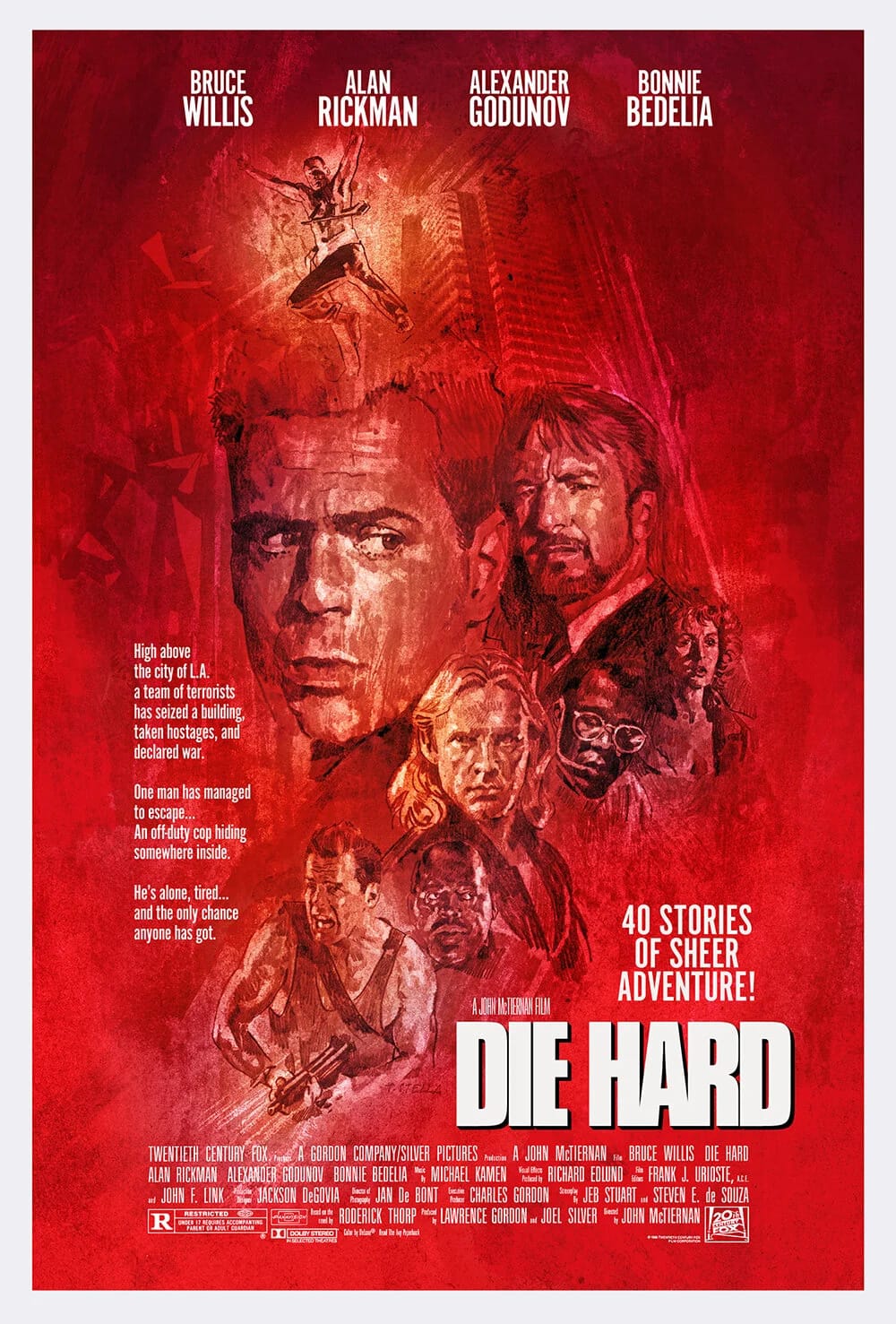
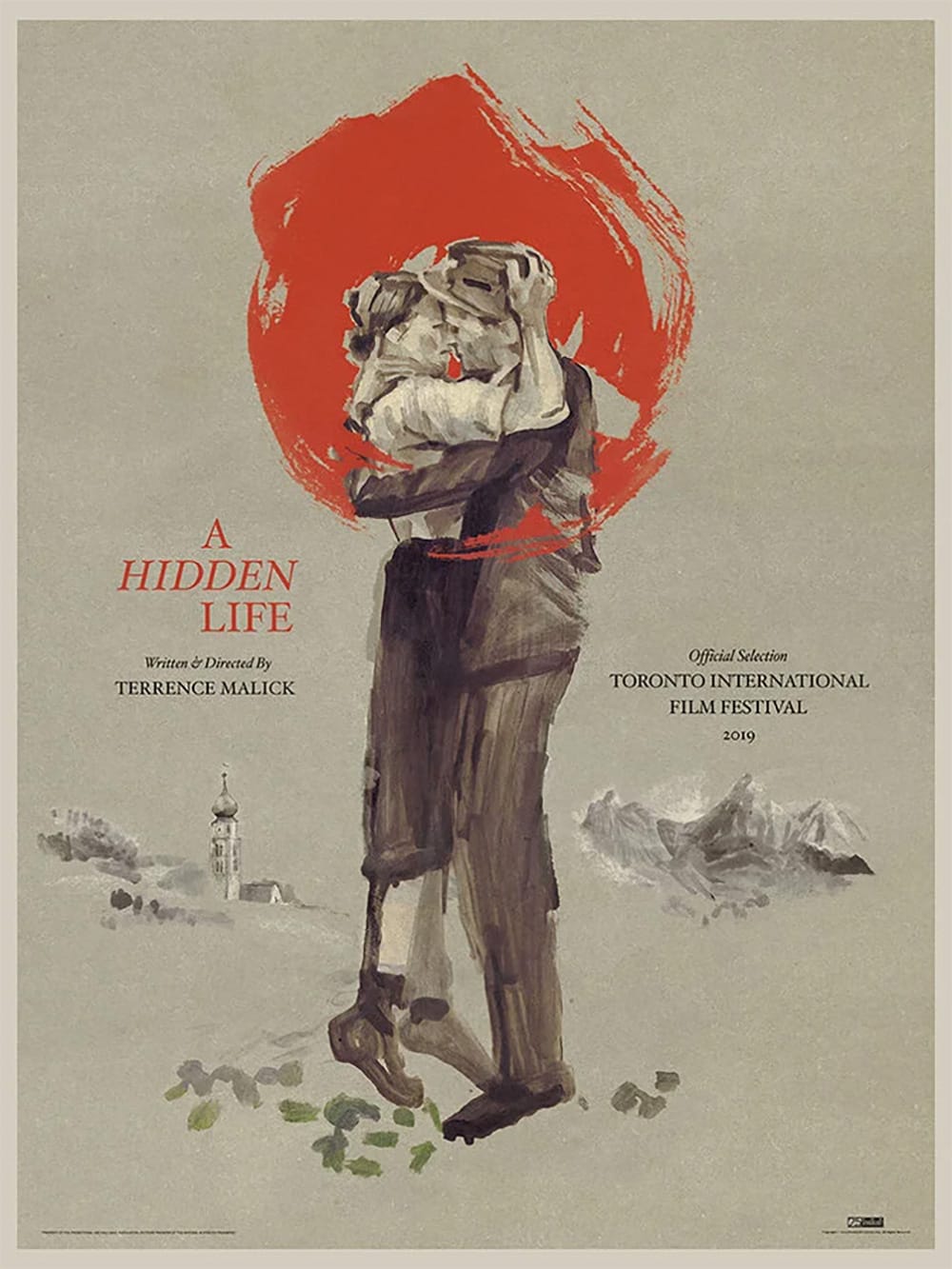
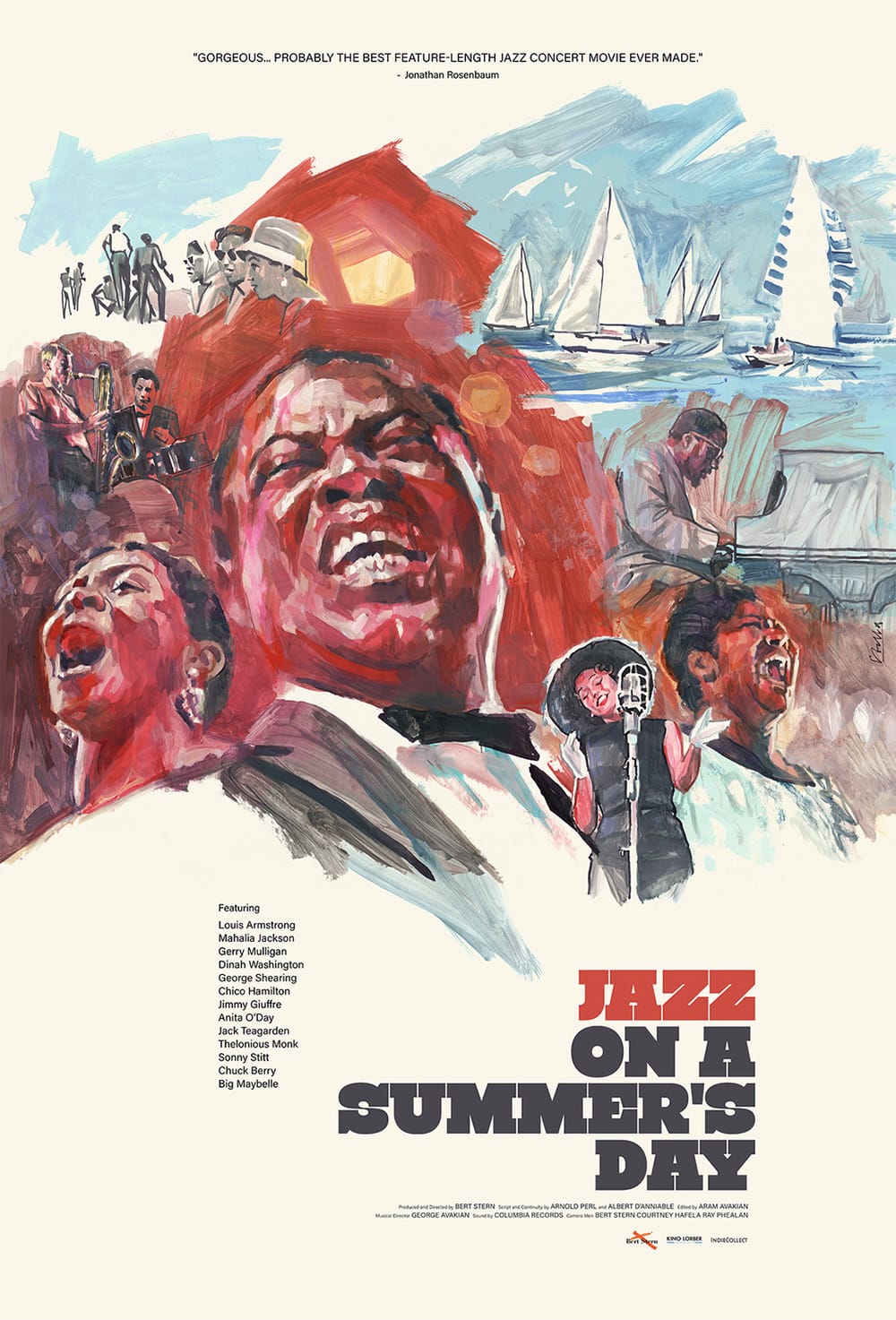
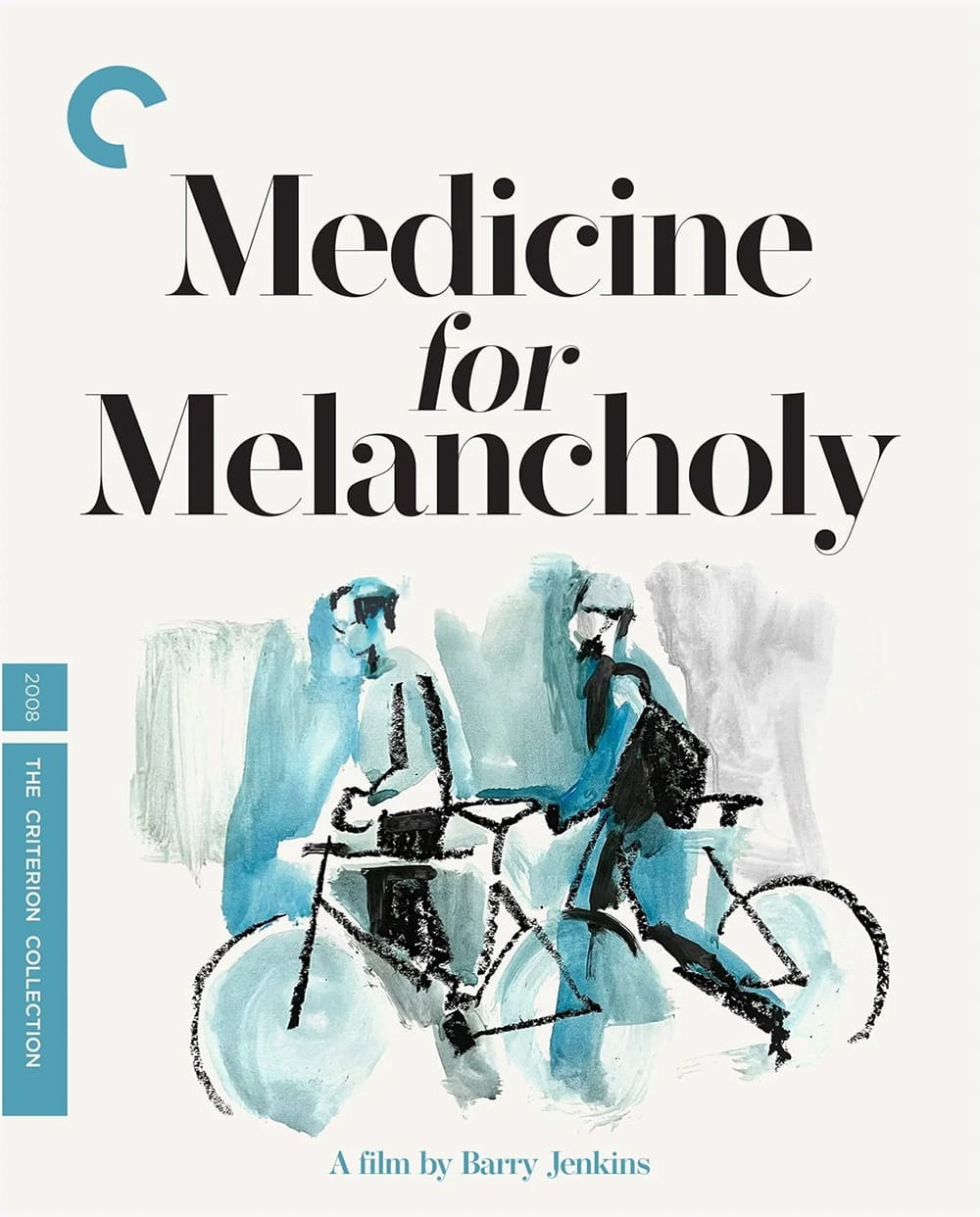
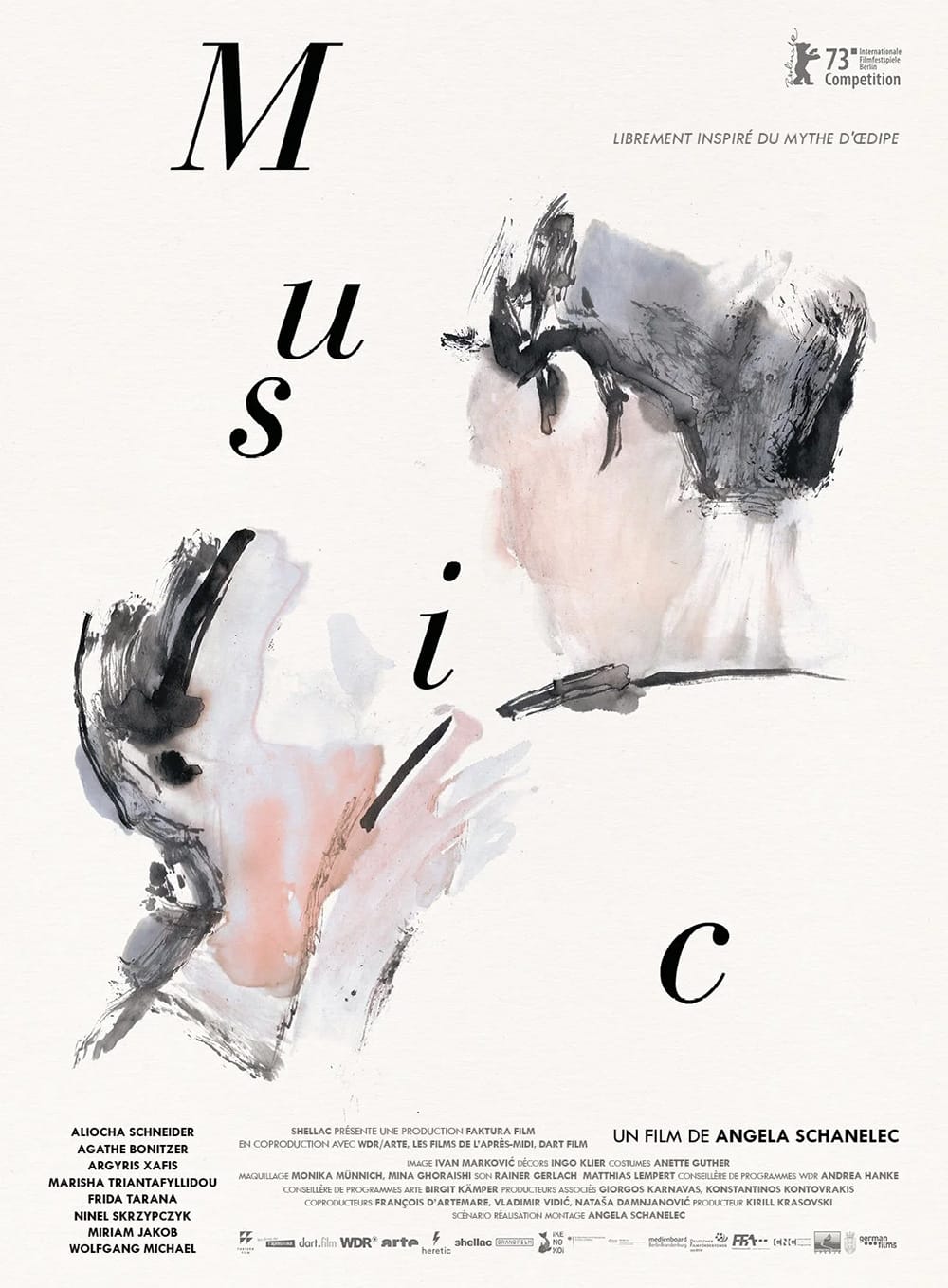
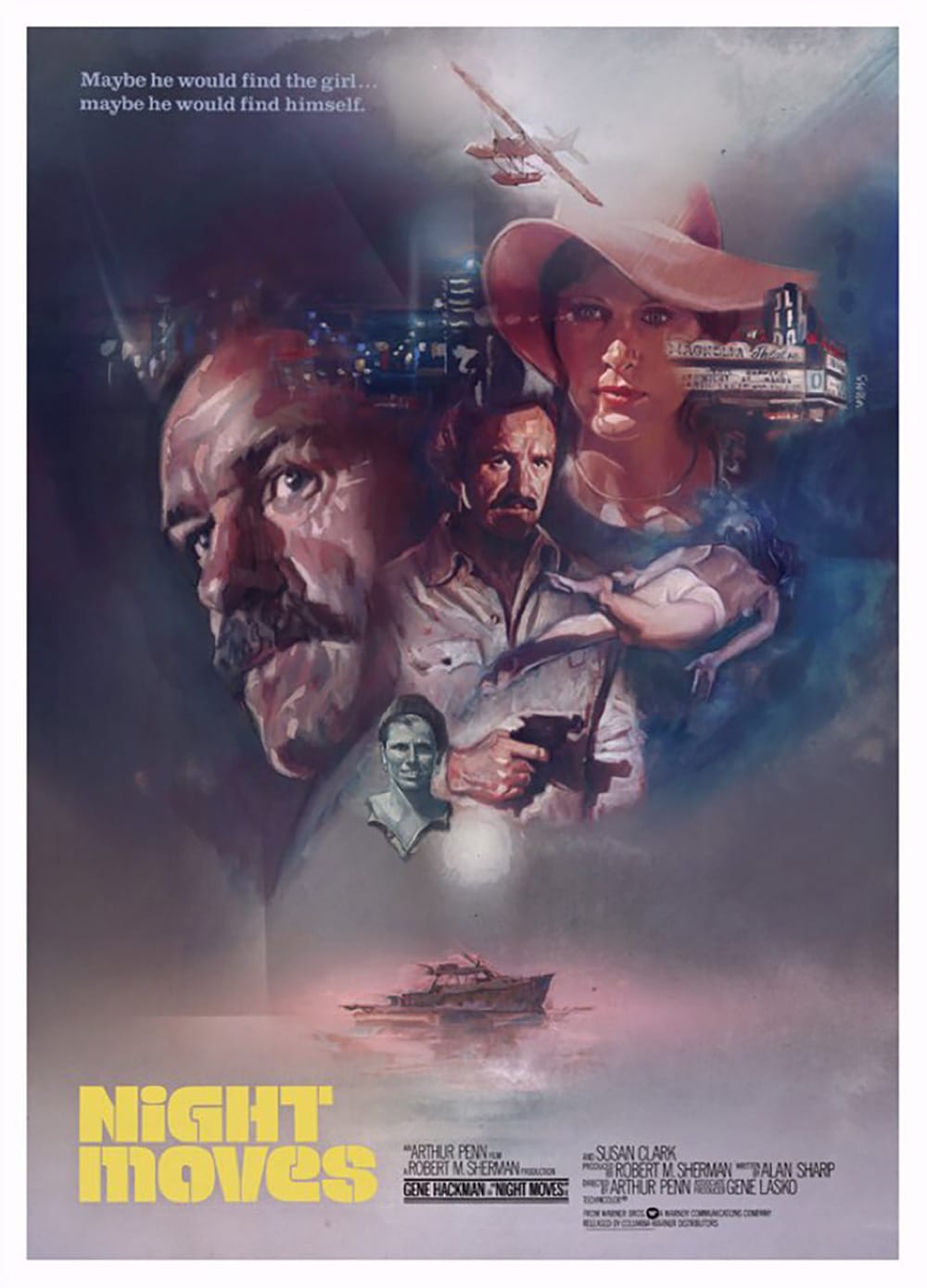
RIP Tony Stella

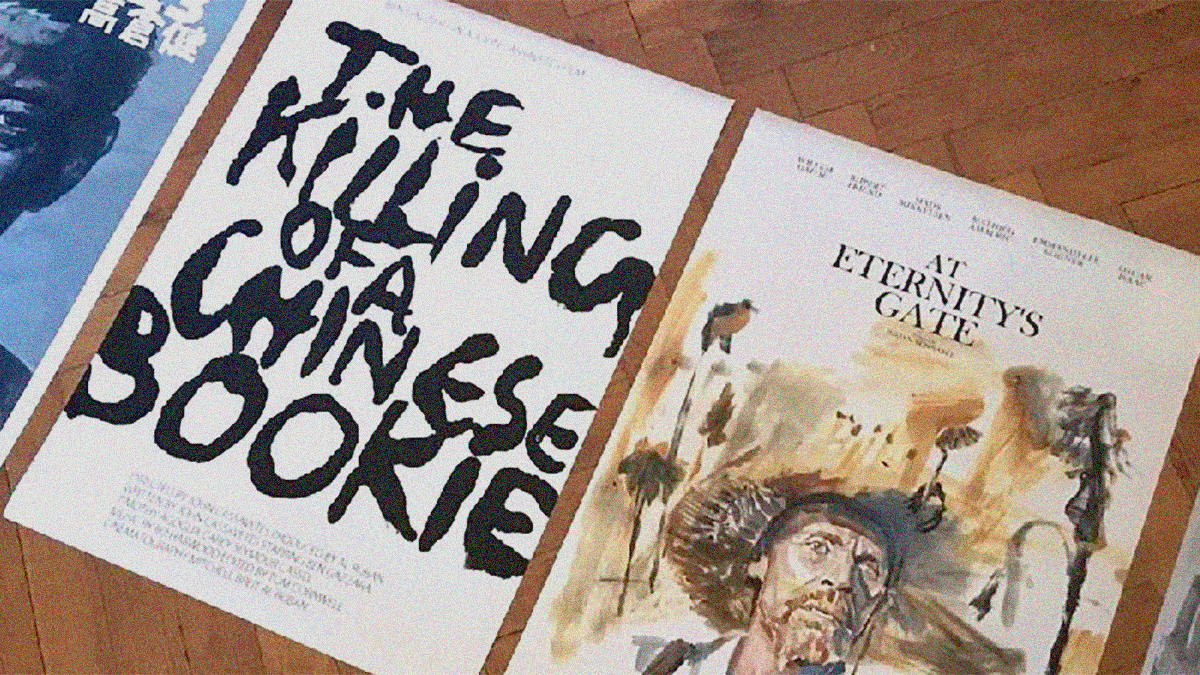
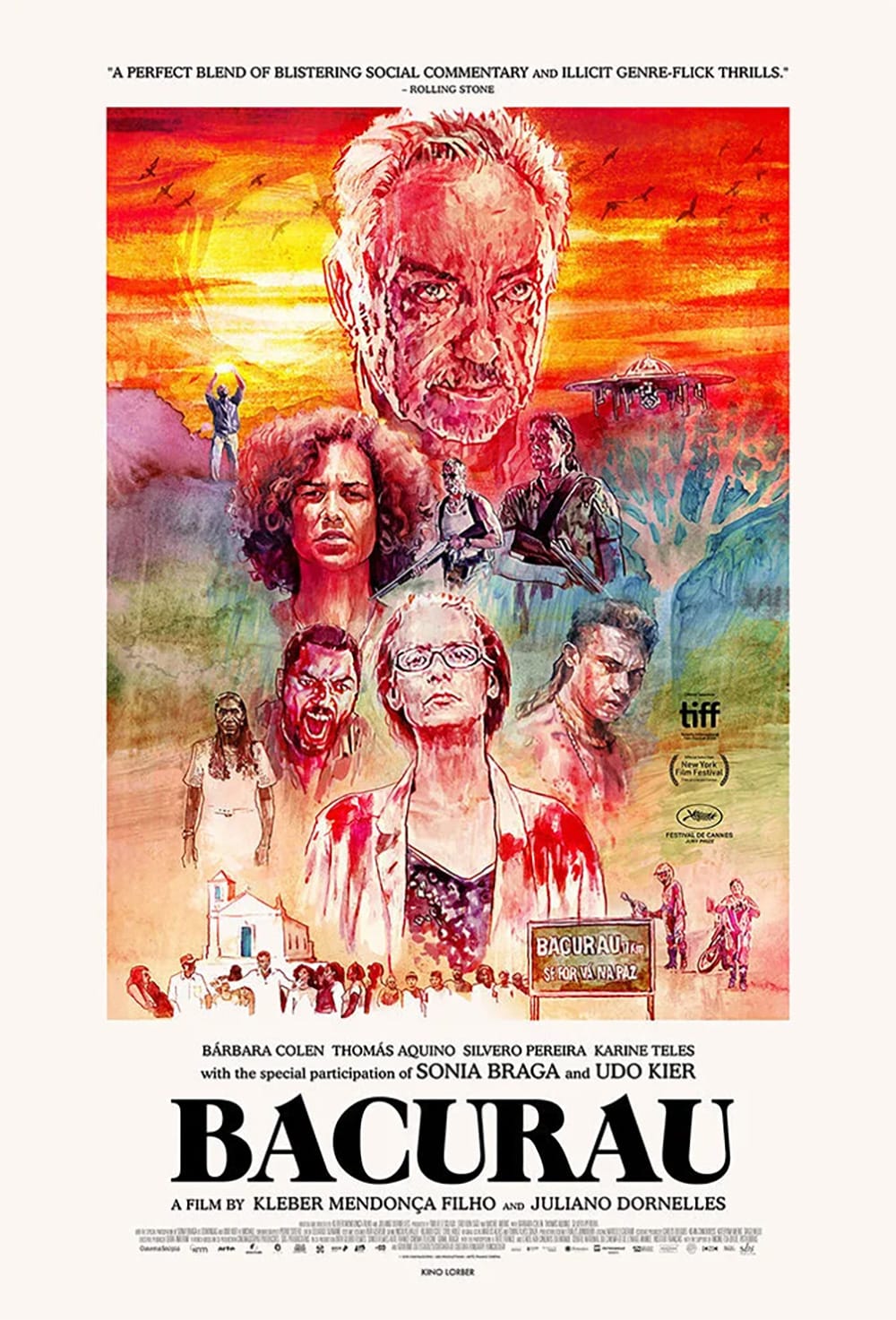
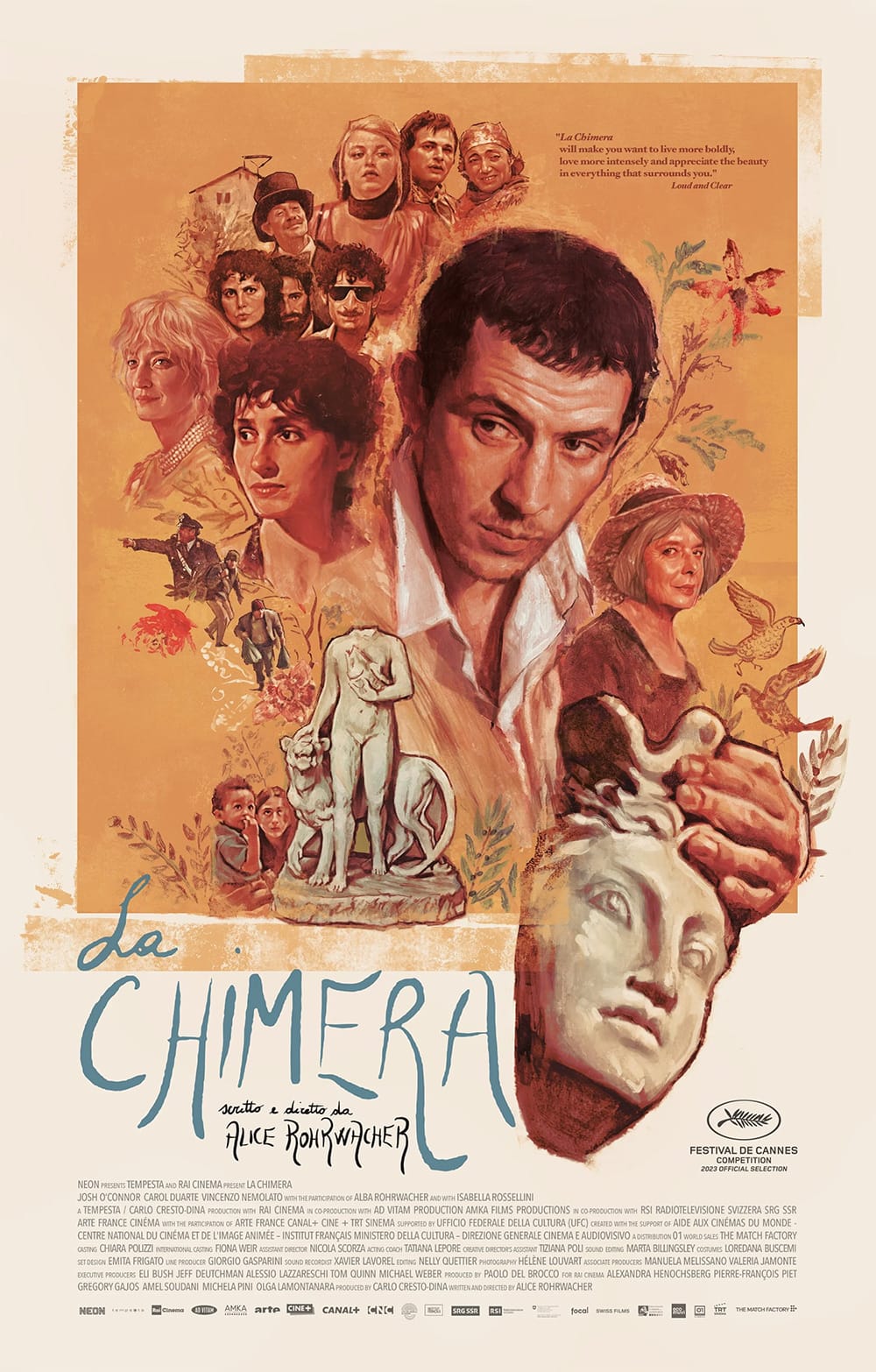
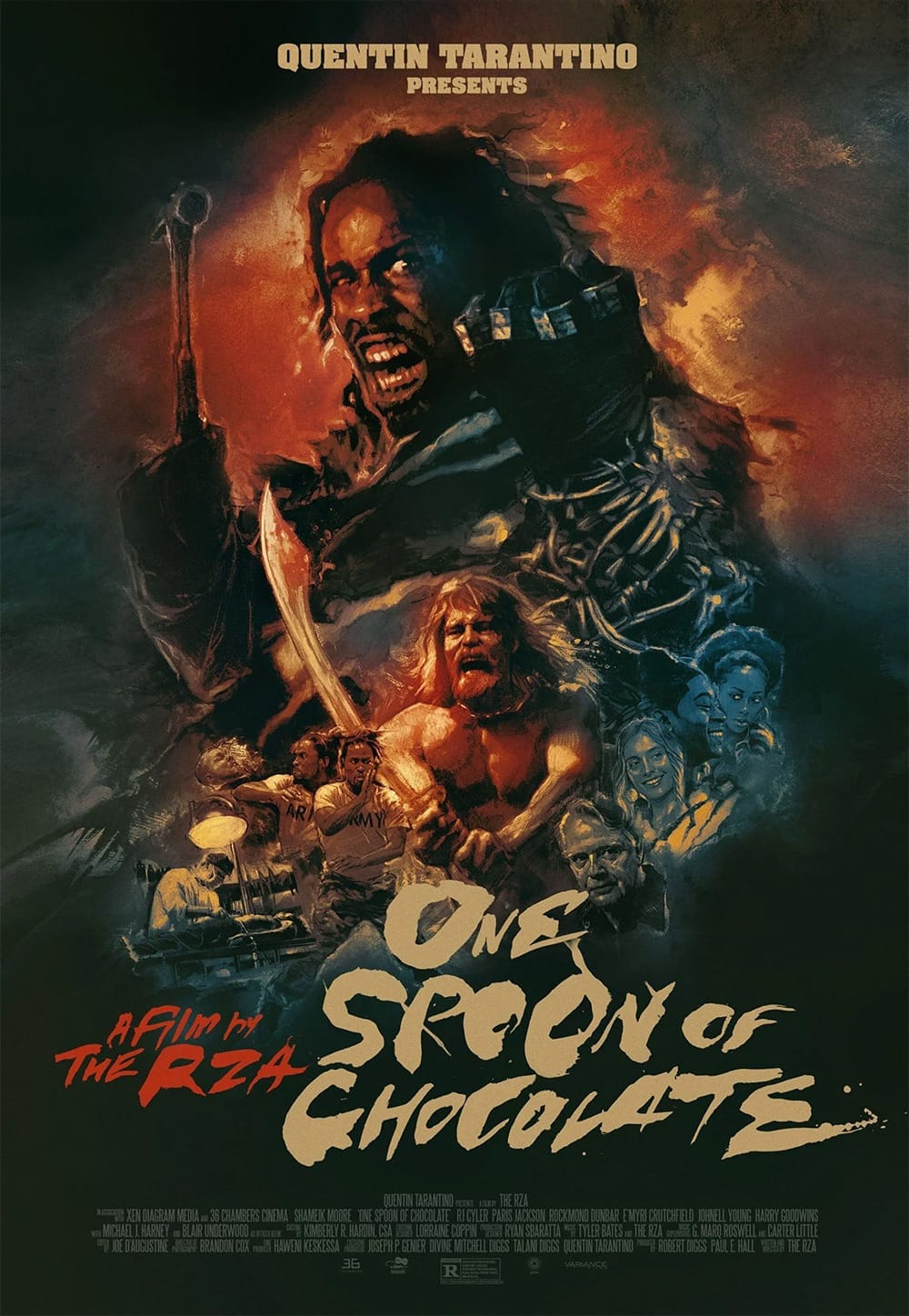
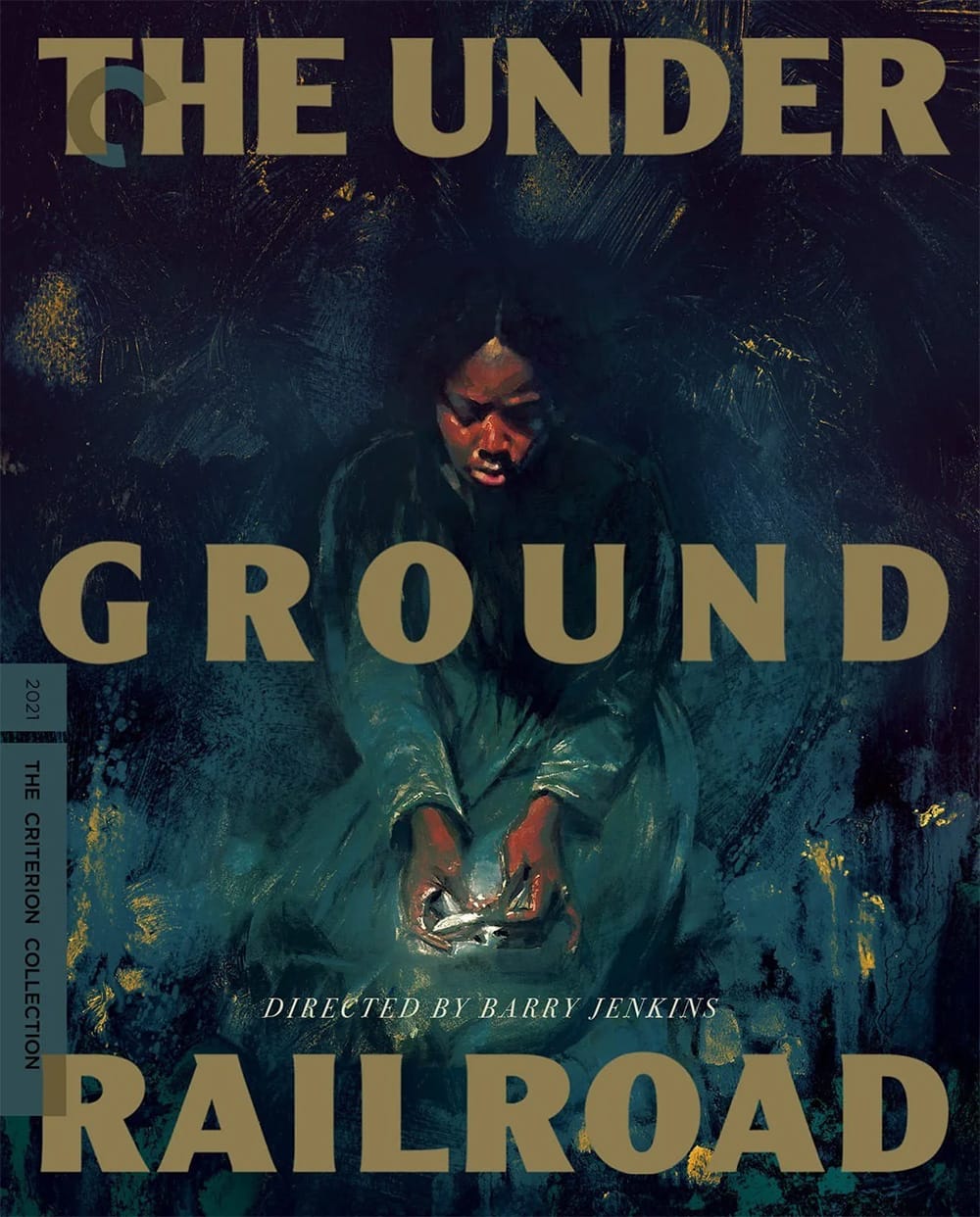
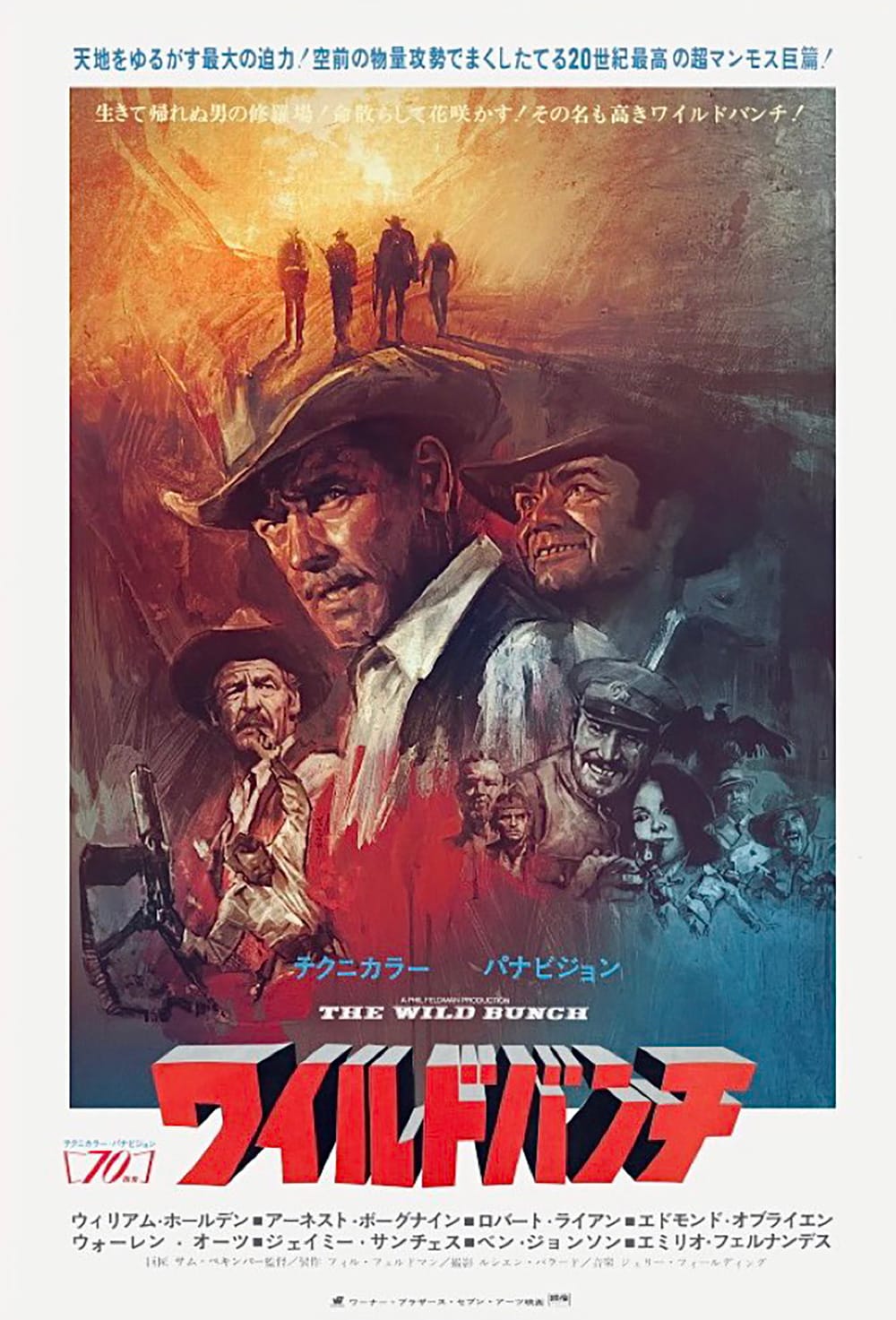
I was sad to hear about the passing of artist Tony Stella this week.
The news broke via his long-time collaborator and friend Midnight Marauder on social media and it traveled fast as fans, contemporaries, and clients all wrote about how much they loved the man and the artwork.
I first came across his prolific portfolio on Twitter before discovering his wealth of knowledge about Japanese and Chinese cinema via all the film stills he posted. You could sense that each shot was probably used as inspiration for an older piece or about to be used for a new one because it was rare that Tony didn't have a photo of a polished canvas or gesture study on the daily. It truly seemed as though he never took a day off.
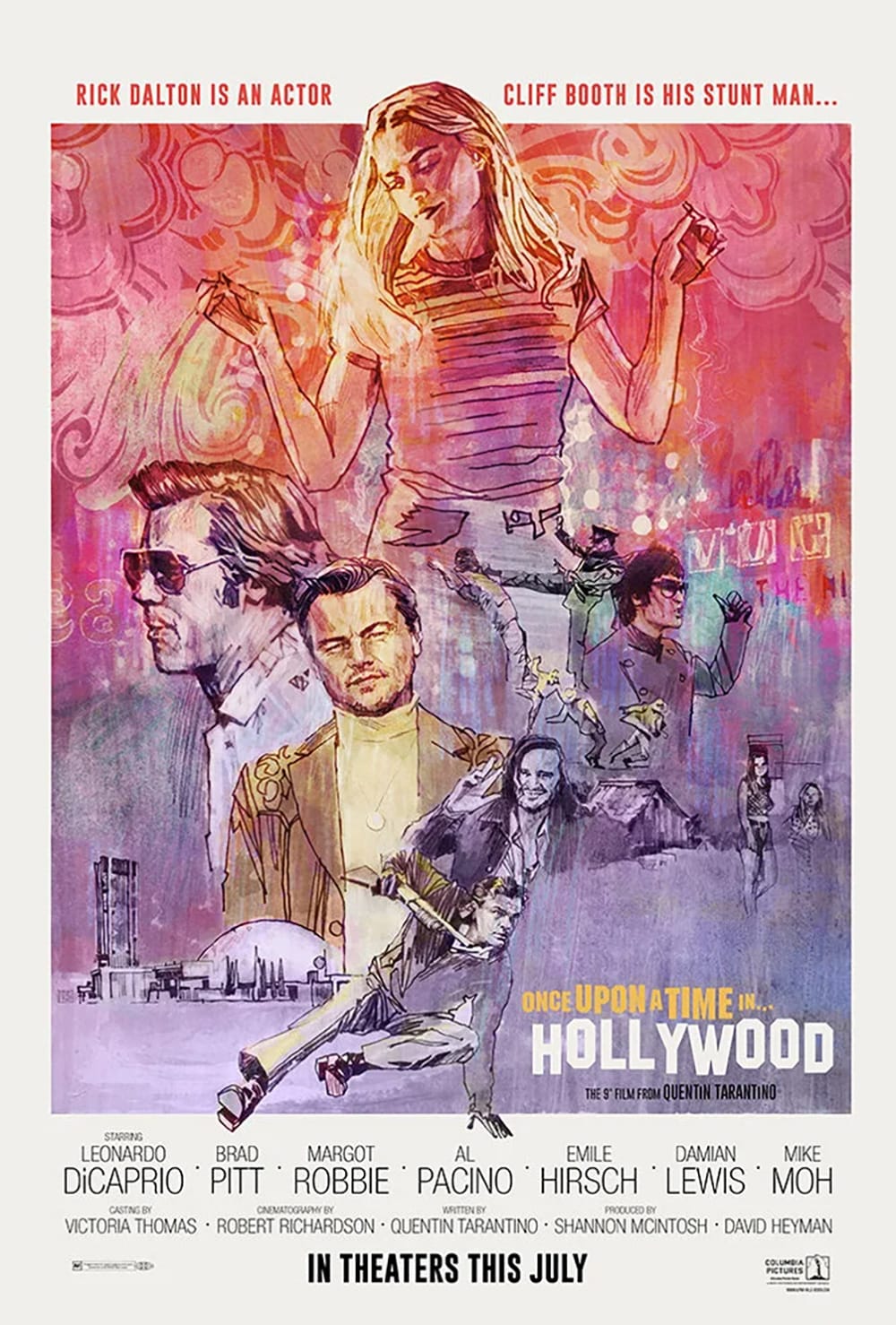
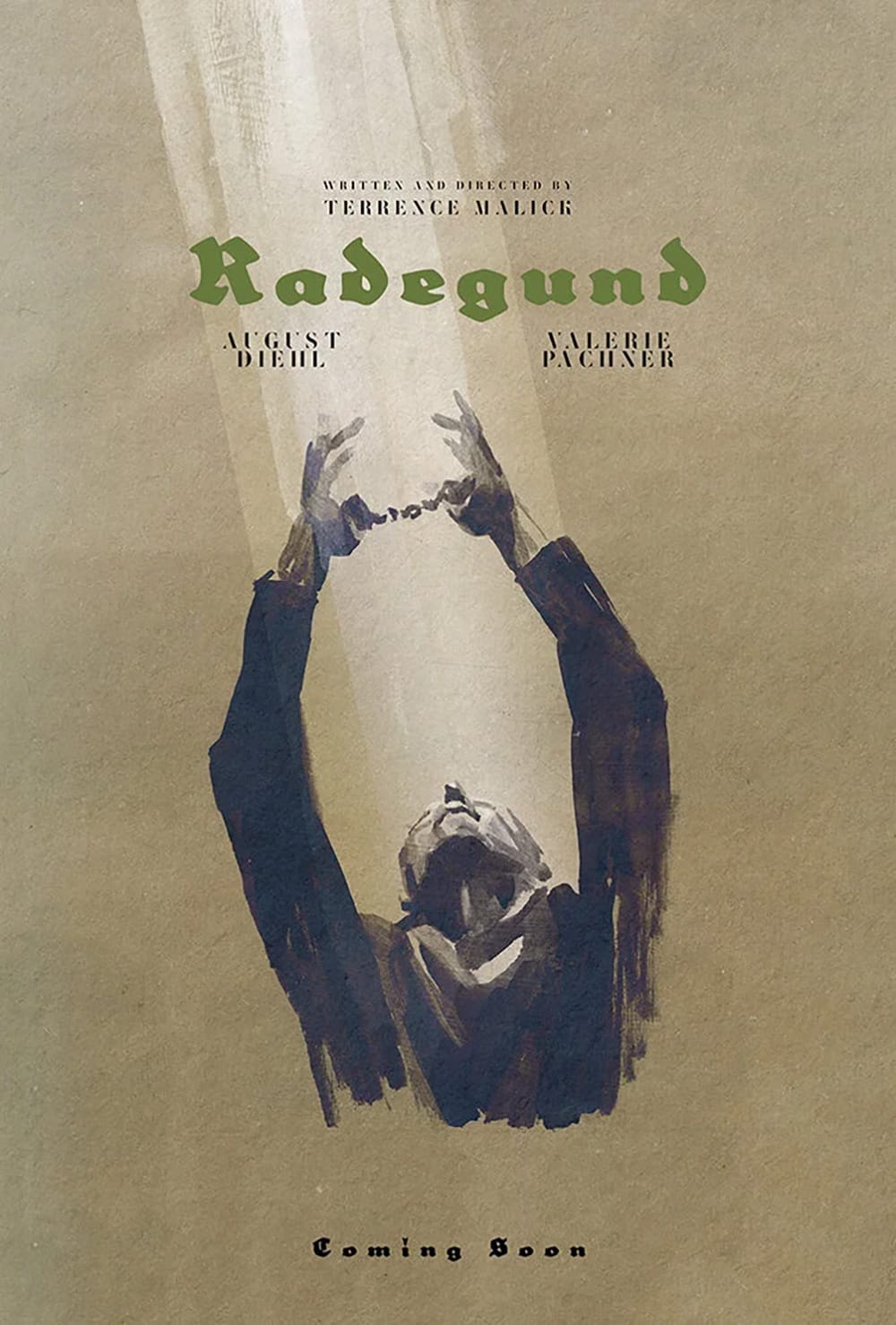
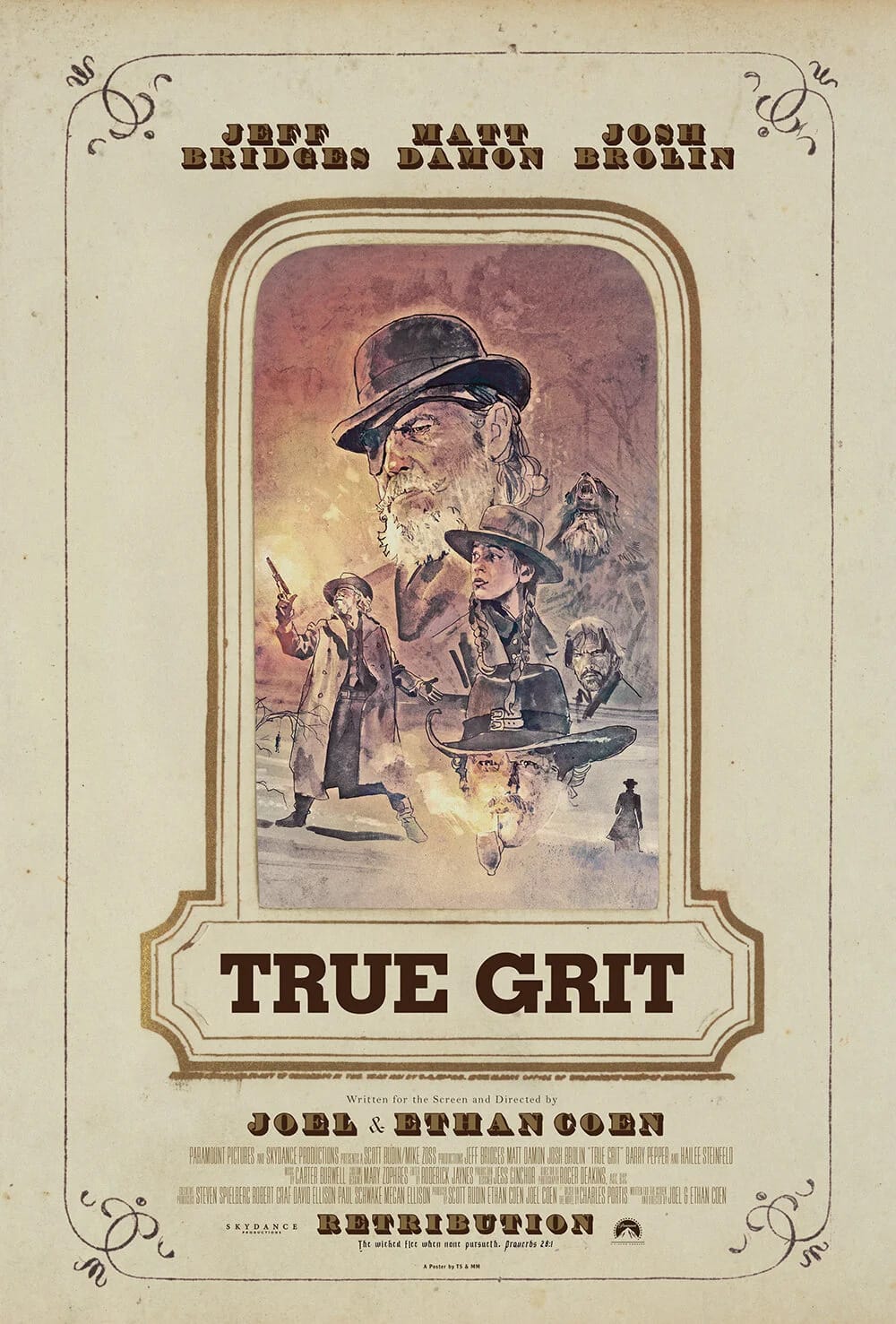
It was therefore a match made in Heaven when the news broke that Midnight Marauder and Stella were joining forces to create their design shingle Alphaville. The former's layout and typography married with the latter's singular illustrations created some of the most indelible film-related pieces of the last decade. Their alt for Once Upon a Time in ... Hollywood was literally shared everywhere in 2019.
So, I wanted to both pay tribute to Tony and share some of my favorites here in case any of you were unaware of his talent and impact on the industry as a professional working inside it (countless home video companies including Criterion commissioned him) and fan having fun outside it (with so many alt sheets typeset in a mix of English, Japanese, and Chinese).
See even more of his work here.



The Other Bennet Sister
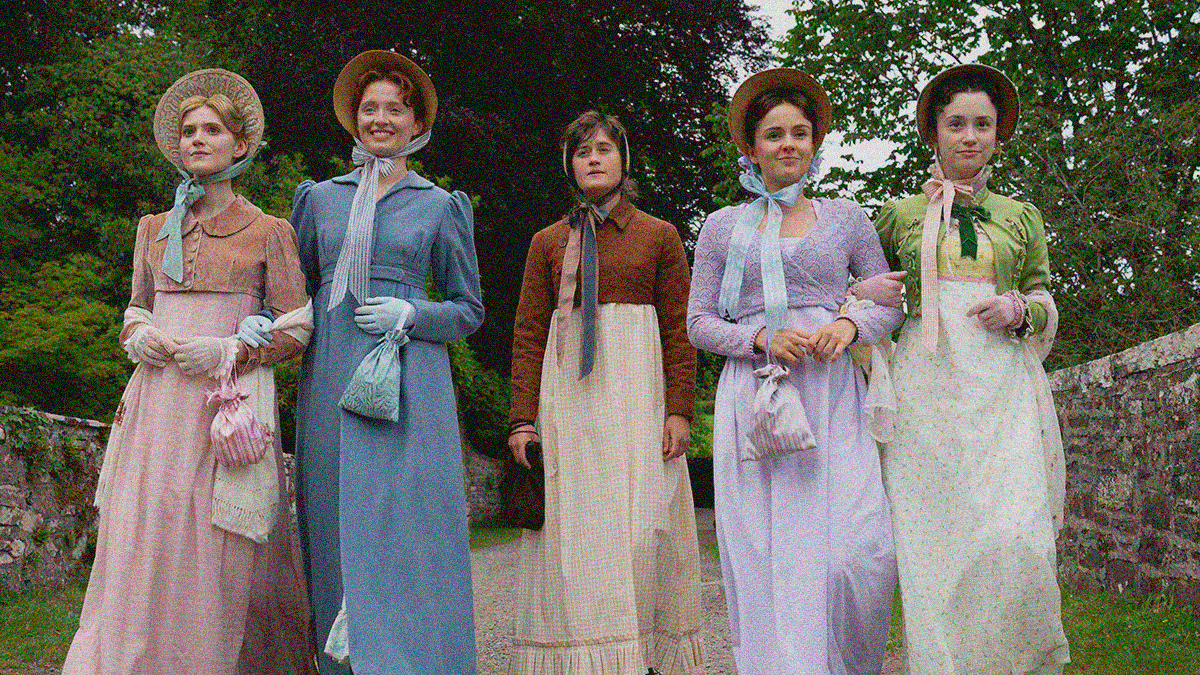
As has often been done throughout literary history, Janice Hadlow sought to reimagine a classic from the eyes of a non-lead character in 2020. Whereas Jane Austen's Pride and Prejudice focused on the romance of Elizabeth Bennet and Mr. Darcy, Hadlow's fiction debut The Other Bennet Sister would instead place its readers into the head space of the former's sister Mary to show how the family's black sheep escaped the circus to ultimately tread her own path.
Adapted by Sarah Quintrell (who's credited as writer on nine of ten episodes), BritBox's "The Other Bennet Sister" introduces us to Mary's (Ella Bruccoleri) unfortunate place within the Bennet hierarchy straight away. The other four girls (Maddie Close's Jane, Poppy Gilbert's Lizzie, Molly Wright's Kitty, and Grace Hogg-Robinson's Lydia) giggle about parties and jockey for position on the matrimonial stage while Mary keeps her nose in a book.
It's both a product of desire and survival wherein the order proves somewhat a chicken versus egg scenario. Education provided a means with which to avoid the societal chaos of being a woman during the Napoleonic Wars as well as a way to steer clear of her mother's (Ruth Jones' Mrs. Bennet) constant putdowns. This headstrong nature was therefore the identity that made her unsuitable for a proposal and the coping mechanism necessary to accept that truth.
As the themes of the show (and surely the novel) soon reveal, however, that's not the truth at all. Friend of the family Charlotte's (Anna Fenton-Garvey) idea that a woman's fate relies solely upon two choices—marriage or misery—was more horror story to keep young girls' eyes on the prize than scientific study. It became a self-fulfilling prophecy wherein the pressure of being saved by a man usurped the idea that happiness in poverty was better than despair in wealth.
The first two episodes are set at the Longbourn estate where the Bennets reside in constant anxiety due to Mr. Bennet (Richard E. Grant) having no male heir. As a result, his untimely death would mean the almost certain eviction of Mrs. Bennet and any daughters who hadn't yet found husbands and lodging. It's why she works so hard matching the girls with men of great financial status. And why she hides Mary in the corner to not risk ruining the game for her sisters.
It's a demoralizing reality since Mary can neither enjoy the spoils due to being ignored and left to her own devices to discover happiness she's not allowed to have nor fully avoid them since her mother's entire existence revolves around this charade. Mrs. Bennet chides her for trying and mocks her for not. Her sisters take up that cue themselves in their shared pursuit for a husband (to varying degrees of intent). And Mary is left in a purgatorial place of shame and embarrassment.
Thankfully, that's when her uncle (Richard Coyle's Mr. Gardiner) and aunt (Indira Varma's Mrs. Gardiner) enter the fray as saviors. The latter sees all too well the pain with which her niece suffers from the overbearing nature of her sister-in-law. She, along with Longbourn's head maid Mrs. Hill (Lucy Briers), knows that Mary needs to free herself from the long shadow of her immediate family and the country if she's ever to find a way forward on her own terms.
A fresh start is exactly what London affords. Mary can get her feet wet as an independent woman working as governess to her cousins without needing to be constantly compared to her sisters and ridiculed by her mother. She can build her own wardrobe, meet new friends (Varada Sethu's Ann Baxter), and perhaps even find love. Or, since her crushes are either attached (Dónal Finn's Mr. Hayward) or very unattached (Laurie Davidson's Mr. Ryder), at least find a love in herself.
That is the overall point, after all. Hadlow didn't write this book to show that even the bookish, socially awkward girls can find love. She wrote it to show that society's patriarchal rules are inherently biased towards the man. Men are allowed to be socially awkward (Hayward) and rebellious (Ryder) without suffering any consequences while women are doomed to be pariahs. Whether these men want her is moot. She should be able to decide her own future.
Don't get me wrong, though. She does want them too. Maybe it's love. Maybe it's fun. Maybe it's merely the act of finally being seen. Mrs. Gardiner might deliver her fair share of pointed looks throughout the series (Varma is great in the role), but they are as much about playing therapist insofar as deprogramming Mary from the malicious indoctrination of her provincial youth as they are covert matchmaker. She reveals how the world is bigger than Mrs. Bennet's ego.
The show proves a resounding success at getting that message out. Sometimes it can be pretty on-the-nose, but it's often delivered in entertaining enough ways to excuse the narrative handholding. And there is also more than its fair share of emotionally potent exchanges to cut through the artifice and lay out the hypocrisies, frustrations, and sorrows inherent to the subject matter. Episode seven's night scene between Mary and Lizzie is a major highlight.
It's also just fun to see how things progress outside of Austen's margins. Quintrell doesn't let Victor Pilard's Mr. Darcy utter a single word. The way that Mary unwittingly becomes embroiled in a rivalry with Miss Bingley (Tanya Reynolds) is always good for a laugh. And I loved the different ways Bruccoleri endears her Mary to the show's men by seeing them as human beings like she wishes to be seen herself (especially Ryan Sampson's Collins and Fergus Craig's Hurst).
The unorthodox romances are quite good too whether Finn's equally unsure footing in the realm of love or Davidson's anarchy clouding the difference between actually loving someone and just liking when they allow him to be the version of himself that he loves most. Their Hayward and Ryder are in such contrast that we can't help but enjoy the absurdity with Mary whenever they're on-screen together. Two goofs as uncertain of their place in the system as she is.
So, it really does come down to the Aristotle "our happiness is in our own hands" ethos permeating "The Other Bennet Sister" from the start. You cannot please everyone—especially those who can't be pleased (credit to everyone for keeping Mary's relationship with her mother authentically complicated). The only person worth pleasing is therefore yourself. Then, as your truest self, you might just be comfortable and confident enough to find that someone who loves you too.
7/10

This week saw Kindergarten Cop (1990) and Last Action Hero (1993) added to the archive (cinematicfbombs.com).
Frank McRae dropping an fbomb in LAST ACTION HERO.

Opening Buffalo-area theaters 5/8/26 -
• Barry Lyndon 4K at North Park Theatre (select times)
• Billie Eilish - Hit Me Hard and Soft: The Tour at Dipson Flix, Capitol; AMC Maple Ridge; Scene One Market Arcade; Regal Elmwood, Transit, Galleria, Quaker
• Colors of Time at North Park Theatre (select times)
• Godari Gattupaina at Regal Elmwood
• Eyes Wide Shut 4K at North Park Theatre (select times)
My thoughts from 2016 after another North Park screening at jaredmobarak.com.
• Krishnavataram at Regal Elmwood
• Meet Me at the Eclipse at Regal Galleria
• Mortal Kombat II at Dipson Flix, Capitol; AMC Maple Ridge; Scene One Market Arcade; Regal Elmwood, Transit, Galleria, Quaker
• Neglected at Regal Galleria, Quaker
• The Sheep Detectives at Dipson Flix, Capitol; AMC Maple Ridge; Scene One Market Arcade; Regal Elmwood, Transit, Galleria, Quaker
Streaming from 5/8/26 -
• Greenland 2: Migration (HBO Max) – 5/8
• No Place to Be Single (Prime) – 5/8
• Remarkably Bright Creatures (Netflix) – 5/8
• We Bury the Dead (Hulu) – 5/8
• Whistle (Shudder) – 5/8
• The Love That Remains (Criterion Channel) – 5/12
• Marty, Life Is Short (Netflix) – 5/12
• Untold UK: Jamie Vardy (Netflix) – 5/12
• The A List: 15 Stories from Asian and Pacific Diasporas (HBO Max) – 5/13
• The Bus: A French Football Mutiny (Netflix) – 5/13
• GOAT (Netflix) – 5/14
Now on VOD/Digital HD -
• André Is an Idiot (5/5)
• The Drama (5/5)
• A Great Awakening (5/5)
• Lorne (5/5)
• Nesting (5/5)
"Peau à peau begins as a postpartum drama [but also reveals itself to be] a ghost story. This duality allows the film to tread through horror tropes as more than merely metaphor." – Full thoughts at HHYS.
• Ready or Not 2: Here I Come (5/5)
• Buffet Infinity (5/8)
"I’m certain someone will break it down in chart form to try and figure out all the references and connections at the back of its manmade evil vs. supernatural evil drama. Others will merely enjoy the fun bits." – Full thoughts at HHYS.
• Couples Weekend (5/8)
• PH-1 (5/8)
• Vampires of the Velvet Lounge (5/8)

Pieces from the Short Cuts (1993) press kit.
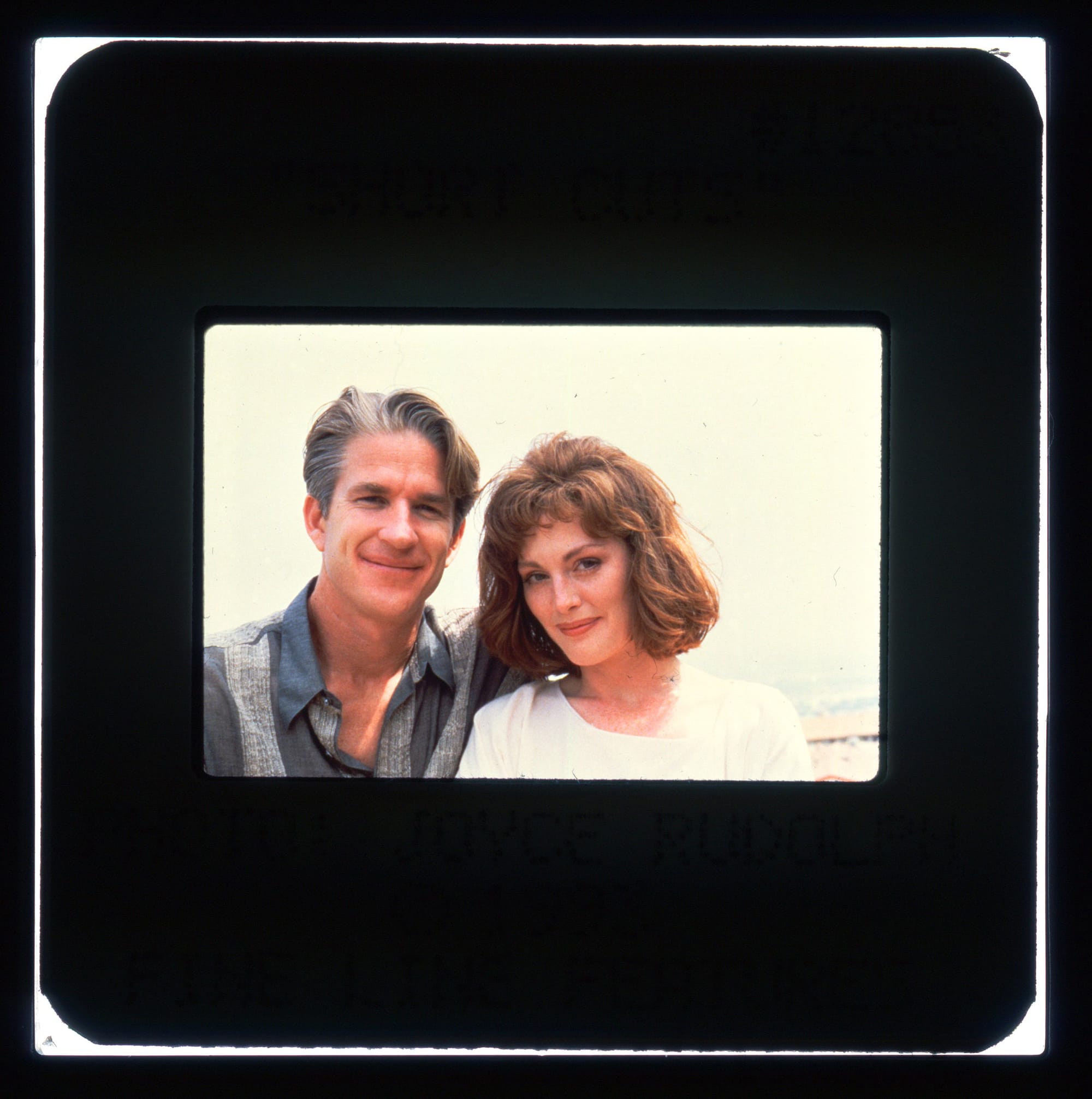
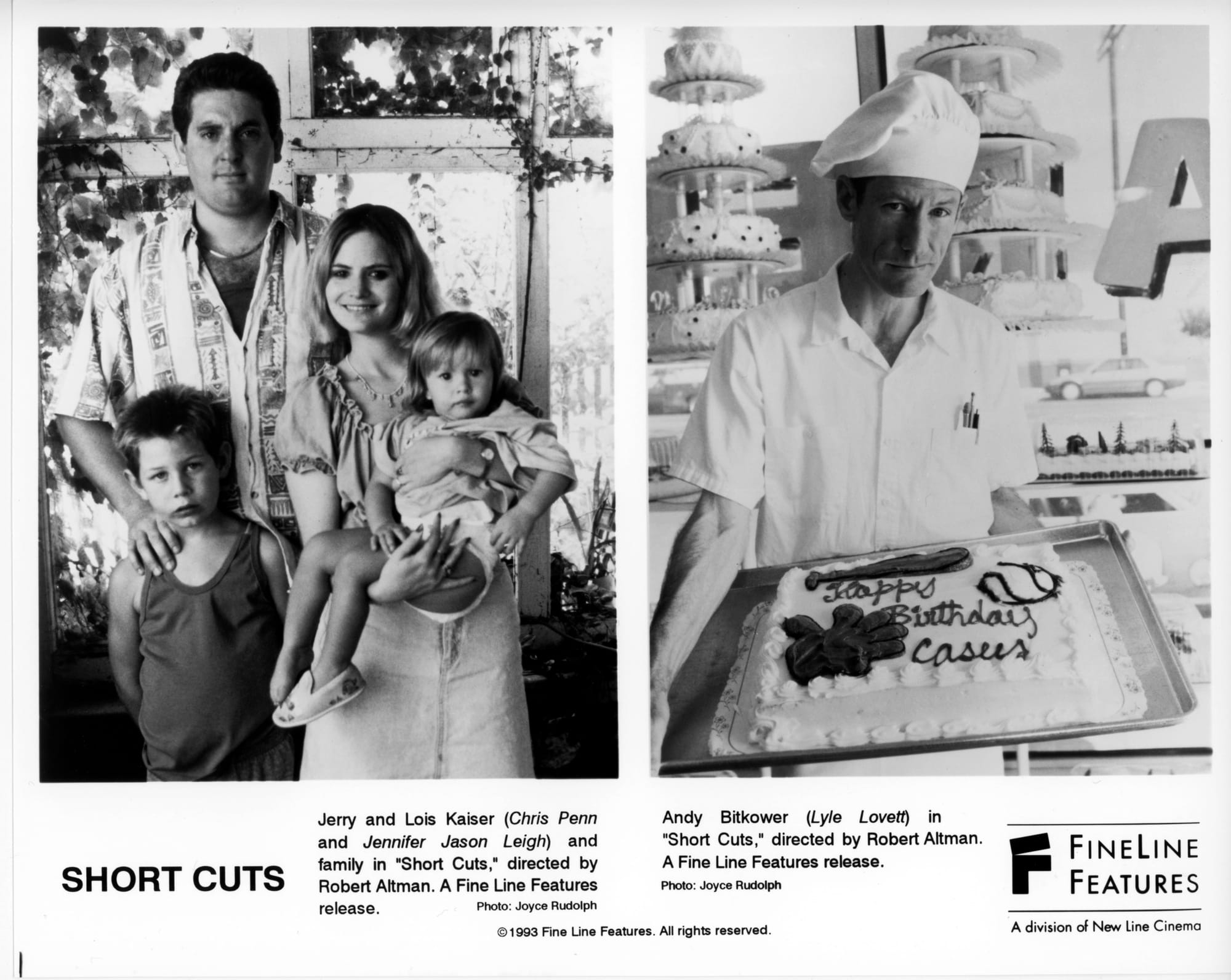
Left (Color Publicity Slide): Ralph and Marian Wyman (Matthew Modine and Julianne Moore) in "Short Cuts," directed by Robert Altman. A Fine Line Features release. Photo by Joyce Rudolph © 1993 Fine Line Features. | Right (B&W Publicity Photos): (L) Jerry and Lois Kaiser (Chris Penn and Jennifer Jason Leigh) and family in "Short Cuts," directed by Robert Altman. A Fine Line Features release. Photo: Joyce Rudolph. (R) Andy Bitkower (Lyle Lovett) in "Short Cuts," directed by Robert Altman. A Fine Line Features release. Photo: Joyce Rudolph.
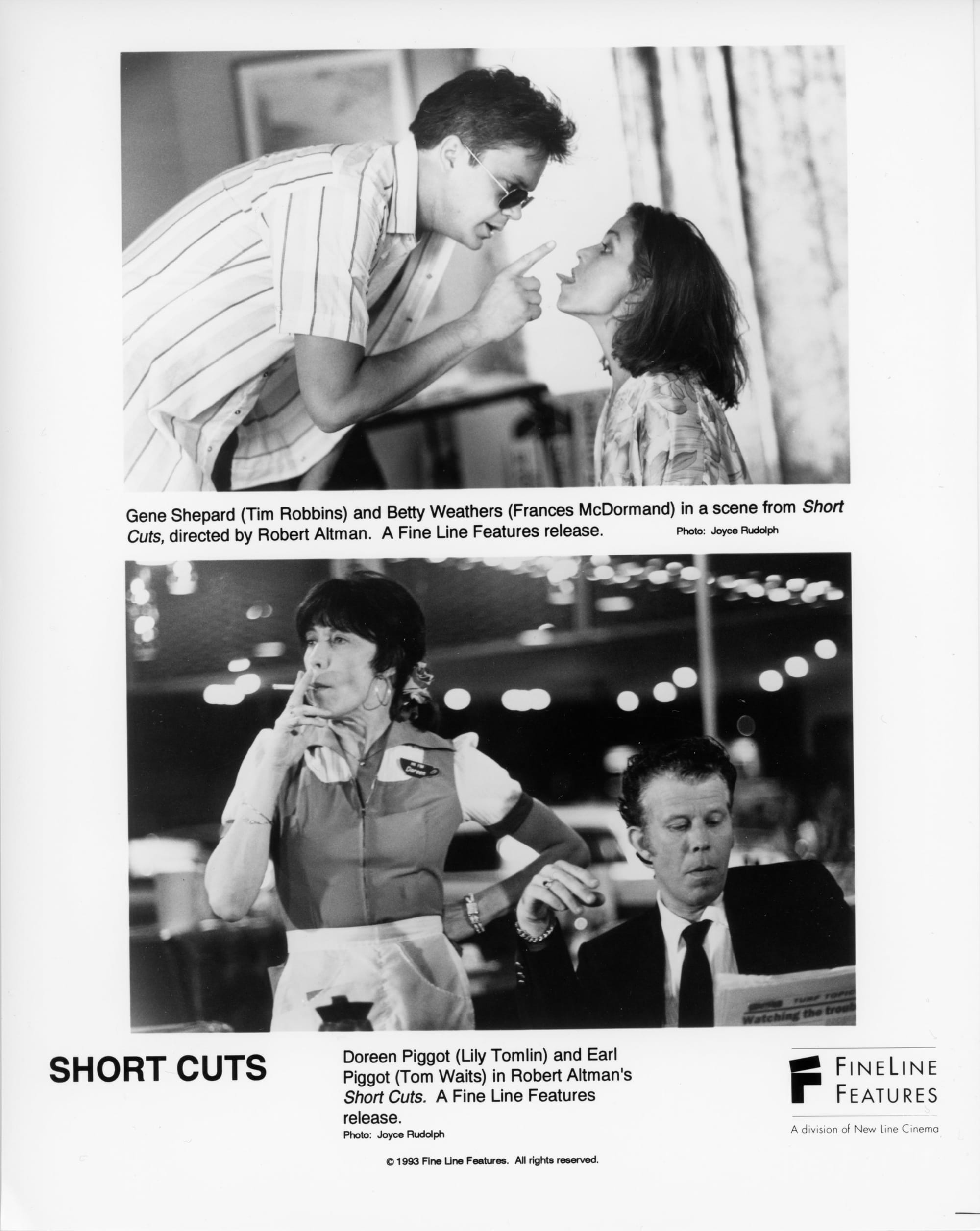
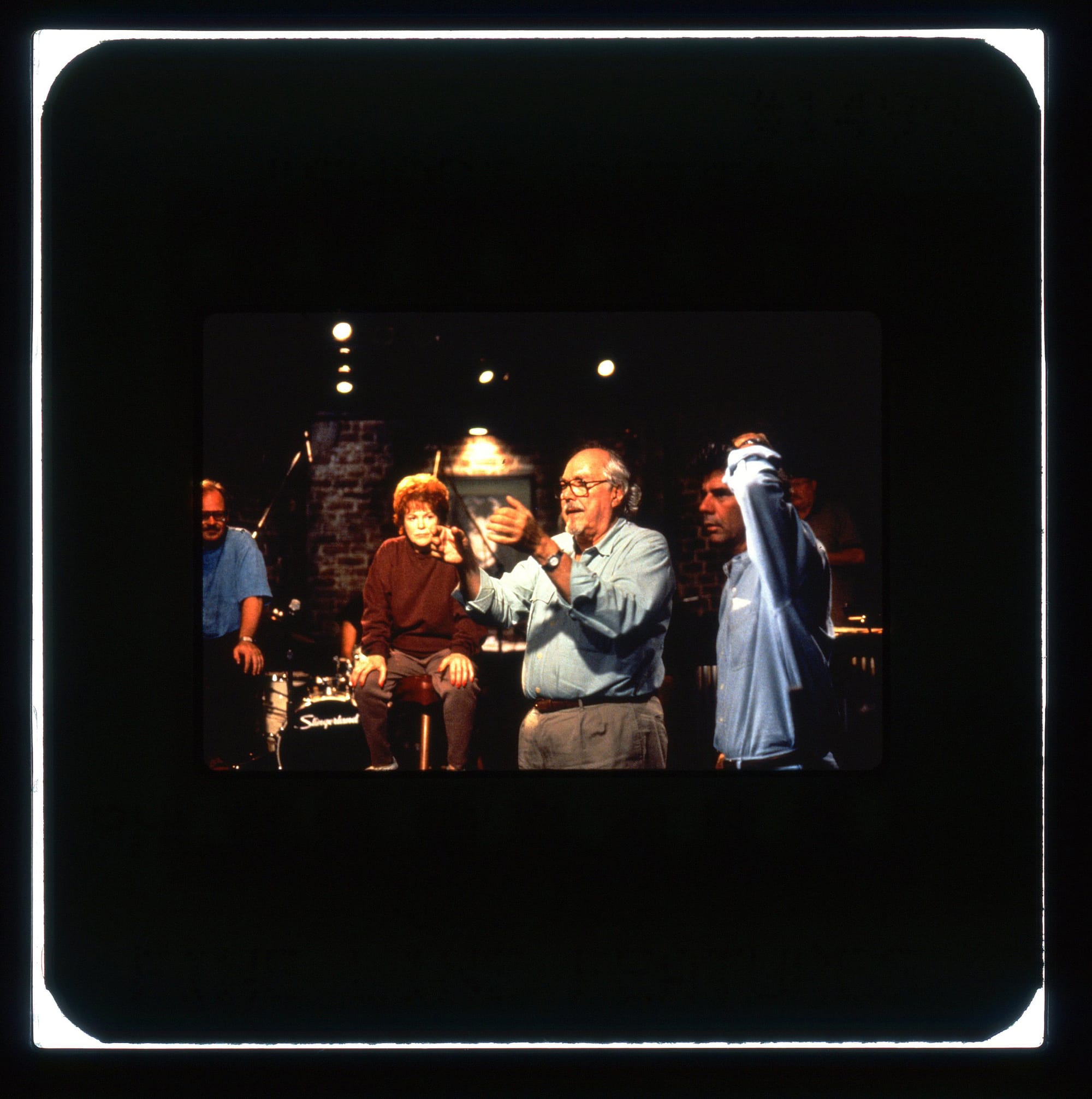
Left (B&W Publicity Photos): (T) Gene Shepard (Tim Robbins) and Betty Weathers (Frances McDormand) in a scene from Short Cuts, directed by Robert Altman. A Fine Line Features release. Photo: Joyce Rudolph. (B) Doreen Piggot (Lily Tomlin) and Earl Piggot (Tom Waits) in Robert Altman's Short Cuts. A Fine Line Features release. Photo: Joyce Rudolph. | Right (Color Publicity Slide): Director Robert Altman on set of SHORT CUTS. Photo by Joyce Rudolph © 1993 Fine Line Features.