Week Ending 6/19/26
Summer movie time


If you're going to sponsor an event to keep your name politically visible in the community, why not make it a free family film series? Assemblyman Bill Conrad thought the same as he puts his name on the Riviera Theatre's FREE FAMILY MOVIE DAYS at 1pm in North Tonawanda.
July 1 – The Goonies
July 22 – Back to the Future
August 12 – E.T. the Extra-Terrestrial
August 26 – Willy Wonka & the Chocolate Factory
They aren't the only game in town, however. There's also the SUMMER MOVIE NIGHT IN THE PARK at West Seneca's Veterans Park (A.K.A Centennial Park) and UB North Campus' outdoor STUDENT ASSOCIATION SUMMER FILM SERIES.
SUMMER MOVIE NIGHT IN THE PARK - 8:30pm
July 7 – The Goonies
July 14 – Cars
July 21 – Tangled
July 28 – The Parent Trap
August 4 – Inside Out 2
STUDENT ASSOCIATION SUMMER FILM SERIES
June 23 – Toy Story (9pm)
June 26 – Superman [2025] (9pm)
June 30 & July 3 – Project Hail Mary (9pm)
July 7 – Moana (9pm)
July 10 – Rocky (9pm)
July 14 – Fantastic Mr. Fox (9pm)
July 17 – Ferris Bueller's Day Off (9pm)
July 21 – Do the Right Thing (9pm)
July 24 – One Battle After Another (9pm)
July 28 – Bring Her Back (9pm)
July 31 – Hoppers (9pm)
August 4 – Sinners (8:30pm)
August 7 – Star Wars: The Mandalorian and Grogu (8:30pm)
August 11 – Little Women [2019] (8:30pm)
August 14 – Marty Supreme (8:30pm)
August 18 – Wicked: For Good (8:30pm)
The latter aren't all "family friendly" for the college kids, so definitely pay attention to the titles if you're heading to Amherst.

From (Season Four)
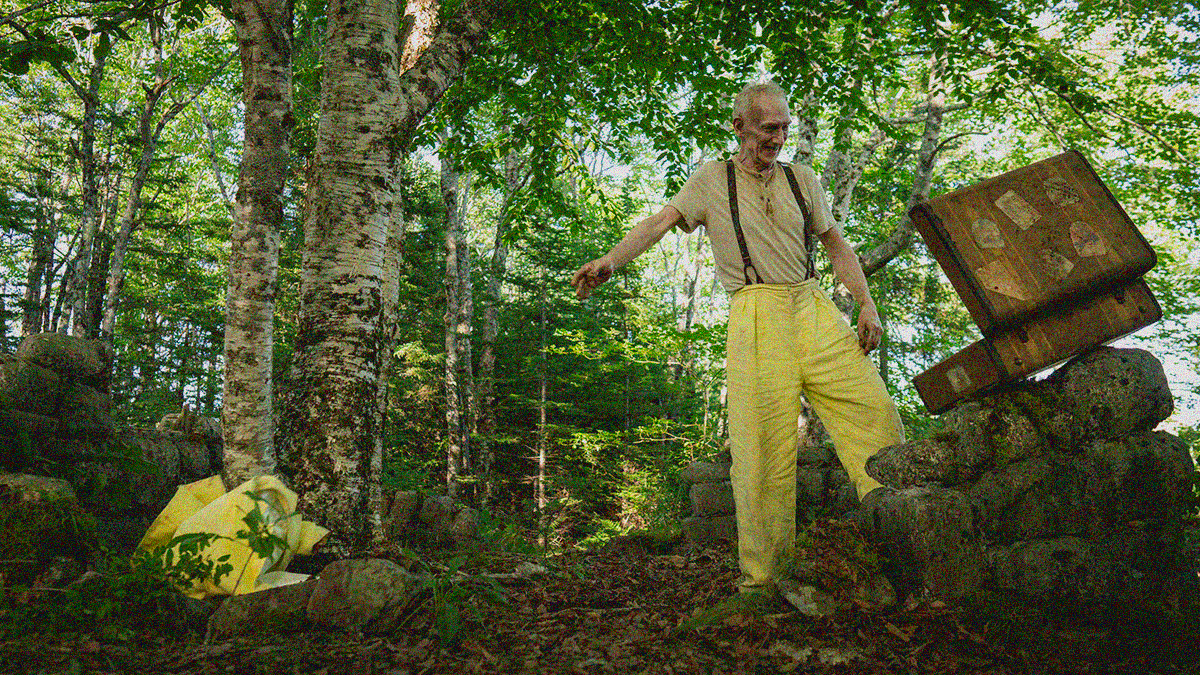
The endgame has arrived. We knew this going into season four of "From" considering it was renewed before the premiere for a fifth and final chapter, but knowing is different than seeing. John Griffin and company might have set things in motion with the revelations that ended season three from Jade (David Alpay) and Tabitha's (Catalina Sandino Moreno) history to the return of the Man in Yellow (Douglas E. Hughes), but now he's providing the consequences.
I've discovered two things in the process. One: Griffin (who wrote/co-wrote all ten episodes) may have actually planned everything from the start. If not, he's done a great job retrofitting most forks into connective tissue. Two: the "Lost" comparisons are growing with the introduction of an overarching game between good and evil. Sure, it's "white" versus "yellow" rather than "white" versus "black," but the guiding hands are similar. Now the prisoners must choose a side.
Anyone who's been watching knows that this choice isn't easy. Because understanding this place has the ability to lie and manipulate you into killing others as a means to earn the potential for escape might be enough to stop you from committing that murder, but it's not enough to save you. Whereas the "voices" or the "visions" are given leeway to keep pushing doubters to their breaking point, they'll just straight up kill dissenters refusing to comply.
It therefore comes down to a phrase Ethan (Simon Webster) relays about not "being scared to believe." Yes, the things you see and hear might be deceptions setting you up to make matters worse, but they might also be the way you find the answers necessary to go home. So, take the swing when a hallucinatory mushroom trip ("What a Long Strange Trip It's Been" is great TV) presents a solution. Embrace the fear and risk everything to be the hero.
There's no time but the present as the nightmare escalates thanks to a new face of evil. While there have always been antagonistic figures beyond the "monsters" roaming the forest at night, this is the first time we see an adversary walking among the residents and not just pulling strings. Whether the day-walking Man in Yellow or newcomer Sophia (describing twenty-three-year-old Julia Doyle as "looks fifteen" is a wild swing), the rules of engagement have officially shifted.
So, while Boyd (Harold Perrineau), Donna (Elizabeth Saunders), Kenny (Ricky He), and Kristi (Chloe Van Landschoot) do their usual hemming and hawing as far as listening to Jade and Tabitha to attempt an insane suicide mission to "save the children," Scott McCord's Victor once again takes center stage. He's been here for forty years, after all. He's lived through a cycle of bloodshed that locked secrets beneath his trauma. I cannot believe he's yet to earn an Emmy nom.
Hopefully this is the year because he's never been better. And, without spoiling anything, we even get to see McCord play an alternate version of Victor that proves just how good his performance has been since the beginning. When he finally speaks aloud the fact that Ethan's presence provides too much of a mirror to his own than can be ignored, we truly grasp the horror of that "worst case scenario" Boyd fears so deeply.
Then there's also the continuation of Fatima's (Pegah Ghafoori) pregnancy, Elgin's (Nathan D. Simmons) guilt, and Julie's (Hannah Cheramy) "story walker" powers. While the first two are carried through to a conclusion, the third finds itself approaching a dead end that we know will be conquered considering what was said at the end of the third season finale. We must simply wait until season five to witness how ... as well as discover what it means.
For now, we can enjoy the fallout from season three that doubles as set-up for season five. There are a few deaths to cull the herd a bit (that bus really increased the cast list) beyond just the one carrying over. There are a couple new foes to contend with that may or may not be affected by the talismans. And there's a ton of new context given to Victor's drawings, the idea of nightmares coming to life, and the hypothesis that the souls of those who die here never get to leave.
I don't think it can truly be judged on its own merits considering just how much it plays like the second act of a three-act conclusion, but season four definitely builds off the momentum season three reclaimed after a sub-par season two. Its clarity gets us excited for a bit more hands-on action from the figures of "good" and "evil" and its climax sets up next year's premiere to be a violent night the likes of which many current characters have never experienced before.
7/10
Goat Girl
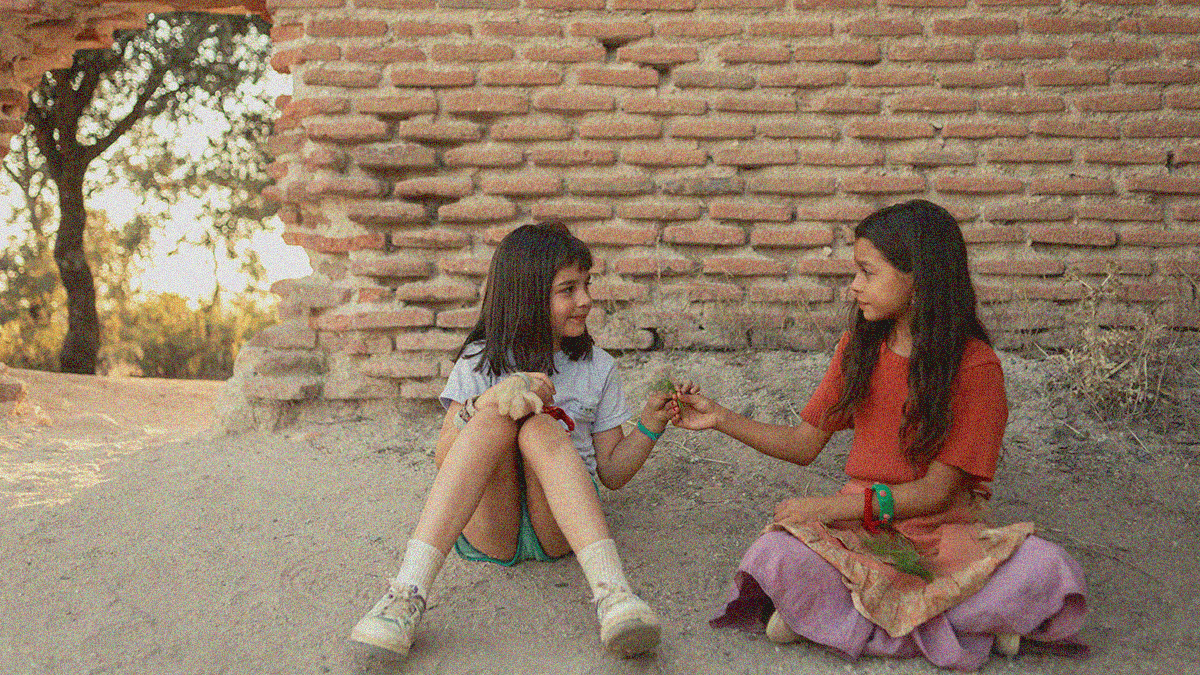
Elena's (Alessandra González) parents do little beyond usher her from the room when her grandmother (Gloria Muñoz) dies. Yes, they're dealing with their own grief in the moment, but it's not lost on us that the first person we see tell her what happened is a babysitter while they're away. No explanation about what comes next. No offer of support. Just a definitive, "Grandma is in Heaven now." Children think way too literally to hear that and move on.
It's not merely a story masking the truth. It becomes truth. How can it not when Elena is currently participating in the lead-up to her First Communion? When the entire pomp and circumstance of the latter is held as sacred to the point where the fantastical nature of the Bible is supposed to be believed without reservation, why would a child not assume the same for every story told to them by an adult? Without context and guidance, life becomes a slippery slope.
Writer/director Ana Asensio injects many such stories into her emotionally autobiographical script for Goat Girl. God and Satan where it comes to mortality (Grandma's death), ceremony (First Communion), and mythology (the Devil in goat form). Literature via a tale Elena reads to her grandmother and One Thousand and One Nights where it concerns new best friend Serezade (Juncal Fernández). Even the ETA's struggle for an independent Basque state.
There are the tales sparked by Elena's imagination whether playing with her dolls or conjuring silent film-esque nightmares of her grandmother's ascent to Heaven (and potential descent to Hell). And, of course, the stories society and her parents (Lorena López's Marisa and Javier Pereira's Pablo) outline to shield her from the dangers of the unknown (Elena is forbidden to befriend a "gypsy" like Serezade) and their own pain (fighting in another room doesn't erase the fight).
The film is therefore as much a journey through these stories as it is a coming-of-age evolution. Elena is at that point in her adolescence where things cannot simply be taken at face-value. You can't tell her that grandma's absence means all her possessions must be thrown to the curb without a good reason. You can't tell her what friends she's allowed to play with when the ones they dislike are kinder than the ones they like. She sees the discrepancy. She feels the hypocrisy.
So, in a world where every adult (including Enrique Villén's Father Carrillo) speaks in absolutes, who could blame Elena from wanting to push against those boundaries and see what's on the other side? Especially now that the one person who told her to never be afraid of being different is gone. If you aren't going to give her good enough answers, she's going to find them on her own terms. If your truth is anger and oppression, she's going to seek out joy.
Most of what Asensio writes might therefore be familiar in its progressions, but not in its execution. I loved the quiet moments that lingered on González's face as she works through the absurd contradictions of any given moment (what a great debut performance). The confusion when Dad pulls Elena away from a harmless and happy moment juxtaposed by the entitled jockeying for superiority between the girls at school. The fear that Serezade's docile pet goat might be a demon.
I also appreciated the visual choice to shoot Elena's confinement within the constraints of Madrid's social norms as anamorphic and the freedom of the country where Serezade resides as widescreen. So often we see this dynamic move from 4:3 to 16:9 rather than 16:9 to 21:9. Yes, that wide expanse is technically losing real estate due to the black bars at top and bottom, but it's adding to its scope. Like moving from television to the movie theater.
And while this is inherently Elena's story, she's not the only one who's learning from her actions. Marisa and Pablo are also being forced to confront their own grief by acknowledging how their inability to comfort their daughter is pushing her away. The more times you tell her "No," the greater chance that she'll rebel. Because the reaction doesn't fit the reality. If Elena's truth contradicts their prejudices and the church's fantasy, why would she lie to herself?
Just as that glimpse at the other side of the coin can free those who've spent too long building walls around themselves, however, it can also offer a promise of security to those roaming free. Give Asensio credit for showing this alternative through Serezade as she learns her parents want to trade in their makeshift home for a city apartment that won't let her keep their goat. Nothing is perfect and everything is a compromise. So, try to ensure your story remains your own.
7/10
Littermates
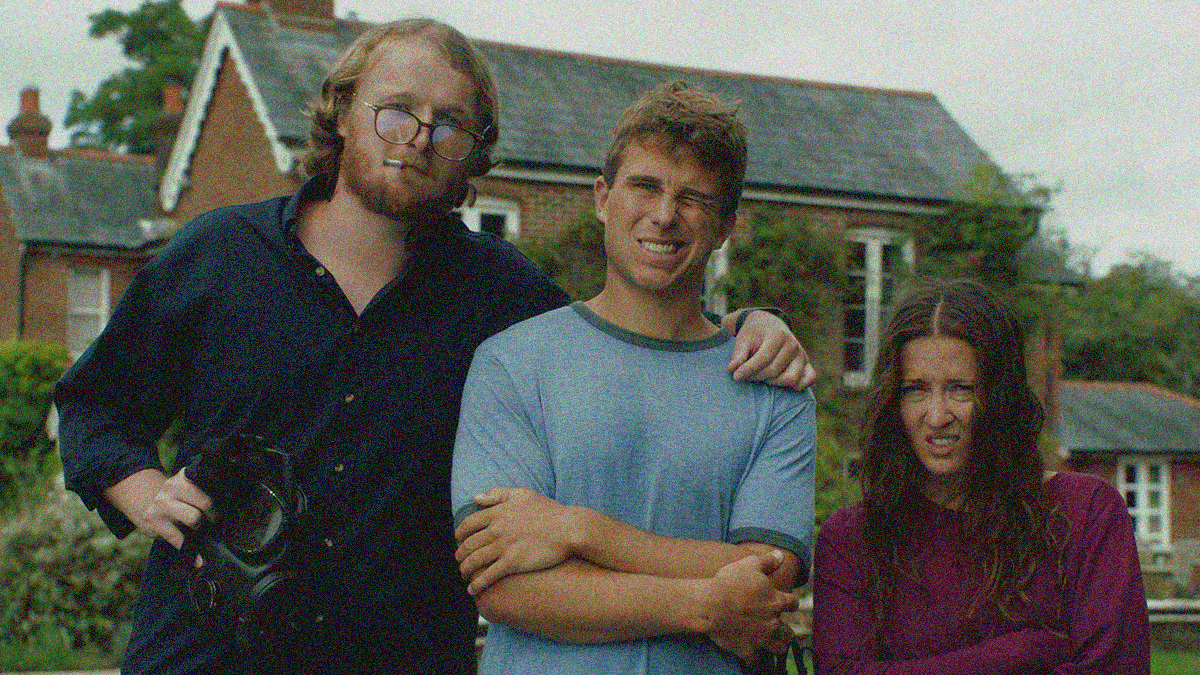
Chester (Oliver Woolf) is returning home on his helicopter when a bloodied and battered stranger (Joey Bader) stumbles out of the woods. Rather than just fly away, however, he coaxes this man to come with him before subsequently nursing him back to health. Chester teaches him how to speak. Gives him a name (Liam). And introduces a merit system of commerce wherein good deeds and effort earn tiny silver tokens called "nifties" that can be traded for fun activities.
It's therefore a weird and uncertain world that Scott Tinkham (co-director and writer) and Michael Woloson (co-director and cinematographer) usher us into at the start of Littermates. Why does Liam have amnesia? Why does Chester treat him like a child? Is this whole idea of "playing house" an altruistic endeavor to save lost souls during an ongoing chemical war? Or is something more sinister going on with Chester feeding Liam that lie to hold him captive?
The truth could honestly go either way considering how the two act after settling into this new domestic dynamic. Chester is always leading with positivity to make Liam smile and Liam has grown desperate for that affection. Both are happy to exist in the confines of this large English estate, so does it matter if the war is real? They have their karaoke parties, soak in the hot tub, and paint rocks to pass time. It's a simple life, but neither seems to crave more.
Enter Mel (Kaylee McGregor), another bloodied and battered stranger who arrives in a much funnier manner thanks to the camera angle shooting it and Bader's wonderful physical comedy while screaming for Chester to save him from the intruder. She also re-learns speech and embraces the "nifty" market while introducing a point of jealousy to this delicate ecosystem by way of being smarter and more talented than Liam. Competition becomes inevitable.
This is where the filmmakers' primary goal of exploring the "primal relationship between siblings" begins to shine through. Liam and Mel aren't actually brother and sister, but their circumstances lead them to adopt those roles while vying for the affection of their de facto parent. There's also a sexualized component in an Adam and Eve sort of way, but it's more about Liam's fascination than romance. And where lust drives his ambitions, Mel is ruled by exploration.
What's beyond the gate? What else has she forgotten? Mel pushes boundaries by daring to break rules while Liam confirms her "pipsqueak" description by tattling to "Dad." She seeks answers through patience. He chases pleasure through instant gratification. And Chester attempts to find a balance by explaining that they are allowed to want different things. As long as they all agree to look out for each other, he's willing to listen to their troubles and help alleviate them.
Tinkham and Woloson create a psychological examination of childhood sibling rivalry in a surreally comic way by doing so with adults. They use the yet unexplained chemical gas (don't worry, you will find out if it's all real) to reintroduce a fresh innocence and curiosity into this grown man and woman before thrusting them into a controlled space to figure out if they can learn to co-exist. It's all tough love, petty frustrations, and insecure fears.
Bader and McGregor are both up to the task. They run goofily with arms flailing behind them. They push and shove and call each other names. They try to persuade the other to think more like themselves so as not to upset the applecart they want Chester's protection to be before inevitably working even harder to fight back against the other's wants when they fail to do so. It's only a matter of time before those differences risk them going too far.
The script knows it must inject an added source of conflict to this equation to create a path towards a viable endgame and does well finding one via the mystery surrounding its characters. There's bound to be another stranger in the forest. Whatever happened to Liam and Mel is feasibly always one bad decision away from happening to Chester. The most captivating scenario to test their resolve is objectively flipping their role from protected to protector.
Much like Moorhead and Benson's debut Resolution (Woloson and Tinkham separate their duties the same way), Littermates looks great despite its budgetary restrictions and single-location setting. Credit the cinematography for never feeling static or banal as well as the script for knowing just how much outside information we need to stay invested in each new morsel. It's a wide world shown through a tiny window of big personalities.
While it leads with humor and absurdity, don't be surprised by how dark things get in the process. There's a nature vs. nurture element revealing successful actions demand effective teachers as well as the existential need for survival that drives us to act with fear or aggression depending on impulse and context. When is love better served by letting go? When does curiosity turn to futility? Answers only arise after leaving the nest to decide to go back or keep flying.
7/10
Rich Flu
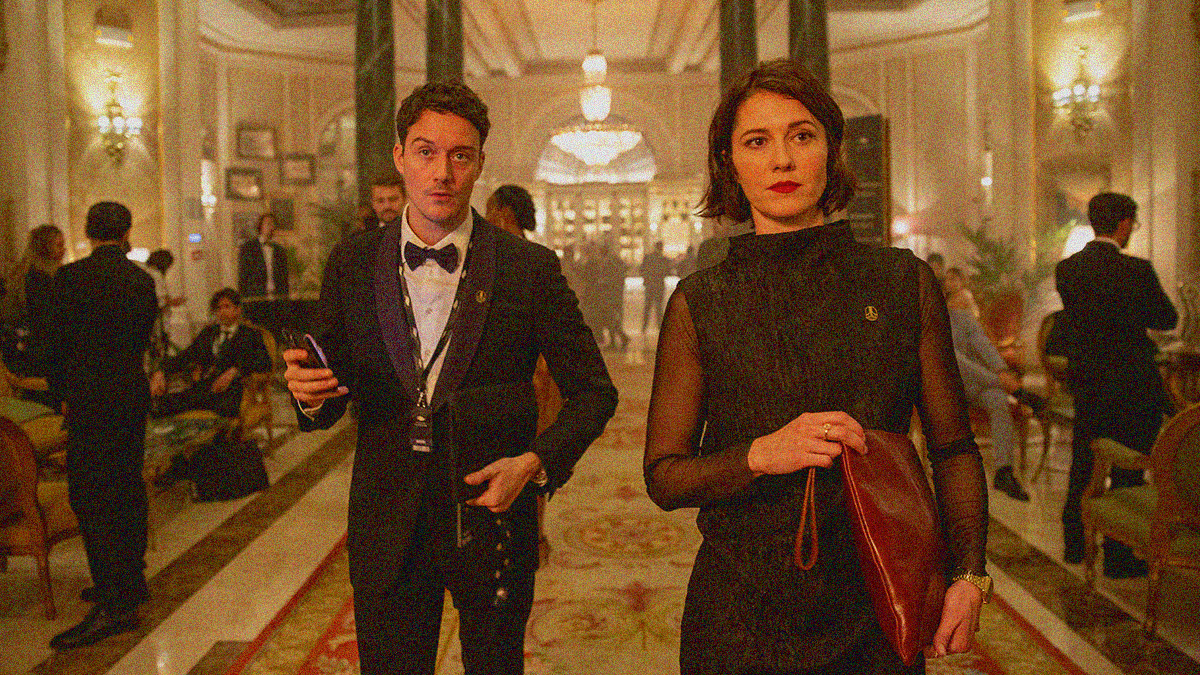
Like many of the people I've seen talking about Galder Gaztelu-Urrutia's Rich Flu, I too was surprised he and his co-writers (Pedro Rivero, Sam Steiner, and David Desola) chose someone like Laura (Mary Elizabeth Winstead) as their lead. Because the premise possesses the potential for some real fireworks insofar as showing the desperation on behalf of the wealthy and the satisfaction of the poor in their demise. So, why focus on a character with a foot in both worlds?
What's revealed quite clearly by the end is the fact that the Lauras of this world are the more crucial piece to the puzzle to make one's point. Because greed isn't a unique impulse. As we see during the climactic montage that separates "Exodus" from "Epilogue," humanity's cravenness is an intrinsic quality we all must combat. Sure, the rich can purge their fortunes to try and survive, but the poor may also see filling the void as worthwhile despite knowing it will be a brief reign.
So, rather than show us the fall of billionaires like Sebastian Snail Sr. (Timothy Spall) or the rise of Third World cartels opportunistically replacing them as a block of unchecked power, we watch a woman who came from nothing (she was raised on a commune by her mother, Lorraine Bracco's Martha) ruthlessly pursue a path towards glory (by sabotaging a co-worker's promotion to steal it for herself) only to find her avarice exploited at the worst possible moment.
Think of Laura as your republican-voting uncle who's made a comfortable enough living by working hard to blind himself from the reality he's one bad break from being homeless by thinking he's just one good break from being a millionaire. He votes against his own self-interest in the belief that the loopholes he's gifting to the one percent at his expense will be waiting for him to exploit in some implausibly fantastical future that's not coming.
That's the greed we see on the daily. That's the greed we might even have a chance to call out and fix on a ground level as opposed to the systems in place that bolster the ultra-rich—systems that will need to literally burn down to ever truly receive a course correction. Laura is that relative who still believes they have a soul and thus plays the victim to spouses (Rafe Spall's Toni) and children (Dixie Egerickx's Anna) they see as standing in the way of their dreams.
We know men like Snail and his son (played by Jonah Hauer-King despite Spall's actual son also being in the film) will do whatever is necessary to save their own skin when an unknown virus begins targeting billionaires as if their bank account total is connected to their DNA. But what will Laura do? Will she worry if the hundreds of thousands in her own stock portfolio are enough to matter? Will she maliciously unload them on unsuspecting patsies if it is?
Rich Flu therefore points its spotlight on the exact type of person who still has a choice to make. Do what her boss did to her and ostensibly become a murderer? Go towards her estranged daughter out of selfish entitlement or steer clear just in case the disease is contagious? Realize her petty grievances with Toni in their divorce proceedings are just that? And, even if she chooses correctly, which version of Laura remains in the aftermath? Will greed always take over?
While the scenarios she finds herself enduring are often comical in nature, this isn't a comedic satire. Similar to the director's previous work on The Platform, things get dark and violent fast. All social upheavals must because ripping out the foundation doesn't magically fix what was built upon it if you don't have a better foundation ready to take its place. Everything inevitably just flips. The rebels become the oppressors—often worse than the ones they usurped.
So, pay attention to the peripheral characters. Toni's altruism. Laura's assistant Christian's (César Domboy) loyalty. Anna's innocence. Pay attention to the concept of ownership and value too. I was quick to dismiss the cheap Casio watch on Laura's wrist as a failed attempt to humanize a woman who sold her soul many years ago, but its presence actually speaks more to who she's become than who she was when she bought it. It's all a bit messy, but it does work.
Because, at the end of the day, this is a takedown of capitalism at its very root. Her ascribing value to that timepiece that's well beyond the value of the materials and labor that went into making it is akin to the value we place on paper notes, binary code, and precious metals. Money and wealth are constructs. It's an agreement. So, when we start hoarding more than we'd ever need, we're breaking the trust of those who suddenly can't even earn enough to simply live.
6/10
Sugar (Season Two)
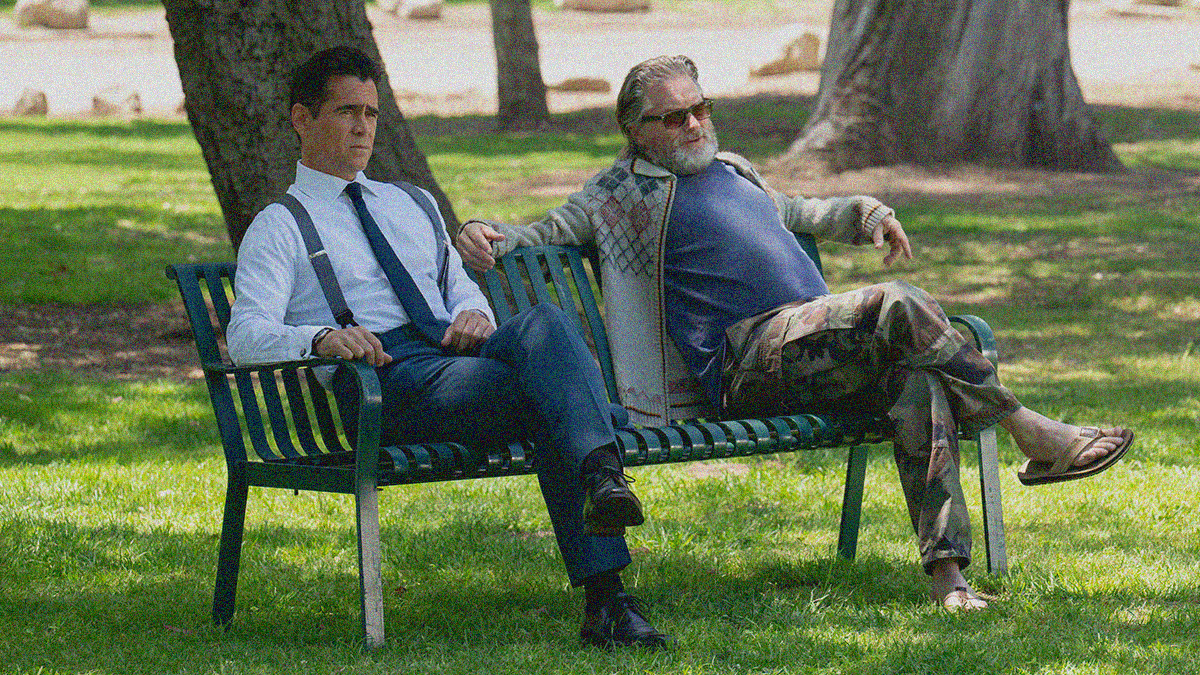
It's always fascinating when a television show comes back after hiatus with an entirely different creative team at its back. I'm forced to ask the question: Why not just end the show? What was therefore the cause behind "Sugar" returning without original showrunners Mark Protosevich and Simon Kinberg attached beyond their executive producer credits? Were they done with the story and Apple Studios wasn't? Or was Apple simply done with their leadership?
Whatever the reason, John Sugar (Colin Farrell) returns at the hand of series writer Sam Catlin and a new stable of directors (Fernando Meirelles and Adam Arkin have also exited after helming the entire first season). The character's love for old Hollywood remains via spliced scenes of Rita Hayworth, Steve McQueen, et al. And the struggle we didn't quite know he was wrestling with until his alien origins were revealed is finally allowed the room to breathe.
That last fact proves to be as huge an upgrade as I assumed going in. By hiding this secret for two-thirds of the season, Protosevich and company had their hands tied from making "Sugar" more than a missing person case led by an eccentric private detective who might also be a government spy. They couldn't mine down to give John's emotions the complexity they deserved because they were too preoccupied with keeping us at arm's length to protect the reveal.
Well, the cat's out of the bag and both audiences and creators can take a collective sigh of relief as John's story shifts from working the job despite his secret to balancing his dual identities despite the job. And it's so much more effective as a result. The inner monologues are no longer cryptic. The "rules" of his mission are more clearly defined. The loneliness of being the last visitor on Earth threatens to shatter his kind, pure heart.
John did kill someone in cold blood and admits it to Henry (Jason Butler Harner) who in turn relishes the potential that his friend might have finally embraced the darkness of humanity into his soul like he had many years prior. While I would have enjoyed a season-long cat and mouse chase between these two "last men" as John pursues answers about his missing sister Djen, I am glad Catlin condensed it down to the opening five minutes of the premiere instead.
Why? Because that's not the show's formula nor the setting to deliver what's so compelling about John Sugar. We aren't here for an action film marked by the inevitable one-on-one conversations about morality that would be born from pitting his innocence against Henry's sadism. We're here precisely because John is better than his friend. Better than us too. We're here to reclaim the beauty of humanity and nature through his eyes—eyes that refuse to turn cold.
So, think of season two as a full reset. Once those first five or so minutes are finished, everything is new. John needs a new case by way of up-and-coming boxer Danny Moon's (Jin Ha) brother's (Raymond Lee) disappearance. He needs a new partner in Val (Sasha Calle) to fill the void left by Charlie's off-screen demise (I still can't believe the show literally just ghosts her like she was a stranger). And he needs someone new to help pull government strings.
The latter arrives by way of a wonderful Shea Whigham. Rather than having Ruby (Kirby Howell-Baptiste) hack into police systems, Whigham simply uses his clearance as a federal officer who befriended John like everyone does: He's a satisfied former client. He becomes as much a confidante as a skeleton key whenever the plot demands an open door. And doors are in desperate need of opening once the Moon Brothers case introduces Tony Dalton's Vega.
While all those moving pieces provide a compelling mystery to rival that of the Siegel family last season, they also supply in-roads to John's fragile emotional state via external sources who don't know what we know about him. It's another investigation centered on siblings that leads him to systemic injustice he hopes to do his part mitigating if he can't rectify it in the process. But he can't open up to them like Ruby. Enter Laura Donnelly and Laura San Giacomo.
The former serves as the Melanie of this chapter albeit without any strings attached since she's neither a mark nor an interested party in the case. No, Donnelly's Charlotte is another guest at John's hotel. A humanitarian always working crazy hours like him. A friendly smile he can't help returning despite those aforementioned rules stating he can neither kill nor fall in love. But, with no way back, why shouldn't he put roots down here?
I won't delve too deeply into San Giacomo's character (she's credited as a special guest) beyond the fact that she plays an integral role in John's battle between who he was and who he is. The "assimilation" of it all. "Sugar" never really digs into the "immigrant" aspect too much beyond this uncertain balance dictated by a process to which he's no longer beholden—vestigial dogma in his mind. It's more about the fear that he could lose himself like Henry did.
This season exists perfectly in the grey to keep that fear real straight through to a finale that holds its own twist (easily deciphered because it comes at the end of a breadcrumb trail rather than an artificially hidden sledgehammer swing). Violence is at the core of everything whether boxing, drugs, or an impossible choice between risking a good life by adhering to the law or taking a bad one off the board permanently. Breaking the sex taboo is more an escape than sin.
Farrell is fantastic yet again with that sweet optimism opposite a conflicted, hard-edged nature where he's always angrier at himself for what he must do than at the person he must do it too. Donnelly is a great addition to coax the former out of him at even his darkest times. Calle, Ha, Lee, and Whigham provide the familial strife, empathetic sounding boards, and mirrors the Siegel hoard did previously. And Dalton is as good as ever as the Big Bad.
Don't think Catlin forgot about Senator Pavich or humans discovering aliens exist on Earth, though. He did co-write the final three episodes of season one. The show merely plays the long game with where those details go as John keeps his eye on that bigger picture along with his case. It leads to a place with potential legs as far as an endgame to why his species is here and the possibility for some old friends returning in the future. I'm all-in on a third season.
8/10
The Voices of Our Mother
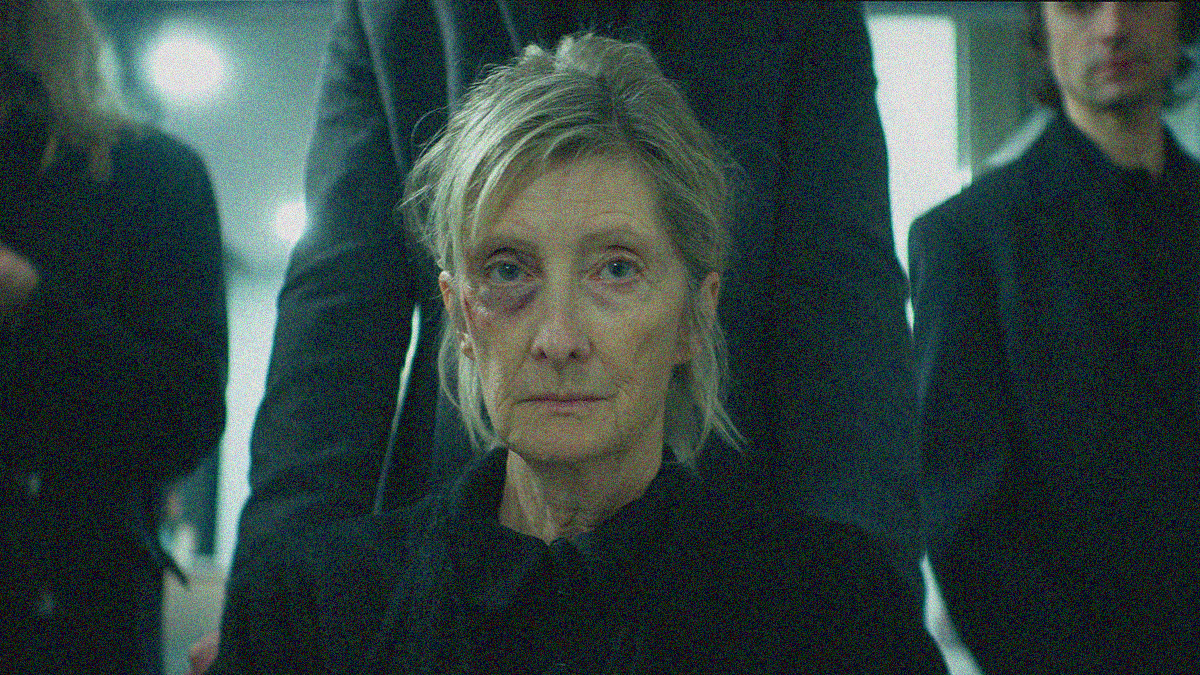
If innocent souls can be possessed by demonic forces, shouldn't it also be true that demons can be possessed by God's love? This is the supernaturally religious hypothetical Mark O'Brien seeks to answer with his latest film The Voices of Our Mother. It's an extremely dark story with an unwavering mean streak that focuses on an estranged family still suffering from the pain of the abuses wrought upon them in youth. Abuses their mother simply allowed to happen.
I must give O'Brien credit for acknowledging the violence and tragedy this scenario demands and for sticking to his guns to see it through. Rather than center on how Johanna (Anna Ferguson) protects her daughter Harriet (Sheila McCarthy) from evil, its focal point is the collateral damage that results as her son-in-law and four grandchildren hurt instead. So, expect a divisive journey as it plays with the idea that bad people still deserve love.
While I enjoyed the performances and twists and turns revealed once William (O'Brien), Therese (Carolina Bartczak), Martin (Alex Ozerov-Meyer), and Annika (Georgina Reilly) reunite years after the horrors they endured and committed, the ending is initially tough to swallow. Thankfully, the sun doesn't then rise to show all is well. No, its "happy ending" feels like a threat instead. Because this isn't about unyielding love. It's about the burden of truth.
Does that jibe with Father Roslovic's (Shawn Doyle) assertion that only real love can save the day? Only if you shift your perspective to view Johanna and Annika as characters facing a test. Their ability to care for Harriet despite the cost is less about loving or forsaking their family then it is about loving God. The others' malice is therefore placed on their own shoulders. Their "weakness" comes from forsaking God. It's not perfect messaging, but I applaud the conviction.
6/10

This week saw Grenfell: Uncovered (2025) and Nebraska (2013) added to the archive (cinematicfbombs.com).
June Squibb dropping an f-bomb in NEBRASKA.
I also did some house cleaning and discovery this past week after deciding to redo a couple of early titles from when I started this project. Back then I was trying to keep clips under ten seconds, but you lose a lot of context to why the word was used. I now use Photoshop's 500-frame GIF cap of twenty seconds.
Well, after redoing The Martian and finally adding the very funny censored scene I had neglected, I went back to Anchorman and Dodgeball too. While I knew I could pull the extra f-bombs from the former's "unrated" cut, I didn't realize I had completely missed one in the latter's PG-13 cut.
For two decades I thought Ben Stiller's end credit cursing was it. I guess Rip Torn just delivered his too fast for it to register in my brain way back when.

Opening Buffalo-area theaters 6/19/26 -
• Balan: The Boy at Regal Elmwood
• Cocktail 2 at Regal Elmwood
• The Death of Robin Hood at North Park Theatre; Dipson Capitol; Regal Elmwood, Transit, Galleria, Quaker
• Girls Like Girls at Regal Elmwood, Galleria
• Hell Trotter at Regal Galleria
• Leviticus at Scene One Market Arcade; Regal Elmwood, Transit, Galleria, Quaker
• Maa Inti Bangaaram at Regal Elmwood
• Sing Geetham at Regal Elmwood
• Toy Story 5 at Dipson Amherst, Flix, Capitol; AMC Maple Ridge; Scene One Market Arcade; Regal Elmwood, Transit, Galleria, Quaker
• Unidentified at Regal Transit, Galleria
Streaming from 6/19/26 -
• Color Book (Netflix) – 6/19
• Good Luck, Have Fun, Don't Die (Hulu) – 6/19
"The science fiction elements are perfectly satirized progressions of the chaos our own AI-bubble has sown. An exhilarating romp as Verbinski reaffirms his mastery of spectacle." – Full thoughts at HHYS.
• How to Make a Killing (HBO Max) – 6/19
• Husbands in Action (Netflix) – 6/19
• Stepfather (Tubi) – 6/19
• Voicemails for Isabelle (Netflix) – 6/19
• The Voices of Our Mother (Shudder) – 6/19
Thoughts are above.
• I Can Only Imagine 2 (Starz) – 6/20
• Two Prosecutors (Criterion Channel) – 6/23
"The film’s progression through bureaucratic black holes and intentional tactics meant to wear down the Soviet Union’s last honorable citizen is thus toeing the line between farce and thriller. We’re watching in a constant state of unease." – Full thoughts at HHYS.
• The Welcome Table (HBO Max) – 6/23
• Avatar: Fire and Ash (Disney+) – 6/24
• In the Hand of Dante (Netflix) – 6/24
• Where Pretty Girls Die (Hulu) – 6/25
Now on VOD/Digital HD -
• Deep Water (6/16)
• The Last One for the Road (6/16)
• Mad Bills to Pay (6/16)
• Pressure (6/16)
• Two Pianos (6/16)
• The Wizard of the Kremlin (6/16)
• Citizen Vigilante (6/19)
• Finnegan's Foursome (6/19)

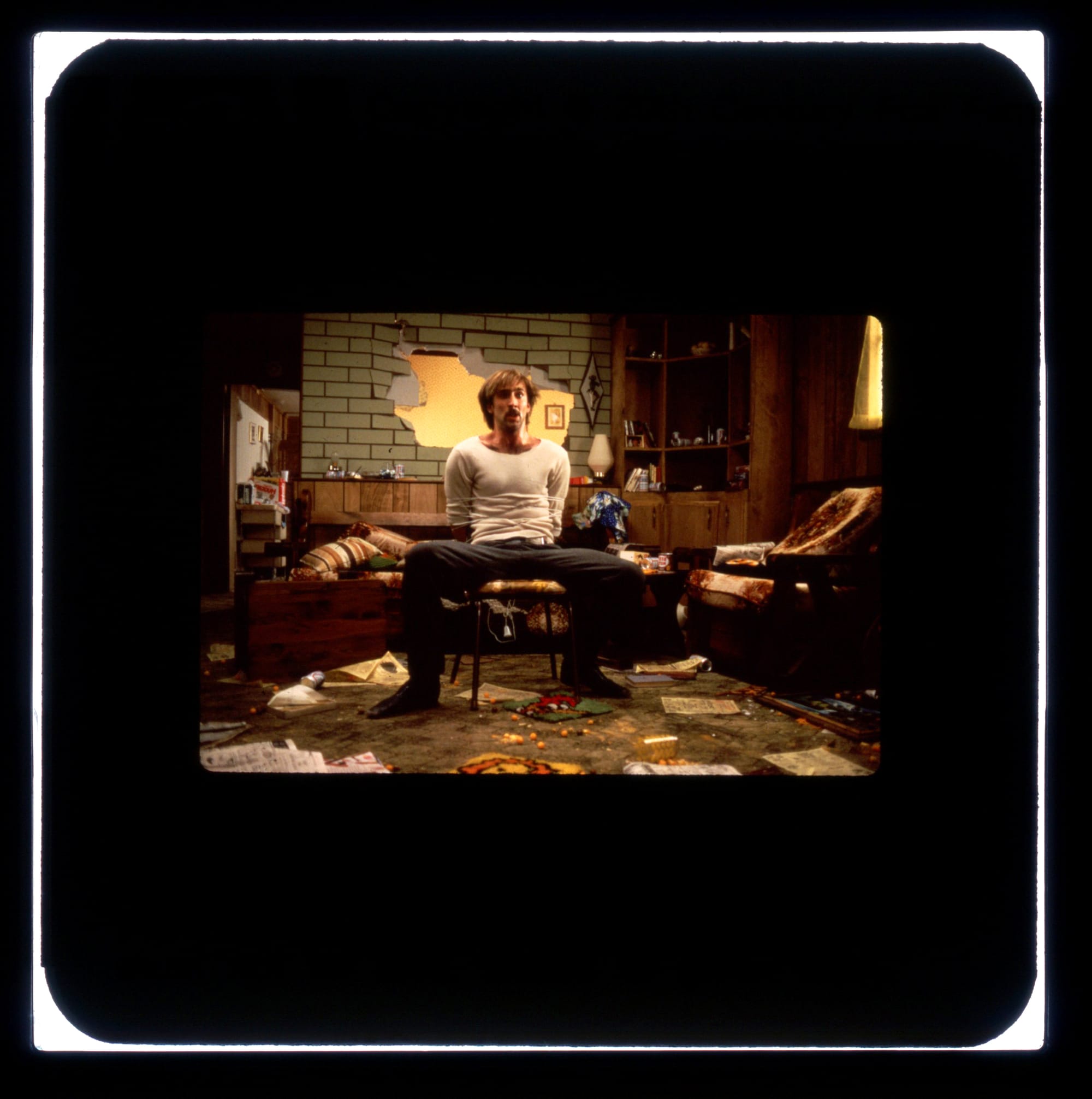
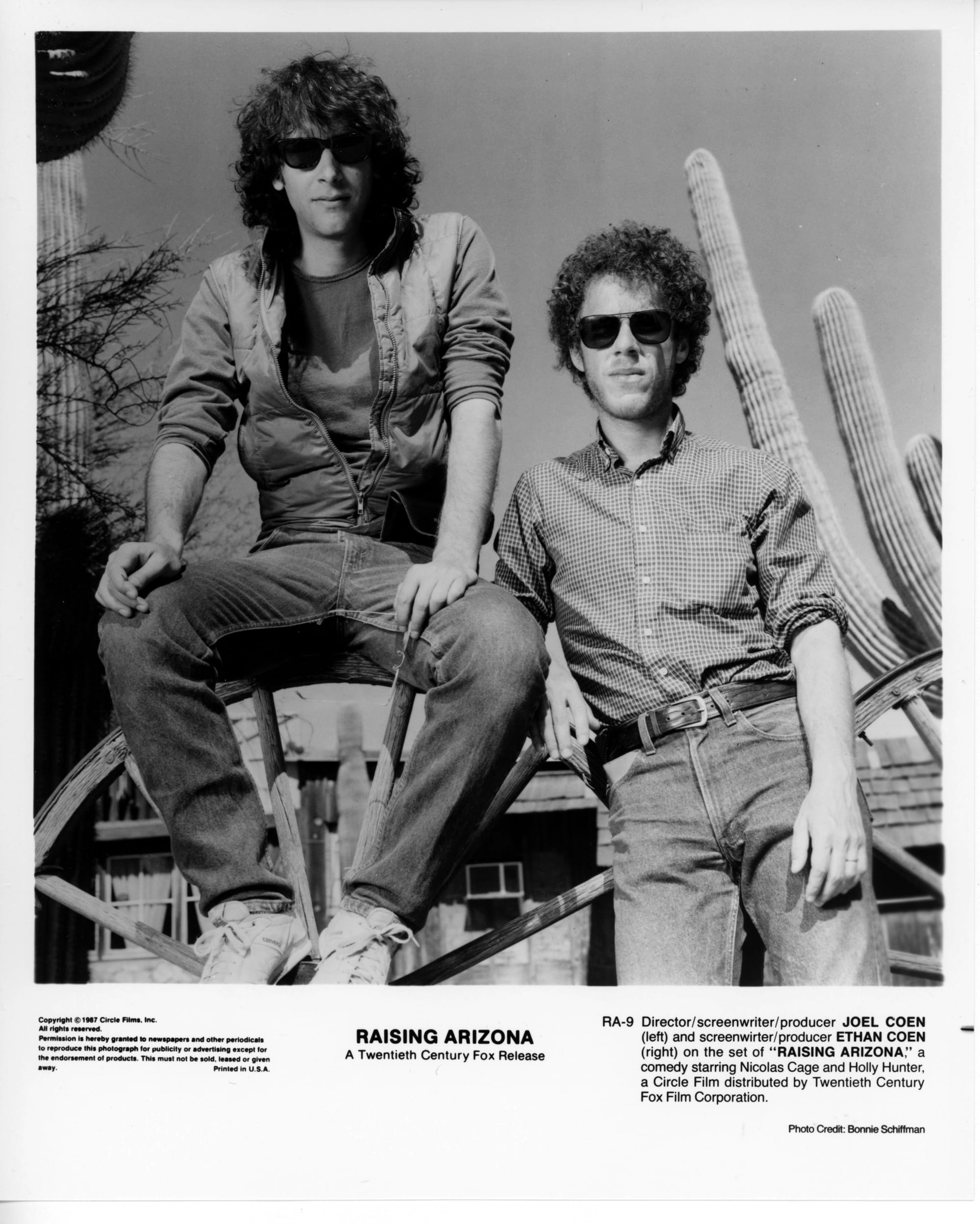
Pieces from the Raising Arizona (1987) press kit.