Week Ending 7/31/26
Fantasia 2026 – Week Two

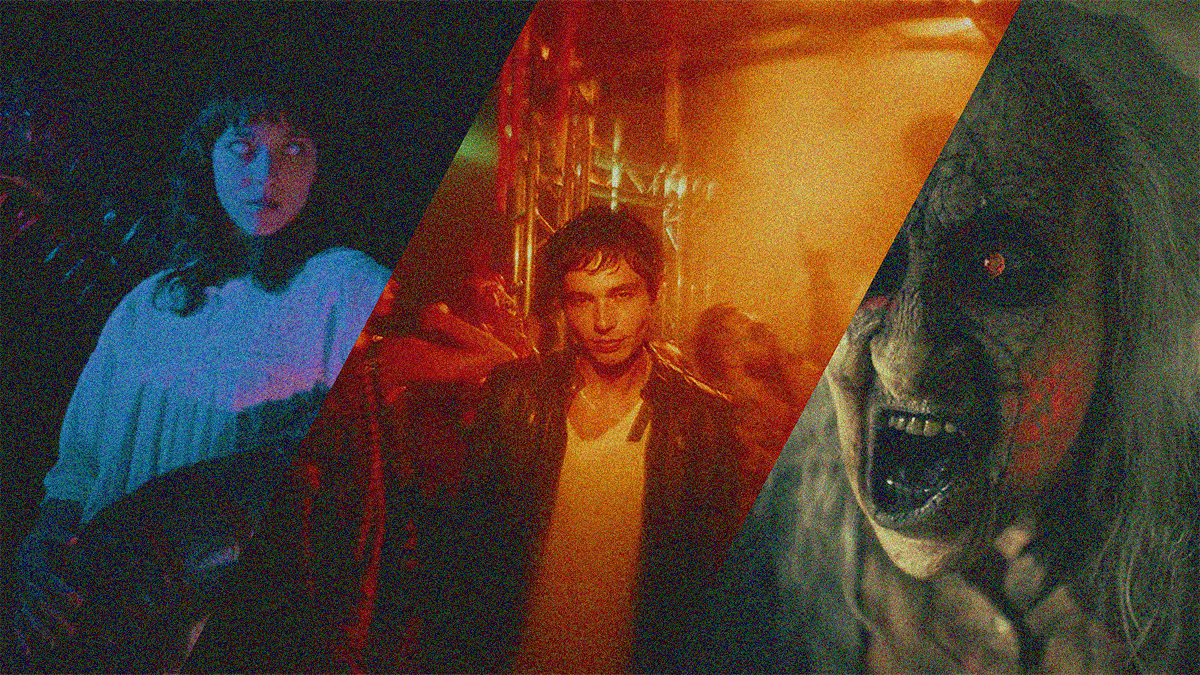
The Fantasia International Film Festival's awards have been announced. I was honestly surprised that Nightborn won the Cheval Noir (although not about lead Seidi Haarla winning one of the two actor awards). Kind of cool that people in the US will get to watch it right now on Shudder.
The other actor award (Pilou Asbæk) and Best Director (Kasper Kalle) went to the wonderful No Rest for the Wicked ... probably my favorite film of the festival so far. Here's hoping it finds a stateside distributor soon.
And what are the odds I ended up catching the Best Animated Feature (Blaise) and Canadian Filmmaking winner (Black Zombie) too? I picked well!
Here is the full list of winners:
2026 Cheval Noir Awards
• Best Film – Nightborn (Finland/Lithuania/France/UK), dir. Hanna Bergholm
• Best Director – Kasper Kalle, No Rest for the Wicked (Denmark/Faroe Islands/Iceland)
• Best Screenplay – Edwin, Eka Kurniawan, and Daishi Matsunaga, Sleep No More (Japan/Germany/Singapore/Indonesia), dir. Edwin
• Best Cinematography – Fabrizio La Palombara, CCS, Ferine (Italy), dir. Andrea Corsini
• Best Editing – Satoshi Ueno, Beasts Clutching at Straws (Japan), dir. Hideo Jojo
• Best Score (Sandro Forte Award) – Pino Donaggio, Ferine (Italy), dir. Andrea Corsini
• Outstanding Performance – Seidi Haarla, Nightborn (Finland/Lithuania/France/UK), dir. Hanna Bergholm
• Outstanding Performance – Pilou Asbæk, No Rest for the Wicked (Denmark/Faroe Islands/Iceland), dir. Kasper Kalle
• Special Mention of the Jury: Full Ensemble – Hot Spot (Sweden/Greece/Norway/Poland), dir. Agnieszka Smoczyńska
• Special Mention of the Jury: Special Practical Effects – Jabrik Hellworker, Benedictus A.K., Rizal, and Issei Oda, Sleep No More (Japan/Germany/Singapore/Indonesia), dir. Edwin
2026 New Flesh Competition for Best First Feature
• New Flesh Award for Best First Feature – Mum, I’m Alien Pregnant (New Zealand), dirs. THUNDERLIPS
• Special Mention of the Jury: Best Performance – Dilnaz Kurmangali and Ayan Utepburgen, Sicko (Kazakhstan), dir. Aitore Zholdaskali
2026 International Short Film Competition
• Best Film – Mancave (Norway), dir. Fredrik S. Hana
• Best Director – Yu Chih Chieh, The Last Jiangshi (China/Hong Kong/Taiwan)
• Best Screenplay – Kyu-eun Park and Min-hyuk Lee, Wish You Were Dead (South Korea), dir. Lee Min-hyuk
• Best Cinematography – Jung Da Bin, Tropic (South Korea), dir. Park Jung-yoon
• Best Editing – Dirtmouths (USA), dir. Breehn Burns
• Best Score – The Last Jiangshi (China/Hong Kong/Taiwan), dir. Yu Chih Chieh
• Outstanding Performance – Ensemble, Pile On (China), dir. Hu Lu
• Outstanding Performance – Jon Jon Briones, Veterano (USA), dir. Patrick Epino
• Special Mention of the Jury – Manhole (Singapore), dir. Jake Low
2026 Satoshi Kon Award for Excellence in Animation
• Satoshi Kon Award for Best Animated Feature – Blaise (France), dirs. Jean-Paul Guigue and Dimitri Planchon
• Special Mention of the Jury – Cherry and Virgin (Japan), dir. Masanao Kawajiri
• Satoshi Kon Award for Best Short Film - Gold – Jeem 1983 (Lebanon), dir. Jorj Abou Mhaya
• Satoshi Kon Award for Best Short Film - Silver – Fingerbang (South Korea), dir. Kim Yeon-woo
• Satoshi Kon Award for Best Short Film - Bronze – The End of the End (US/South Korea), dir. Junar Kim
2026 Northern Excellence Award for Canadian Filmmaking
• Northern Excellence Award for Canadian Filmmaking – Black Zombie (Canada/Haiti), dir. Maya Annik Bedward
• Special Mention of the Jury – Insectasy (Canada), dir. Angus Silver
2026 Quebec Association of Film Critics (AQCC) Award
• AQCC Award – Bowels of Hell (Brazil), dirs. Gurcius Gewdner and Gustavo Vinagre
• Special Mention of the Jury – Levitating (Indonesia/Singapore/France/Taiwan), dir. Wregas Bhanuteja
2026 Poulain Noir Awards
• Best Short Film - Gold – When The Tide Comes (UK), dir. Fêt-Nat Bailly
• Best Short Film - Silver – Il n'y a qu'un poisson dans l'eau (France), dirs. Hector de Ghaisne de Bourmont, Florent Delay, Ilona Laouchez, Gabrielle Montané, Julia Ragot, and André Yu
• Best Short Film - Bronze – Esquisses sur glace (France/Belgium), dir. Marion Auvin
• Special Mention of the Jury – Foools (US/Canada), dirs. Seo Kim and Steve Manale
• Special Mention of the Jury – Poisson nuage (Belgium/France), dir. Noé Garcia
Looks like I'll have at least a couple more reviews in next week's newsletter, so Fantasia continues on (for me)! The actual festival concludes on Sunday.

July 24
Insectasy
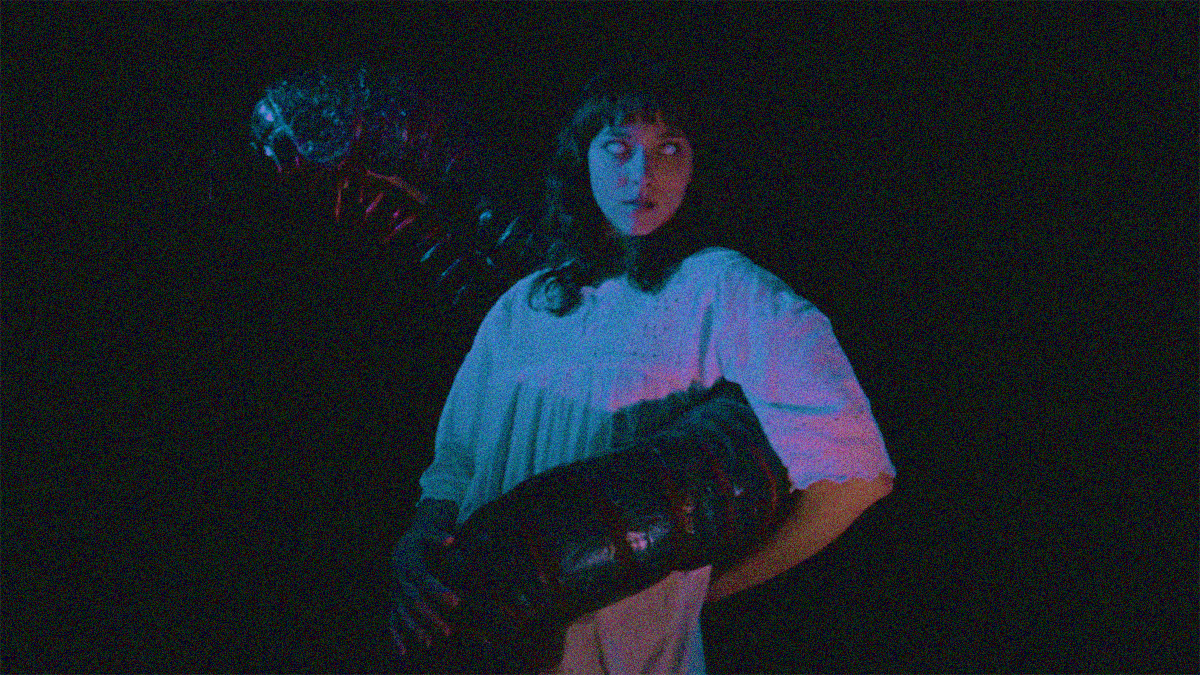
When Honey (Lyndall Huber) tells Sadie (Tirion Healy) that women can't be perverts, her eyes perk up. Why? Because she's been wondering if that's indeed what she is. Sure, she's attracted to Theo (Emmett Roiko) and desperate for him to notice her when he smokes outside their shared work building. Sure, she feels a pull towards Honey inside the cramped pet store where she buys her crickets. But Sadie's true desire is to be taken into the throes of love by an insect.
Angus Silver reveals this during the first scene of his singular psychological romantic drama Insectasy with Sadie masturbating in bed while holding a glass upside down on her chest to keep the cricket trapped inside on her skin. She only lifts it at the point of orgasm so she can crush the bug at its peak. And all the while she listens to an ASMR-like narration of a woman confidently speaking her sexual desires aloud while fantasying about her own metamorphosis.
Does this make Sadie perverted? Honey's hyper-specific definition by way of flirtation is that nothing is if it doesn't disgust the other person. So, I guess it's all in the eye of the beholder. Not that that means she'd ever admit her proclivities to Theo if they got together or to her shallow friend group led by Genevieve (Kelsey Thompson). She'd rather keep it her little secret just in case so she can continue inserting these bugs into her vagina for optimal pleasure.
Built as a comedy, you are supposed to laugh at the awkwardness that abounds whether it's Theo stumbling over his words being nervous around Sadie or Sadie doing the same around Honey. We're supposed to laugh at the situations Sadie finds herself in at work with a hypochondriac (Rand Walsh) or at the pet store opposite it's other employee Julius (Jan Roeth)—a man who might be as interested in bugs as her. I'm just not sure it goes far enough to assure us.
Because it's not simply an absurdly surreal film looking to push boundaries to gross-out levels. It's also an affecting second stage coming-of-age tale wherein Sadie finds herself at a crossroads. She's as aroused by these insects as she is jealous of their ability to effortlessly follow their instincts and shed the skin of what they once were. She wants to speak her mind and take control. She wants to accept herself despite her own questions surrounding whether she should.
So, we're constantly finding ourselves unbalanced by what is unfolding on-screen. Yes, the circumstances hold a humorous bent due to the weirdness of the subject matter, but we also want to invest in Sadie's awakening from the constraints of society. It can therefore get difficult to discern which we're meant to feel at any given moment. Should we laugh or does laughing undercut the weight beneath? I often found myself stuck and unable to just let it wash over me.
I also don't think its flippant commentary on the COVID shutdown helped matters either. There's a sort of rebirth message baked into that too between the health concerns of the hypochondriac and Theo's customers to Genevieve's ping-ponging thoughts on the legitimacy of the virus as a means of feeling better about her anxiety. I think Silver was getting his ideas across via Sadie and the insects good enough without also shoehorning the pandemic in.
Unless I'm missing how it fits with the rest (viral "bug"?). Maybe it wasn't actually veering towards MAGA territory so rapidly that I kept cringing in anticipation for full blown conspiracy theory. Because I do get that people in their early twenties who went through that experience are still trying to find their way out sexually considering partying restrictions and fears. In that case, make a post-COVID film instead of merely sprinkling it in on top.
Because there is a lot to like here. It's strange and has fun with its dream-like overexposures and superimpositions. It devolves into a gorgeous climactic montage of quick burst imagery that blurs the line between human and insect en route to a Bride of Gregor Samsa finale. And Healy delivers a truly captivating character who is simultaneously embracing her own desires while also cribbing the ways in which others achieve theirs. It's an education by fire.
I'm certain a lot of people will vibe with Insectasy on a level I just can't reach, and that's good. There's enough for me to appreciate in the aesthetic experience to maintain my interest even when the pacing and certain choices had me glancing at my watch. At once too cryptic and not cryptic enough, the moment you find yourself slipping away from its pincered grip is the moment you discover it might be you who can't quite latch onto it.
5/10
July 25
Unholy Night
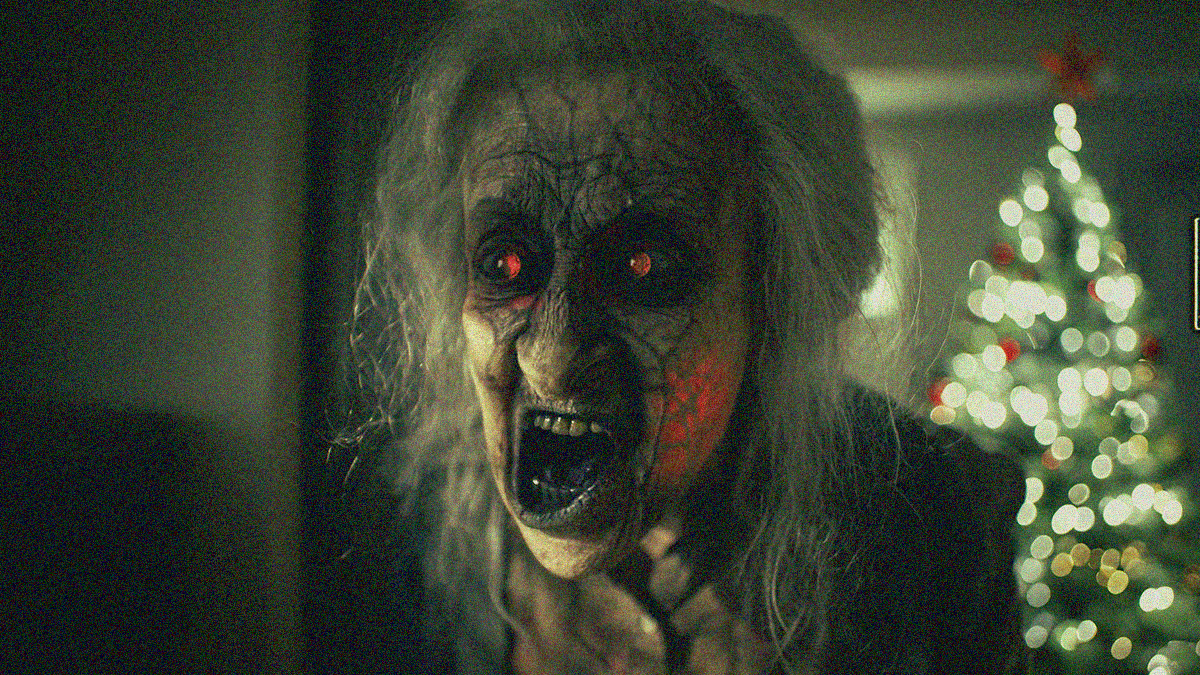
It's quite the cold open. An Italian family is readying for Christmas Eve dinner as a young girl moves about the crowd passing out cookies from the large tray in her hands. She smiles as her father takes a couple extra. She watches helplessly as her mother steals one of own and puts it back onto the tray. And she's pushed under the table once everyone screams in response to a monstrous intruder violently throwing and dismembering anyone within reach.
Writer/director Michael Gabriele doesn't tell us how long he's fast-forwarded when the title card donning Unholy Night disappears. (Don't worry, you will soon find out.) We're simply brought back to a different Christmas Eve as Gino (Marc Bendavid) readies himself to be the whipping boy once again—a job he's never shaken as the baby brother the rest of them believe to be helpless because he's never lived up to their expectations. Everything he does is wrong.
It's a familiar refrain. Even Gino's ex Rene (Shailene Garnett)—although he never publicly admitted they were dating because he feared his family's unspoken racist opinions due to her being Black—feels that same pressure and angst. Someone is always relegated to the bottom of the totem pole because too many of us find it impossible to exist without creating a sense of superiority for themselves. Heck, they can't even compliment Mom's sauce without disparaging Grandma's.
Well, while this last part is meant as a victimless crime due to Nonna (Jacqueline Robbins) being dead for a few years now, we know her corpse is inexplicably holed up in the basement with presumed ill-intent. We watched her enter the house unannounced. We braved the potential jump scares when Gino finds their cat where we think she's ready to pounce. And we prepare ourselves for Nonna to become this family's own monstrously violent intruder.
Blood is spilled. Bodies fall. Why now? Why them? It's not like this is a regular occurrence since none of them are expecting the carnage that follows. They don't even realize they aren't alone. That the entire town is being over-run by zombies thanks to what Gino's mother (Toni Ellwand's Lucia) and father (Ron Lea's Giuseppe) think is an Italian curse told to scare children into respecting their elders. "Surviving family dinner" is no longer just an expression.
Gabriele understands the inherent humor to old family squabbles being brought to light with the strict ancestors everyone was relieved to be rid of coming back for revenge. It's not only funny (and horrifying) to see Nonna's face contort with glowing eyes when the rage that led to a wooden spoon thwack now manifests as having that spoon shoved down your throat, but it's also comical watching the younger generation pretend they're tough enough to combat it.
Gino wants to protect Rene when he hears screams across the street even though he agrees with his brother Franky (Olivier Renaud) that she'd have a better time saving him instead. Franky wants to protect his family and thinks he can wield an axe to decapitate people he once knew. And their sister Angela (Cristina Rosato) is all about cheering the latter on while attempting to do so. But these aren't just monsters. They're also the source of real childhood nightmares.
That in and of itself is funny too once Uncle Bruno (Al Sapienza) and his ability to hear crumbs falling despite being blind arrive. So, there are as many gruesome deaths with disemboweled guts strewn across the floor as wholesome moments like Gino leveraging his great aunt's people-pleasing nature to stop her from becoming homicidal like the rest. Not every button your family knows to push is a result of choosing violence. Sometimes they can bring peace too.
And therein lies the real message at the back of Unholy Night. Yes, it's about acknowledging your regrets and finding forgiveness from beyond the grave (Will solving the dead's unfinished business send them back?), but it's also about Gino learning from their mistakes to not allow himself to make the same ones. He has a second chance with Rene to follow his heart regardless of his family's opinions. He can stop letting them say the man he's become is a failure.
Because Gino likes who he is. He stands by the others and deserves to have them stand by him too instead of always being the butt of their jokes. Does that mean out-Frankying Franky to save the day? No, because that's also a refusal to be himself. It's not about fault or heroism. It's about accepting oneself despite the noise. It's about being proud of what you can do rather than ashamed by what you can't. It's about figuring it all out without going to Hell and back.
The film is a lot of fun as a result. Gabriele leans into the tone of this genre mash-up as well as the potential to play with our expectations within it. His script lets his characters come to obvious conclusions, but he isn't afraid to then prove them wrong ... or incomplete. The emotional drama inevitably takes hold during a harrowing climax, but the epilogue leaves us with one last laugh. Sure, the "curse" is never fully explained, but it definitely serves its purpose.
6/10
July 26
Corpus
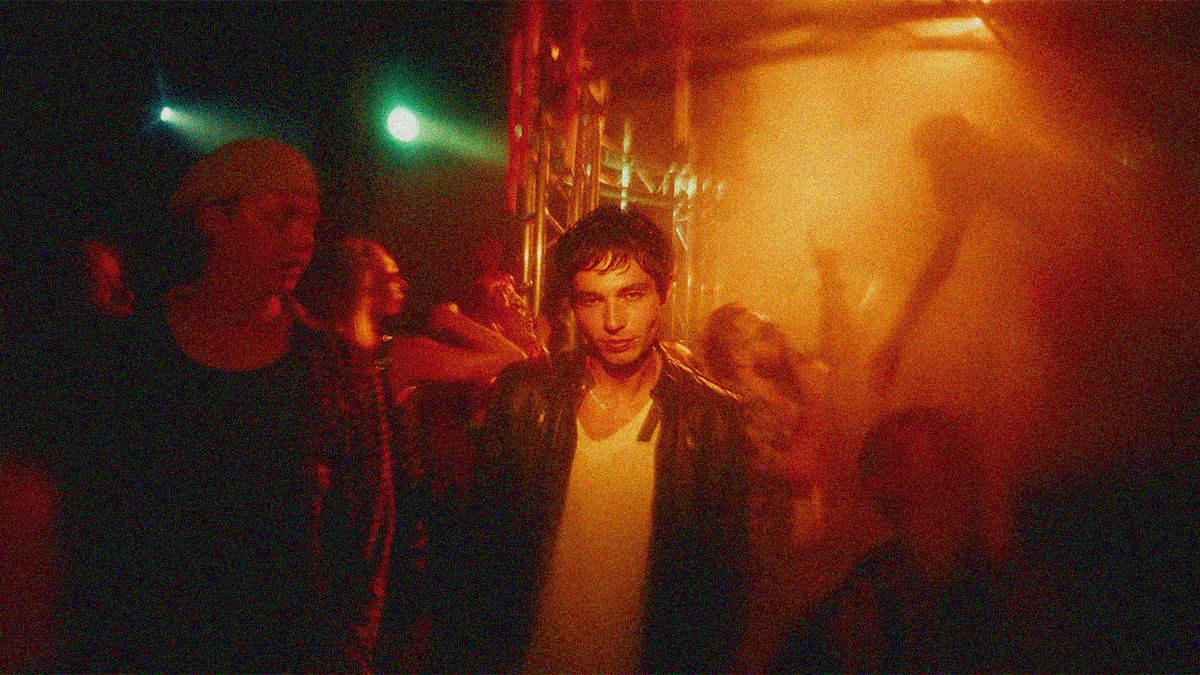
"The result plays with gender, age, and jealousies as the carnal desire to be with someone merges with the psychological urge to become them. It leads to a fantastic climax."
Full thoughts at The Film Stage.
Sicko
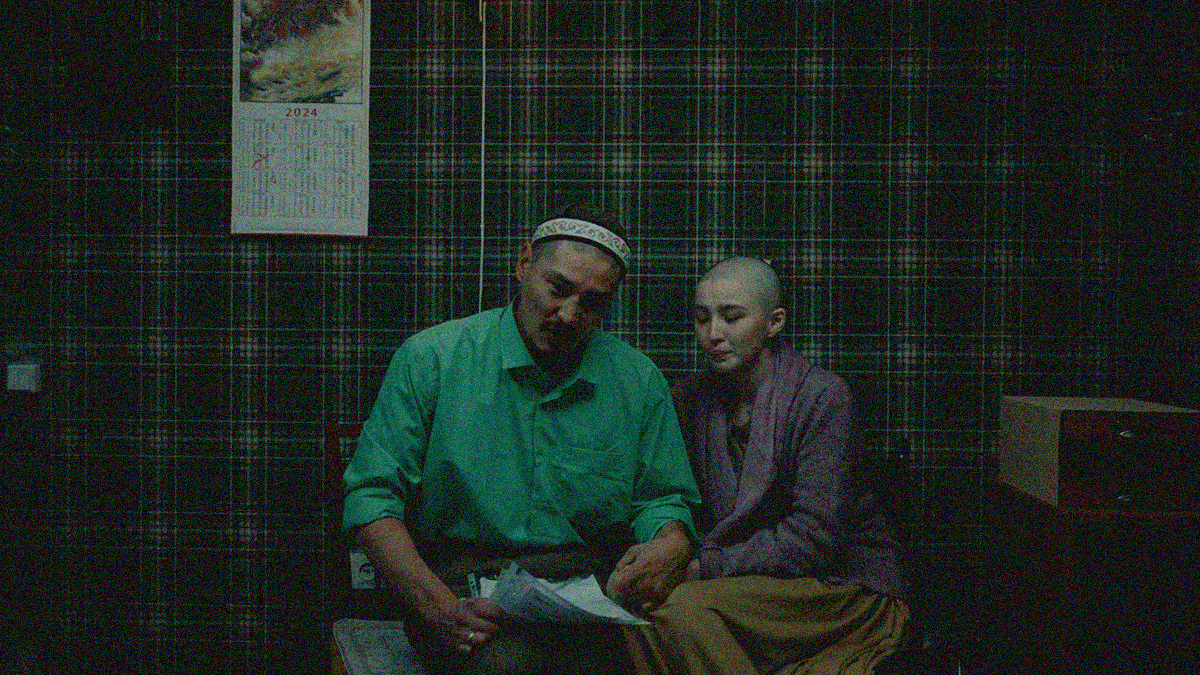
It's a brand-new day with endless possibilities when Tancho (Dilnaz Kurmangali) wakes her husband Aza (Ayan Utepbergen). Well, that's what she says to help them forgot their troubles. Because the only possibility that awaits is pain due to the debts they've accrued. To Aza's friend Damir (Sultan Tursynbekov). To his mother (Gulshat Tutova). To creditors. So, it hurts even more when he totals their car while Ubering and Tancho discovers she's pregnant.
What are they to do as eviction and Damir punching Aza in the face again combine to form a vision of their future? What else can they do besides run away and hoping no one finds them or turning to crime? It just so happens that an opportunity for the latter arises when Aza's desperation leads him to steal a charity box for cancer patients and blurt out that Tancho is dying. He's seen how lucrative fundraisers are. Why not crowdsource their way to solvency?
So, director Aitore Zholdaskali and writers Kazybek Orazbek and Aldiyar Zhaparkhanov push their characters towards fraud. Not only does it work as far as achieving their financial goals, however, but it also turns them into national celebrities. Everyone wants a piece of their feel-good story. The couple start popping up on magazine covers. And the renowned Hope foundation agrees to set-up an auction to fund Tancho's nonexistent surgery.
The first half of Sicko therefore unfolds as a sort of comedic adventure with their scheme presenting new opportunities and forcing them to confront the guilt of what they're doing. They know they must stop eventually. That a "miracle cure" is on the horizon and the influx of money will cease, but Aza has never presented himself as a pragmatic man who operates on logic. So, while you might assume the title describes Tancho, it's actually pointing at her husband.
Not that he's the only greedy figure in the film who will stop at nothing for a payday. Damir is no better as he forges medical documents from his hospital desk. There's even a pair of young con artists (Aida Kurmangaliyeva and Azat Zhumadil) posing as charity volunteers to gain access into sick people's homes and steal the nest eggs meant for their hospital bills. They're all a bunch of sickos exploiting strangers through violence, lies, and thievery.
That being said, however, it's still difficult to anticipate just how far the depravity will ultimately fall. Because it's one thing to try and cheat your way to one more score, but another to crave it so much that you're willing to kill to ensure you get it. That in and of itself would have moved this darkly comic drama into horror territory with its increasing body count, but Zholdaskali and company take it even further into a toxic masculine psychosis.
The final third of the film is tough to endure. Don't get me wrong, it's very well executed and makes perfect narrative sense all the way back to the first display of Aza's destructive temper. It's just also an unrelenting misogynistic nightmare that transforms the two smiling faces of a loving couple bending the truth and acknowledging the price into a dynamic of abject fear and abuse. It's an intense series of events that depicts an utter loss of humanity.
This descent begins with a knock down drag out fight that will make you hurt just from watching. Half the time you assume someone is dead because of how physical things get only for them to pop back up to keep things going. Its appeal lies in the fact that none of the characters involved are actually murderers. Some of them are violent by nature, but nobody knows what it is to take a life until it occurs and officially shuts the door on them ever recovering.
Utepbergen and Kurmangali are great as the leads. Their Aza and Tancho have a bead on each other for a good portion of the film as far as her pushing him to do the right thing and him allowing her to choose the wrong thing ... for a little while. Because there's still a semblance of shame driving them at that point. It might not be what they want, but they'll acquiesce to escape a predicament and improve their lot. The moment that's gone, however, all bets are off.
Give the filmmakers credit for sticking to their guns and taking things where they do. It screeches the enjoyment factor to a halt when even murder was still conjuring a smile insofar as wanting to see how the characters would get out of their return to dire straits. Because you can appreciate a good kill—especially when it serves the plot by creating a new conflict point. You can't enjoy what comes next. You can only accept its authentic place within the whole.
At no point does the film condone what's occurring, though. This isn't a case where the protagonist is an antihero you must look the other way for. No, Sicko is a brutal comment on society for allowing the circumstances that lead to these horrors. An impossible cost of living. Medical bills that demand charity just to try and survive. Aza and Tancho are good people caught in a system built to rewire brains as a means of survival. Redemption inevitably stops being an option.
6/10
July 27
The Last Footage
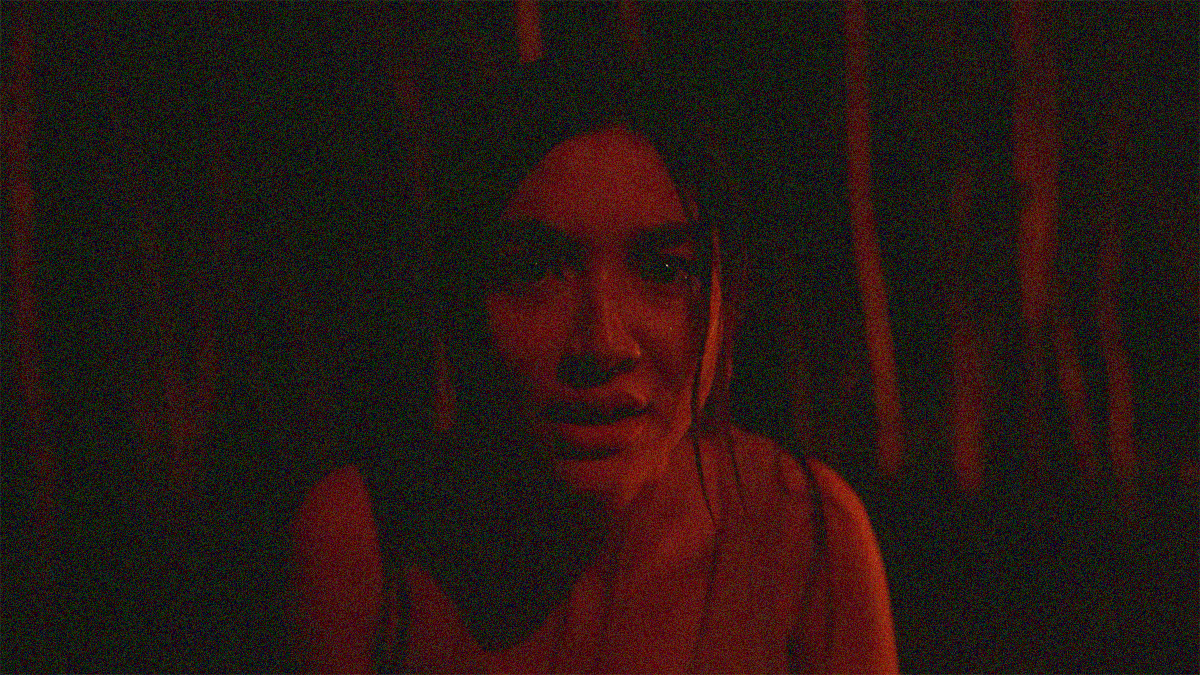
Billed as the first found footage film coming out of Myanmar, Arkar Soe Oo's The Last Footage begins with a montage of different 4K smart glasses users as they go about their day-to-day lives. It's like a proof-of-concept prologue getting us prepared for what the first-person vantage point can deliver as scenarios and possibilities escalate towards a trio stumbling upon an unknown ritual with a creepily orchestrated price to pay for their curiosity.
They aren't the leads, though. And those cultists aren't the villains. So, we move from that mood setter to Aung Khant's (played by the filmmaker himself) eyes as he opens his new LIVE! 4K Pro spectacles before heading out to meet friends for dinner. It's there that we discover their latest adventure vacation is about to begin with Thu Ya (Charlie Nyein) picking the destination: an abandoned rubber plantation in the Wingabar Forest left to him by his late grandfather.
The potential nightmare that awaits is easy to imagine once we see Wa Na (Thiha Tin Aung Soe) and Mya (Lain Maw Tee) covertly planning a summoning spell and learn about Thu Ya's uncle's (Kyaw Kyaw Bo's Ko Nyo) tragic past of losing his wife and children to a fire he was accused of starting on that same land. So, there's a history of death, the playing with things outside of their understanding, and, upon arrival, a witch (Mo Khum) cackling about awakened monsters.
The group is rounded out by Thu Ya's wife Daisy (Adira Oo), their other friend Linn (Li Li Kyaw Khaing), her little brother (Phyo Khant's Min Thant), and the bus driver (Swan Htet Aung's Ko Htet) they hired to get them into the woods. Ko Nyo tries to tell them to stay away because he knows the sort of evil that lurks in those trees—or, at the very least, believes as a coping mechanism for the guilt of what happened to his family. When they refuse, he joins to protect them.
There are a lot of cuts at the beginning as the script scrubs through their journey to only highlight those moments that we need to better wrap our heads around what's to come. Once we get to the cabin and the witch, however, things feel like a continuous take capturing the insanity in real-time. Whether Min Thant's disappearance, a zombie (Saw Thit) risen from the grave, or an ancient hulking beast with antlers (Thura Zaw Htet), Aung Khant films it all.
Despite the culturally specific folk horror mythology at its back, don't expect too much in the way of new territory for the genre or the gimmick. All the usual tricks are used to craft well-timed jump scares via objects coming into and out of frame due to first-person pans and bad peripheral vision. Plot is thrown away to allow for the characters' heightened survival instincts and impulses to kick in. And the dialogue devolves into screaming as things go from bad to worse.
Being familiar doesn't mean it's ineffective, though. This is a low-budget indie feature with Arkar Soe Oo putting himself in the film to be its camera operator while also wearing writer, director, and editor hats, so you must take some aspects with a grain of salt. Some of the acting can go over-the-top, but even that's not necessarily unintentional considering the subject matter. Li Li Kyaw Khaing is an obvious standout thanks to a consistent emotional authenticity.
As for the production value, The Last Footage does well ratcheting up the eerie atmosphere thanks to candlelit shrines and some gnarly make-up where it comes to the zombie (thanks to an up-close-and-personal look when it attacks Aung Khant). The monster is a bit shakier in that it seemed pretty fake looking at the start with many of its kills happening in the distance to hide the need for gore. When we get closer, though, its detail did change my mind for the better.
The one aspect that is difficult to ignore is the fight choreography. They do their best to mask deficiencies by keeping the camera far away, but things can get silly when characters keep whacking the monster with a glorified stick that does absolutely nothing. Yes, there's purpose to this considering they are later given a medallion that hurts it, but the repetition starts to feel less like "scared people" and more like "we need them close enough to be murdered."
Other than that, however, it's a successful entry into the genre that both shows an adoration for the titles that came before it and the excitement we should have to see what Myanmar does next to continue elevating its low-budget digital online fare to true theatrical offerings. The potential is there for marked improvements that elevate the ideas and unique supernatural mythologies of the country while honing its voice and aesthetic into something wholly new.
6/10
July 29
Black Zombie
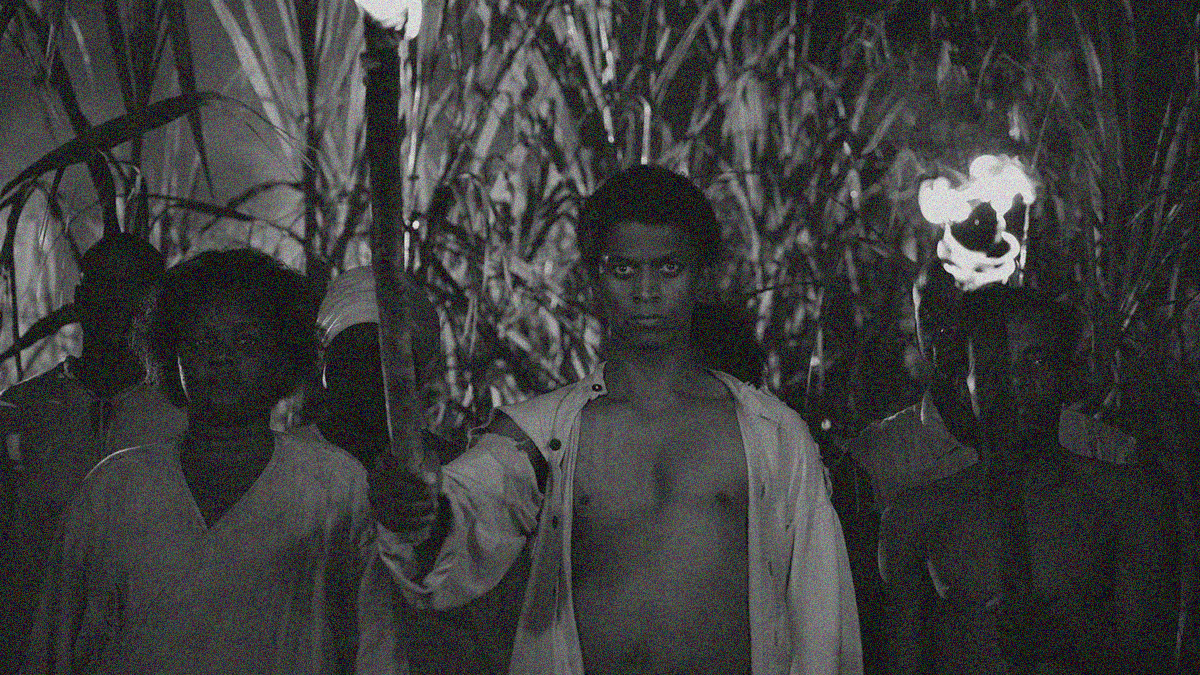
"Black Zombie is therefore as much an educational resource to reveal Hollywood’s indoctrination in service of colonial infrastructure as it is an answer utilizing that knowledge to combat it in real time without the need for subterfuge."
Full thoughts at The Film Stage.
July 30
A Safe Distance
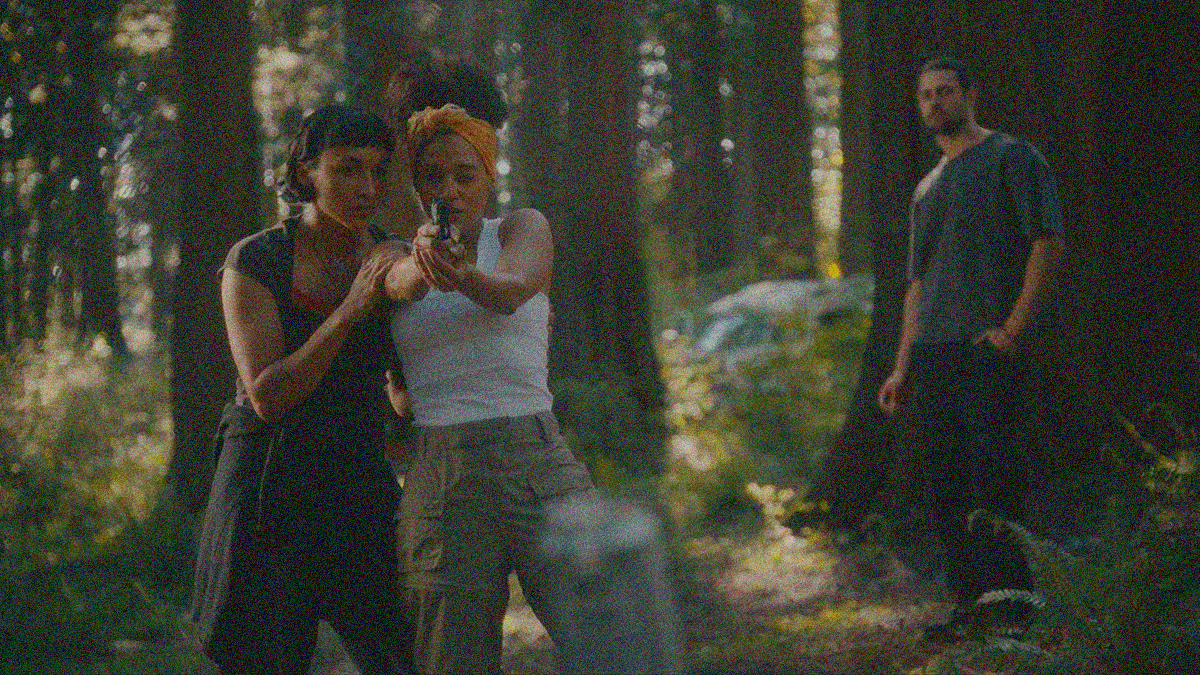
After berating her to take time off and then choosing the vacation he wanted, Joey's (Chris McNally) botched proposal leading him to just abandon Alex (Bethany Brown) in the forest tells us all we need to know about why she said, "No." So, it's intentional that the couple finding her unconscious on the ground seems like everything they weren't. Kianna (Tandia Mercedes) and Matt (Cody Kearsley) genuinely love each other and listen to each other's needs.
Or do they? Because the intent in that assumption is less about truth than setting up the narrative that will ultimately prove it false. Director Gloria Mercer and writer Aidan West have already shown us that the only two people leaving those woods are Alex and Kianna. They open A Safe Distance with a gunshot before showing the two women dumping a body, washing the blood off their faces, and buying a bus ticket far away. So, how did it come to that?
It's a great way to bring us into the fold. Start at the end, rewind to the beginning, and work back to the trigger pull marrying the two. Now we can meet Alex and discover where she is in life as a work-from-home thirty-five-year-old who regrets never having experienced the moments she dreamed about in her youth. We can learn about a string of Bonnie and Clyde bank robberies before meeting Kianna and Matt basking in their freedom from societal constraints.
The juxtaposition is obvious. Alex and Joey are the boring thirty-somethings who embraced their drab lives as cogs in the capitalistic machine. Kianna and Matt are the cool twenty-somethings living off the grid with zero responsibilities beyond tracking the police hunt on the radio to ensure they aren't caught. The latter couple are therefore everything Alex wishes she can be with the former proving why they rejected the status quo in the first place.
But appearances are never quite what they seem. A lot of people who reject something do so because they were born with the privilege to make that choice. Many of those who resign themselves to their own exploitation are forced to comply because they don't. That's what gives this woodland collision the potential to change their lives. Its setting is devoid of societal constraints. It's a place where they can be honest about who they are outside of the game.
Maybe Alex is a stone-cold killer beneath the cautious exterior willing to endure eight years of a relationship she knows has no future. Maybe Matt's ability to spout his feminist ideals are less about his truth and more about pointing out the misogyny around him so no looks close enough to see the hypocrisy. Maybe Kianna is the realest of them all—using whoever is willing to be used to help achieve her goal of retiring alone in the Maritimes with a giant nest egg.
That's where the meat of A Safe Distance lies. It's in the arguments Alex overhears between a drunk Kianna and Matt. It's about the mistakes made and the festering jealousies when an outsider is introduced into a closed loop. Is Alex's presence a catalyst for the cracks forming in the foundation of her hosts' union? Or has she simply provided an external sounding board for Kianna and Matt to find purpose in putting their foot down instead of blindly acquiescing?
Alex throws a wrinkle into Matt's devoted-to-the-cause mystique once a night of drug-infused sexuality leaves the trio wondering about next steps. She gives Kianna the ability to put a hypothesis of not needing Matt to work. Alex is just as much a reminder of an outside world beyond their microcosm as they are to her since, despite having each other, their bank robbers are just as isolated and alone. They're just as mired in their routine and desperate for reason to wake up.
Well, this is it. For some (like Joey), that pivot point is realizing this is enough. For others (like Alex), it's realizing that they want more. And power and gender do play into it. Hearing both Joey and Matt say their better halves would be helpless without them isn't a coincidence. Alex and Kianna asserting control with consent and a gun isn't either. Because reason and safety take a back seat to desire and necessity. Both women are breaking free from men as much as society.
It's therefore fun to see how loose Brown and Mercedes are when it's just them. Contrast that with the sex scenes (Alex praying Joey will finish soon or Kianna looking for Alex while Matt is between her legs) and it's easy to see the line between love and pragmatism. Alex is still with Joey because it's easy. Kianna stays with Matt because their goals are currently still aligned. But all bets are off the moment that status quo changes.
The result is an entertaining character study that never forgets the central mystery of that gun shot. We can assume the identity of the body they dumped as much as we want, but we won't know until we see what we originally only heard. We enjoy Kianna and Matt's disintegrating relationship with Alex supplying the wedge enough that Mercer and West can work their magic before we remember there might be one more card up their sleeves.
7/10

I Want Your Sex
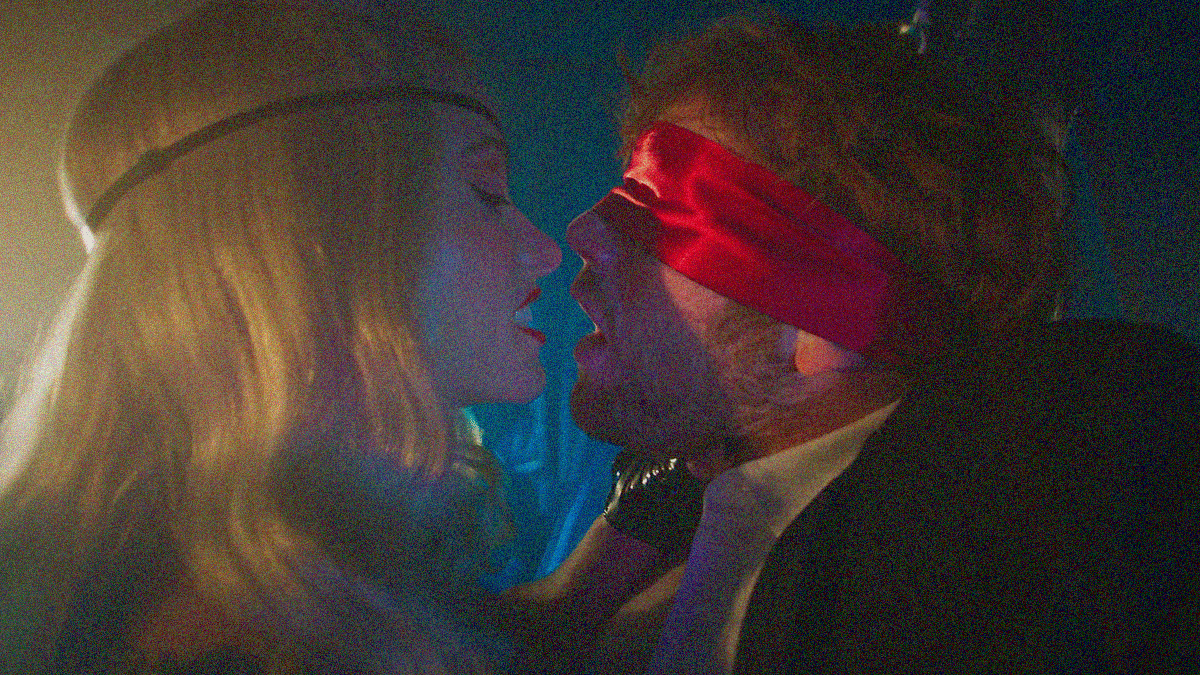
Elliot (Cooper Hoffman) wakes up in women's lingerie before stumbling outside with blood streaming from his mouth to find Erika Tracy (Olivia Wilde) lying face down and naked in the pool. He rushes to the edge and jumps in, reaching for her body to pull her from the water and attempt CPR. Before we discover what happens, however, Gregg Araki transports us back in time to provide the necessary context as to what he was doing there in the first place.
Araki and co-writer Karley Sciortino (who previously worked together on "Now Apocalypse") are setting up the structure that will define I Want Your Sex for its duration, introducing Elliot's fresh-faced innocence basking in the optimistic glow of working as one of Erika's assistants before returning us to the disheveled weeks-later train wreck their BDSM relationship wrought. Even when sitting across from the cops, however, he refuses to blame her for any of it.
So, it's not hard to side with Detectives Zola (Margaret Cho) and Zem (Johnny Knoxville) when they respond to that refusal with incredulous looks since you'd be a fool not to understand the dynamic at play. Everything Elliot says proves that Erika groomed him to be her submissive from the start with her position as his boss meaning his consent could never truly negate that fact. That she also subsequently destroyed his life only makes the disconnect worse.
It also makes it funnier ... and that's the real goal. Because despite all the sex talk pontificating from Erika about Gen-Z not having enough and common-sense retorts from Elliot explaining the abnormal times in which they were forced to usher in their twenties, Araki and Sciortino don't have that much to say. This is less a satire on the state of the world (beyond Mason Gooding's Zap trying to make it a thing) then it is a ludicrously over-the-top farce.
Don't therefore waste your time looking for meaning in all that dialogue. It's truly only there to constantly remind us how much we love to put on airs to impress others with our confidence regardless of whether we have anything useful to say. Elliot constantly embracing logic to earnestly tell Erika that what she's saying is a direct refutation of what she said the previous day isn't a punch line. It's the point. She'll do and say anything to get what she wants.
That he'll keep complying no matter how insane her demands or how mercurial she proves when leading him on proves he will too. So, it does make sense that Elliot won't blame her for the shambles his life has become by the end. He used her just as much as she used him. And while we can feel sorry about some of it (Chase Sui Wonders as his BFF Apple) and laugh at the rest (Charli XCX as his apathetic girlfriend Minerva), he might just be better for it.
Araki is having a lot of fun ruining this guy's life too. He gets the humor inherent to Elliot inevitably proving a submissive in all aspects of his existence. This character doesn't fight for anything. He accepts Minerva's indifference at face value. He endures Zap's ability to make him feel unwanted even as he demonstrates that he's the only one who cares. And he always comes crawling back to Erika ... even when he knows he should run away.
The film is at its best when it leans into its absurdity via Elliot's fantasies. I only wish it did so more. There are two very brief instances of animation at the start that lend an irreverent tone missing from the duration. The numerous examples of Elliot seeing Erika through lust-colored glasses pick up some of the slack (in large part to Wilde having an absolute blast), but most of the comedy is sardonically dry by comparison. That's not a bad thing. It just is.
I think the reason is partially to remind us that there's still a mystery to be solved. (Who killed Erika?) I'd be lying if I said I cared, though. At a certain point I found my groove just sitting back and enjoying the mess. Cho and Knoxville are great each time we return to the interrogation room, but I was mainly invested in how much further Elliot would fall. What else would his cravings and Erika's manipulations ruin? How bleak would rock bottom prove?
Hoffman is perfectly toeing the line between gullibility and trust just how Erika describes him. We revel in his excitement to live out his fantasies and applaud his defiance when things go too far (even if he contributes to it). And Wilde is transfixing as the puppet master pulling his strings with a trickster gleam in her eye. Whenever she reminds him it's purely physical for her, she ensures there's enough of a wink to make Elliot think she might be lying to herself.
The attempt to instill an eleventh-hour mystery above the mystery for a grand reveal is too superficial to pay it any mind as meaningful to the plot or as a spoof, but I did enjoy the double epilogues devolving into extremely chaotic absurdity. The latter reminded me how much crazier I Want Your Sex still could have been while Wonders' scene-stealing performance kept reminding me how poignant it was too. It may leave you wanting more, but it entertains, nonetheless.
7/10
Mustache
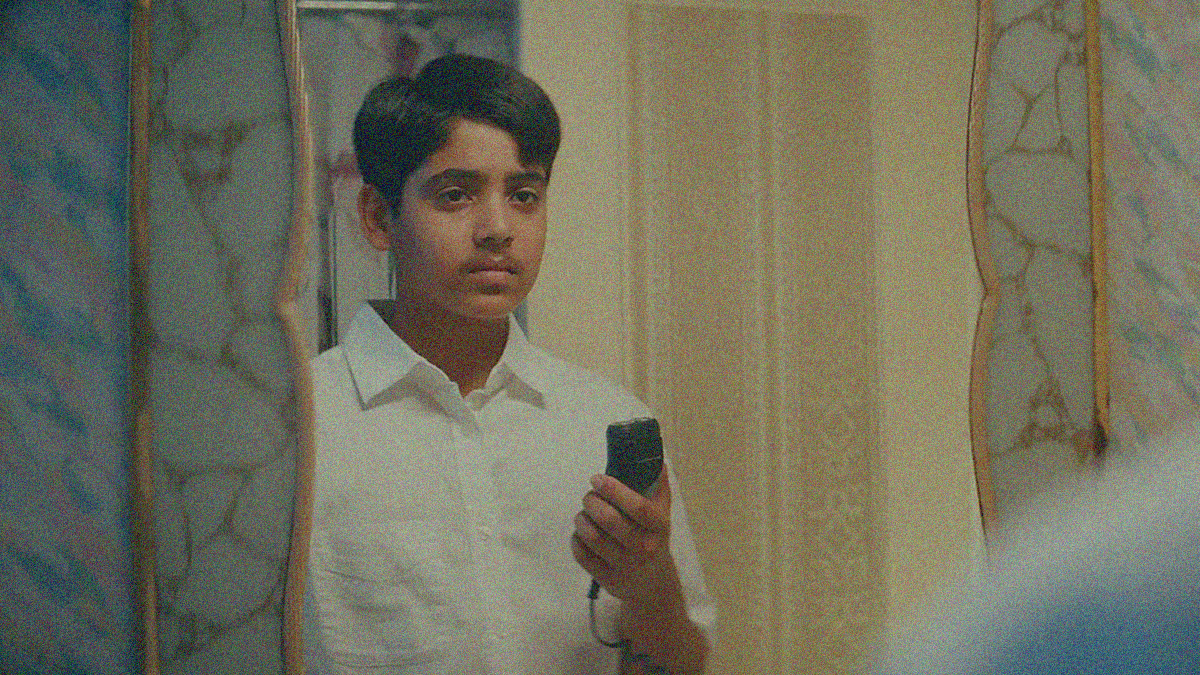
It's taken three years since winning the Audience Award at SXSW in 2023, but Imran J. Khan's feature debut Mustache is finally being released so we can meet young Ilyas (Atharv Verma) as he confronts the relationship between who he is and what others want him to be. Rather than simply treat this conflict as an either/or, however, the film exposes the reality of living on the border of two worlds. His existence is more like a cosmic game of pickle in the middle.
Ilyas is just a regular second-generation immigrant caught between the allure of fitting in with his American neighbors and the necessity of honoring his heritage via both his Pakistani culture and Muslim religion. The former brings with it the excitement of freedom to be and do whatever his heart desires. The latter gives him safety and security within a supportive community. So, he's just as afraid of letting his family down as he is of strangers treating him like a pariah.
As the title reveals, Ilyas' mustache plays a large role in this coming-of-age tale on a literal and figurative level. Whereas it's easy to other him in the outside world by the color of his skin, that facial hair allows him to be othered by those who look like him too. He's desperate to shave it off and melt into the background once again, but his parents (Rizwan Manji's Hameed and Meesha Shafi's Asiya) forbid it. And it's that restriction that turns it into a symbol of independent identity.
Khan has fun with this fact by humorously turning the mustache into a sort of "devil" on Ilyas' shoulder. Whenever his temper rises, the camera zooms in to display a close-up view of the hair follicles as though they are taking over from his brain to do something stupid and/or violent. It's that rage that pushes a Muslim school classmate into a public school "observer" (I get normalizing other cultures, but this zoo-like practice is wild) and changes everything.
The initial drama stems from the resulting "punishment" (facilitated by Hameed's fledgling business needing some financial relief) that sees Ilyas being the first of the family to escape the confines of his faith and attend a public school. Before he can begin to try to embrace this new challenge and freedom, the teen hatches a plan to scare his parents straight. If he can trick his dad into believing he's been corrupted and has a girlfriend, they'll need to send him back.
It's an absurd scenario treated with period specific authenticity as Ilyas and his crush (Ayana Manji's Yasmeen, who very obviously also has a crush on him) covertly communicate via AIM and email to create a paper trial of love notes from his current classmate Liz (Melody Cao). Cue the chicken and egg result of the lie forcing him to actually befriend her, embrace acting (taught by Alicia Silverstone's Miss Martin), and discover maybe this school is better.
That's not to say this evidence isn't presented throughout the entire film whether Asiya giving up her painting to become a mother, Hameed's refusal to admit he's struggling causing him to overextend himself even further to keep up the ruse, or an older teen role model in Armaan Jawandha's Aasim Haqq juggling duty and pleasure well enough to unhealthily split his life in two. Ilyas is surrounded by victims of their own repression.
So, it's not just about freeing himself from the burden of expectation and prejudice. It's about Ilyas being in a position to set an example for the rest. That's the beauty of youth allowing him to still be malleable enough to recognize the positives inherent to embracing new possibilities while still maintaining tradition. Khan is perfectly toeing that fine line between adaptation (additive) and assimilation (subtractive). Which parts help Ilyas become his best self?
Mustache proves a heartwarming and inspirational example of the immigrant experience while also just embracing the comedy born from naïveté. Verma imbues Ilyas with as much awkwardness in his need to break free of the chains of his Muslim elders as his cluelessness when it comes to fitting in with the "cool" kids. Because what is "cool" anyway? Credit Khan for making us believe drama class fits the bill. Yes, endearing can be cool too.
There's no better way to describe what's on-screen. Whether Ilyas' Back to the Future monologue, Yasmeen rolling her eyes at his stubbornness, or Krishna Manivannan's Arun proving confidence is king, you can't help but be charmed by just how endearing this movie is. Because kids should be allowed to make mistakes and still come out the other end due to the mutual understanding of those impacted. We've all made the same ones. And we're often better for it.
8/10
The Samurai and the Prisoner
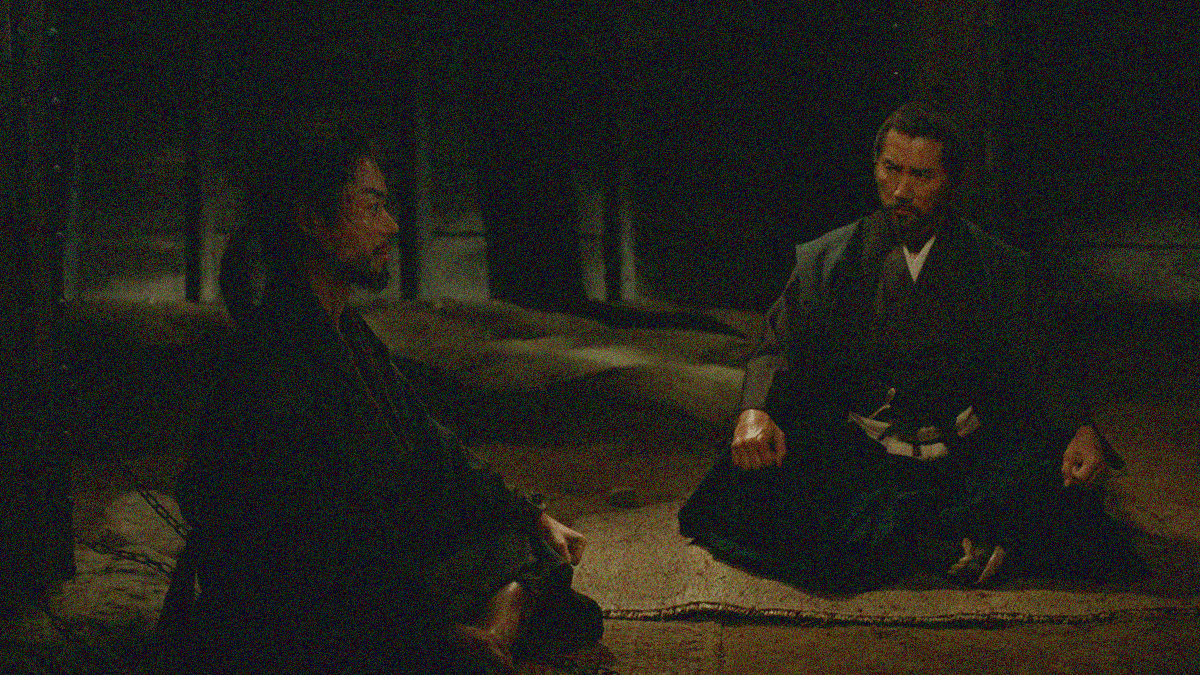
As the cruelty of Oda Nobunaga's reign leads to what Araki Murashige (Masahiro Motoki), his Setssu province retainer, believes to be unnecessary bloodshed, the latter decides to rebel with the assistance of likeminded clans. While the fight therefore takes on an air of "good versus evil" insofar as pitting a madman loyal to nothing but power against a benevolent leader in search of peace, this warring era's samurai customs has many seeing it as "strong versus weak."
Kiyoshi Kurosawa's adaptation of Honobu Yonezawa's novel The Samurai and the Prisoner proves timely with our own prevalence of "strong men" leadership equating destruction with strength despite that destruction only leading to disarray. In a perfect world, everyone would rally behind Murashige's promise of sanity via an alternative to the status quo that benefits the meek. Why side with a man like Oda who would kill you on a whim instead of a life free from fear?
The answer is, of course, that very fear. If you choose Murashige and lose, Oda will definitely execute you. If you choose him and win, what's to say the power doesn't corrupt him as well? So many of our decisions come down to routine. Our fear of things getting worse seems destined to defeat our hope that they can be better every single time because we've been conditioned by religion and the state to follow rules at threat of punishment if we want salvation.
It's why Kuroda Kanbei's (Masaki Suda) words towards the end of the film linger. He gives voice to the idea that our impulse for survival and greed reigns supreme above reason to the point where doing the right thing invariably leads to our demise. We will select the "carrot" for relief and remain loyal to its provider as long as he secures our wellbeing. Without also wielding the "stick" to maintain that loyalty, however, a single seed of doubt risks undoing everything.
This the position Murashige finds himself in when Kanbei arrives as an emissary to an ally of Oda. Murashige hopes to persuade Kanbei to join his side because he trusts his intelligence to understand what he's trying to accomplish, but those smarts are exactly why the latter must refuse. Yes, it's an admirable goal worthy of the attempt, but it's also a delusion when confronted with the facts of the war. So, as samurai tradition dictates, Kanbei accepts his fate to be beheaded.
Except that's not what happens. Despite all of Murashige's advisors imploring him to do it so he doesn't anger God and Kanbei begging for it too so Oda won't assume he was a traitor and murder his only son for it, the clan leader throws the emissary into his dungeon. Murashige believes he's showing strength by sparing the life of someone who could benefit him in the future. Others see it as weak—a samurai who no longer has the stomach to fulfill his duty.
The narrative unfolds through four seasonal chapters from this point. Each brings with it a murder mystery to be solved that proves both angles correct. The only way Murashige is able to solve these crimes is through the help of Kanbei playing Poirot-in-chains. But the crimes themselves also sow unrest in the people via divine punishment and his troops with each act undermining the leader's will while Oda's reach increases. Can Murashige right the ship in time?
These investigations supply a fun bit of intrigue in isolation. They each carry a potential supernatural element that gets everyone's minds racing as Murashige seeks to cut through the artifice and reveal the grounded truth behind them. We meet his trusted lieutenant in Joe Odagiri's Juemon, his confidant and wife in Yuriko Yoshitaka's Chiyoho, the leaders of two allied clans with a desire to attack Oda head-on, and others with varying degrees of loyalty.
All the while Kanbei sits waiting for his next visit to quickly decipher the truth and disseminate it to Murashige in cryptic messages that simultaneously help him find the perpetrator and set the stage for the castle's ever weakening state of invincibility. And since one such visit exposes how Kanbei's cunning can manipulate his captor into unwittingly doing his own bidding, who's to say there isn't a more elaborate plan being hatched in the background?
The beauty of The Samurai and the Prisoner is how many layers of deception there are. Even when you figure one out, it's a red herring shrouding another in shadow. Everyone on-screen has their own motives and they will follow them to the death if they must. Some are in service of Murashige. Some are positioned against him. Some don't take him into consideration at all since he's but a man caught in the same battle between "Paradise" and "Hell" as the rest.
That's where you see why Kiyoshi Kurosawa chose to take a detour into historical fiction period drama after making a career as a horror icon. Sure, there aren't any actual ghosts involved, but the specter of Buddha looms large to show how easy mankind can manipulate and be manipulated by invisible forces. How quick we are to let faith get in the way of facts. Or tradition in the way of morality. If Murashige won't do what's needed, others will in his or God's name.
It's an intricate plot that gets you so wrapped up in the individual mysteries that it's easy to miss the bigger picture alongside Murashige since there are more pressing matters at-hand. Motoki is great in the lead role with Suda providing a wonderful foil as the only other person who understands his reasonings while also being the only person smart enough to gain an upper hand. The production value is high too even as so much of the film is characters talking in a room.
Yes, there's an ambush scene and harrowing flashback to Murashige's last straw with Oda, but the two-and-a-half-hour runtime is mostly a 16th century Japanese police procedural. The way each chapter intertwines with the next ensures it never gets redundant, though. These "murders of the week" include the war's changing winds to facilitate the crime while knocking Murashige off-balance before a final hope play to salvage what's always been an idealistic fantasy.
8/10
Wild Inside
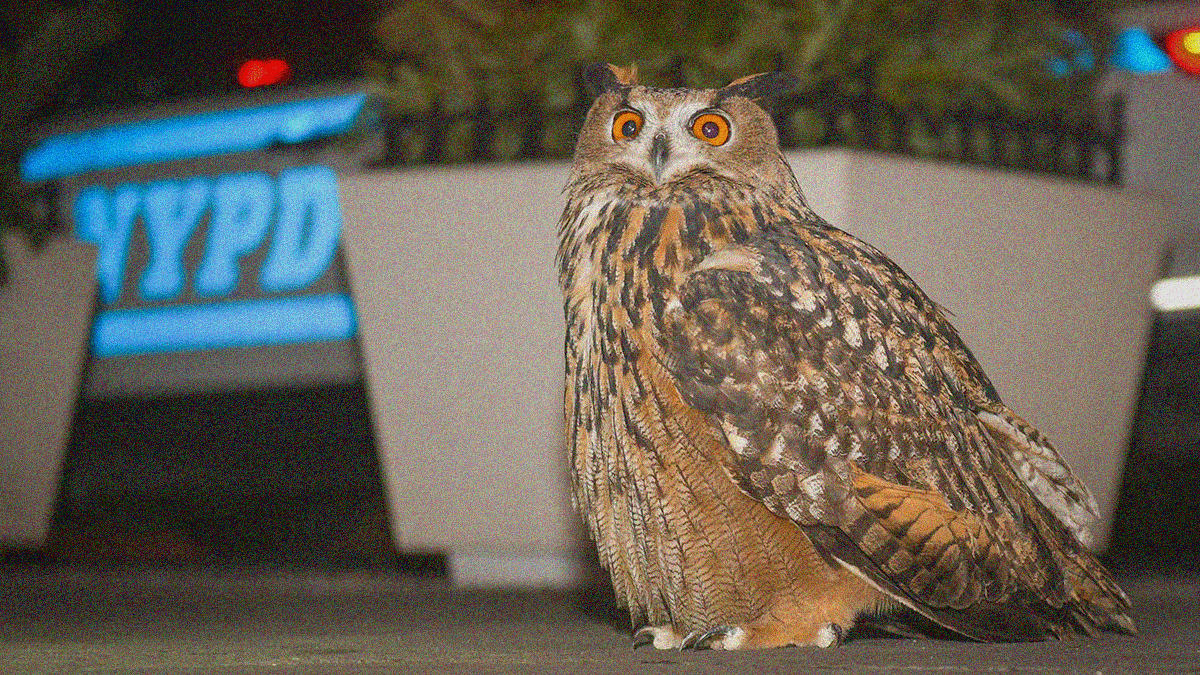
With some saying Flaco the Eurasian eagle-owl deserved his freedom upon escaping from his Central Park Zoo enclosure in 2023 and others saying he needed to be returned in order to survive, there was one question that no one asked throughout Penny Lane's documentary about the iconic bird. Should zoos exist? It's obviously a nuanced question that demands its own film, but it is at the heart of both sides of the argument displayed within Wild Inside.
Because the animal keepers were correct when saying he didn't stand a chance. Regardless of how quickly and effectively Flaco adapted to learn how to hunt at age thirteen, this new environment's dangers ensured his demise was a case of "when" rather than "if." But the owlers who followed his journey through Central Park and onto window ledges throughout the surrounding city were correct too insofar as applauding Flaco's freedom—no matter how short-lived.
I thought we'd get it too when we hear from professionals towards the end of the film explaining how long the lifespans for their captive animals are as a point of pride rather than more evidence of their meddling in the natural order of things. Is it a net positive that Flaco might have lived to age fifty in his tiny enclosure beneath an insanely loud clock? Or is it merely spin considering those same institutions gave up their rescue mission after only two weeks?
It's a complex subject that Lane does well to broach from all angles so viewers can come to their own conclusion. In the end, there's probably no true "right" answer because we still have no way of communicating with the animals themselves to learn their desires. We infer that Flaco wanted out because he never went back under his own volition, but that doesn't mean he wanted to or knew he'd end up suffering from poisons and diseases as a result of that choice.
So, Wild Inside ultimately becomes less about his excursion and more about his impact on the city and world at-large. One could say many of the New Yorkers that Lane interviewed and crowdsourced footage from built a parasocial relationship with Flaco in the same way people do with influencers on social media, but the evidence reveals this wasn't quite a one-sided phenomenon. He was just as curious in them and did his best to stay in the public eye.
This overlap between nature and nurture that could only be studied through this very unique situation was the most interesting layer of Flaco's story. We hear about these owls being secretive and hard to find in the wild, yet here he is consistently perching in heavily trafficked areas and even peering inside windows to mimic the glass-walled separation of youth. It's why I loved when Lane got an expert from the Netherlands to contextualize his habits.
That also lent a sadness, of course, considering Flaco's new movements during autumn aligned with his species' mating season. He's literally a stranger in a strange land searching for a love that will never find him due to every other Eurasian eagle-owl in America being a relative also in captivity. Sure, it's funny when New Yorkers compare their own romantic struggles to his, but it's not the same. We personify animals as a means of forgetting harsher truths.
So, it hits home when Bruce admits his guilt after the inevitable occurs. Others shed tears and lament their emotional upheaval, but he puts into words the duality of this experience. When those who wanted Flaco to be rescued all changed their tune the moment he learned to hunt, Bruce knew it wouldn't be enough. Yet he enjoyed the ride anyway. He embraced the show despite that other shoe waiting to drop. We can only hope Flaco enjoyed it too.
It's that hope that made it imperative to shift focus onto the photographers and residents who brought Flaco into their lives. Their enthusiasm and curated images place the owl in the best light possible because that's the light they shone upon him. His hoots for love become joyous rather than forlorn. His window visits become neighborly rather than desperate. We center what Flaco meant to us so we can avoid considering what our impact meant to him.
You can therefore watch Wild Inside as a document of this once-in-a-lifetime moment as well as a dissection of the human condition where it comes to the belief that we know best. We don't, though. We change our minds and wash our hands clean before hopping back on when it suits our narrative. Hearing a zookeeper use Flaco's story as a cautionary tale might be exploitative, but so is pretending this was Flaco's dream come true just because it was yours.
7/10

This week saw Miss You Already (2015) added to the archive (cinematicfbombs.com).
Tyson Ritter drops an f-bomb in MISS YOU ALREADY.

Opening Buffalo-area theaters 7/31/26 -
• I Want Your Sex at Dipson Amherst, Capitol; Scene One Market Arcade; Regal Elmwood, Transit, Quaker
Thoughts are above.
• Spider-Man: Brand New Day at Dipson Amherst, Flix, Capitol; Scene One Market Arcade; AMC Maple Ridgel; Regal Elmwood, Transit, Galleria, Quaker
Streaming from 7/31/26 -
• Nightborn (Shudder) – 7/31
"It’s a sort of hybrid that uses its conventions as a means for subversion. Yes, its superficial packaging can hurt it at times, but the undercurrent of non-conforming empowerment still shines through." – Full thoughts at HHYS.
• Over Your Dead Body (AMC+) – 7/31
• The Drama (HBO Max) – 7/31
• Time and Water (Disney+/Hulu) – 8/1
• Untitled Home Invasion Romance (Hulu) – 8/1
• Big Chicken: A Fast Food Conspiracy (Netflix) – 8/5
• Inside The Trustor Scandal (Netflix) – 8/5
Now on VOD/Digital HD -
• The Death of Robin Hood (7/28)
• Due West (7/28)
• The Gentleman Thief (7/28)
• Leviticus (7/28)
• Mary Oliver: Saved by the Beauty of the World (7/28)
• Supergirl (7/28)
• La ola [The Wave] (7/29)
• Maddie's Secret (7/31)
• Mustache (7/31)
Thoughts are above.
• Renoir (7/31)
"So, while Renoir can feel a bit detached and confounding in parts, that’s kind of the point. It’s forcing us to feel what the characters feel. The guilt of just wanting it all to end. But also the hope that Fuki and Utako can move forward once it does." – Full thoughts at HHYS.
• Son of Sara (7/31)
• Westhampton (7/31)

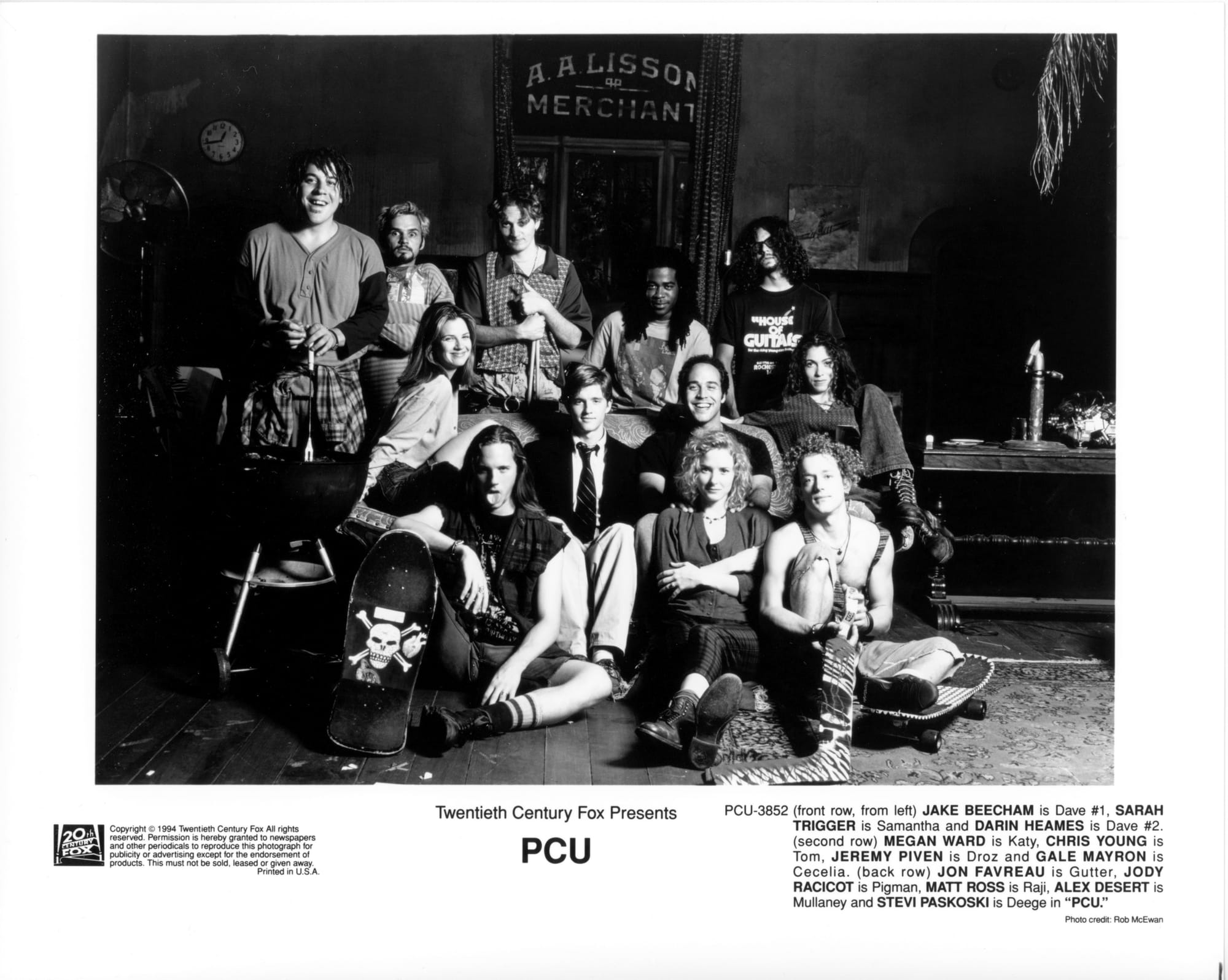
Pieces from the PCU (1994) press kit.