TIFF 2026: Day Five
A day of Rogens

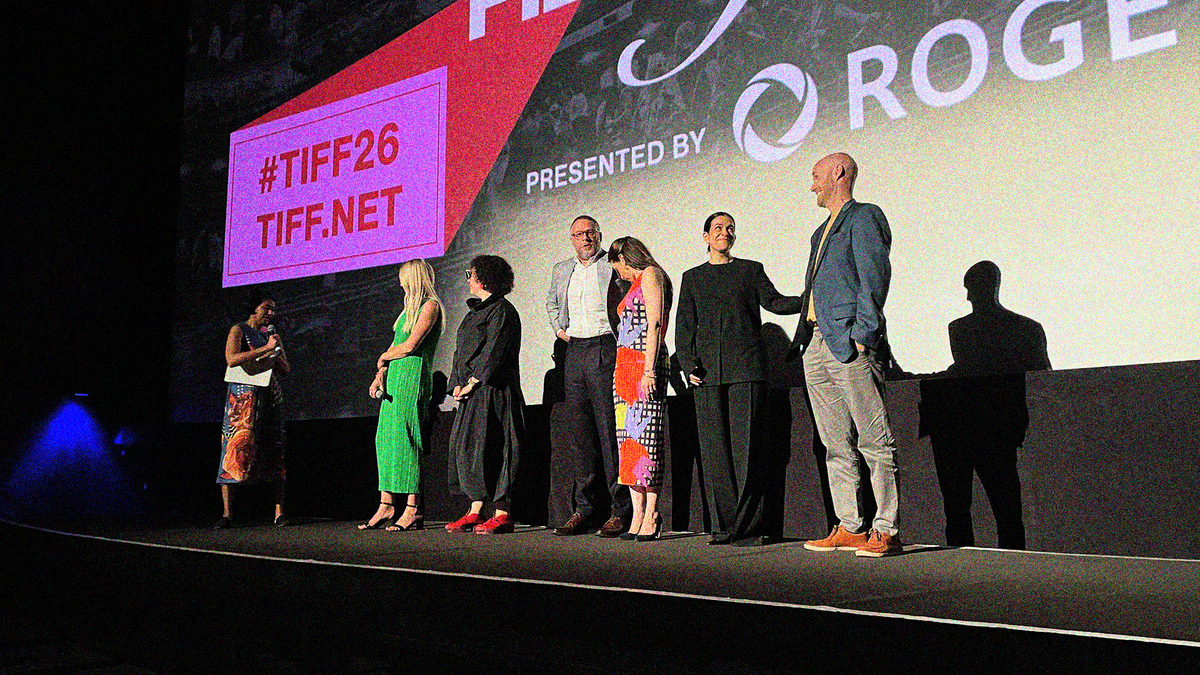
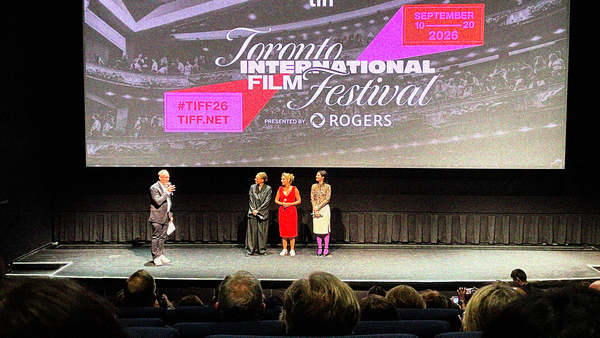
Our last full day in Toronto has come to an end—a day in which I was apparently following Lauren Miller Rogen. I didn't know about her involvement in Tangles before she popped up in the credits as a producer. I probably should have also returned the ticket since it sat me in the front row, but it being in the middle meant there were no wild distortions like last year at Dead Man's Wire.
I found it funny seeing her and husband Seth Rogen there knowing I was going to Lauren's Babies next. I found it even funnier that I had time to write my Tangles review before sitting down for the other and had to watch the clock move ten minutes past its scheduled start time. When Rogen came out for the introduction with a different dress on, I hypothesized she was the culprit.
Both of those films were great. And I caught the very fun The Surgeon with Michelle Yeoh earlier too. Add a Buffalo Bills victory and an extremely tasty (and expensive at $7) cannoli from Eataly and I had no complaints.
Today's schedule:
• The Life and Deaths of Wilson Shedd, d. Tim Blake Nelson | Gala Presentations | USA | English
• God Bless You, Mr Kopu, d. Alex Liu | Centrepiece | New Zealand, Australia | English, Tongan
• Kick On, d. Nick Kozakis | Midnight Madness | Australia | English

Back in Black
CENTREPIECE
World Premiere | September 13 | Canada | English
_____
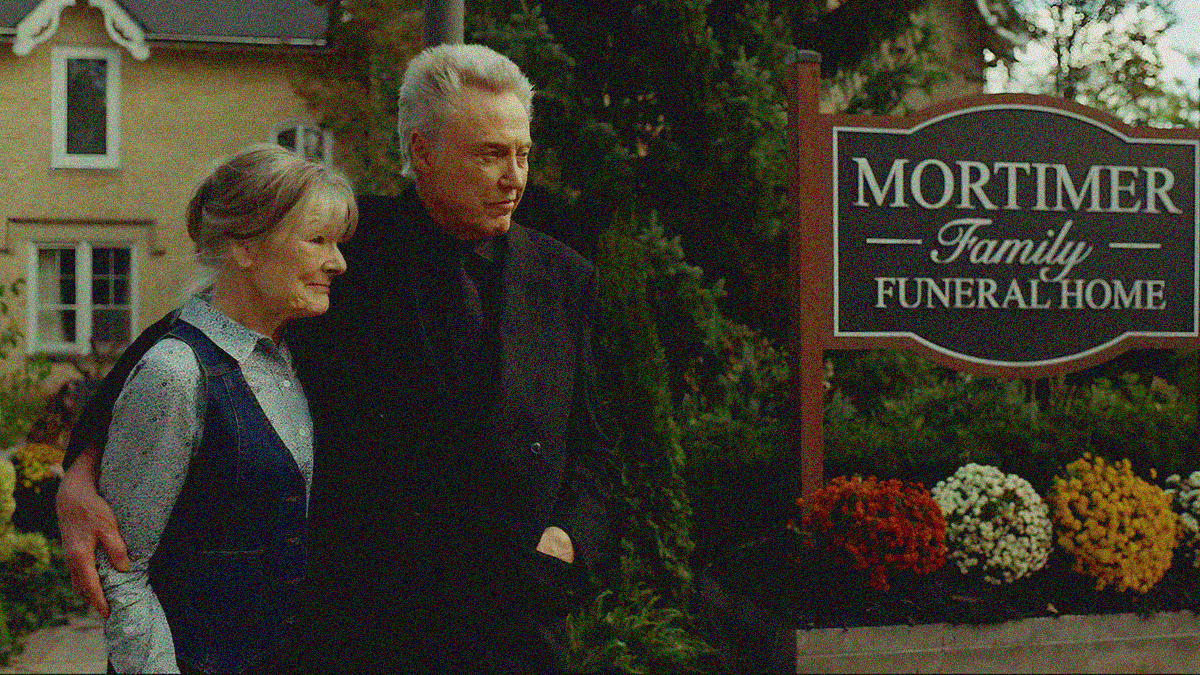
On its surface, Ron Murphy's Back in Black (co-written by Nick Torokvei) is a dark comedy about the lengths we'll go to survive. Because it is about survival when Sam Mortimer (Ella Ballentine) first wields her weapon of choice—a screwdriver—to stage an "accidental" death. Her mortician grandfather (Christopher Walken's Clyde) and embalmer grandmother (Jane Curtin's Autumn) desperately need a body to keep the lights on. Any body.
Fate has simultaneously been shining on folks in town by keeping them alive against all odds and starving their delicate capitalistic ecosystem ironically built atop their impending deaths. Not only is the funeral home suffering as a result of the dropping mortality rate, but so too are the florist, hospitality industry, and local diner. Pat "the Rat" (Don Lake) is calling in bank loans, people are closing shop, and the age of Mom & Pop success seems to be at an end.
Until that first innocent soul falls. That's what everyone hopes, at least. But it's not just about the potential of jump-starting the cycle. Everyone must also play along. Because what's that death really do if the family can't afford to bankroll an elaborate version of the ritual to come? A cheap coffin and the decision to cater yourself barely covers the cost of doing business. As Clyde relates, he doesn't like himself when he doesn't have money.
Is he doing anything about it? No. Because there's nothing to be done ... except murder. That it's Sam who takes responsibility for saving the mortuary isn't simply a product of continuing the joke that Clyde wants her to "pull her weight" around, though. It's also a crucial piece to what Murphy is doing below that humorous façade. He speaks about the world at-large losing its capacity for empathy as an inspiration for the film. Well, misogyny a key contributor.
That's the road he's chosen for this pitch-black satire of good people who will do anything for their loved ones ultimately finding themselves hurting anyone else to do so. Because the extreme rhetoric that's adopted to turn those with politically and ideologically different viewpoints into enemies you openly wish were dead stems from many sources. Race. Religion. Sexuality. Finances. Rather than take on the whole circus, he mostly focuses on gender alone.
Back in Black is littered with examples. The way Sam must do the heavy lifting from the shadows. Clyde's grandstanding about his "magnetism" allowing him to close any sale (it does not). Sheriff Wiley (Tony Nappo) dismissing Deputy Donna's (Louise Claire Lambert) very real theory about what's going on as evidence her "cop brain" isn't fully formed (while believing the Mexican cartel is running drugs because Josh Richards' Derek sells a bit of weed).
Everyone laughs at Donna despite her being the only one smart enough to see what's going on. No one even considers Sam because she's the kind-hearted mute who lets the entire town spew its troubles upon her. Why? Because these people all prefer their women to be quiet. As Clyde explains, he doesn't want to call his wife a "twat." Wiley doesn't want to call his partner an idiot. They've been forced to do these things because they've been blessed with "superior intellect."
It's a fascinating wrinkle beneath the broad comedy that renders Kevin's (Giamo Rowekamp) German mourner's demand for women to satisfy his emotional needs without a second thought about theirs intentional to the theme rather than just a wild caricature. The same with Tom Keat's Matty worshipping Wiley every time he mocks Donna for doing her job. Heck, even Dale (Stuart Hughes) the supermarket manager tells Sam to "smile more."
Some of it is endearing. Like when Clyde starts every conversation with his silent granddaughter by saying, "Shut up. Listen." (I wonder why she doesn't talk.) It's also intentional insofar as pointing out the contradiction of a parent having the compassion to do anything for you while demanding the deaths of strangers because of their skin color in the same breath. That sweet and salty juxtaposition that keeps many oblivious to their own intrinsic hate.
Does it all work? Not quite. Murphy and Torokvei tend to hit the same point with escalating force rather than ever throw a curveball, but the point stands, regardless. Add the mysterious Charlotte (Watson Rose) to the mix for another laconic mirror to Donna's loquaciousness while supplying another romantic interest for Sam (besides Kevin) and it becomes less about the latter getting caught than enjoying the fact she might never even be a suspect.
Because the misogyny is baked into everything. Donna suffers from it despite being its victim by assuming her target must be a man. Everyone is being led around by their presumptions of how they've been told the world works rather than their own eyes. They become so wrapped up in the fearmongering and bigotry that they stop seeing other human beings as human. They become statistics. Stereotypes. Hired actors. Criminals. But it's all a distraction.
It's why we ultimately find ourselves cheering Sam on despite her own growing lack of empathy towards her victims. By leaning into the comedy, Murphy has us thinking that maybe they deserve it because they refuse to wake to the truth. They're too busy extracting a profit via industry, litigation, or a good ol' "I know you are, but what am I?" And everyone on-screen is having a blast playing the sort of insensitive cartoons that allows them to do so with impunity.
6/10
The Daughters of Abraham
Les Filles d'Abraham
DISCOVERY
International Premiere | September 13 | France | French, Arabic
_____
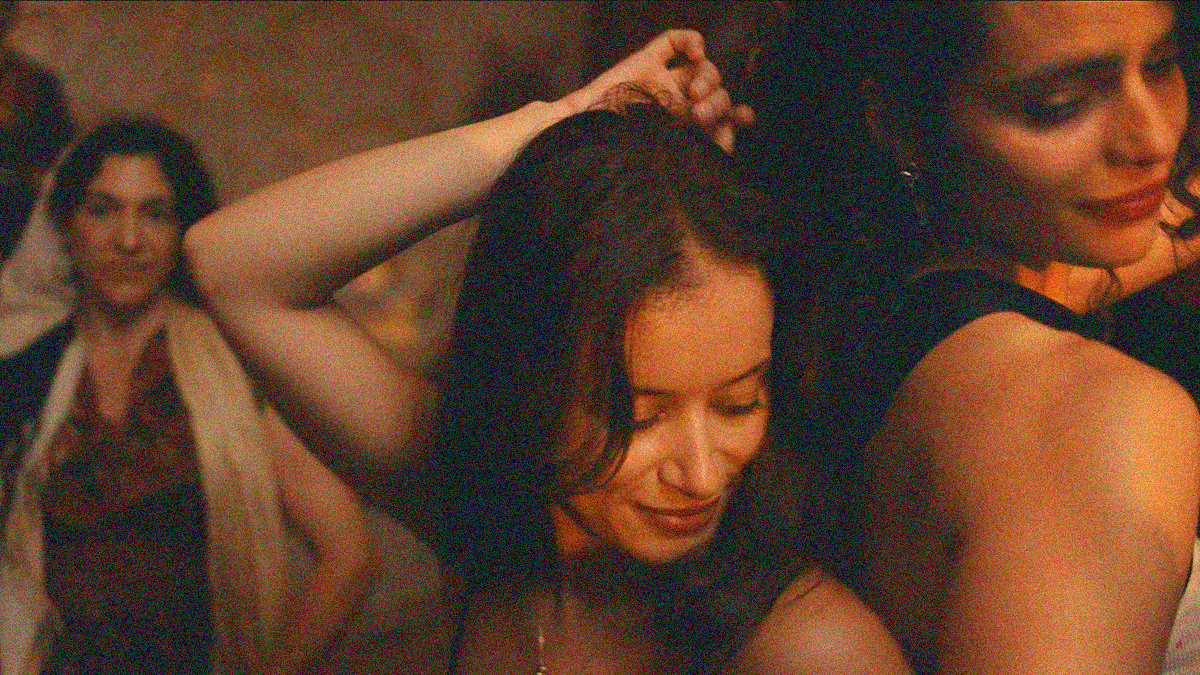
"Guers shines as the focal point from which it all originates, but every actor has his/her moment. Special mention goes to Talemsi and Cohen for expertly portraying the conflict between heart and mind."
Full thoughts at The Film Stage
Head to Head
سر به سر
DISCOVERY
World Premiere | September 13 | Iran, Germany | Persian
_____
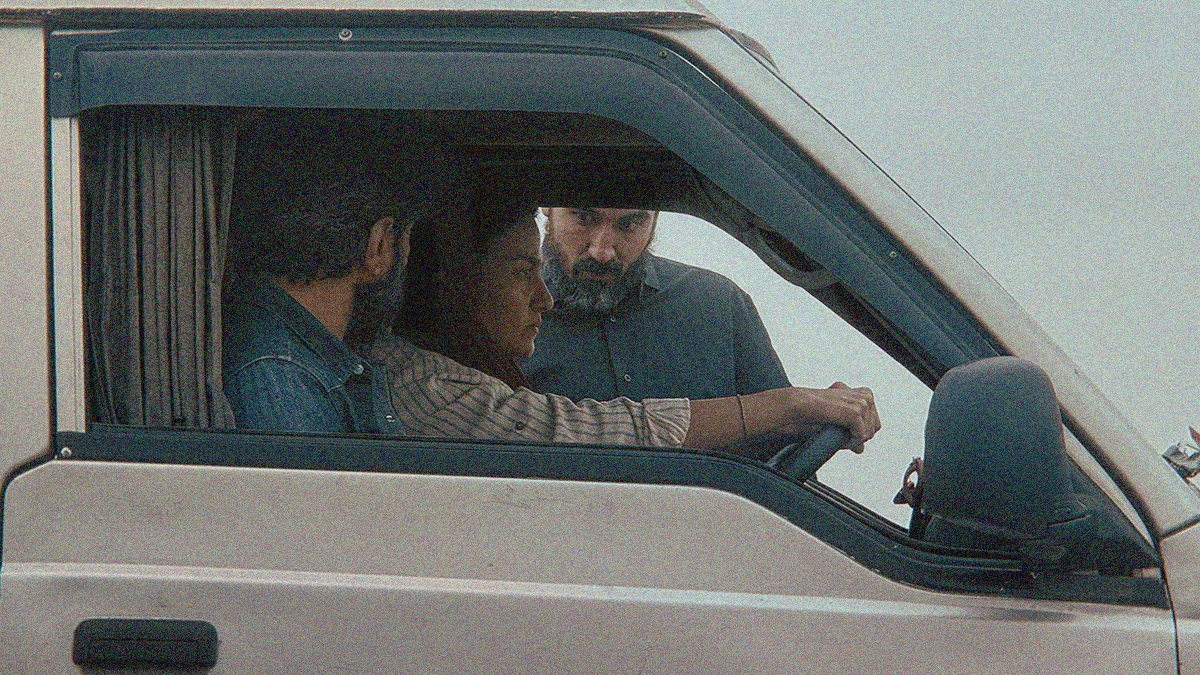
The first time we see actors Sina (Saeed Naderi), Alborz (Reza Mohseni), and Arash (Saman Mazloomi) candidly airing their frustrations about needing to wear scarves and skirts behind the scenes as well as on set, cinematographer Ebi (Ebrahim Azizi) clandestinely lifts his camera to capture it. We initially believe he does so under his own volition—that he finds their gripes over lunch funny and wants it for posterity. The truth proves differently.
Because every time their director (Mehrnoosh Satari's Bahar) asks for the day's footage, she only watches those unscripted moments. Her excitement truly ramps up whenever their wheels start to fall off during a scene because that's when her quartet of thespians (rounded out by Amir Hajimohammadi's mostly mute Nima) finally allow themselves to engage with this singular experiment. They can't know what Iranian women feel until they're pushed to quit.
And there's the rub: they have the privilege to do exactly that. If it gets too hot or silly or risky, Sina and the boys can take their hijabs off and walk away. Their female counterparts cannot. No, the latter must endure that heat. They must be cognizant of every inch of their skin to ensure they aren't chastised by a director for rendering a shot unusable due to censors. They must watch as the men dance and swim and sleep without mandates while accepting their own fate.
Writer/director Ghasideh Golmakani's feature debut Head to Head was born from years of seeing this dynamic play out first-hand and from the breadth of Iran's cinematic output. We catch a glimpse of this context early when Bahar is filming the men in a party scene that sees their impulses take over. They begin to sway and dance until she yells "Cut!" because they should know better. Women must simply stand and clap like in Asghar Farhadi's About Elly.
Even so, the men still don't quite understand the point of the exercise. They've all agreed to partake because they respect Bahar's work and want to leverage her success into getting their own shots at walking a red carpet or securing a European visa, but they can't wrap their heads around why she's so adamant about them keeping up appearances off camera. They say, "Women don't sleep in hijabs." She replies, "Then why must they in films?"
Golmakani is therefore operating on multiple levels with the overall film and the film within it. She's pointing out the hypocrisy of arbitrary rules in which Bahar is constantly poking holes (lawmakers never bother to learn the real meaning behind a hijab and you can't say decrees are religion-based when tourists must adhere to them too) as well as the hoops filmmakers must jump through to even hope to release their work. Authorization demands a misogynistic fantasy.
That's why those private moments are where the real meat lies. It's not about men doing the work or playing a role. It's about living the life. Feeling the burden of being treated like a second-class citizen under the guise of "tradition." Bahar doesn't gain pleasure form her actors suffering. They need to experience it to better understand the injustices baked into the systems they take for granted. Will they just get mad and sulk? Or will they reach that epiphany?
It's a worthwhile question to procure an answer, but even that proves nearly impossible considering the secrecy Bahar and assistant director Saba (Elaheh Farazmand) must uphold to try making it that far. What they're doing is illegal. The men's costumes would be classified as mocking the regime and the women would be arrested for not wearing head coverings themselves. So, it won't be long until this production is forced to hit the road.
That's when Golmakani really hits her stride. Taking these characters off set means removing their safety net. It's no longer a thought experiment wherein Sina can air his grievances and Ebi can film them for whatever secondary goal Bahar has cooking. Now it becomes about life and death. These men can say they understand. They can say they are allies. But what do they do what they're own careers are at stake? Is it conviction or lip service?
This is also where Satari shines. She's mostly in the background during the first half of the film, nodding at her crew to keep filming or directing her cast to "cover up" and "sit properly" as a means to push their buttons. When on the road, however, she becomes the central focus as the sole woman in a van with three men (besides a brief and humorous stint with Lili Farhadpour). Iran seeks to render its women powerless, and, in so doing, give them full control.
Because what happens if the police stop them and she still refuses to wear a scarf? They'll flip the van apart, find the footage, and arrest them all. If she puts something on her head to ensure they don't trip a hijab camera, however, they probably won't have anything to worry about. The men's fear becomes palpable because their futures are literally in her hands. They're helpless to do anything but hope she listens. Inequality for some will always be inequality for all.
There's a reason it's Sina who's handcuffed to her whims. He's the one man who still believes himself above the charade when the others implore him to follow along so they don't all get fired. Sina wants to have his cake and eat it too, so he'll never fully give himself over to Bahar's lesson until he knows what actual helplessness feels like. Because it's only when he's willing to put the scarf on unprompted in solidarity that he'll earn the right to take it off.
8/10
Josephine
SPECIAL PRESENTATIONS
Canadian Premiere | September 13 | USA | English
_____
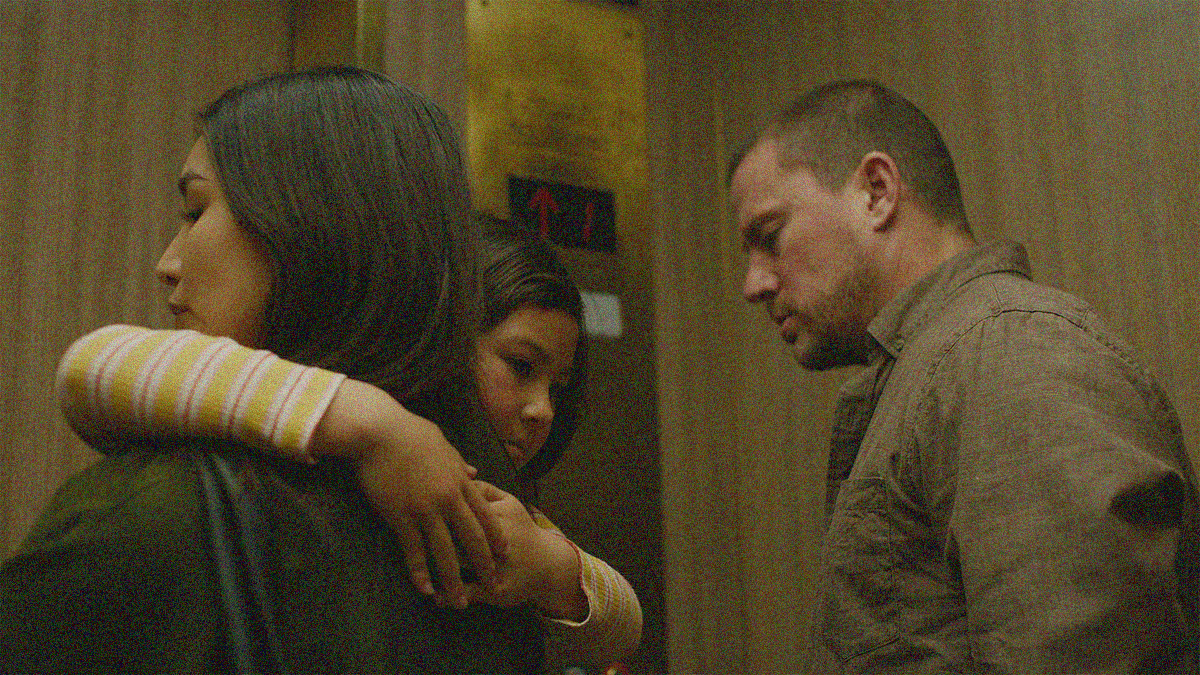
"That’s the undeniable strength of the storytelling in Josephine. Its ability to keep us as on edge as Damien and Claire. Because no one knows how Josephine will respond—what she will say or do before earning a response that teaches her it wasn’t correct."
Full thoughts from Sundance at jaredmobarak.com
Julián
CENTREPIECE
North American Premiere | September 13 | Luxembourg, Ireland, Canada, Denmark | English, Spanish
_____
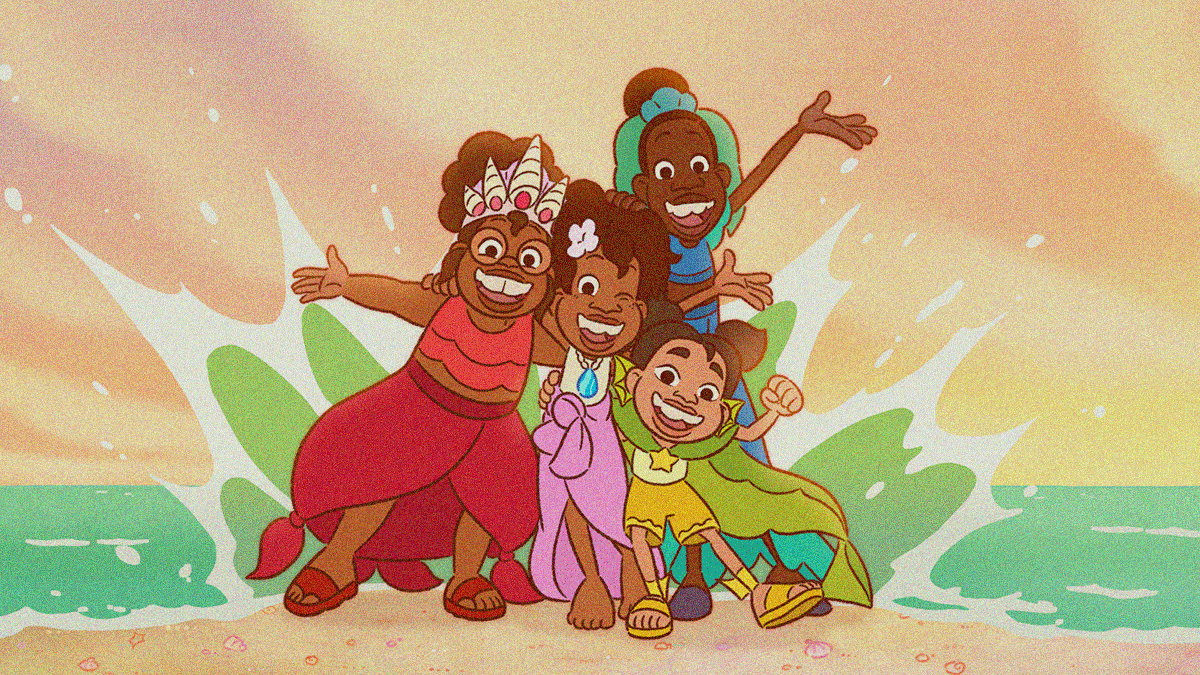
"The film is a wonderful example for how children’s fare can still deal with complex subject matter and not be forced to dumb things down or ignore the very real feelings of shame and isolation kids everywhere experience."
Full thoughts at The Film Stage
Paradise Lost
실낙원
SPECIAL PRESENTATIONS
World Premiere | September 13 | South Korea | Korean
_____
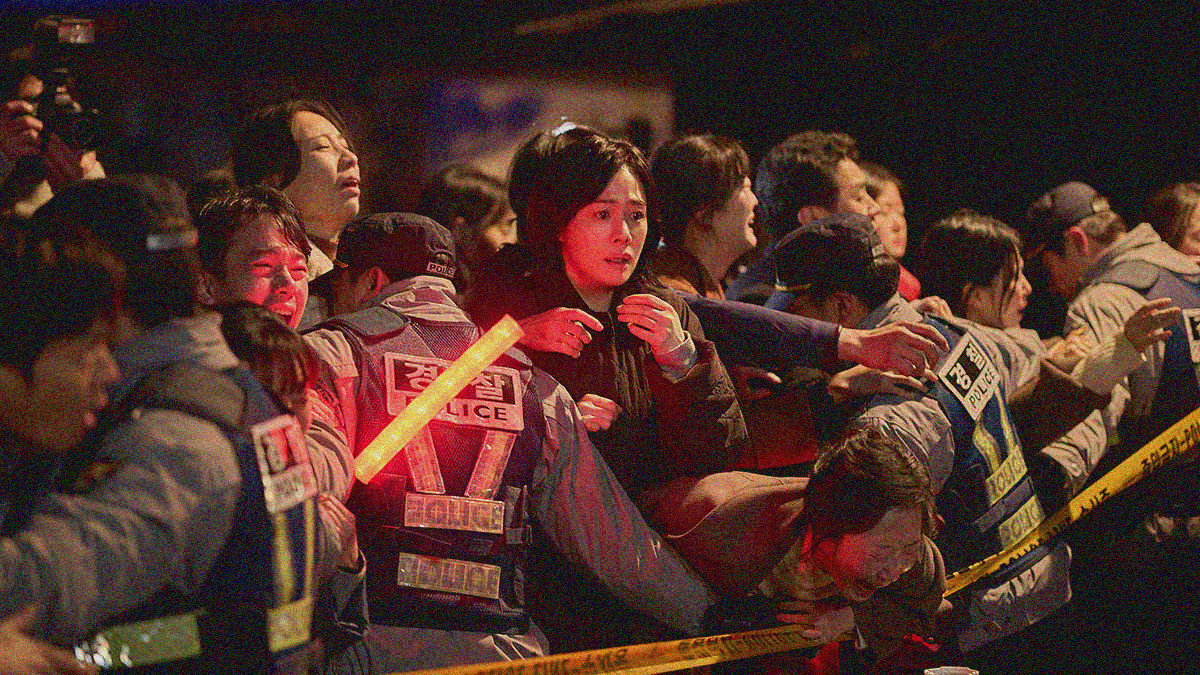
"These are the sorts of questions that Yeon uses to turn this sci-fi thought experiment into something very sinister. It makes for some captivating entertainment, but only scratches the surface of what I assume the novel stretches further to attain."
Full thoughts at The Film Stage
Silenced Nights
PLATFORM
World Premiere | September 13 | Philippines | Tagalog
_____
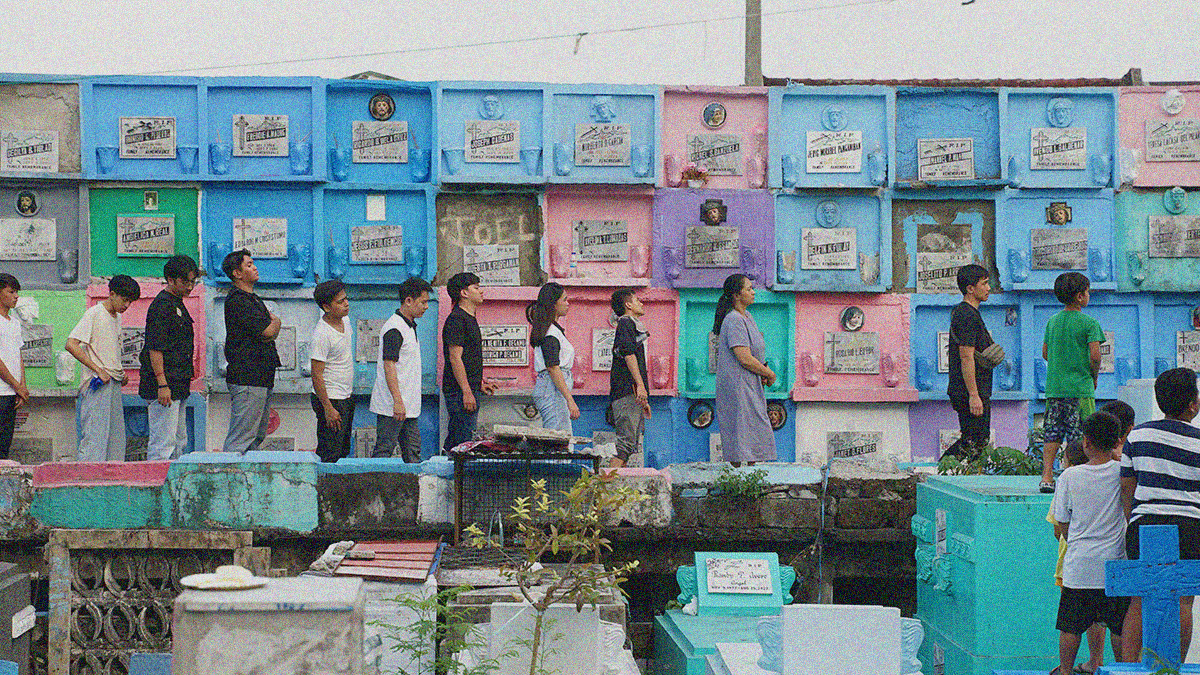
As an American, it's impossible not to think about ICE while watching Lawrence Fajardo's Silenced Nights. Screenwriter Troy Espiritu's plot revolves around a violent "police crackdown" in accordance with the city's zero tolerance drug policy wherein a team of six masked men ride through the streets with a kill order. They don't even attempt to arrest suspects as they follow legitimate dealers and innocent bystanders alike, shooting five people in cold blood.
Anyone experiencing life under Trump's second term can reasonably assume these extrajudicial murders are a product of unspoken quotas. It's why no one questions the legality of what's happening or listens to the families of the dead when they tell the public their loved one wasn't a criminal. The police need numbers to "prove" their initiative is working to a blind community. And the knowledge you could be next ensures they do it with impunity.
So, we cannot blame Andoy (Nico Antonio) for hiding and going home after witnessing one of those masked cops (Dylan Ray Talon) shooting a teenager begging for his life in an alley. What other choice does a father have knowing his own child will surely be targeted if he speaks out? It's not like this sort of violence is necessarily new to him. And maybe young Kerwin was guilty of what's been suggested. But "knowing" and knowing are two different things.
Fajardo does a great job portraying the trauma Andoy contends with in the aftermath. Hearing whispers as he works construction for the Chairman's (Joel Saracho) office. Listening to the neighborhood drag Kerwin's name through the mud simply because the police said so. Seeing the boy's mother (Lotlot De Leon) grieving as his funeral procession coincides with the others from that night that Andoy's family knew well. He inevitably can't live with the shame.
If we're being completely honest, there's no guarantee he won't be next whether he speaks up or not. The "lists" the chairman gets from the police are updated each day with new names that are as likely to be added due to a vendetta as they are for legitimate drug connections. Undercover cops are pulling up to people on the street and opening fire without warning before speeding away on their motorcycles. What if talking gets one of those murderers off the street?
Yes, I know. In what world? Andoy's life will only get more difficult after coming forward and the filmmakers aren't interested in pretending otherwise. It doesn't matter that he has the truth on his side or that the journalist on the case (Ina Feleo's Patricia) blurs his face and distorts his voice—being a witness means testifying. Testifying means the defense knows your identity. The question then becomes whether you can prosecute before the retribution begins.
The narrative that follows is unapologetically drawn as Andoy's courage only ends up revealing how much power the police and politicians hold. We also see the power wielded by an independent media tenaciously hunting evidence all government entities use stall tactics to hide, but even they can't force matters without damaging pressure. And don't forget about timing since any delay due to the fear instilled by these crimes can potentially hijack the case too.
Fajardo utilizes a vérité style wherein he holds his cameras on scenes for long periods of time to capture complete interactions. It's a commendable choice as far as attempting to portray an unvarnished veracity, but it also ensures many sequences drag too long with emotional outbursts falling prey to overwrought melodrama as a result. Between that and the whole's digital aesthetic, much of its potential pathos is undercut by a heightened exaggeration.
I also found a lot of the background players adding to this fact by doing way too much whenever "action" was called. There's an uncanny quality wherein you can almost see them animate from a stand still at the start of every scene. The main cast is thankfully up to the task, though. Some moments can feel stilted as if everyone on-screen is waiting for Fajardo to yell "cut" while extending their despair, but Antonio never falters as the central, doomed father.
Everything revolves around his desperation to initially do the right thing and stem the bleeding once the payback commences. Because he has no choice in the matter. His wife (Jorrybell Agoto) is stuck out of town working for a cruel boss to support them. He lives with his aunt (Tanya Gomez) and cousin (Dylan Ray Talon) to help watch his daughter Neila. And his one ally in Patricia finds her own autonomy compromised once leverage is used to silence the story.
While I am all for a nihilistic look at the reality of our corrupt world, you could feasibly argue that the fascists Silenced Nights seeks to expose are going to be the film's biggest champions. They want to be depicted as the boogeyman. They want the populace to know the cost of daring to callout their crimes. What we're seeing is therefore as much a damning treatise on what we've allowed to happen by electing monsters as it is a cautionary tale to stay silent.
That's what happens with complex subject matter. Authenticity can perpetuate its inherent horrors. The difference between doing so in non-fiction, however, is that you're revealing what happened after the fact knowing nothing can be changed. Seeing it unspool via fiction supplies the audience room to believe things might be okay—that those obviously evil villains will be punished. Is it miserabilism? Maybe. But the truth too often is exactly that.
6/10
The Surgeon
CENTREPIECE
World Premiere | September 12 | Ireland | English
_____
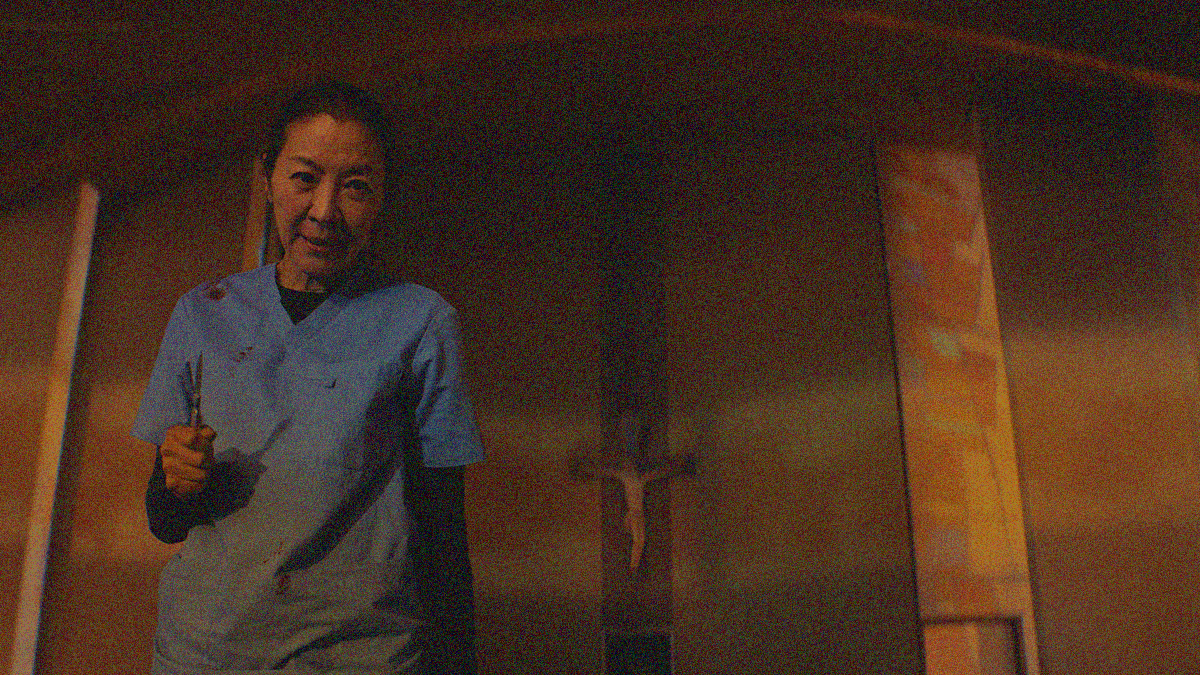
"Every character is here to get wrapped up in what becomes a battle to the death between two people unused to relinquishing control. Whether you see it as convenient or efficient is up to you. I call it a good time at the cinema."
Full thoughts at The Film Stage
Tangles
CENTREPIECE
North American Premiere | September 13 | Canada, United States of America | English
_____
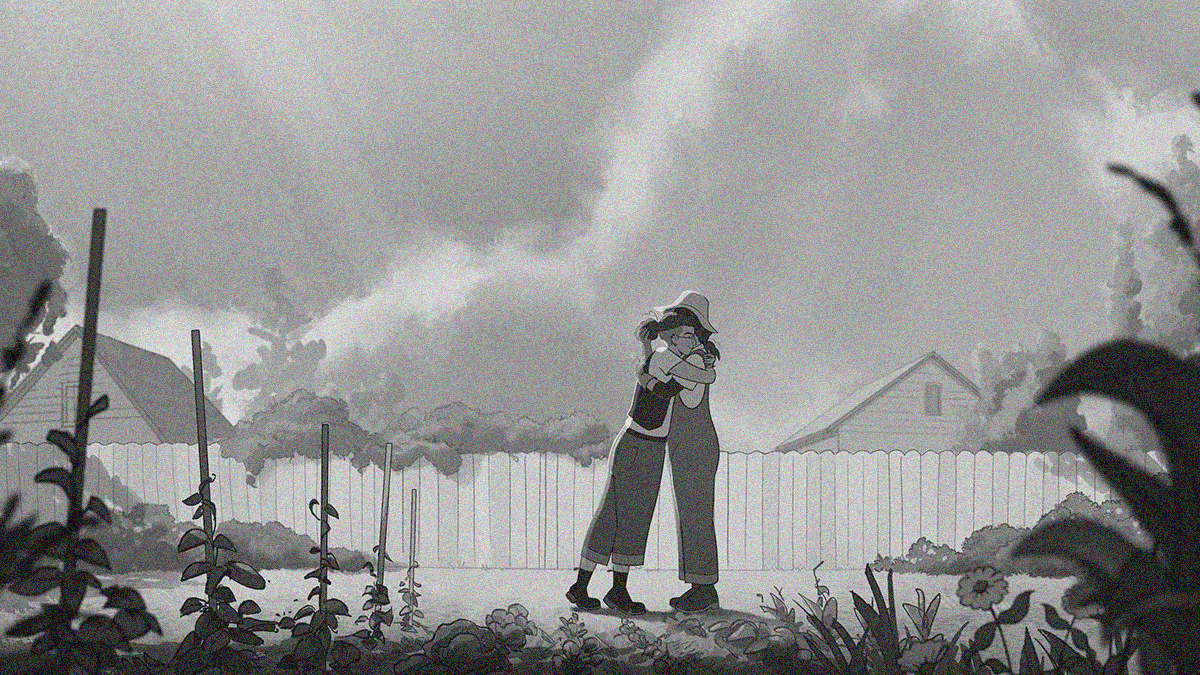
You can’t truly understand what was lost unless you see it first. So, there’s intent behind the opening scene of Leah Nelson’s Tangles being a flashback to when young Sarah (Fern Grandin) woke from a nightmare where she believed monsters were inhabiting her wallpaper. Not only does her mother (Julia Louis-Dreyfus’ Midge) come in to assuage her fears, but she also dons a flashlight like a lightsaber to defeat those monsters. She goes from wall to wall and back again even after Sarah says they’re all gone. No stone is left unturned.
Beyond just the flights of fancy that were surely part of Sarah Leavitt’s original graphic memoir Tangles: A Story About Alzheimer’s, My Mother and Me (because they are often brilliantly shaded with a moiré pattern for added “print media” effect), however, this prologue also provides an example of the humor that runs throughout the adaptation (by Nelson, Leavitt, and Trev Renney). One of my favorite tropes is when the audience knows what they are seeing is fantasy and the filmmaker pulls back the curtain to laugh at what it really looks/sounds like.
This whole narrative is a curtain pull on the experience of dealing with a loved one suffering from dementia and Alzheimer’s. Whereas so many other works on the subject focus on the person who’s afflicted with one of two other people close to them, this one centers on Sarah (voiced by Abbi Jacobson in the present day). It is her story. It’s a portrayal of the thoughts and feelings she felt during this period of her life. Because Midge wasn’t merely her mother. She was her hero. The slayer of monsters and a champion for the marginalized.
It isn’t a secret that so much of Sarah’s trajectory stems from having Midge’s voice in her ear. To fight oppression. To reject ignorance and accept love in all its forms. It’s why Sarah moved to San Francisco to begin the life she wanted to lead—one for which her adolescence proved too often that Maine needed to be left behind. So, while on the cusp of achieving her dreams via a promotion to illustrator at work and a new relationship with Donimo (Samira Wiley), Sarah can’t wait to give Midge the details.
The woman she meets on this trip isn’t the one she knows, though. The quick fits of rage. The physical ticks. The struggles with confusion. Add the fact that her father (Bryan Cranston’s Rob) and aunts (Pamela Adlon’s Debbie and Sarah Silverman’s Sukey) are consciously avoiding the topic and it’s impossible not to know something is wrong. Thankfully, her sister Hannah (Beanie Feldstein) spills some of the beans considering she needed to procure them from a third party herself. But there’s still more to do. A trip to the doctor at the very least.
Rob takes her to Mexico instead. It’s a funny segue. It’s absolutely absurd and yet makes total sense when you consider the bout of denial they are all trapped within. Because Rob and Hannah are there. They’re in it every single day. Sarah therefore has the luxury of distance and objectivity to say what the rest hope to hold at bay through silence. Eventually, though, the truth must be spoken aloud. This disease isn’t something you can hide from when it begins to lead Midge into the street or risk a fire when she leaves an iron unattended.
If all those actors sound odd considering this is a very serious subject and they are all very funny artists (Bowen Yang and Wanda Sykes also arrive as Sarah’s co-worker and boss, respectively), you aren’t wrong. Except, of course, that levity is the best way to absorb anguish. Laughter is how we cope. Comedy is how Leavitt processed these years in hindsight to match the personality of her family. You couldn’t wield an airplane transition animation every time Sarah travels as a way to jokingly give voice to her judgmental inner thoughts without it.
It’s a tough watch for people who haven’t experienced the disease let alone those who have. More than witnessing Midge’s deterioration, we’re seeing everyone else’s resolve dismantled to the studs. Hannah’s justifiable apathy towards her interloper sister coming in to tell them what must be done as though they haven’t been doing it for months. Rob loses control of his temper gauge so his cheerful mask slips in ways it never had before in front of his daughters. And Sarah decides to leave her life to become what her mother needs.
The most memorable drama aren’t therefore the moments that Midge is involved. No, it’s Rob almost driving Sarah and Donimo off the road. Or Sarah and Hannah having a major blowout argument in the parking lot while the latter’s boyfriend (Seth Rogen’s Zach) is stuck listening to it from inside the car. Or Sarah and Donimo being forced to confront the elephant in the room that is the former’s inability to fully be present in their romance. Alzheimer’s isn’t just destroying Midge’s body and mind. It’s tearing them all apart at the seams.
Nelson pulls no punches putting it all on-screen in gorgeous black and white. The fluid transitions into fantasy are kinetic and overwhelming. The raw emotion of the characters sitting in the horror of their circumstances is present in every quiet moment. And the soundtrack hits all the right notes in both its immediate impact and contextual relevance to this family. The music sets the era and strikes a tone whenever the script demands a reprieve from the hard conversations held throughout. There are no false moments.
Don’t think that means there’s no hope, though. The one thing about never pretending that Midge can get better is that the film (and surely its source) can focus on how her loved ones can still heal once she’s gone. How they handle the now is important, but how they allow themselves to move forward into the future is paramount. Tangles understand this more than most films touching on this subject matter. It knows that this disease affects the caregivers too. That it will break them beyond repair if they let it.
9/10

Pulled from the archives at cinematicfbombs.com.
The Jane Austen Book Club screened on September 9, 2007 at TIFF.