Week Ending 11/13/26
No one was surprised.

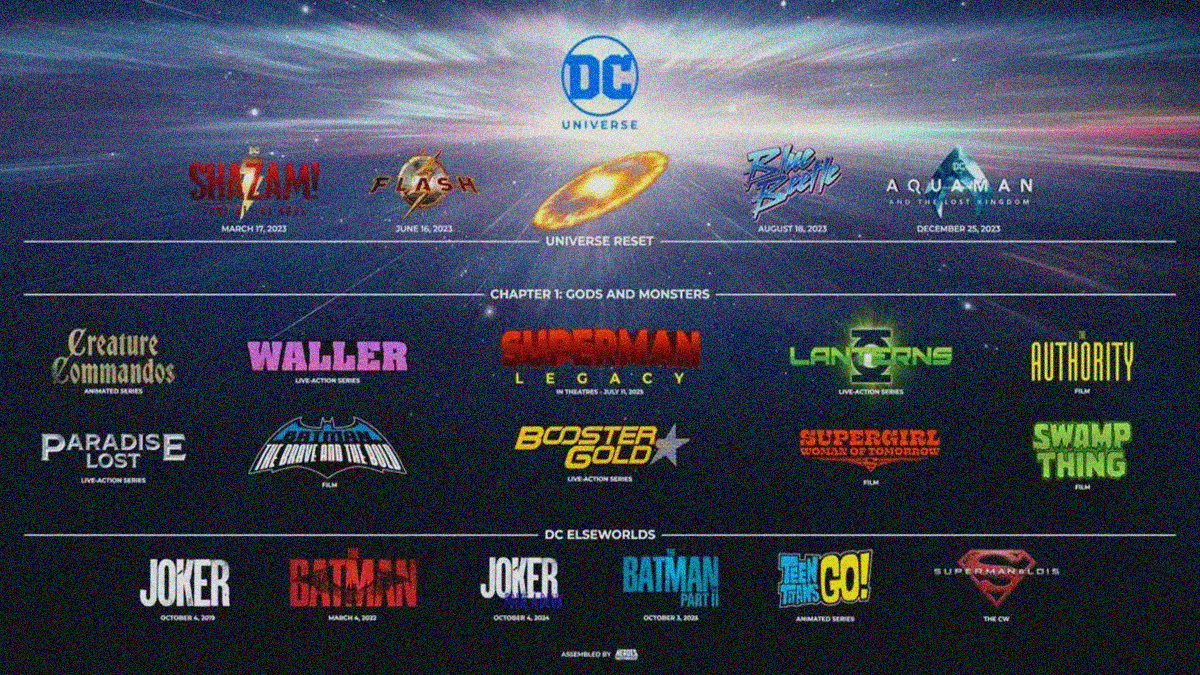
Always take a vote of confidence with a grain of salt as James Gunn and Peter Safran are officially out as co-heads of DC Studios despite being assured of a continued partnership with WB/Paramount/Skydance head David Ellison after he fired Michael De Luca and Pamela Abdy from their positions as co-Warner Bros chiefs last month.
Variety spells everything out with reporting about over-spending and under-performing (with many critics chastising the publication for putting out public relations rather than news), but it's hard to take an article seriously when they originally wrote Avengers: Endgame was coming out in December rather than Doomsday (the mistake is still up via Apple News, where I read my Variety).
It's been a crazy news week as a result. The premise that Gunn and Safran are "stepping down" with the former talking about wanting to focus on filmmaking without also being the big boss of other filmmakers. Rumors of screaming matches about Man of Tomorrow and Ellison firing Gunn to take final cut away. Old interviews with new DC Studios head Jeremy Latcham talking about his Christian faith getting people to conjure MAGA connections (the Ellisons' relationship with Trump doesn't help) despite the producer hiring Gunn years ago while at Marvel to direct Guardians of the Galaxy. Frank Grillo posting on social media about how Gunn and Safran are two of the best people in Hollywood.
What does this mean for the IP moving forward? Who knows?
Man of Tomorrow and "The People v. Gorilla Grodd" are still in post-production. Do they get released? Are they "dead men walking" like The Flash was before Gunn and Safran rebooted the DCEU? Does Latcham continue the ten-year plan his predecessors put forth (that David Zaslav championed) or does he start all over again so soon?
At least Matt Reeves' The Batman Part II is still on track (albeit for 2028) since it exists outside of Gunn's universe. And now Francis Lawrence is even saying this shake-up could be good for finally green-lighting Constantine 2 with Keanu Reeves. I guess he can squeeze that in between Hunger Games prequels.
What I Watched
Gentle Monster
IN THEATERS (LIMITED) | STREAMING ON NETFLIX FROM 11/18
_____
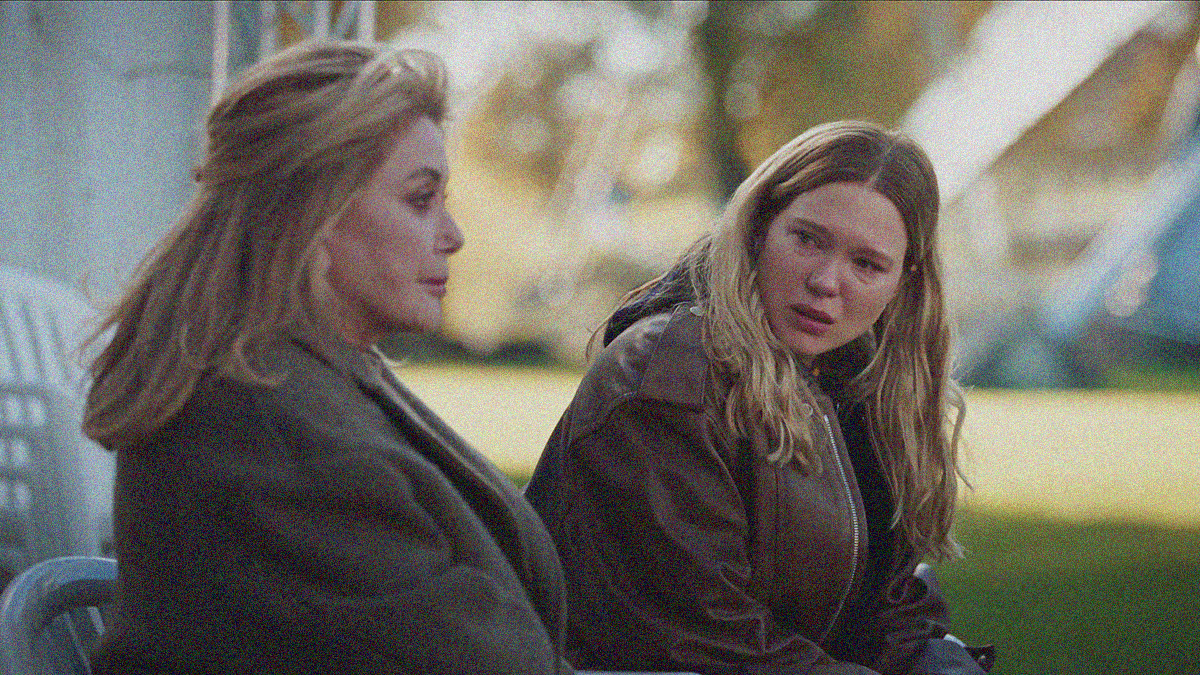
While Marie Kreutzer's Gentle Monster rightfully centers upon Lucy Weiss (Léa Seydoux) confronting the reality that her husband (Laurence Rupp's Philip) has been accused of storing and sharing child pornography, the detective assigned to the case (Jella Haase's Elsa Kühn) is just as important. In many ways, the film is intentionally structured to mirror the path taken by these two women after the initial arrest is made. Their inability to trust. Their ability to lie.
Because, more than the case itself, these two characters are bound by their roles within a patriarchal society. How they are burdened by the men in their lives demanding grace at best and pity at worst. How Philip is a "victim." How Elsa's brother is too busy to care for their ailing father and how the latter (Sylvester Groth) "can't help" making his live-in nurse uncomfortable. How these women feel the need to apologize for men before holding them accountable.
So, they end up lying to themselves as often as they are lied to due to the power that love possesses above reason. Lucy knows she shouldn't give her husband the benefit of the doubt once the truth arrives, but her need for normalcy allows her to believe it's "not that bad." She does the mental gymnastics to create levels to the act of abuse wherein facilitating it can be forgivable as long as he wasn't participating ... as if that isn't participation in and of itself.
Elsa knows (considering her job and what we can presume she witnessed during her adolescence) that she shouldn't be putting a woman in a position where she might be victimized by her father, but she's willing to compromise her own morality to put a price on enduring that victimization. One of the best lines comes from her partner saying she doesn't need to explain herself to him. That doing so is only an attempt to assuage her own guilt about her choices.
And therein lies the crux of the film. How our desire to look the other way despite our minds telling us the opposite is a real thing. "Oh, they were such nice people." "But he's such a good father." Yes, all that can be true, but it doesn't excuse their evil. It's a mask we embrace as a survival mechanism. One that can be exploited by those using you to maintain it and by yourself to enjoy the comfort of knowing it isn't directly impacting your life ... yet.
The whole is populated with many examples of parent/child dynamics too. What it means to be a protector. How love can often be circumstantial when it comes to choosing your child above yourself (see Catherine Deneuve as Lucy's self-aware mother Eloise) or yourself above your parent (see Elsa desperately trying to get the nurse to look the other way so she doesn't become her dad's sole caretaker). How love might not be enough.
That last one is left ambiguous at times because Kreutzer isn't interested in giving us answers as far as what someone should do in these situations. This is a character study about grappling with the horrors of our world and the uncertainty of just how horrible your small section within it is. She flirts with the notion that Philip might have been working towards abusing his own child if he hadn't already because the possibility furthers the ambiguity.
It lets Lucy wonder if she can still make this work. Rather than simply kick him to the curb because the smallest involvement in pedophilia should be considered as heinous as the worst, she can talk herself into accepting it all as a mistake. It's why she needs to know the details. She needs to know how bad things are because only then can she begin to switch off all those years of loving this man. She needs to be able to hate him before she can let go.
Seydoux is devastating in the role because she's constantly being pushed and pulled from one state of mind to the other. Wanting to believe him. Knowing she shouldn't. Worrying about her son. Her emotions are always on her sleeve. And Haase is just as effective from the opposite direction. Pragmatic and isolated, she sees the levers of manipulation to judge others and wield them herself. It's all about finding control amidst the uncontrollable.
7/10
Henry's Ebb
WORLD PREMIERE AT TALLINN BLACK NIGHTS FILM FESTIVAL
_____
I've been burned too many times to not assume the worst. So, I don't blame myself for fearing that writer/director Thomas Mendolia was going to wait too long to reveal what we know in the first scene: that Ebb (Banks Repeta) isn't real. I should blame myself considering the synopsis explains as much from the jump, but I try to go into films knowing as little as possible to see where the story takes me devoid of preconceptions. Henry's Ebb works either way.
Because Ebb's origins aren't the point. Mendolia is neither playing a trick on his protagonist (Kingston Rumi Southwick's Henry) nor his audience. These characters are fully aware of who and what they are because the actual point is portraying how our imaginations are as real to us as anything else. What Ebb coaxes Henry to do against his better judgment is real. The comfort he provides when things get tough is too. Henry created him for a reason.
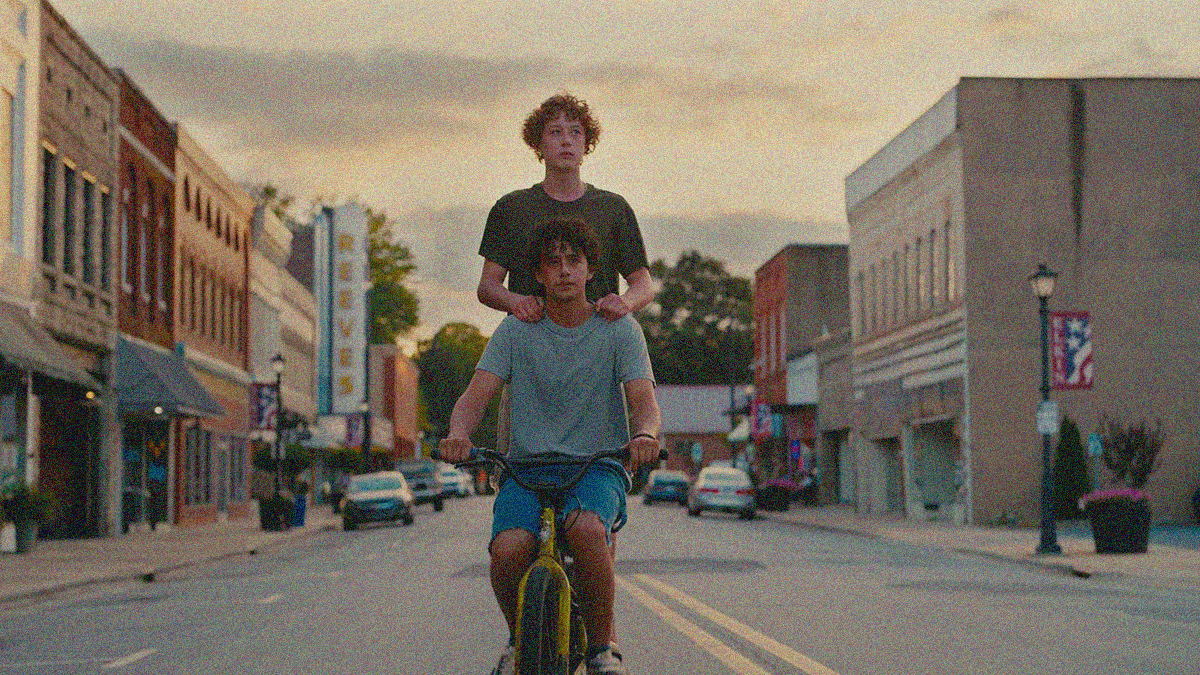
Between the teen's estranged father (Will A. Holland's Grant) leaving when he was young and his bi-polar mother (Ashley Shelton's Shannon) making him feel unsafe physically and emotionally, Henry needed someone on his side to talk to and understand the anguish he faced. What happens when you hold onto that "friend" as you approach adulthood, however, is that you risk losing yourself to the isolation inherent to never reaching out beyond your own mind.
And that's where this effectively drawn drama begins to flirt with a descent into full-blown horror. Not just by way of Henry losing control to this potential alter ego, but also in the way that granting Ebb the power to impact real change might inexplicably allow him to become real himself. The line between projection and poltergeist is dissolving with every step Henry takes towards an increasingly volatile unknown. Something needs to change.
Will that shift simply be Henry escaping his torment to ride his bike for miles until reaching his father's new home? That's quite a roll of the dice considering dad has done nothing to prove he won't disappoint him more in person than he has in memory. Or will it be Ebb gradually finding corporeal form to further dictate the path laid before them? That's a dangerous proposition since his whole existence is to protect one person at the expense of everyone else.
But there is a third option too. One that ensures the film won't drown itself in the genre trappings that make it an effective supernatural thriller by forgetting its purpose towards Henry. A path towards forgiveness. Not the act itself, but the capacity to work towards finding it. To forgive his father for choosing self-preservation (since he is too by running away). To forgive his mother for actions she cannot control (as long as she's willing to acknowledge them too).
There's also finding the room to forgive himself. Not for the emotions he should be feeling (whether anger, abandonment, betrayal, etc.) considering he's the child in this scenario, but for feeling them at all. That's where Mendolia sets Henry's Ebb apart from others like it. Intentionally or not, many of these stories look to present parents as flawed figures that demand grace by default. This one forces them to admit their failings first before asking to earn a second chance.
It might not seem like a huge difference on the surface, but it is in practice. It's also why you need an Ebb to inject a bit of nightmarish violence into the game so that the stakes of Henry's turmoil can be given visible form. What's the argument against therapy that too many still use today? "It's all in your head, so just fix it." Maybe watching this "figment" cause real-world damage will allow detractors a better lens through which to see the truth.
The result is engrossing from start to finish as Henry confronts his deteriorating home life and endures the consequences of living on his own with no means of sustaining himself. Whether an untrustworthy hitchhiker (Austin Willard) or a kindly stranger (Rebecca Koon), he's given a mirror onto what might be coming next and what might have been. And Ebb is there to help him through both the only way he knows how: scorched earth.
Why meet a sweet old woman trying to help with the same violence as a drifter with ill-intent? Because Ebb is a part of Henry's mind. He doesn't see hope versus fear. He only sees pain. The pain that will be left once Henry is forced to leave this warm and safe home to return to the chaotic one he left. The pain of having a dream ripped from his arms only to remember he's all alone. So, why not embrace that loneliness now and accept Ebb is all he has?
It's an assured feature debut from Mendolia with fantastic central performances by Repeta (desperate, manipulative, opportunistic) and Southwick (optimistic, hopeful, haunted). Ebb's on-screen evolution from no one acknowledging his presence to interacting with objects to influencing the scene itself creates some unforgettable dark moments. His actions epitomize the past horrors Henry must shake to find his voice and set his own terms moving forward.
8/10
The Saviors
CURRENTLY ON THE FESTIVAL CIRCUIT | IN THEATERS MARCH 26, 2027
_____
Director Kevin Hamedani and co-writer Travis Betz plant the seed of there being more than meets the eye to The Saviors right from the jump courtesy of a vivid nightmare leaving its dreamer with a very specific injury. They know what they're doing via this nod because it occurs without causation—like it was fated. Is this vision therefore a premonition of what's to come? Evidence of what already has? Or is it simply a manifestation of psychological distress?
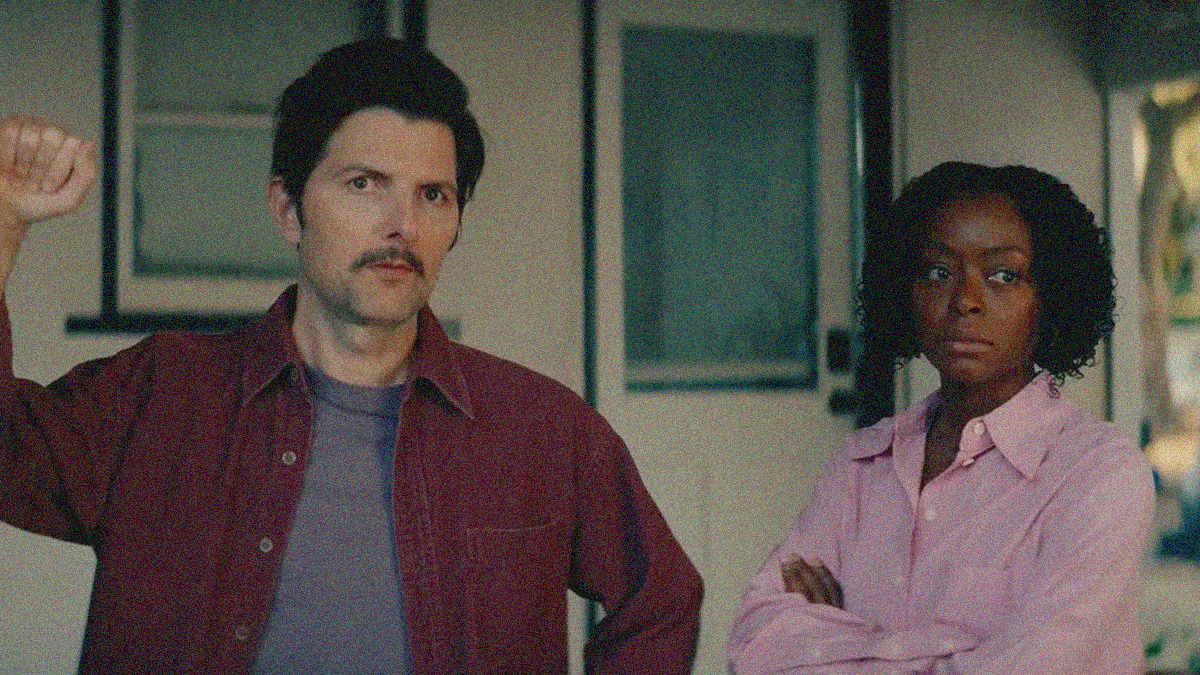
Before suspected jihadists Amir (Theo Rossi) and Jahan (Nazanin Boniadi) even arrive to stay in their guesthouse, Sean (Adam Scott) and Kim (Danielle Deadwyler) are already out of sorts due to the dissolution of their marriage. So, there's as good a chance that this dream and the subsequent paranoia is Sean's mind giving form to his fears, frustrations, and guilt through conspiracy. Maybe this is all a distraction from the helplessness he feels at home.
It could also be a latent fear-mongering trait that's laid dormant since he escaped his conservative parents (Ron Perlman and Colleen Camp) years ago. His sister Cleo (Kate Berlant) never did and has fun calling Sean a "libtard" when able as a result. You can therefore easily guess their collective response when he breaks the news of his separation. Suddenly all the nice things they said about his Black wife become couched in not-so-subtle racist jabs.
More than just color to add to the comedic aspect of the film, however, Sean's position as a white man with a Black wife and a MAGA family plays a large role in our impression of the conclusions he jumps to concerning his new tenants. His desire to call out others' bigotry without confronting his own. The reality that religion often adds a layer to a person's hate that they use to defend against labels like "racist." We love to lie to ourselves the most.
Hamedani could have delivered an effective drama from this dynamic alone, but the humor lends itself better to a more outlandish narrative. So, it isn't long before the obvious touchstones for Sean going over the deep end as far as thinking the worst of Amir and Jahan make way for some odd behavior that even we cannot deny. Tremors, bright lights, and unfamiliar technology don't deter his assumptions of a bomb, but they made me think outside the box.
More than just a riff on The 'Burbs, The Saviors provides us a bigger mystery on top of enjoying Sean and Kim's xenophobic foibles by introducing us to some conspiracies beyond their knowledge once Amir and Jahan boldly increase their activities with POTUS's visit to town growing closer. Add a private detective in Greg Kinnear's buffoon Jim Clemente and there's a bigger chance of them accidentally creating their own attack than there is of them stopping one.
That uncertainty in whether Sean and Kim are actually making matters worse is where the most fun lies because themes dealing with the rapid disintegration of trust and communication hit harder through irony. It's not enough to tell someone they are being brainwashed (see Sean's chastisements falling on deaf ears where his parents are concerned). Only when they recognize the horrific cost of their own actions can they wake up ... if it's not already too late.
Hence the title. The Saviors. We presume it describes Sean and Kim (Scott and Deadwyler excitedly don their tin foil hats) because they're the default protagonists, but they're also letting their imagination and inherent biases dictate their actions. Maybe their potential to turn paranoia into a sell-fulfilling prophecy means the title is being delivered with irony instead. They're so intent on saving the world that they risk becoming its destroyer.
I liked the decision to confront that possibility with humor rather than nihilism. Not only does it help us give the stereotypical "others" the benefit of the doubt (Rossi and Boniadi infuse their characters' stoicism with the necessary vulnerability to portray real fear), but it lets its eventual path towards sci-fi land smoothly. We aren't rolling our eyes because Hamedani took a left turn. He spun the wheel from the beginning to ensure we can just enjoy the ride.
7/10
Space Cadet
IN THEATERS (LIMITED)
_____
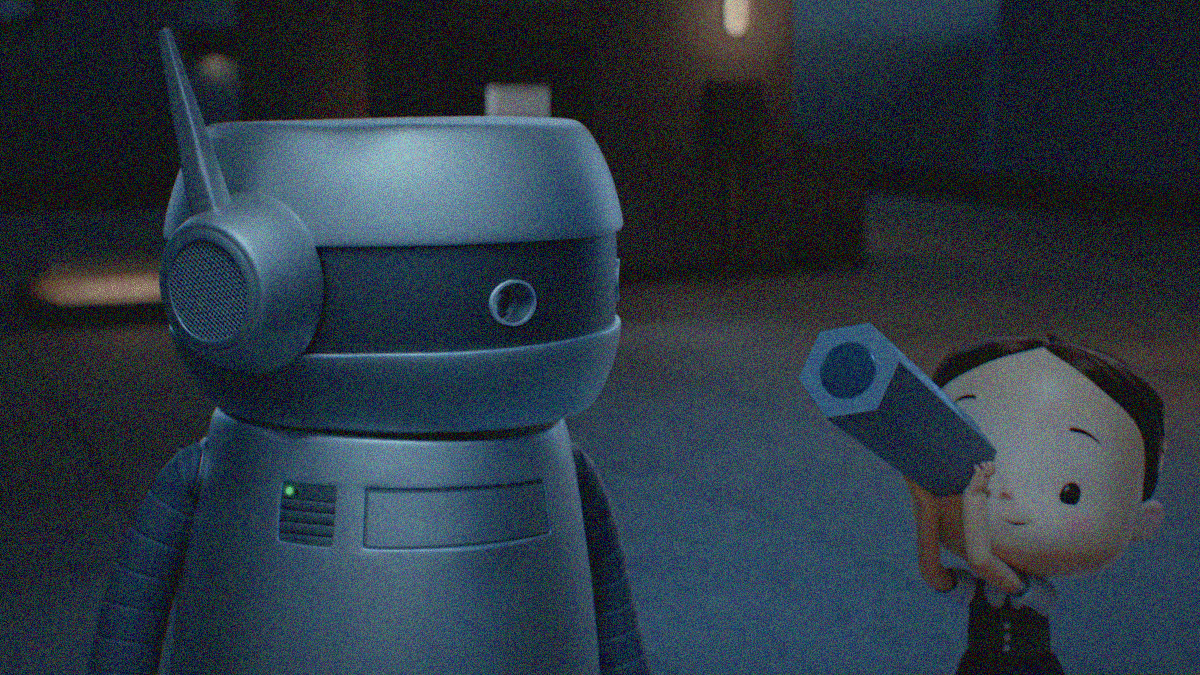
When Celeste's mother went to space and never returned, it was up to their first-generation Guardianbot to watch over and raise her. After many years of memories, ice cream, and origami, the time has arrived for her to graduate space academy and head into the great unknown herself. This isn't a story about moving forward to look back, though. She doesn't go to space to find her mom. It's about looking back to move forward instead. For both to find themselves.
Directed by Kid Koala and adapted from his 2011 graphic novel by Mylène Chollet, Space Cadet takes us on a sweet journey of nostalgia to find one's purpose. It's about Celeste letting her curiosity get the best of her and the Guardianbot letting its waning mortality do the same. She seeks answers. It clings to duty. And it's through their parallel involuntary reminiscing that they discover nothing truly dies if someone remains to remember.
Executed with cute plastic toy-like computer animation, we witness the ways in which the present triggers both characters to recollect a moment they might have thought they'd forgotten. Whether aural (Guardianbot's clanging claps or a mysterious sound wave Celeste's mother discovered) or visual, they transport themselves to find comfort, love, and epiphanies. She searches for a way home. It desperately tries to prevent home from disappearing.
The themes surrounding grief and acceptance are therefore obvious on the human side of the story, but there's also a through line touching upon the importance of physical media and analog technology in the face of digital impermanence. Celeste's mother's journal becoming a necessary artifact to pair with her memories. Guardianbot's newfound painting hobby allowing it to preserve that which is most precious to its existence and identity.
Add an offbeat supporting cast via a stray cat Guardianbot knows it should ignore, extraterrestrial fauna with big personalities, and a voracious species of jellyfish-like aliens and nothing on-screen is without its own unique personality regardless of screen time. An impatient diner waitress only needs about thirty seconds to become one of the film's most memorable characters. Yes, Celeste and Guardianbot long for what's lost, but they never stop having fun too.
Is there any better lesson than that? Guardianbot doesn't shield its ward from the dangers of her ambition or erase the image of the woman they both loved. On the contrary, it sets her up to face her fears by being present physically and emotionally. Celeste does the same—always taking note of its wants to repay the favor while understanding its function goes beyond just her. Because it helped her achieve her dream. Now, it's time for others to achieve theirs.
7/10
Wildwood
IN THEATERS
_____
The first film that came to mind when I read the synopsis for Wildwood was Labyrinth. The one that came to mind while watching was Willow. Sure, it might just be a product of the familiarity of fantasy stories, but I also wonder if it's a product of author (and The Decemberists frontman) Colin Meloy (and illustrator Carson Ellis and director Travis Knight) having been a tween when those indelible classics were released in the 1980s.
The difference (especially from the latter) is that Meloy set his adventure in his own backyard: Portland, Oregon. Which, of course, is also the state where Knight and Laika Studios (then known as Will Vinton Studios) were born. So, while he sends Prue (Peyton Elizabeth Lee) and Curtis (Jacob Tremblay) into the so-called Impassable Wilderness to rescue the former's toddler brother from a murder of kidnapping crows, it all remains grounded in reality.
Think His Dark Materials and its parallel worlds or "Over the Garden Wall" and its magical dream-like forest of imagination. The comparisons are literally infinite. It's both a boon as far as inspiration is concerned and a curse since audiences will always have something with which to say this iteration doesn't live up. That's why Knight waited. He read an unpublished draft of the book in 2010 and wanted to do it justice. Laika needed sixteen years to prepare.
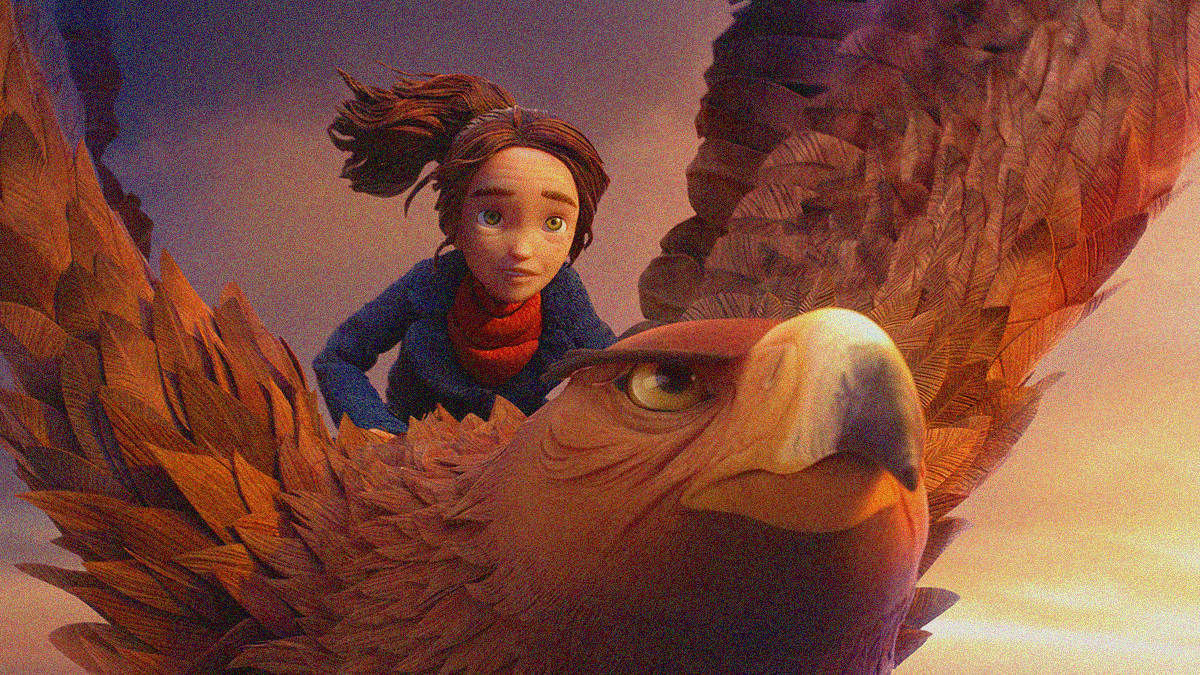
It was time well spent because this thing is a gorgeous feat of magic all in itself—regardless of the obvious CG needed to bring its complex set pieces and insane cast of silicone puppets to life. With massive battle scenes bathed in fire, bird murmuration in the sky, and a sentient ivy-covered forest setting, the ability for the medium to handle the action proves crucial to the success of animating Chris Butler's adaptation. Only then can we let its heart take over.
This is true with all of Laika's films. They are masterpieces of visual wonder on their own to the point where you could turn off the sound and simply bask in the glory of their craft alone. That they've been able to also take us on dark, emotional journeys with relatable flawed characters is where the real power lies. It must considering how long it takes to bring these projects to fruition. Just because CG augmentation is used doesn't negate the stop-motion wizardry.
The first real moment of wonder comes from the kidnapping as enough crows to give you flashbacks to Hitchcock's The Birds descend upon a school playground to whisk little Mac away. Prue promised her parents (Maya Erskine and Jake Johnson) that she wouldn't take her brother outside, but they've always been weird about keeping him shut-in when they weren't with her. How could she know it might have been for a reason? One misstep and he's gone.
She (with Curtis unwittingly in tow) must enter the forest to save him. She doesn't know it's her blood that somehow opens the vines to provide an entrance, but we do. So, we revel in the discoveries (A talking coyote militia led by Tom Waits' cruel Maksim?) and the kids' shock. We laugh when a human who decides to help gets angry that he wasn't made aware of their "outsider" status because he's right. Their presence here should be impossible.
That's when we enter the Avian Principality and meet The General (Angela Bassett) and Owl Rex (Richard E. Grant). It's when we stumble upon the out-of-his-depth Governor (Marc Evan Jackson) and his worm-tongue of an advisor (Jemaine Clement). There's a contingent of bandits led by Mahershala Ali's Brendan and Amandla Stenberg's Niamh. Tree-talking Mystics led by Tantoo Cardinal's Iphigenia. And, at the center of them all, the Dowager Governess.
She's the main antagonist. A grief-stricken mother named Alexandra (Carey Mulligan) who will stop at nothing to bring her late son Alexei back to life. In so doing, however, she's made the entire forest unsafe. Her desperation has tipped the tenuous equilibrium fostered by the slumbering ivy and turned natives into outlaws and animals into beasts to do her bidding. She's the prototypical evil queen: ruthless with her soldiers and sweetly manipulative to her prey.
Will Alexandra therefore trick the kids into joining her fight and/or accepting the fate that Mac is lost forever? Or will Prue and Curtis see through the ruse (the latter out of fear and the former out of an impertinent desire to be an adult) to continue their quest to save the boy and, in turn, this fantastical ecosystem hidden away from their daily lives? The answer is obviously the second path, but not in the way many adventures like this generally go.
Because these are kids engaged in a fight so much bigger than anything they could hope to control—if they even want that responsibility in the first place. No, this impending war becomes an arduous and eye-opening lesson about how dangerous, uncertain, and often unavoidably tragic life proves. Whether you know what you think you know or not, reality has a way of twisting you sideways to laugh, cry, or both. Being courageous comes at its own price.
While true of all Laika films, Wildwood is on a level all its own where it comes to its refusal to pull punches for younger audiences. There's a reason this is PG-13 and not PG. Yes, the violence plays a big role, but it's also the psychological wringer these characters endure. There's no glory in victory. Only the painful memories of what was necessary to achieve it. Credit to all involved for having their spoils include crippling PTSD above any proverbial riches.
Doing the right thing is hard. It can feel like (and often is) a burden. And the definition of "right" has a way of becoming corrupted once self-interest steals the wheel from altruism. So, it's not a coincidence that Alexandra and Prue are ostensibly the same ... motivationally speaking. The difference is that one can still reclaim what she lost while the other can only further corrupt herself and her world in an attempt to defy nature. But wouldn't you do the same?
8/10
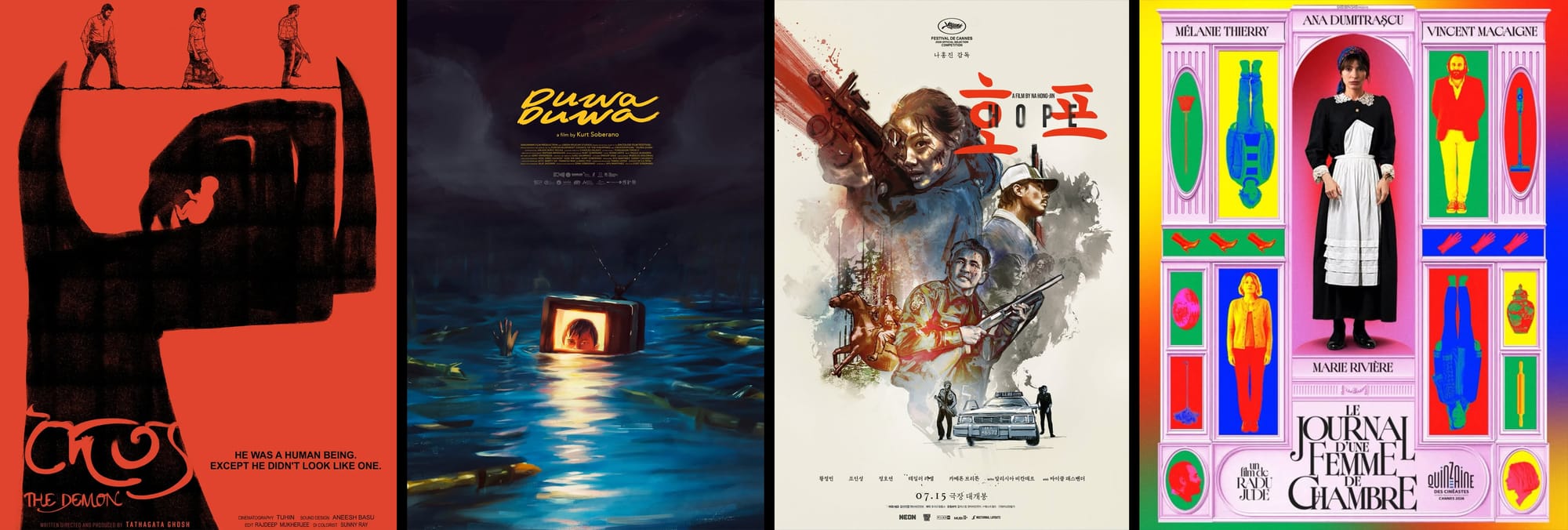
Posters of Note
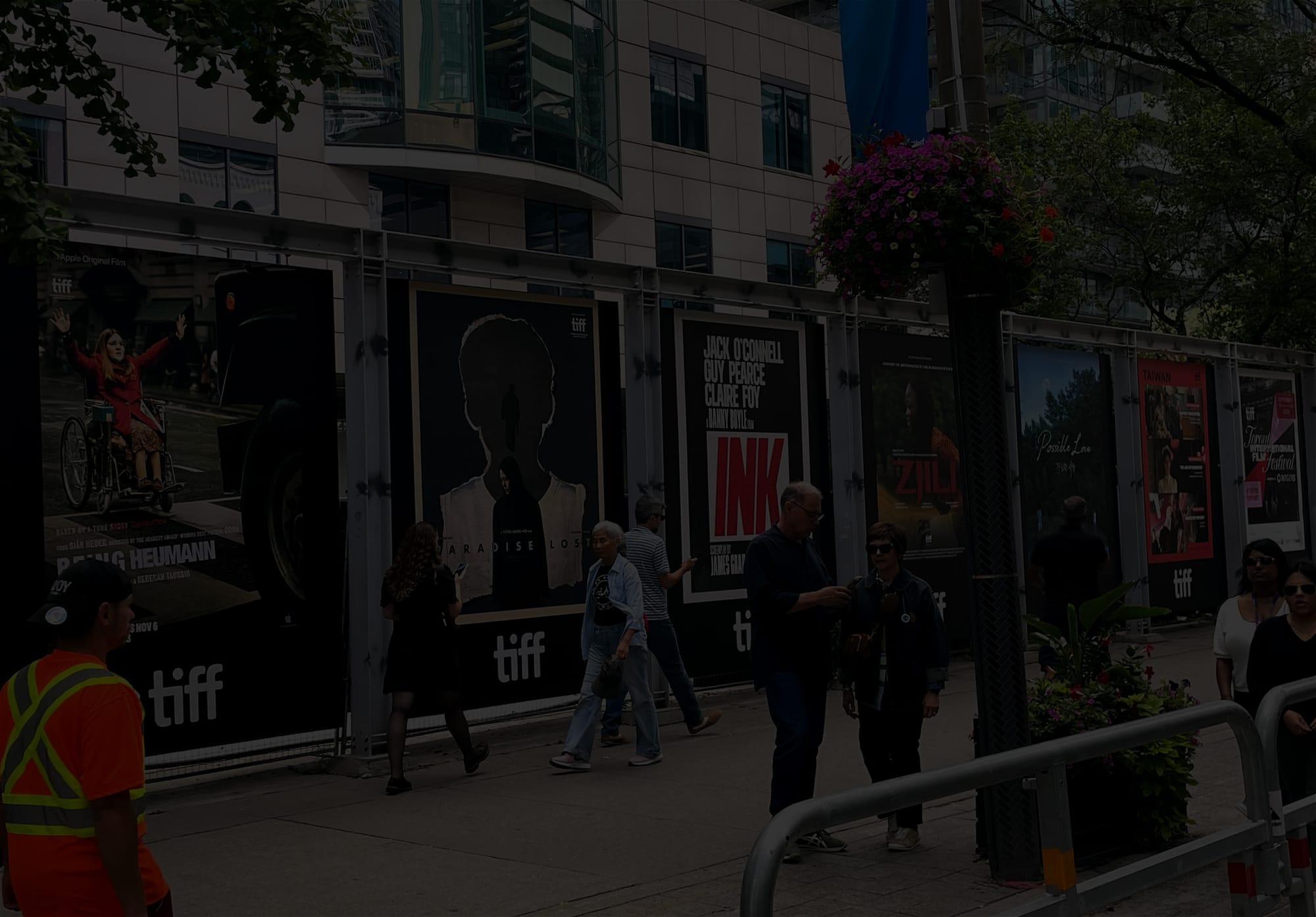
My weekly roundup of ten posters that caught my eye on the Instagram feed. Compiled on Blusky via #postersofnote.


Cinematic F-Bombs
This week saw What's the Worst That Could Happen? (2001) added to the archive (cinematicfbombs.com).
Martin Lawrence and John Leguizamo dropping f-bombs in WHAT'S THE WORST THAT COULD HAPPEN?
Movie Listings
Opening Buffalo-area theaters 11/13/26 -
• Donga Naa Koduku at Regal Elmwood
• Ebenezer at Dipson Flix, Capitol; AMC Maple Ridge; Scene One Market Arcade; Regal Elmwood, Transit, Galleria, Quaker
• Everest: The Other Side at Regal Transit, Galleria
• Ghost Soldier at Dipson Flix, Capitol; AMC Maple Ridge; Regal Elmwood, Transit, Galleria, Quaker
• Hadoota at Regal Elmwood
• How to Rob a Bank at Dipson Flix, Capitol; AMC Maple Ridge; Scene One Market Arcade; Regal Elmwood, Transit, Galleria, Quaker
• Itllu Arjuna at Regal Elmwood
• Mouse at Regal Transit, Quaker
"Everyone on-screen is a raw nerve and they are given the humanity to allow that vulnerability, selfishness, and insanity impact their actions in horrible ways. Not to judge them, but to understand." – Full thoughts at HHYS.
• Ut Lan 2: The River Demon at Regal Galleria
• Victorian Psycho at Dipson Capitol; Scene One Market Arcade; Regal Elmwood, Transit, Galleria, Quaker
Streaming from 11/13/26 -
• Avengers: Endgame – Encore (Disney+) – 11/13
• Being Heumann (Apple TV) – 11/13
• The End of Oak Street (HBO Max) – 11/13
• Heartland (Netflix) – 11/13
• Tinsman Road (Shudder) – 11/13
• Darius Rucker: They Called Me Hootie (Hulu) – 11/16
• When a Witness Recants (HBO Max) – 11/17
• Gentle Monster (Netflix) – 11/18
Thoughts are above.
• Guarding Stars (Netflix) – 11/18
• Madden (Prime) – 11/18
• The Hotline (HBO Max) – 11/18
Now on VOD/Digital HD -
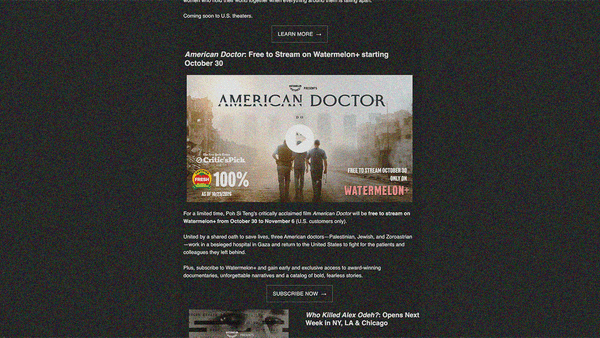
• American Doctor (11/10)
"Yes, the emotion is palpable and the hypocrisy is rampant, but the bureaucratic hoops they must jump through to provide a basic human right is astounding. It’s a miracle they are allowed in at all." – Full thoughts at HHYS.
• Angel and the Badman (11/10)
• Atonement (11/10)
"While an affecting film that does well to consider the messiness of the situation and platform fantastic performances, it’s difficult not to wonder if a feature film wasn’t the best route to present it as anything but a reductive “both sides” argument." – Full thoughts at HHYS.
• Crawlers (11/10)
• The Floaters (11/10)
• Ha-Chan, Shake Your Booty! (11/10)
• Heart of the Beast (11/10)
• Last Shot (11/10)
• Loves Company (11/10)
• Other Mommy (11/10)
• R.L. Stine's Pumpkinhead (11/10)
• Actually, It Is Rocket Science (11/13)
• Middle Life (11/13)
• Noli & Owen Are Fine (11/13)
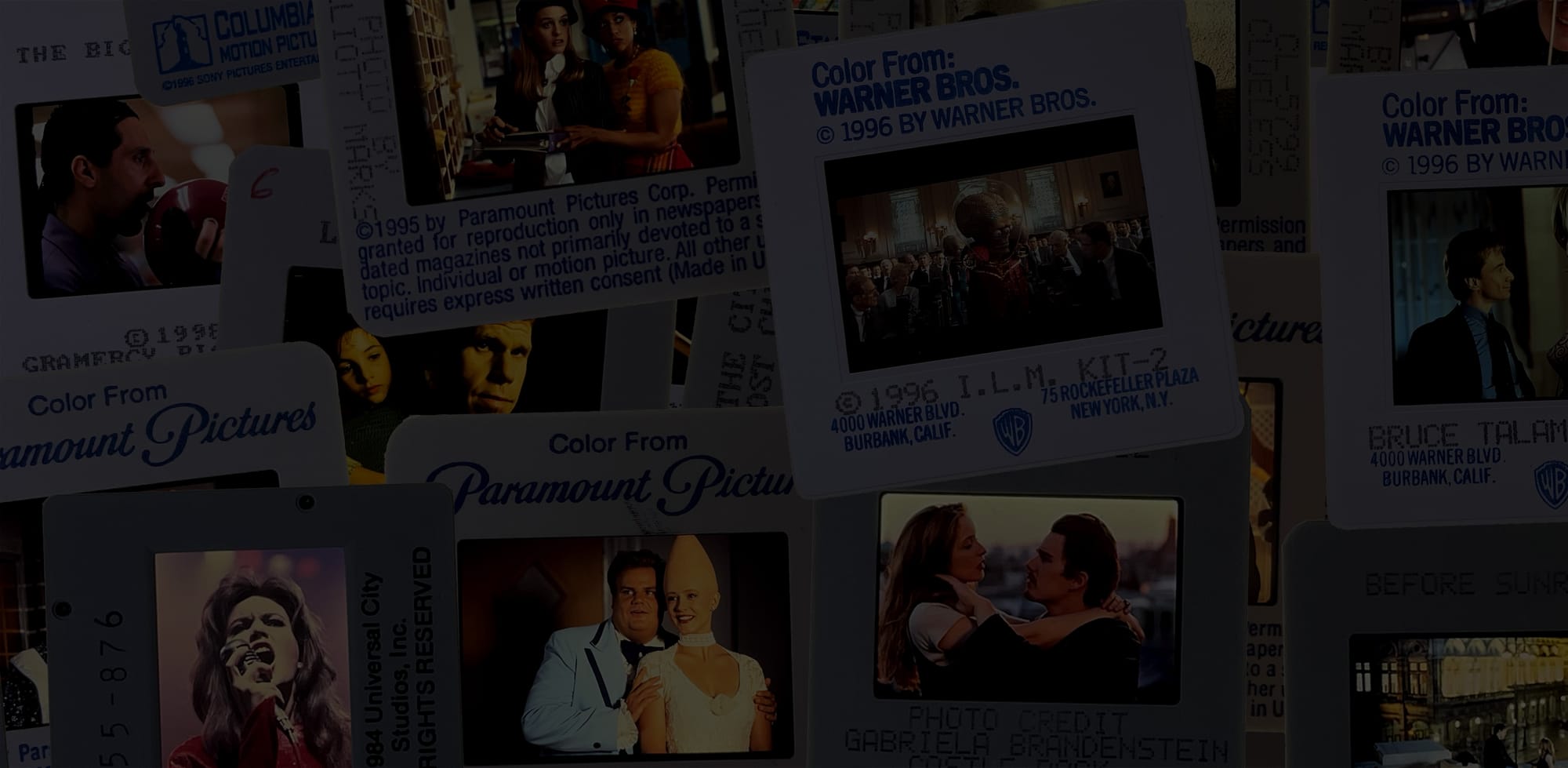
Press Kit Archive
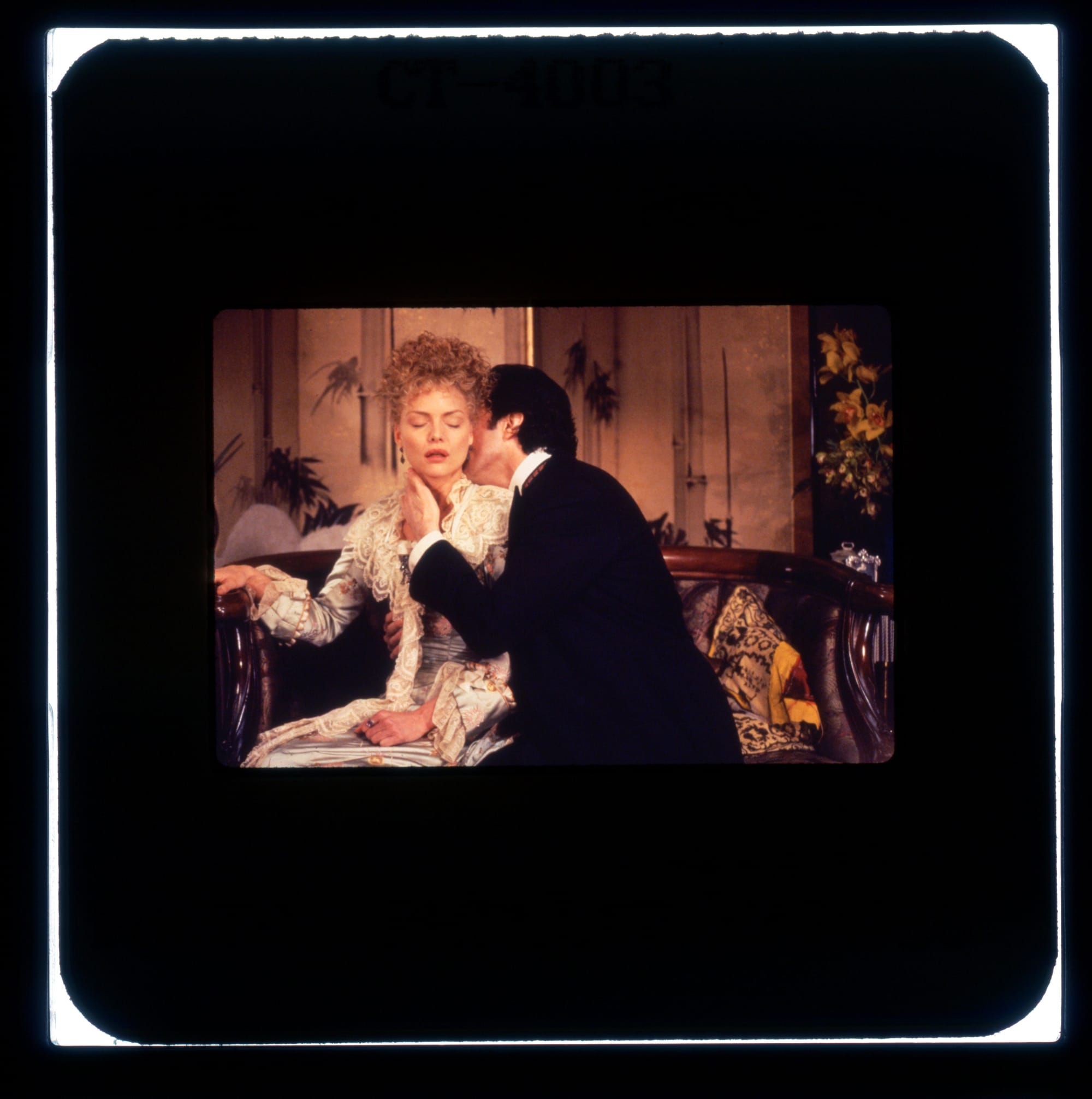
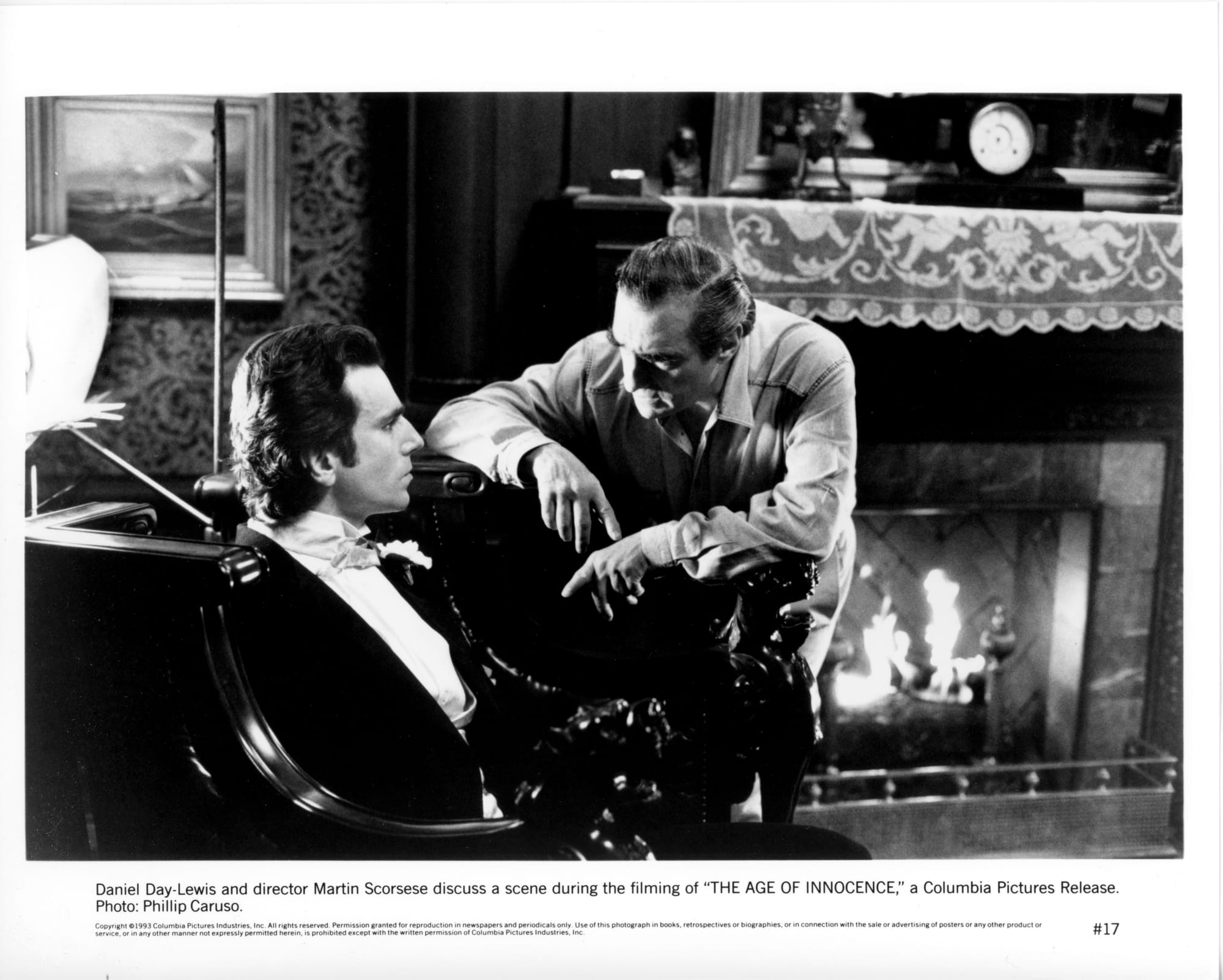
Pieces from the The Age of Innocence (1993) press kit.