Week Ending 8/7/26
Fantasia 2026 – Week Three


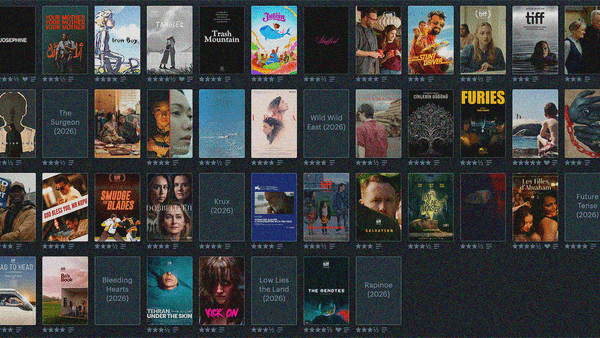
And that's a wrap on my 2026 Fantasia International Film Festival. I ended up reviewing 24 films—a new record that beats the 21 I saw back in 2021.
While there were no bona fide Top Ten contenders like last year's Redux Redux (still firmly entrenched on my 2026 ballot), there were a handful of really effective films that you need to put on your watchlists in hopes of them finding US distribution in the near future.
My Top Five:
• No Rest for the Wicked, d. Kasper Kalle
• Corpus, d. Corrin Evans
• Black Zombie, d. Maya Annik Bedward
• Godhead, d. Mark H. Rapaport
• You Are the Film, d. Makoto Ueda
Now it's back to catching a couple new releases while awaiting the presumed deluge of TIFF screeners.

July 31
TOKYO BURST: Crime City
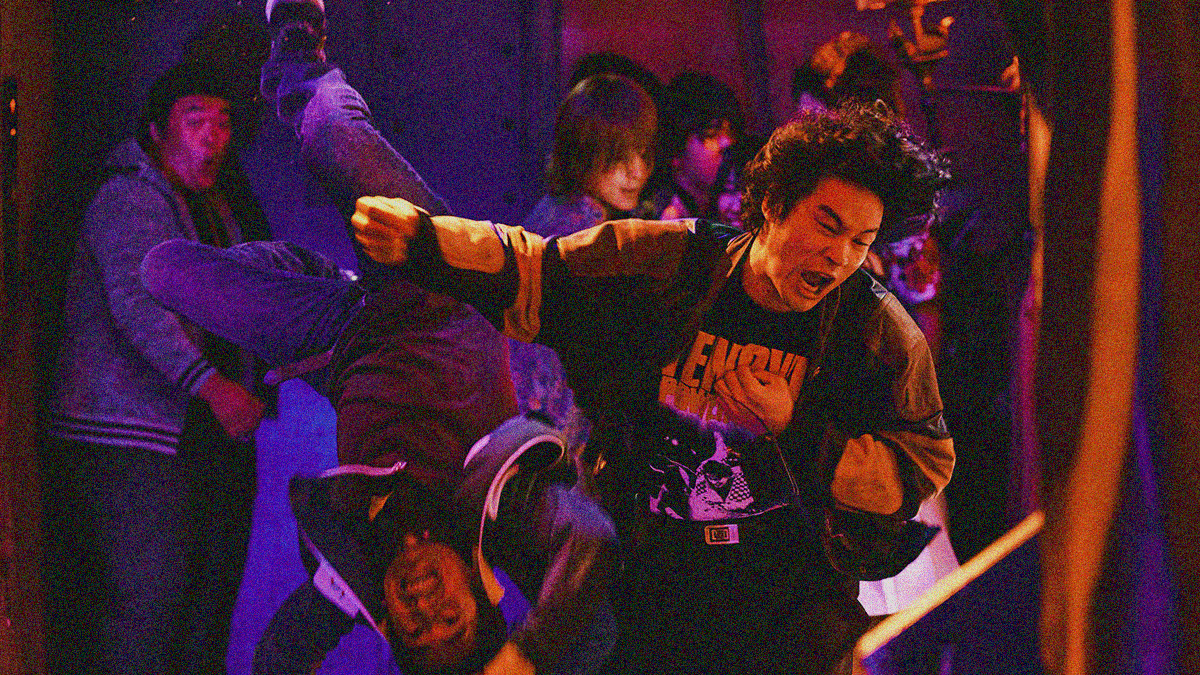
Who needs Beast Cop when you have a former Yakuza punk turned rookie detective with a concrete skull? The answer is, of course, everyone since Don Lee's Ma Seok-do is a one-man wrecking crew, but Eiji Uchida's Tokyo Burst: Crime City does make us wonder if Japan is in good hands with Shiro Aiba (Sota Fukushi) anyway. Sure, he needs some help from a Korean cop on loan (who we're to infer is a Ma disciple), but that's mostly just to split their two villains.
Shinjuku City is Aiba's turf. Has been since his youth running his own gang before turning legit. Just because he has a badge, however, doesn't mean he's looking to destroy the delicate ecosystem built-up over centuries between the Yakuza and Japan. Aiba still respects mob boss Iwaki (Pierre Taki) when he must, but he won't let that get in the way of his Special Crimes cases either. It's just nice to toe that line since it might come in handy down the road.
Aiba's unit is currently investigating a string of jewelry store robberies that ultimately proves our in-road into the action and the first bit of connective tissue tying the Yakuza and police force together with a violently ruthless duo (Uhm Ki-joon and Koshi Mizukami). Because one theft of the Dreaming host club leads to another of its spoils ... and another still. Everyone is looking to get cash in-hand as political and entrepreneurial aspirations demand liquid finances.
It just so happens, though, that Korean agent Si-woo Choi (TVXQ's Jung Yunho) is also on the hunt for one of those two anonymous heavies. Aiba hates that this outsider is suddenly in his domain (there are no butterflies for this rookie since he fancies himself a bad ass doing Shinjuku a favor by choosing the law over crime), but only because he doesn't yet know Choi is cut from the same cloth. He's all about a little police brutality inside a "truth room" too.
Comedic tactics like covering surveillance cameras to play a rigged game of rock, paper, scissors or goofy smiles when taking out a group of unsuspecting thugs single-handedly aren't the only connections to The Roundup franchise. There's also a familiar face in fan favorite informant Jang I-su (Ji-hwan Park). Don't worry about his character's evolution from the main series smoothing any edges, though. Tokyo Burst unfolds in 2015. He's still all-in on the mischief.
Not that he plays a big role in the plot. Think of Jang as a glorified cameo to keep us aware of the over-arching universe. (Will Aiba and Choi join Ma in a future sequel, perhaps?) The same goes for the hosts and Dreaming's own gangster boss (Tatsuya Ueda) who's willing to show he's his own bodyguard. Uchida and co-writer Tatsuro Mishima do well to keep a lot of plates spinning to distract from who Uhm and Mizukami are working for as well as their motives.
That homicidal pair is the focus. Uhm plays the calm and collected frontman who does most of the talking while Mizukami enters the picture when the situation demands a bit of vicious chaos. The action is always punishing when they get into it with bystanders meant to end up as bodies for Aiba and Choi to find a few seconds too late, but it stays pretty heated when they meet up too. Like all these films, however, living to fight another day is crucial to the runtime.
It's also crucial to the plot considering Uhm and Mizukami act with impunity for a reason. Their survival and impossible bureaucratic escapes from justice are part of the puzzle that Aiba and Choi must decipher before they go too far and end up suspended. Because their department head (Kiyohiko Shibukawa) having their back can't protect them when government officials breathe down the Chief's neck. This case reveals itself to be more complex by the minute.
Yunho's Korean straight man and Fukushi's Japanese trickster are a ton of fun together when at each other's throats and having each other's backs. Does needing two actors to replace Don Lee's iconic protagonist say more about his stature than their success? Maybe. But don't let that diminish how much fun you're having while they beat people up with a scowl and grin respectively. Their methods are different, but their righteous impulses are aligned.
The real highlight, though, is the Uhm and Mizukami tandem. Their villainy oozes a sense of cool due to their seeming invincibility allowing them to have just as much fun as we are. But the cause of that confidence (without spoiling anyway, the line about having "time to waste" is superb) doesn't mean Aiba and Choi won't still nab them. As long as the fights are bloody and brutal (Aiba is a pro wrestling fan, after all), though, they can take their time getting there.
7/10
August 1
God Skin
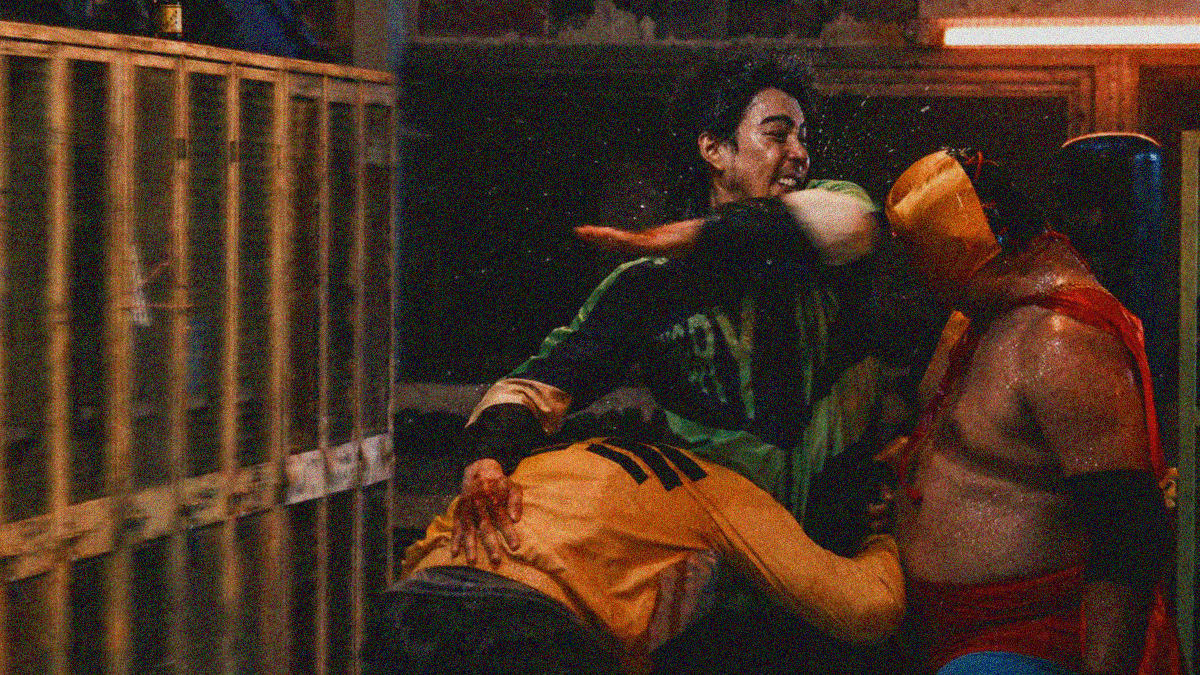
Why keep making videogames into movies by pretending their worlds are real when you can bring those videogames into reality itself via a sci-fi premise that achieves the same goal? Sure, it's fun to see your favorite Mortal Kombat and Street Fighter characters brought to life in a violently cheesy beat 'em up, but part of the appeal of playing is your ability to control those avatars. Wouldn't you rather become Ryu than simply watch someone else do it for you?
This isn't why Win (Sutthirak Subvijitra) joins the Mirage fighting ring under the tutelage of an old friend (Itkron Pungkiatrussamee's Itt) who recruits their combatants, but it is why he keeps coming back. The money helps, obviously. He's trying to pay off his mother's hospital bills and his girlfriend's (Phantira Pipityakorn's Praewa) debts, after all. But there's also a compulsion to rise through the ranks and raise the stakes regardless of his own failing health.
Here's the gist of the game at the back of Phantira Pipityakorn's God Skin. In order to level the field and allow any willing participant to join, fighters are injected with nanobot technology that allows wealthy bettors to "gift" them health packs and special moves that manifest physically through their bodies. Just because Win looks like a beast compared to his smaller and fatter opponents doesn't mean anything if they activate "praying mantis" or "stampede."
That's where benefactors like Guan "Nerdass" Yu (Tanawat Cheawaram) come in. A loquaciously sputtering geek who references videogames and anime in every line of dialogue, he's also a professional gamer with unlimited capital to afford the "gifts" and understand when to use them as counter attacks and parries. Win still needs the skills to hold his own between power-ups, but the game is as much in the hands of the betting audience as it is in those taking the hits.
And if we glean anything from our introduction to Win via a voiceover about luck and the manifestation of it, he's not too bad without the enhancements. In fact, he's better than he or his unsuspecting opponents believe. It's why I was almost surprised when Itt takes him to the "god skin" doctor for his first injection. It kind of looked like he had special powers already. Couple that incongruity with reuniting with Itt and Praewa out of nowhere? There's more happening here.
It's easy to gloss over these conveniences once the drama unfolds, though. We invest in Win's pursuit of altruistic charity as well as the overzealous nature pushing him to go too far. It's entertaining to watch him find his footing in the ring against an eclectic cast of opponents with CGI branding and a wealth of spirit animals giving them supernatural moves. There's even a commentating duo providing comedic play-by-play of the action.
Like most of these types of stories, however, it's the hero who figures to be his own worst enemy. Win rises too fast against Itt's advice. He starts turning on his friend and letting the rage take over outside of the ring to even start making things worse for Praewa and his mother. It's the classic descent to rock bottom we should expect so his straightening out for a rebirth hits the right notes ... but it occurs barely halfway through. Cue the rug pull.
I don't want to ruin what Purijitpanya and his co-writers Jirawat Watthanakiatpanya, Kittikun Chattongkum & Pat Pataranutaporn have concocted, so I'll just say that your own disorientation is supposed to mimic that of Win. Because it isn't fully explained at first. Yes, the cracks are revealed and the notion that something is very wrong is front and center, but we must still work towards the inevitable monologued explanation before the big picture clicks.
It's not a complete exposition dump, though, as God Skin treats its necessity in a way that allows the answer to still hold a couple more secrets back. The film is literally rewriting the scope of its mythology as we move through the layers of in-world deception before Win is afforded his last gasp attempt to seek revenge and escape alive. Think Mortal Kombat meets The Game and enjoy the ride as the action transitions towards sci-fi chaos.
There were a couple moments where it lost me, but I'll give Purijitpanya a ton of credit for always bringing me back into the fold. Because it's all there if you know where to look—so much so that I think you'll be rewarded for giving the movie multiple views. It's not like it doesn't warrant as much from the actors and fight choreography alone. The wirework merging with computer effects lend it a perfect arcade flair as seen through Win's augmented contact lenses.
Add the dystopian social commentary speaking on our present-day systems of oppression and exploitation and you realize the action is saying something. It's extremely cynical and unavoidably bleak, but so is the real world. This idea that any victories we do earn in life are built-in incentives meant to delude us into believing we can still "win" isn't far off the mark. The rich need us playing along because their profit depends on it. Our subjugation is volunteered.
7/10
The Rest
Break Free

The recession has everyone stuck in a state of uncertainty where it comes to financial security ... yes, even the Yakuza. With new anti-organized crime laws making life difficult for the Mikami Clan to operate in public, Goto (Kenta Kiritani) and the Big Boss (Yoshihiro Kurita) have tasked their lieutenants to pick up the slack in other ways. For three heavies used to wielding violence at the tiniest infraction, however, the gig economy isn't quite for them.
So, it's not long before Kunio (Akito Fujii), Yamamori (Shigeo Osako), and Kazu (Atomu Mizuishi) are berated in their office for falling short where it comes to toeing that line. One more altercation with a civilian and the whole gang will have no choice but to disband. It therefore takes every ounce of patience Kunio has when an idiot on the street tests that resolve by getting in his face knowing he has no recourse. Well, no recourse besides dancing.
That's right. Yu Nakamoto's Break Free leans into the farcical nature of its conceit to put a huge smile on Goto's face upon learning just how many viewers watched Kunio's amateur "TikTak" debut thanks to an influencer (Ui Mihara's Ririka) posting the ordeal on her account. People watched for its absurd juxtaposition of a big dude getting close enough with his dance moves to reduce his target to tears on the ground. Part of the allure was wondering if Kunio truly is a gangster.
This question is a crucial plot point considering it's illegal for Yakuza to be filmed on television or social media platforms. Kunio must pretend it's all "cosplay" to not get his account banned or make waves once he starts doing collaborations with established online personalities. It's not easy considering his short temper or the fact that another clan decides to test the Mikami boys in ways that present numerous opportunities for them to slip up.
There's a real soap opera flavor to the embellished acting and insane situations unfolding in the present and the past. You have flashbacks to Kunio's little brother Akira (Shogo Yamamoto) dreaming of dancing lending some potential tearjerker vibes. There's former clan member Jiro (Wataru Ichinose) now on the straight and narrow. A ten-year-old idol hopeful (Azuki Terada's Uika) becoming Kunio's friend and advisor. And, of course, sanctioned dance battles.
So, for every scene in Marie's (Mai Fukagawa) studio training Kunio to learn the moves she perfected as a back-up dancer despite his "old age" (thirty-eight, gasp!) there's also a glimpse at the Mikami Clan's sadistic rivals (Takuya Negishi and Ryu Ichinose) doing normal, everyday activities covered in blood. The comedic possibilities of each given moment are always paramount. Yes, there's still a narrative for Kunio to find his true self, but the laughs come first.
Some of it is broad (Kunio's crime-specific improv on TV), some visual (Negishi and Ichinose's bloodied faces), and some culturally specific (the film does well to ensure we understand subtle wordplay despite the subtitles, such as Marie saying she "likes" Kunio's moves and everyone on-screen inferring she also "likes" him). And it's also just funny to watch Kunio's rough and tumble running mates approve of and champion his decision to pursue this new dream.
Except, of course, that it's actually Akira's dream. Kunio might be all-in now, but there's definitely a psychological need to complete this journey to settle past regrets above believing that it's a legitimate career pivot. You can take the guy out of the Yakuza, but you can't take the Yakuza out of the guy. Because who he wants to be won't erase who he was to a majority of Japan. And that's okay. Kunio accepts himself and now he'll know who his real friends are.
The whole cast is fully onboard with the over-the-top tone—especially Kiritani whether smacking his guys around or having his face light up after the stupidest idea bears fruit. Fukagawa, Mihara, and Terada are great as the "real world" pieces with the innocence to believe Kunio is just a regular guy and the ability to push his buttons. And Mizuishi and Osako lend a fantastic "new school" versus "old school" dynamic to augment Kunio's unlikely journey into internet fame.
But the star is truly Fujii. He's so committed to the bit of acting tough due to it literally being his personality after two decades in the Yakuza that it seems like an immense victory every time he does smile. Otherwise, he's contorting his face into comical rage, calling little Uika a brat, or practically bending onto the ground to beg for forgiveness when his aggression inevitably gets the best of him. His Kunio epitomizes the humanity living behind the monstrous mask.
Does Break Free have a penchant for being too silly? Sure, but there are a lot worse things you can be instead. That's the point. You don't open your film with Kunio, Yamamori, and Kazu dressed like gullible nerds at a bar (Yu Nakamoto giving physical shape to the fantasy their adversaries manifest) before rising to reveal the bad asses they truly are by beating everyone up until a phone call demands they perform their daily TikTak if you aren't trying to be silly.
7/10
When You Open the Door
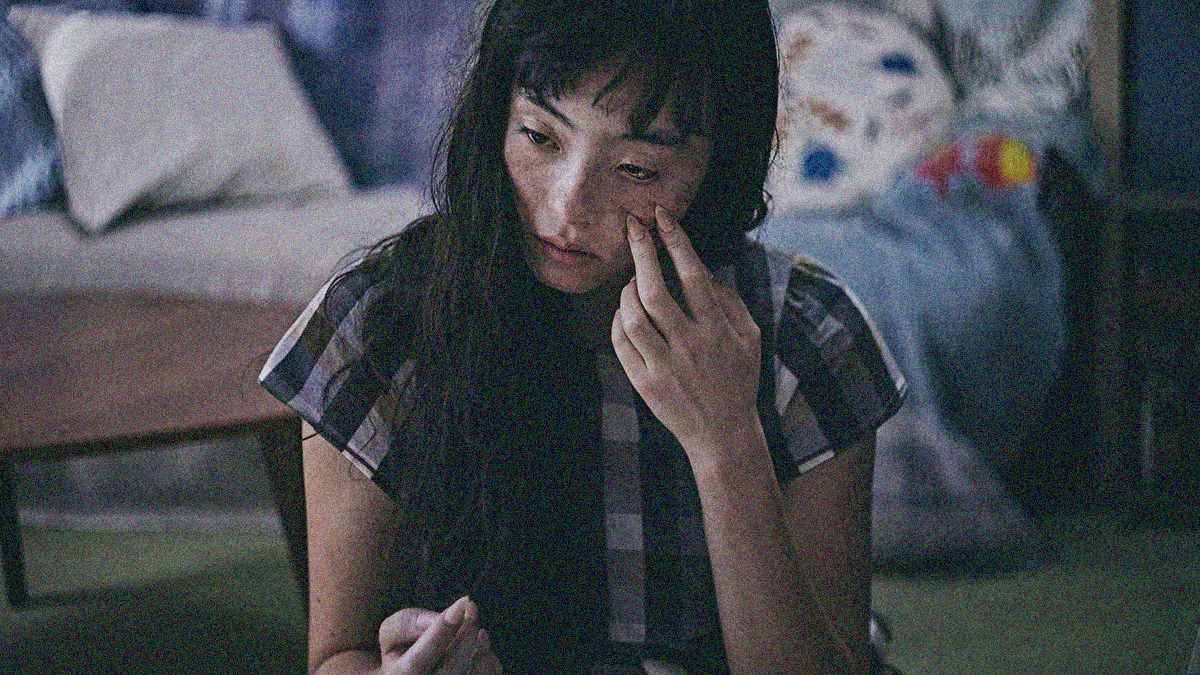
When Miki (Serena Motola) reads the note left by her morning toast reminding her to lock the door and delivering the news that it should be a sunny day, I assumed she'd stumble to a television and sit on the couch. I never expected to see her at an office drafting perspective drawings her boss doesn't even seem to know about as though she just lets Miki pretend she's actually working. And I definitely didn't expect to find that note was written by her husband.
Why? Because Eriko Katagiri's When You Open the Door presents this character as though she's a child—whether in age or cognition. The reminders. The placations. The infantilizing. But the truth reveals that everyone is simply tiptoeing around Miki's eccentric loner as if to create a projection of a world she can understand without ever asking if that's what she wants. So, it all very quickly begins to feel like a prison. A cage just like the one holding her anxious parrot.
It gives her response to the bird escaping its enclosure a chilling resonance. Miki isn't repeating her husband's statement of fact that the creature won't go back inside its cage because she doesn't understand the scenario. She says it with confusion while considering the absurdity of thinking it would want to return. Food or no food, freedom is better than captivity. Rather than fear the danger that might lurk outside the door, we should consider the danger within.
Katagiri and co-writer Tomoko Shinozuka portray this notion with a steady stream of unsettling vignettes both via memory, hallucination, and action. The uncertainty as a child to open the door for someone who says she is her mother. The phantom bite of a wolf after following a rogue bun meant for lunch that intentionally rolled away to lead her to a darkened alley. The comforting embrace of a husband that's soon implied to have turned into more.
Should we presume Miki is being abused? I think so. Maybe that's why she's so quiet. Maybe that's why the bruising on her cheek is unveiled as a necessity to keep her inner "werewolf" at bay. Maybe that's why their parrot's inexplicable eggs eventually present as fertilized despite there never being another bird. And maybe that abuse started in youth. Maybe she remembers a different wolf bite when she was younger because she can't face that truth either.
The implications turn everything that we see on their head from Miki's husband's desire to take charge proving less about help than his need for control to the compassionate understanding of a group of women who recognize someone who's been victimized like them. Katagiri is using supernatural myth and fortune telling rituals to shroud reality under the guise of storybook monsters and more effectively expose the evils of man.
Because it's not long before talk of Gods and communal howls show the wolves aren't a metaphor for the predators. No, they're the metaphor for the prey finding strength in the knowledge that they aren't alone. That they can fight back and escape their chains. That they can choose to open the door and run with the strangers offering their hands instead of remaining locked inside with the real threat that's whittled you down into a hollow shell.
All the usual tropes are therefore subverted to deliver this evolution from woman to beast as an awakening. At least that's what I inferred. A lot of what's happening is intentionally left to the viewer with Katagiri never tipping her hand. She knows her themes stand on their own. She knows that she doesn't have to show Miki's husband as a monster to think he might be one. She can leave the ghost of Miki's mother as a voice of care rather than a force of neglect.
Even if I'm totally missing the point, however, you still have Akiko Ashizawa's gorgeous cinematography and shadow work, Katagiri's surreal vision to blur the lines between reality and fantasy, and Motola's unforgettable performance that renders Miki as a zombie sleepwalking through life until given genuine praise by her boss or finding community with others that were "bitten." Seeing her grin during the final shot is about more than freedom. It's also about power.
When You Open the Door won't be for everyone, though. Its glacial pacing can be difficult to stick with if you aren't fully invested in the journey. You must accept that we're placed inside Miki's haze to sense her fear without a target and frozen inaction beyond following routine simply to survive. So, stick with it. Embrace the ambiguity of her dreams and the sisterhood of healing. You'll be rewarded with a bloody climactic metamorphosis via dance to leave you smiling too.
8/10

Late Fame
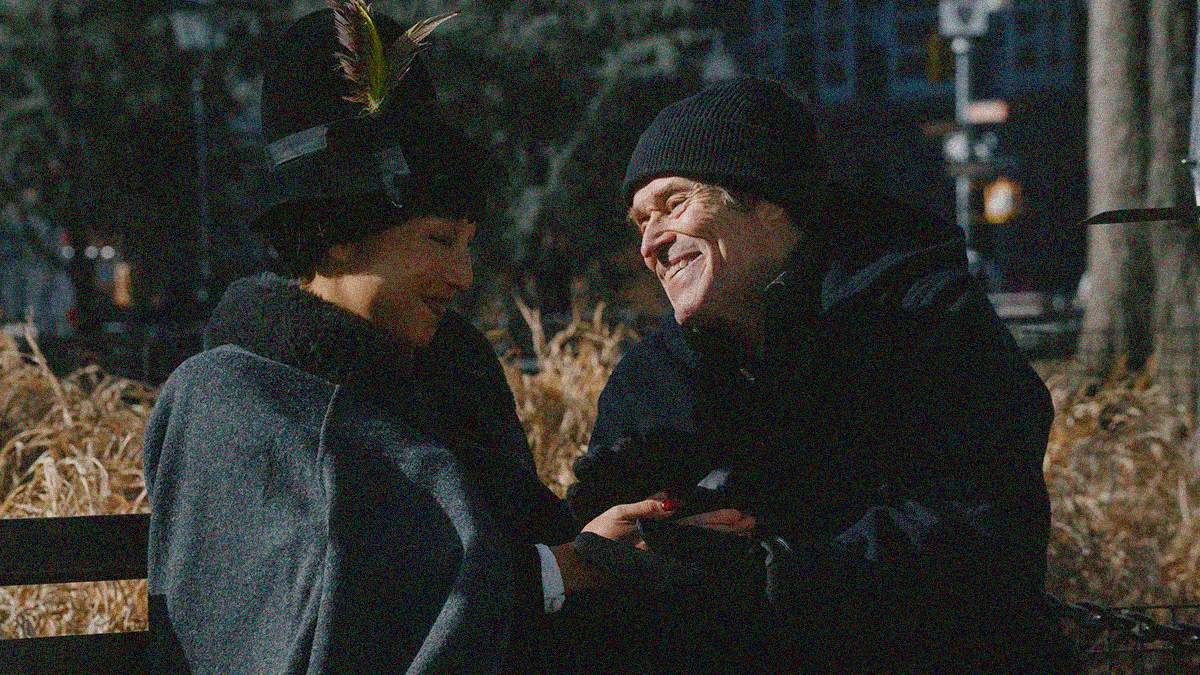
You can never tell which way Kent Jones' Late Fame is going to go. Adapted by Samy Burch from Arthur Schnitzler's unpublished 1895 novella (which was ironically rediscovered itself), the film follows a former New York City poet named Ed Saxberger (Willem Dafoe) who's lived a simple life as a postal worker these past thirty-odd years. Until, of course, the Silver Spoon-fed, self-important young Meyers (Edmund Donovan) plucks him out of obscurity.
It's a heart-warming meeting that starts with Ed's neighbor joking about him having an admirer patiently waiting across the street like it was prom night. Meyers' enthusiasm about the work is genuine. Ed's pride in learning his words still hold meaning is too. But that's when a touching moment of mutual respect turns purposeful. Meyers refuses to take "No" for an answer when inviting Ed to dinner with his ragtag bunch of bygone intellectuals.
We cannot help but wonder what the angle is—both because of Burch's writing and Jones' direction to constantly show the expressive reactions of a cast that is obviously not as enamored as Meyers. But there's also Meyers himself and his inability to stop needling Ed as though a literary agent blowing wind in his sails and making suggestions that tend to skew towards guilt tripping. And, finally, there's Ed giving himself over to the adulation and possibilities.
So, where is the line? Who is using whom? It's a question I kept trying to wrap my head around before coming to the realization that the answer is inconsequential. Why can't they both be using each other? And who's to say that doing so must be purposeful? Late Fame is less about exploitation than it is desire. Meyers yearns to be impressive and having Ed's ear cultivates that reality. Ed yearns to tap back into his former artistic purpose, and these kids help him do exactly that.
Add the life of Meyer's collective's party in their actress friend Gloria (Greta Lee) and the demarcation between reality and fantasy blurs even more. Because the difference between the men believing their feigned importance and her very conscious act is large. They don't see it because doing so would dissolve their own image of themselves, but we do. Not just via her mask to escape troubles yet to be revealed, but also via the way she looks at Ed.
Their moments together could easily be dismissed as an extension of the act by her and the delusion of possibility for him, but it's so much more complex than that. Because he doesn't see her as an object like the others to parade around and provide value to themselves. He sees through the mask. He inquires about her involvement with them being that he knows she doesn't come from their same affluent backgrounds. She knows he'd understand everything.
Ed has been there himself. That's not to say he put on airs to exist amongst more famous contemporary poets during the 80s or that his current blue-collar ethos isn't real either. No, he simply understands the difference between true interest and friendship and the allure of celebrity proximity. Back then, that art life was blue collar too insofar as everyone was broke and working simply to survive. Ed didn't need to fake anything. He never changed. Only his career did.
So, we wait to see when the other shoe will drop. When he will finally have enough of these posers who spend their days calling other people posers as though they have a leg to stand on. I loved the tiny throwaway comment Ed makes when Meyers goes too hard into pretension at his apartment. His, "Yes, you've said that before." is simultaneously an effortless means to change the subject and a scathing indictment of the artifice on display.
And yet Ed does much the same as Meyers in the very next scene when shutting down his actual friends because he's begun to drink the Kool-Aid of his own misunderstood genius. The whole film is full of these mirrors to reveal just how fragile our egos are—even when we've lived an entire other lifetime since that ego actually meant something. Is it wrong to do what Meyers, Ed, and Gloria do throughout? No. Hypocritical? For sure. But that's life.
The drama and comedy are therefore built from the contrasts. Gloria using "the boys" (rounded out by Luca Padovan, Arthur Langlie, Clay Singer, and others). Meyers using Ed's name. Ed using their youthful energy. It's all ultimately a means towards finding the confidence to try whether for the first time or last. To hear an outsider perspective about their work and souls. To realize praise and ridicule is noise once you're able to find comfort in yourself.
That's the real lesson here. Gloria needing to get out to give herself respite from the New York character she has cultivated to stay sane. Ed needing a reminder of why he couldn't make it (his temper and stubbornness) and never wanted to try. Meyers and the group needing to discover their bubble is nothing more than an echo chamber if they aren't willing to truly embrace critique and the sobering acknowledgement that they just might not be talented enough.
So, it comes down to where you go after those realizations. Do you just disappear because you can't trust your friends to let go? Do you discover you never had any friends to begin with because you were all embroiled in a cycle of sycophancy? Or do you go back to the life that never cared about that nonsense anyway? Donovan and Lee expertly show the duality of artifice and vulnerability while Dafoe magnificently embodies the war between the safety of contentment and danger of joy.
8/10
The Odyssey
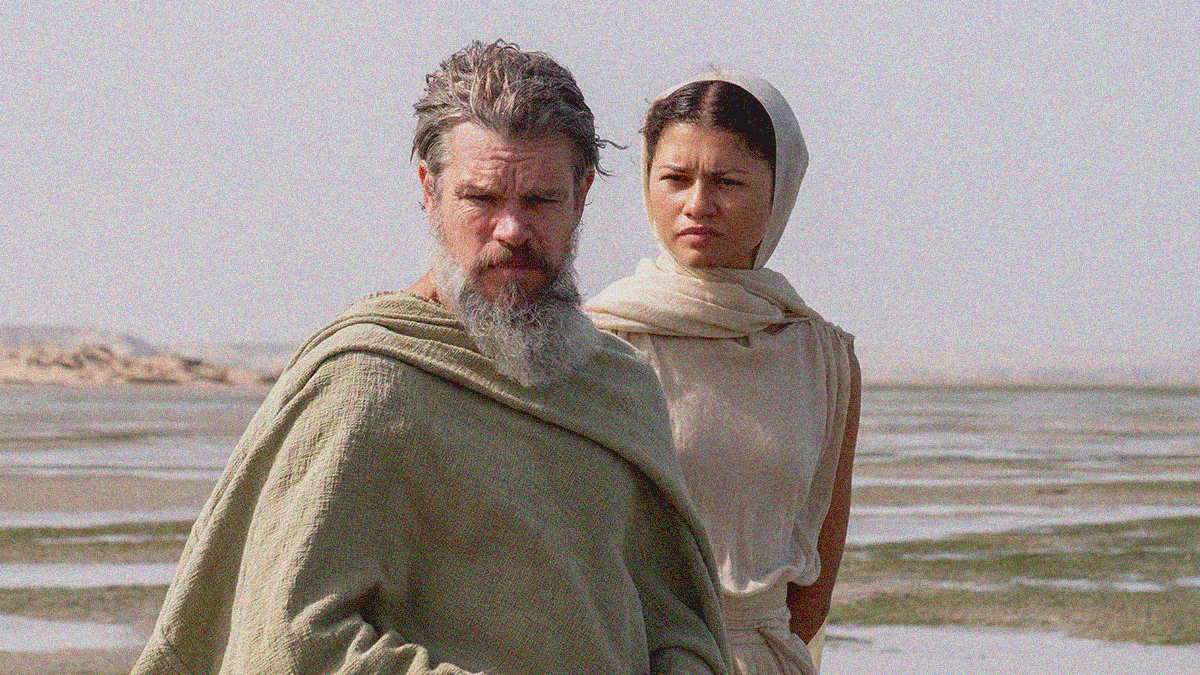
Christopher Nolan looked at all the themes in Homer's The Odyssey and chose one as a foundation for his adaptation: xenia, or Zeus's Law. It's an interesting in-road that points to which portions of Odysseus's journey to focus on as evidence of its dissolution (intruding on the Cyclops, Laestrygonians, and Circe) while also mirroring the suitors in Ithaca who have been exploiting Penelope's adherence to it for personal gain. The Trojan Horse becomes Pandora's Box.
While a nice narrative fix to ensure you can pack as much as possible into a feature-length runtime (although many would say three hours takes it well past that), it does also mean that those obstacles are often reduced to pawns in service of that brevity. They're utilized for the spectacle and thrills of an IMAX-scale experience. Bill Irwin lends his Cyclops sympathy through animal impulse while Samantha Morton's Circe exemplifies our current paranoid mania.
The epic poem is thus being wielded as a comment on today's hate and fear. It asks that we treat our neighbors as we would like to be treated while also teaching us how ignorance isn't an excuse for violence. Sure, wrapping that all up in Odysseus's guilt trip (handled very well by Matt Damon) often presents him as the victim, but that's the point since the script is literally building towards the reveal of him being the danger from sea all along. Fighting vs. hunting, etc.
Wild that so much has been made about Lupita Nyong'o and Elliot Page's presence despite both having a combined (maybe) five minutes of screen time while Himesh Patel is almost always by Damon's side, but the former definitely ginned up interest online (all press is good press). Charlize Theron's Calypso and Zendaya's "Athena" (the Wizard of Oz effect makes it so, just like with Troy, no Gods are actually used) are sadly wasted, but that's what happens when every side character is an A-list celebrity.
The film looks amazing, though. Morton, Page's Sinon (especially in Hades), and John Leguizamo's Eumaeus are the unquestioned acting highlights, but how can you not love Robert Pattinson's Antinous hiding behind a column while yelling for everyone else to pick up the swords and shields being thrown from the ceiling? I don't remember if Sinon and Antinous's connection here is in the book since I read it decades ago, but it's Nolan's most memorable and crucial piece.
If only he ended things with Damon and Anne Hathway setting sail for the new Highmark Stadium, the poster tagline could have been "Be good, do good. God bless, and Go Bills." Because, when you boil it all down, that's the sentiment. Well, that and therapy. After seven years on Calypso's couch processing his complicity in setting the world on fire, Odysseus was finally able to return home and put his untrained son in charge of cleaning his generation's mess.
8/10

This week saw The Razor's Edge (1984) added to the archive (cinematicfbombs.com).
Theresa Russell dropping an f-bomb in THE RAZOR'S EDGE.

Opening Buffalo-area theaters 8/7/26 -
• Blazing Saddles 50th Anniversary at Scene One Market Arcade
• CatVideoFest at North Park Theatre (select times); Scene One Market Arcade
• Cookie Queens at Regal Galleria, Quaker
• DC at Regal Elmwood
• El Gawahergy at Regal Elmwood
• Ice Cream Man at Scene One Market Arcade; Regal Elmwood, Transit, Galleria, Quaker
• Korean Kanakaraju at Regal Elmwood
• Mr. Hero at Regal Galleria
• One Night Only at Dipson Flix, Capitol; Scene One Market Arcade; AMC Maple Ridge; Regal Elmwood, Transit, Galleria, Quaker
• Super Troopers 3 at Dipson Flix, Capitol; Scene One Market Arcade; AMC Maple Ridge; Regal Elmwood, Transit, Galleria, Quaker
• Take Care of My Cat at North Park Theatre (select times)
Streaming from 8/7/26 -
• A Poet (MUBI) – 8/7
"A Poet is therefore a learning experience through fire for its two leads. The world may see them as a joke and pawn, respectively. But they still see the other’s humanity." – Full thoughts at HHYS.
• Beast Race (Prime) – 8/7
• The Last House (Netflix) – 8/7
• The Yeti (Shudder) – 8/7
"Yes, there’s an ample amount of blood and gore to satisfy the horror lovers taking a chance on a low-budget, soundstage-shot indie such as this, but the feel of the whole is conversely driven by emotion." – Full thoughts at HHYS.
• You, Me & Tuscany (Peacock) – 8/7
• Beast (Starz) – 8/8
• The Ribbon Hero (Netflix) – 8/8
• Michael (Starz) – 8/10
• Nando Between Two Worlds (Netflix) – 8/12
• A Child of My Own (Netflix) – 8/13
• This, That and Everything in Between (Netflix) – 8/13
• Travis Barker: Louder Than Fear (Hulu) – 8/13
Now on VOD/Digital HD -
• SOULM8TE (8/1)
• Another World (8/4)
• Couture (8/4)
"Couture is very much an actors’ film as a result. It probably won’t work for everyone as a whole, but the pieces are worth a look just the same." – Full thoughts at HHYS.
• Evil Dead Burn (8/4)
• Haunted Heist (8/4)
• The Isolate Thief (8/4)
• LifeHack (8/4)
• Lucky Strike (8/4)
• Meta Take One (8/4)
• River of Grass (8/4)
"It’s an effective aesthetic choice insofar as showing just how much of what we see and experience is in fact manipulated by unseen forces. So much of what we know is actually what we’ve been told." – Full thoughts at HHYS.
• Big Baby (8/7)
• Body Blow (8/7)
• The Run (8/7)
• Where Fireflies Dance (8/7)

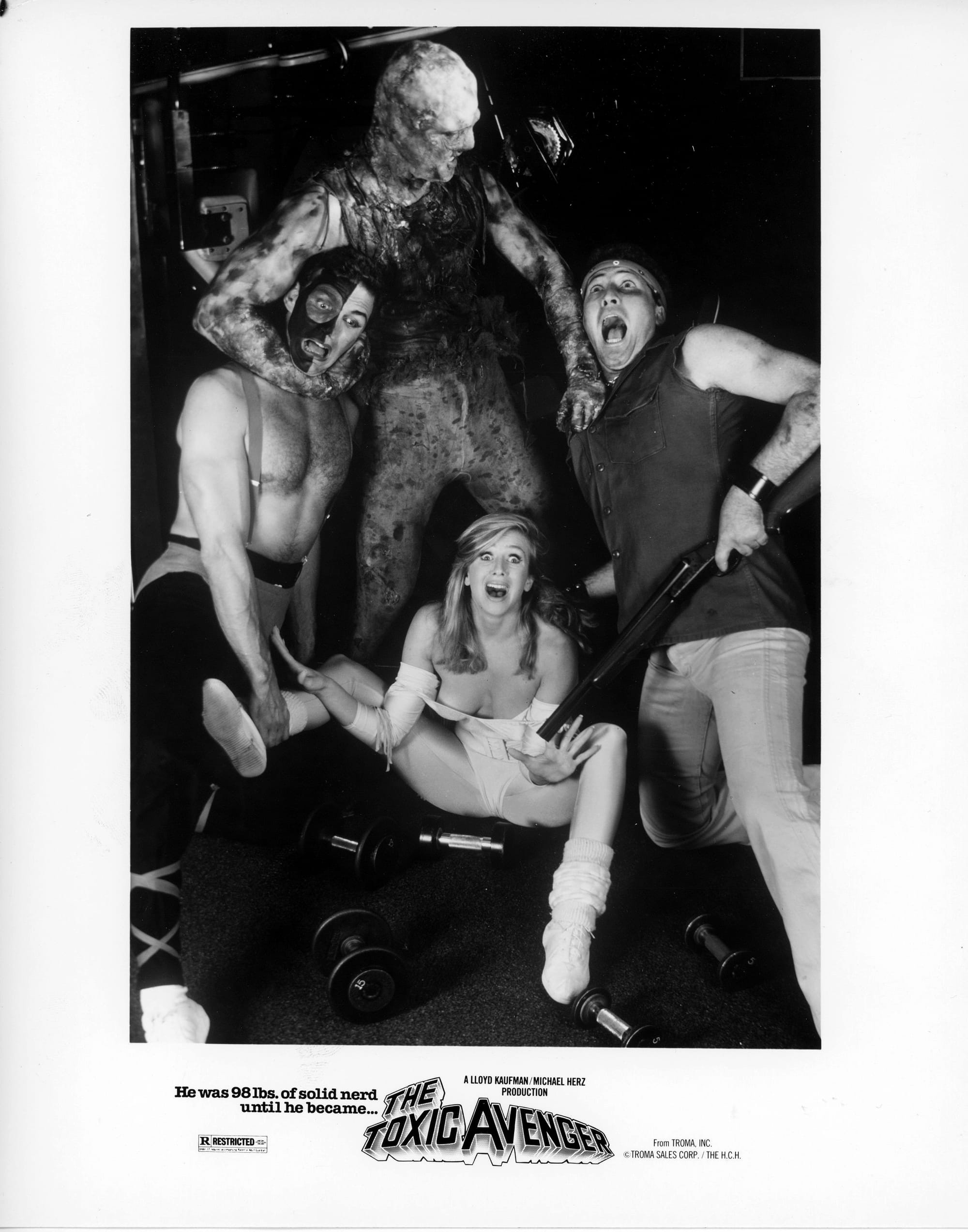
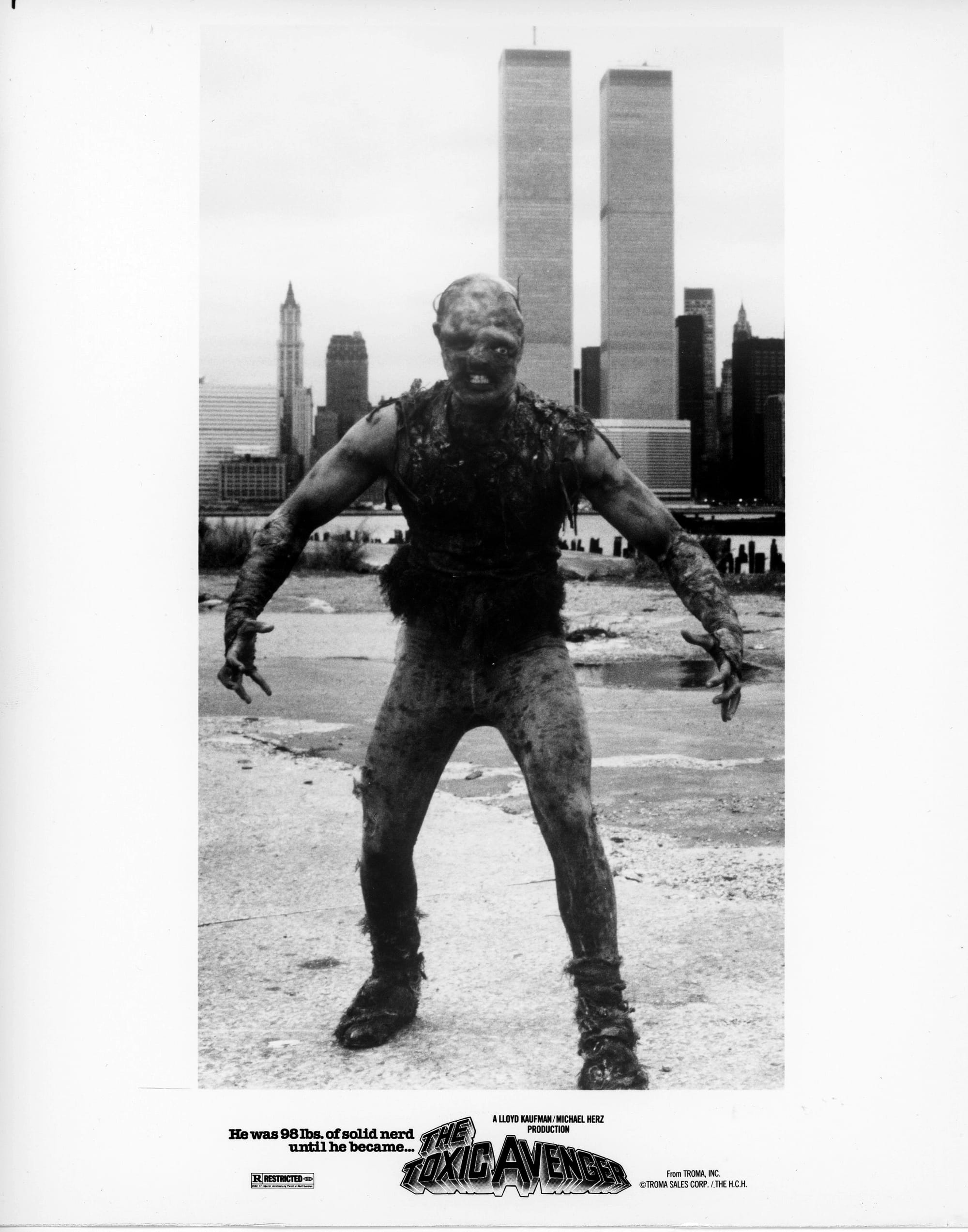
Pieces from the The Toxic Avenger (1985) press kit.