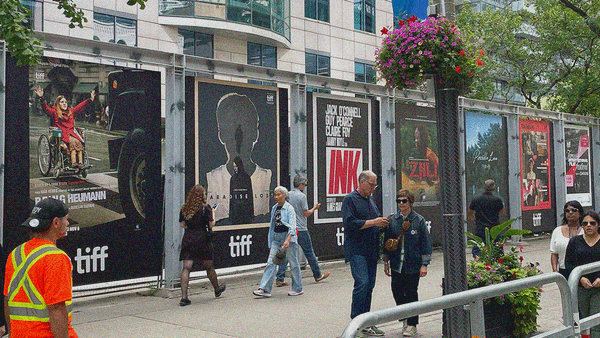
TIFF 2026: Day Eleven
And the winners are ...


The awards are out and I've once again chosen poorly by only having watched three of the many titles honored. As always, however, that just means I have a lot of great films to catch-up to in the coming months/years.
Can't help but wonder how much homer-ism was going on to give Matthew Rankin's documentary Ladies and Gentlemen, Brian Mulroney the Midnight Madness award and to have Barry Avrich repeat after winning Best Documentary last year for the controversial pro-Zionist film The Road Between Us, but that's kind of the game. Canada is going to show out for Canadian films.
Don't forget too that Platform winner Angh is now automatically eligible for the Best International Film Oscar despite India selecting Santosh Davakhar's Gondhal.
And congrats to Cody Lightning with a very emotional speech dedicating his Smudge the Blades win to his late mother who passed two weeks ago and almost made him skip the festival altogether.
Here's the full list:
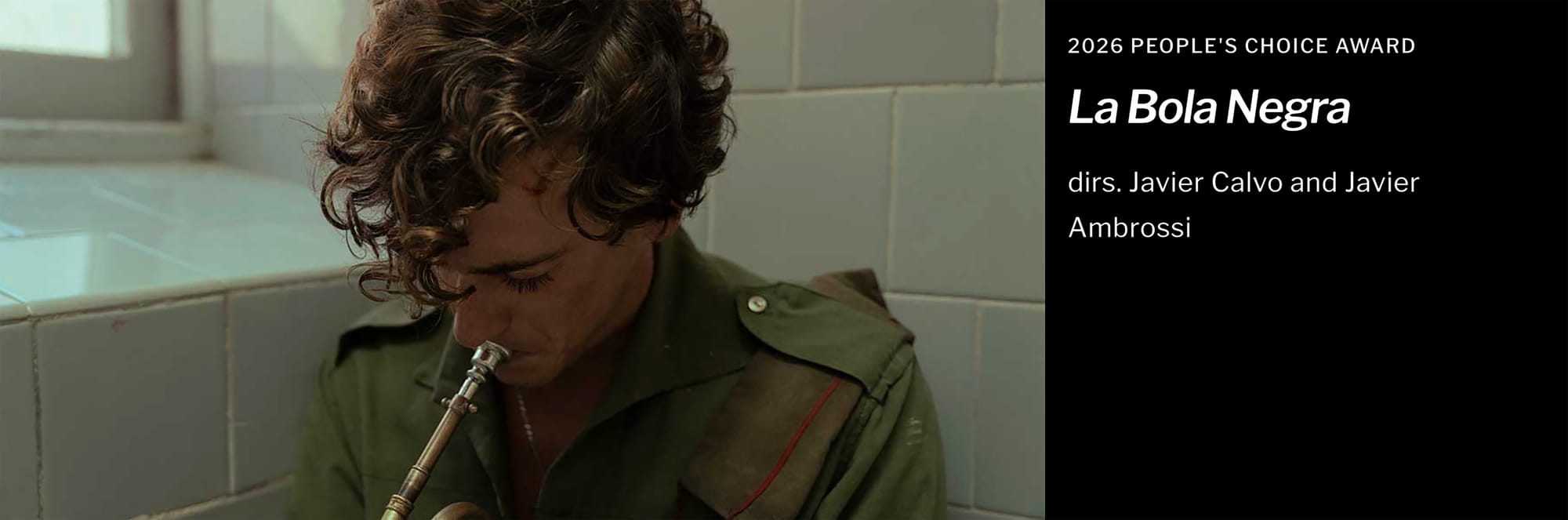
TIFF People’s Choice Award presented by Rogers
Winner: La Bola Negra, d. Javier Calvo & Javier Ambrossi | Spain, France
First Runner-up: I Play Rocky, d. Peter Farrelly | United States of America
Second Runner-up: Being Heumann, d. Siân Heder | United States of America
TIFF People’s Choice International Award presented by Rogers
Winner: Elsinore, d. Simon Stone | United Kingdom
First Runner-up: Possible Love, d. Lee Chang-dong | South Korea
Second Runner-up: The Assassin(s), d. Hur Jin-ho | South Korea
TIFF People’s Choice Midnight Madness Award presented by Rogers
Winner: Ladies and Gentlemen, Brian Mulroney, d. Matthew Rankin | Canada
First Runner-up: The Spiral, d. Paolo Strippoli | Italy, France, Belgium
Second Runner-up: Arrested Memory, d. SABU | Taiwan, Japan
TIFF People’s Choice Documentary Award presented by Rogers
Winner: Darlene Love: I Know Where I've Been, d. Barry Avrich | Canada
First Runner-up: Black Sunflowers, d. James Marcus Haney | Ukraine, United States of America
Second Runner-up: The Ultra Runner, d. Mila Aung-Thwin | Canada
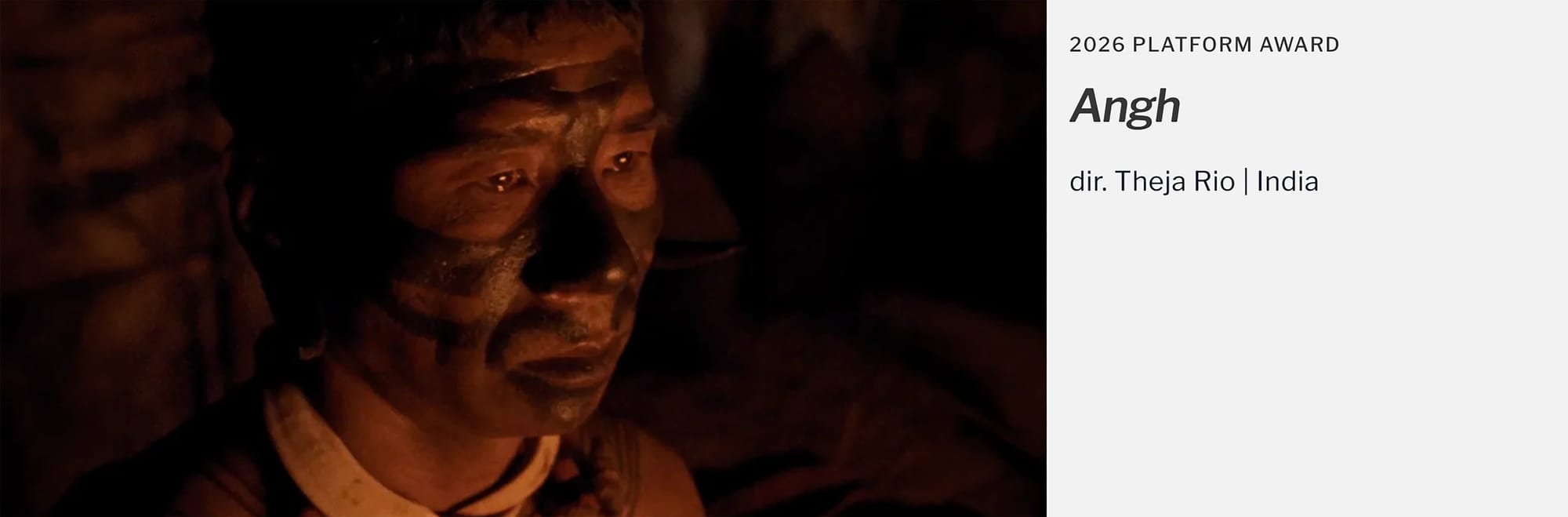
Platform Award
Winner: Angh, d. Theja Rio | India
Honourable Mention: Brace Your Heart, d. Amanda Kernell | Sweden, Norway, Denmark, Iceland, Bulgaria
Best Canadian Feature Film Award
Winner: Sunburn, d. Serville Poblete | Canada
Honourable Mention: Man in Motion: The Rick Hansen Story, d. Adrian Buitenhuis | Canada
Best Canadian Discovery Award
Winner: Smudge the Blades, d. Cody Lightning | Canada
Honourable Mention: The Black Box is Orange, d. Yuula Benivolski | Canada
Network for the Promotion of Asia Pacific Cinema (NETPAC) Award
Winner: Thirteen in Gaza, d. Hosam Abu Dan | Palestine
International Federation of Film Critics (FIPRESCI) Prize
Winner: Ancestors, d. David Turpin | Ireland, United Kingdom
Best Canadian Short Film
Winner: Fight Kid, d. Michael Del Monte | Canada
Honourable Mention: Almost Pink, d. Justine Prince | Canada
Best International Short Film
Winner: MAMMALIA, d. Elia Kalogianni | Greece, Netherlands
Honourable Mention: The Spectacular Death of Prisca, d. Kaelo Iyizoba | Nigeria
Best Animated Short Film
Winner: Into The Betaverse, d. Varun Raman & Tom Hancock | United Kingdom
Honourable Mention: Terminal, d. Alexandre Siqueira | Portugal, Spain, France
Today's schedule:
• Arne Goes to Space, d. Lars Vega | Discovery / Unhidden Gems presented by Redbreast | Sweden | Swedish
• The Hummingbird Paints Fragrant Songs, d. Èlia Gasull Balada & Matteo Norzi | TIFF Docs | Peru, United States of America, Qatar | Spanish

Brace Your Heart
Garrat Du Váimmu
PLATFORM
World Premiere | September 15 | Sweden, Norway, Denmark, Iceland, Bulgaria | Northern Sami, Swedish
_____
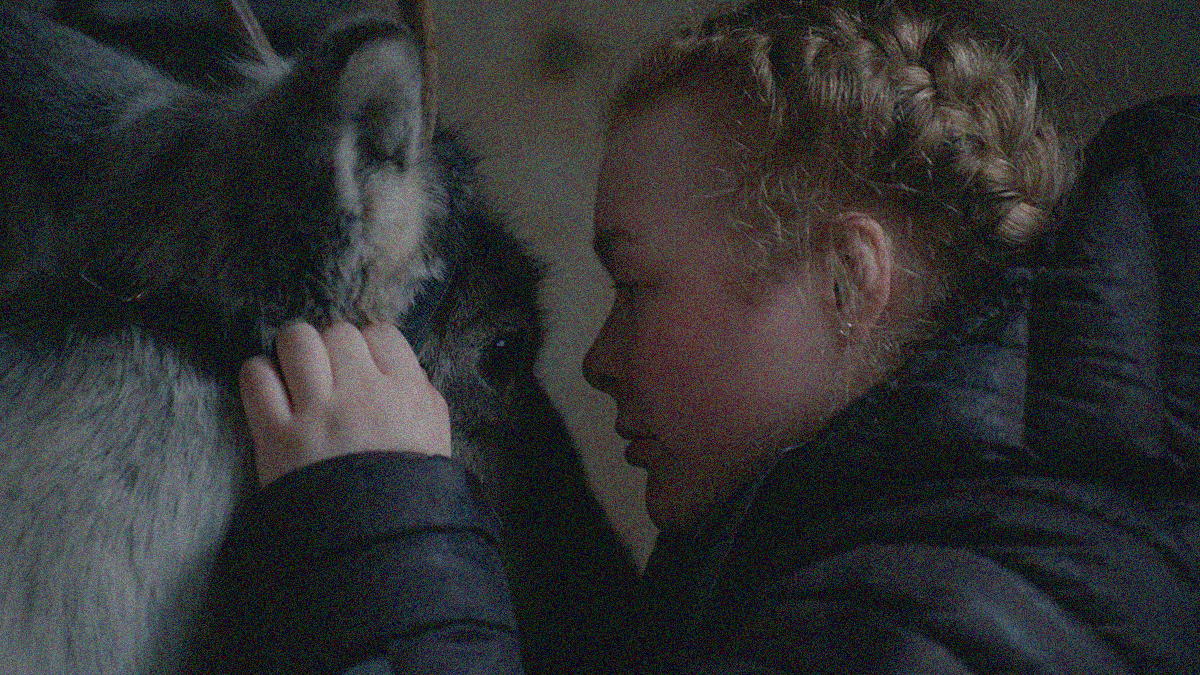
There's little time to mourn the loss of a father today when the family's reindeer herd still needs minding tomorrow. Set in the Sápmi region of Northern Europe, Ejva (Elli Sara Valkeapää) finds the weight of the world set upon her shoulders. Because it's not enough to have those animals in her care now. She must prove herself useful to the collective joining their herds together for the season. One false move and she'll have no choice but to take them to slaughter.
So, it's only natural that Ejva would want to shore up her utility straight away. She asks for a job and group leader Heaika (Andte Gaup-Juuso) gives her an important one: drive through the snow to the fence line and shut the gate before hundreds of their reindeer become lost to Norway. Ejva floors the gas pedal on her snowmobile, hits a bump, and incapacitates the vehicle. Rather than call for help, she tries to still get there in time. She fails.
This is when Amanda Kernell's Brace Your Heart pushes the character into a series of difficult choices that pit necessity against desire. The first is ensuring they don't throw her out of the group. She needs them to keep her herd safe, but they won't maintain her portion if she can't be trusted to put in her share of the work. So, Ejva takes advantage of a potential point of exploitation by satisfying Heaika's feelings for her knowing it will sway his vote.
It's a complex situation considering how small this local Sámi collective is. Everyone knows everyone's business. The moment Ejva goes off with Heaika, their relationship is cemented in the public consciousness regardless of whether it was meant to be casual rather than romantic. Her grandparents begin talking about how important of a man he is. The group stops dismissing her worth. It becomes serious business with or without her blessing.
Enter Nejla (Vincent Niia), Heaika's cousin hired to help for the winter. The two form an easy rapport—partially due to sharing a harrowing experience, but also on attraction. It's a dynamic that builds naturally into affection unlike the more utilitarian lead-up to Ejva accepting Heaika's advances. In normal circumstances, things would simply run their course. With a toxic masculine sense of ownership, however, Heaika is compelled to remind her of her place.
The result is Ejva finding herself in an even more untenable position than before. It was one thing to do what was necessary to get in the group and save the herd, but it's another to accept what's necessary to stay. Who can she talk to about what happened? Who will risk their own spot to help if they listen? The trauma and pressure take such a huge toll that Ejva adopts a physiological response in the form of a hand tremor that risks her job.
An elder sees this pain and offers two solutions. Either burn the facets of her life that the person causing this suffering impacts (family, community, career, and her feelings for Nejla) or confront the source. So, it's avoid everyone and try to start fresh elsewhere (the other viable option is a mine in Sweden) or find the courage to speak out and transfer her shame onto him. It's an impossible choice that will put the fate of her reindeer in flux either way.
A lot of Kernell and cinematographer Sophia Olsson's shots are quiet ones centering the expressions of characters across snowy fields and bonfires. The smiles Ejva and Nejla share. Heaika's glare at what he believes is making him look the fool. Ejva's silent pain as she struggles to find a way to place her own wellbeing above that of her family's expectations. It's a harsh life already. Add these abuses and it can start to feel meaningless.
Newcomer Valkeapää is wonderful in the lead role. From the sarcastic wit at the start when she's attempting to endear herself to the "boy's club" her father's death has left her to assimilate into to the struggle of juggling her duties with her needs while an entire village watches and judges without having all the facts, we cannot help but invest in the impossible choice she has been forced to make. If not for the reindeer, her Ejva might have simply disappeared.
Kernell sought to craft a love letter to the herders she knows all too well having come from a family embedded in that life for generations. But it's also a glimpse into the hardships inherent within. Some of that is the necessity to put the group above the individual, but there's also the very familiar misogyny that results when those necessities are dictated by men in positions of power. There's just as much potential tragedy on the ice as there is in the tents.
It's through this truth that she confronts the concept of forgiveness and who deserves to receive it. Can the men forgive Ejva's mistake losing so many of their reindeer? Could Ejva ever forgive Heaika for what he's done? Should she be forced to ask him to forgive her when she leaves him with her herd because of it? These questions are not equal. And some of the members of this community will weigh them wrong. So, it's imperative to let your truth guide you.
7/10
Four Seasons in Java
Empat Musim Pertiwi
CENTREPIECE
World Premiere | September 13 | Indonesia, France, Netherlands, Norway, Poland, Saudi Arabia, Singapore | Indonesian, Javanese
_____
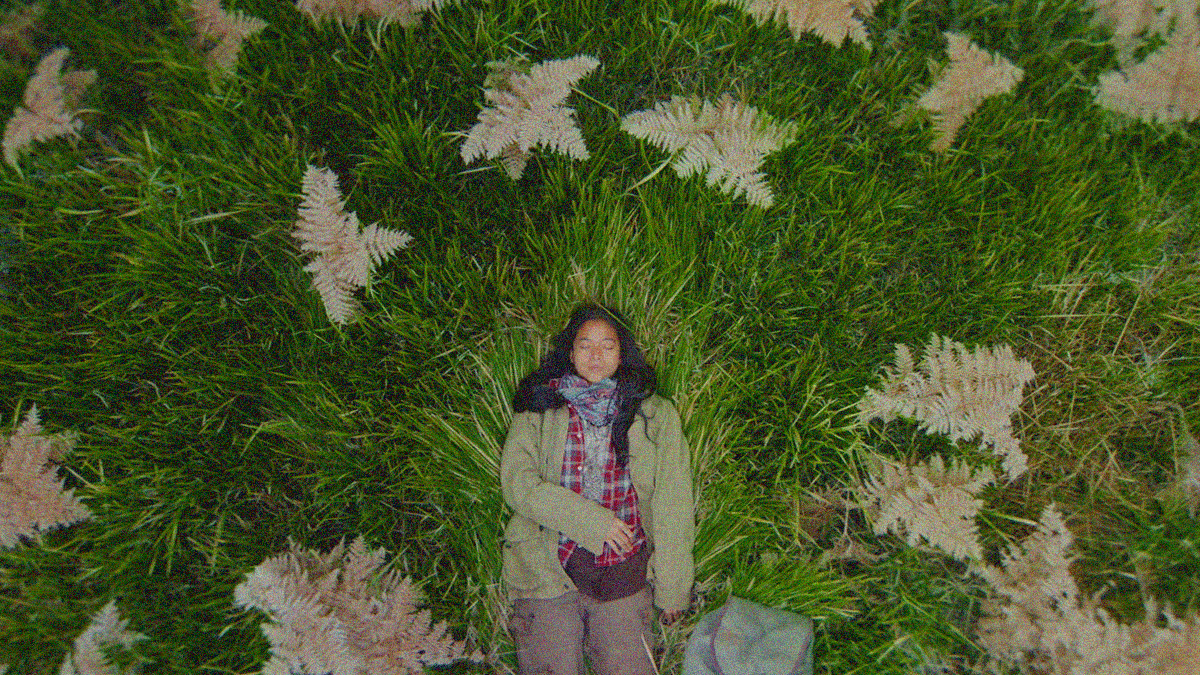
Twenty years after being taken to jail for the murder of a fellow teen, Pertiwi (Putri Marino) returns to her home village at Mount Bromo in Java. Despite all her futile attempts to declare the crime self-defense, she carries the sort of infamy that gets neighbors talking straight away. Because the people here fear what she represents—as much a symbol of violence as one of resistance to a status quo they've embraced at a heavy moral cost.
Those who loved her before her incarceration welcome Tiwi with open arms. Her ex-prostitute, diner-owning friend Mak Ira (Christine Hakim). Her ex-boyfriend Bisma (Arya Saloka). And an old friend (Dwika Pradnyana's Kuntet) who she must release from his own captivity after the villagers sought to remove him from their midst for many of the same reasons they did her. These are the dreamers. The bold purveyors of life those in power abhor.
So, it's not difficult to tell who was involved in the actions that led to Tiwi's crime and who ensured her imprisonment. We see the uneasiness in her father's (Iswadi Pratama) eyes. It's there in the pause village head Fajar (Totos Rasiti) takes whenever entering a room with her in it too. Why? Because they know what they did. Whether the former's shame or the latter's concern for everything he built being torn down, Tiwi is a mirror onto their own sins.
Writer/director Kamila Andini intentionally introduces her characters without the full context of what happened. She wants us to feel their differing emotions as well as those Tiwi endures from being in their proximity again after so much time. Who are her allies? Who means her harm? Who might be suffering from the same trauma she'll never escape? It's no coincidence that the beast Tiwi sees in the dark also looms above young Raras' (Hanna Aretha O. Ginting) head.
The magical realism of this creature feeds into the narrative style that renders Four Seasons in Java so uniquely engaging as Pertiwi seeks to re-embed herself in a community that worries her presence will ruin the prosperity they've enjoyed since Mr. Sapto (Doni Kus Indarto) arrived with his electricity plant. Whether they inherently know his arrival was a key component to her fate or that they simply cannot look beyond their own comfortability is for you to decide.
Who knows what the likes of Sapto and Fajar are telling people? Their hands are so intertwined with the community that only willful ignorance could stop you from seeing the political connections in play. Who is up for co-op leader? Tiwi's father. Who is set to take over as village leader after Fajar? His nephew Jonet (Nagra Pakusadewo). If it's not about keeping someone happy and quiet, it's about leveraging secrets to coerce compliance.
What none of them have figured out (or, perhaps, it's exactly why they are so scared) is that Tiwi is even more formidable now than before. She's had two decades to look over what transpired and expose the ways in which she was exploited, betrayed, and set-up. Their tactics won't fly anymore. She will look to protect those she loves and those who need her help in ways that make her enemies even more desperate to secure their own damnation.
As this present drama triggers Tiwi's suffering, Andini sprinkles in memories of the past via a sci-fi resonance wherein radios and TVs littering the basement space she's renting light up to feed the sounds and images she repressed. The details are shared with expert precision to enhance the moment without simply giving us everything at once. It's one character at time. One injustice and its full weight of importance before the next.
It's an inventive device that works perfectly with the other fantastical aspects that arise. The trauma monster. A ghost of blinding light. The magical shaman incantations protected by Raras' increasingly emboldened mother (Maryam Supraba) after discovering what happened to her child. Talk of a UFO sighting and the prospect of technology opening the door for prosperity no matter how readily those in power sold their souls to achieve it.
The film's rural setting allows for myriad points of comparison and contrast between tradition and modernity. Unlike so many American stories these days showing how those who seek the former hope to use it to augment their oppressive ways, however, Andini's Indonesian metaphor desires a return to when people cared about each other. A time where God punished evil rather than looked the other way as trust was irrevocably corrupted.
Pertiwi journey is all about this idea. To learn to trust the reality of what occurred despite what the world constructed. To open the eyes of others to the reality that they've placed their trust in the wrong people. And to do for Raras what no one did for her—providing someone she can trust to fight for her regardless of the danger that might result. She's building a community of marginalized allies willing to stand against those preying upon them.
How that manifests in the end might surprise you as one woman's vengeance expands into a communal catharsis that boldly supplies a hope for escape from the chains of greed and shame of poverty via an unlikely source. I don't think Andini could have ended things any better. Between the introduction of Tiwi's prison friends (and a punk rock scream) and the full reveal of that fateful night, everything is unearthed for a final confrontation.
Give a lot of credit to Andini for having the courage to tell this story this way, but also to Marino for imbuing Pertiwi with a perfect mix of indifference towards her own future and impassioned investment in that of those she loves. She's not lying when she says she died that day and nothing they do will scare her. Their sweaty palms and impulsive rage show they believe it too. That their fear has turned to terror because she's no longer alone.
8/10
Thirteen in Gaza
غزة 13
CENTREPIECE | TIFF NEXT WAVE SELECTS
World Premiere | September 15 | Palestine | Arabic
_____
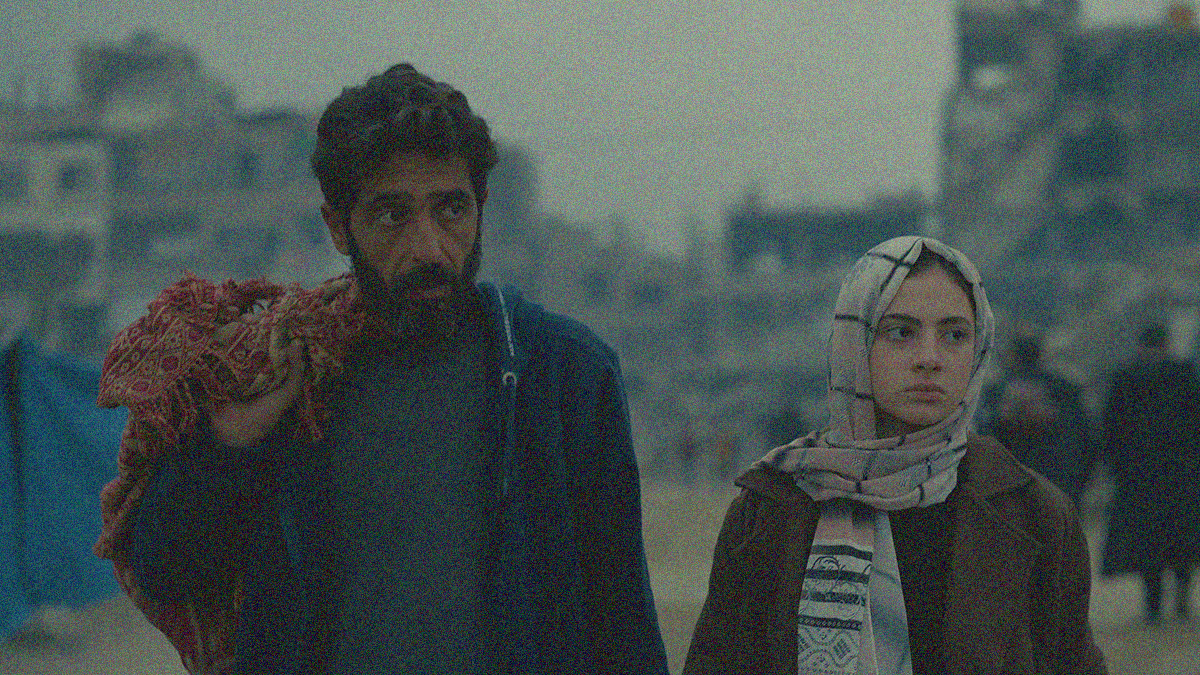
Abu Raghad (Feras Al-Masri) and his thirteen-year-old daughter Raghad (Mary Ziyara) have just arrived at a Gazan displacement camp after being discharged from the hospital. Their home was destroyed in a blast killing the girl's mother and siblings, leaving them alone and struggling to survive. With no work or income to stay afloat, something as simple as a water jug becomes irreplaceable. So, when Raghad gets her first period, everything changes.
This new development risks devolving into a financial burden considering how scarce resources like cotton have become. It threatens turning into a cultural topic for gossip since Raghad has yet to start covering her hair with a veil. And it has the tragic potential of transforming the girl into a commodity herself since living in a war-torn place such as Gaza causes people to ignore "numbers." Black market merchant Khalil (Ghassan Salem) is one such man.
Director Hosam Abu Dan (with his fictional narrative debut) and writer Khalil al Mozian use this familiar coming-of-age milestone as their way to depict the Hell Israel has turned the Gaza Strip into. This one event ripples throughout the camp to expose just how far some have fallen. For every kind soul like a mother (Abeer Ahmed) offering to be Raghad's "big sister," there are more cynical profiteers like Abu Suhail's (Nawaf Abu Amra) merchant.
Charity doesn't exist for the latter. Not in practice anyway. Not without an angle. It's the same with Khalil considering he takes a call from an Israeli contact to figure out which aid truck to ambush and sell himself while answering a question during an interview about how he's doing all he can to help stave off starvation. This is his opportunity to make money. A gangster exploiting his own people in ways that lead directly to their deaths. All for a taste of power.
That entitlement drives much of the drama within Thirteen in Gaza since Khalil knows the right buttons to push to get what he wants. He'll pay off Abu Raghad's tab under the guise of being old friends. He'll offer a job that pays well as long as he's willing to assist in Palestine's destruction. He presents a façade of altruism to plant the seed that he can be trusted to look after his daughter if anything happens to him. So, why not just give him her hand in marriage now?
Parallel events therefore unfold in tandem as Raghad is forced to adjust to the fact that her circumstances have rendered menstruation into an instantaneous switch flip to womanhood while her father confronts what that means as her protector. The former is pretty straightforward (minus the setting) with women whispering behind her back. The latter proves a bit more complicated since "protection" takes on many different definitions.
Who must he protect her from? The obvious answer is the Khalils of this world, yet here he is telling Abu Raghad that he's the answer. Is he protecting her from societal bigotry? If so, you must wonder whether gossip being a priority means he's really trying to protect himself. Because his daughter is a good kid. She deserves a sympathetic ear to help her through this experience rather than a cold, authoritarian set of rules without ever acknowledging the cause.
You don't often think of how genocide affects everyday issues intrinsic to being alive. We see so much violence coming out of Gaza that we risk becoming inured to dismembered bodies, but what of things like an absence of privacy, education, and decorum? Raghad waiting in long lines for a single bathroom that people bang on to hurry her up. Men holding basic human necessities hostage for an arbitrary price. A father turning his daughter's puberty into a burden.
Don't presume this focused lens upon the horrors Palestinians inflict on each other as a result of Israel's actions absolves the latter, though. Dan lives and works in the Gaza Strip, and this film was made there amidst the constant bombardments, food scarcity, and water shortages. So, the explosions seen and heard in the distance aren't pyrotechnics. He doesn't need a score to tell us how to feel. The sounds of war in real-time is enough.
It's therefore easy to look past any perceived limitations from the performances since the use of a local cast and crew is purposefully centering experience above craft. The claustrophobia and shame. The anguish and greed. The constant uncertainty about whether to show mercy or retreat further into distrust. This is a world where kindness can be misconstrued as weakness just as easily as it can mask ill intent. The Raghads are sheep being led to slaughter.
It proves quite harrowing as a result with a single kindness being enough to make a miser uproot his family so his daughter doesn't dare cut into his profit margins again. We watch Raghad playing a kid's game with friends one second before being told a man her father's age is proposing the next. War throws life's timeline into overdrive because no one knows if they'll survive until tomorrow. It turns innocence into a luxury even the rich cannot afford.
7/10

Pulled from the archives at cinematicfbombs.com.
The Lady in the Van screened on September 12, 2015 at TIFF.