Week Ending 11/27/26
10-1

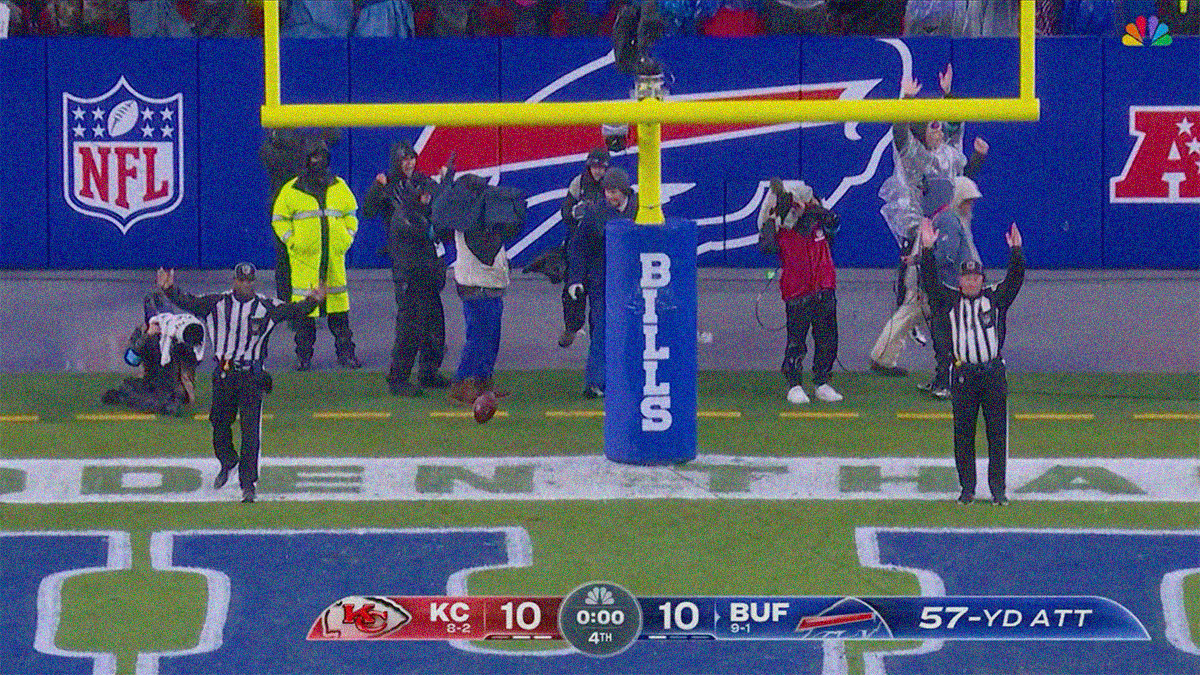
It's Thanksgiving. The rain is pouring down. And the Bills won. That's all I got.

What I Watched
The Death of Robin Hood
STREAMING ON HBO MAX
_____
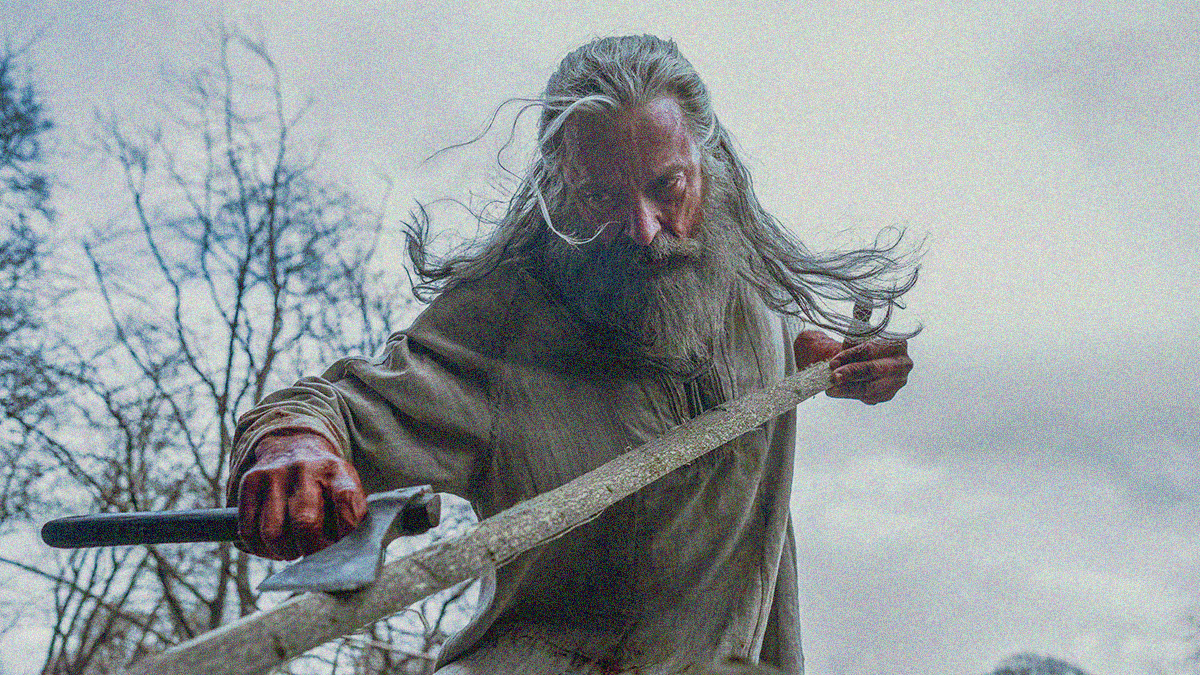
What if the Robin Hood of legend was a lie perpetuated by an outlaw? It's a fantastic subversion on our expectation that the one constant spanning every iteration of this character is his altruistic heroism. Rather than steal that fact, writer/director Michael Sarnoski seeks to recontextualize it. Because the people who hail this man as their champion do so with the utmost earnestness. They'd never believe otherwise because they don't know the truth.
Robin (Hugh Jackman) does, though. So too do the children and grandchildren of everyone he's killed. As such, even if he wanted to change his ways and atone for his sins in later years, he can't. Because countless faces will arrive at his doorstep to wreak their vengeance either way. The real tragedy then is that he'd welcome that demise. Robin would give anything if one of them was skilled enough to do it without forcing him to impulsively fight back.
It's probably the reason he agrees to accompany his old friend Little John (Bill Skarsgård) on a quest for vengeance himself. Yes, he's tired. Yes, he wishes to simply die in the cold of a desolate mountain. But his brother promises a war in pursuit of saving his family from kidnappers. He promises the bloodshed Robin sought so fervently in the past. Who knows? Maybe he can help save John's wife and take his final breath in the process.
While The Death of Robin Hood is bathed in crimson throughout this first act, however, its violence is an intentional vision of the past that the next two will attempt to wash away. Because John won't let him die. Not yet. Neither will Sister Brigid (Jodie Comer) on the island of convalescence to which he brings him. More than just heal his wounds, she'd like to heal his soul with purpose and community. By setting the table for the redemption he rejects.
What follows is meticulously plotted in a way that exposes its strings without undermining the emotional resonance of those connections. A young girl in need of his protection (Faith Delaney's Margaret) and the young man she may or may not need saving from (Noah Jupe's Arthur) both find themselves crossing his path again to set the stage for a choice. Act as he would have in that previous life or use that experience to stop others from suffering his fate.
Even with that choice, however, Sarnoski refuses to embrace the happily ever after when melancholic realism proves the more potent punch. He leans into the trauma of a hardened world whose vocabulary has expunged the concept of forgiveness. The difficulty of Margaret knowing who to trust when her short life has been full of pain. The naïveté of Sister Brigid giving herself to the mercy of others by trusting too easily. And God's unique sense of humor.
Add Murray Bartlett's Leper as a sort of kindred spirit able to bridge the gap between the horrors Robin lived and the potential of this sanctuary and there's as much chance that the latter's cynicism drives him to leave in the night as his desire to quell the demons pushes him to accept this second chance. That the film selects a path in the middle is therefore fitting because it allows him to acknowledge everything and still hold to his original plan.
While the result might be the same, the reasons aren't. Rather than lift the weight from his heart, he decides to stop trying to push it down and simply let it do its job without the extra struggle. It bides him time to realize that saying the stories of Robin Hood aren't true is just as manipulative as hiding behind them. What he should be doing is using the truth as lessons to learn from. To give those around him the chance to find the peace he cannot.
Jackman is fantastic in the lead role. It's very much in his wheelhouse after doing the whole "Old Man Logan" thing because he has that innate ability to expose a haunted torment through his eyes while delivering a menacing scowl. That mix of softness and gruffness is perfect when interacting with a child in Margaret and a simple, big-hearted behemoth like John (Skarsgård is really good too). His Robin can change. He won't because he doesn't deserve it.
That's his version of his story. The others have theirs. My favorite part of the whole is Sarnoski weaving in examples of how truth is so fluid that we often don't realize when it's gotten away from us. John's confusion when told he'd replaced reality with fantasy in his memory. Brigid choosing to accept the pain she suffered as the price for helping ease the pain of others now. We all tell stories—especially to ourselves. To forget. To remember. To survive.
8/10
Digger
VOD/DIGITAL HD
_____
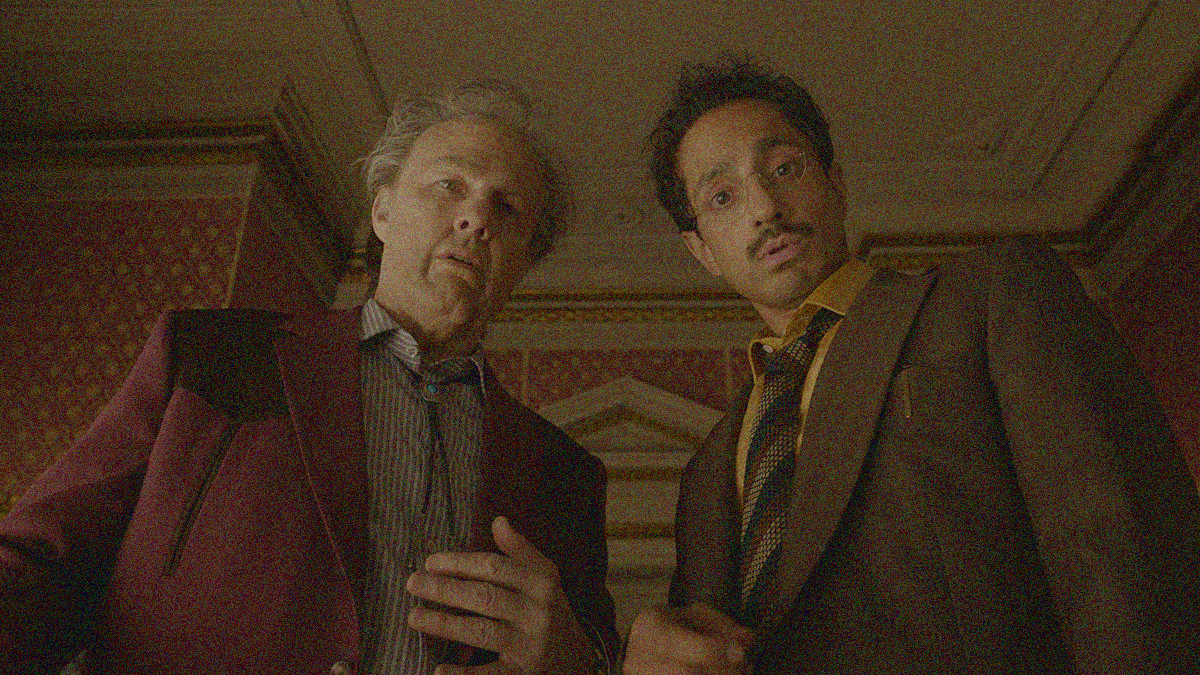
The first thing that came to mind while watching Alejandro González Iñárritu's Digger was Birdman—especially after that first reveal. Sure, it wasn't going for the faux one-shot, but the backstage vibe and ego clashes were definitely a point of déjà vu. The second thing was Don't Look Up and how much better Iñárritu and his co-writers understood the tightrope that is satire. It really made me wonder why everyone loved that and not this.
My presumption was that it's just a product of whatever happened to turn the entire critical sphere against Iñárritu. Like his winning an Oscar suddenly made his films passé. That's not entirely true, though, considering I heard a lot of people hating on Birdman at TIFF months before its victory. It's also not true that people loved Don't Look Up. It actually doesn't have that much higher of a critical consensus than Digger does now. See, perception isn't reality.
That's the crux to this entire enterprise whether it's the catastrophe unfolding under Digger Rockwell's (Tom Cruise) nose, the way he has chosen to spin it once President Compson (John Goodman) looks to throw him to the wolves, or that what we're seeing isn't quite what it seems ... and even less the further along we get. It's about the contradictory nature of verbiage, intent, memory, and survival. Can a man like Digger simultaneously be relatable and contemptible?
Of course. The bigger question is whether he embraces that contradiction with purpose to exploit the masses or if it's an involuntary response to actions that both enrich the one-percenters and decimate everyone else. It's why he must also be the one person on-screen who doesn't lose his head. Goodman's "Trump" and Michael Stuhlbarg's "Vance in Pence hair" get to be full-on caricatures to laugh at. Digger must be reviled. He's the Bond villain. They're the stooges.
Everything about the film is embellished with reason insofar as the comedic desire to talk about horrific things and the use of theatricality to do so. The device in use (I won't spoil it here) allows for the detachment that Adam McKay never found with Don't Look Up. He thought he was mocking what could happen (nuclear holocaust) yet was really just showing what did happen (COVID). Iñárritu is too, but he's also commenting on it inside the film.
That's why it works for me. It's probably why it doesn't work for many others. I'm not sure how effective the missing daughter thread is beyond it furthering the intrigue around the enigmatic Kenny (Jesse Plemons), but I get it because this whole endeavor is about waking up to change course for our children before it's too late. That no one should be concerned about the oil rigs if just one person dies let alone hundreds or thousands or millions.
It's the empathy of that missing daughter subplot that proves to be the linchpin contrasting with the absurdity of everything else—whether the accurate yet farcical joke about Compson and his followers believing he is God or the scared-of-being-fired-for-too-long Ganesh (Riz Ahmed) trying to fix things from the inside only to become part of the problem. It's the difference between thinking about yourself or your loved ones. The present or the future.
Maybe the narrative isn't as airtight as you'd like, but I think it does the job well thanks to a sprawling and game cast. (Special mention to Burn Gorman's one line "But I'm not an extra!" getting ignored.) And the production design is stunning with amazing segues that take us through the artifice in inventive and surprising ways. I just want to know how long the in-film play is because the time to change sets would be longer than the scenes themselves.
At the center of it all is Tom Cruise. It's a tour de force performance that you cannot fully comprehend until watching the film due to the ways in which the marketing has rightfully shrouded what's actually going on. It's a masterclass on portraying the art of compartmentalization both as an oil tycoon figuring out ways to manipulate a narrative and as a man in crisis desperately trying to do his job amidst potential tragedy. Give the hair stylists their Oscars.
Yes, women are in Digger too (see Sandra Hüller, Emma D'Arcy, Sophie Wilde, and Mercedes Hernández), but I think a joke delivered by Compson is as much about the film industry as politics since the characters those four play are mostly on-screen to be used by the men. I'd say it's an intentional bit of meta satire to go with the rest, but maybe that's giving the filmmakers too much benefit of the doubt. It's thematically relevant, nonetheless.
8/10
The Holy Boy
La valle dei sorrisi

STREAMING ON SHUDDER
_____
It's one thing to make a film about how religion is like a drug, but it's another to do it in a way where partaking in its high actually pulls you further away from God. Paolo Strippoli (alongside his fellow screenwriters Jacopo Del Giudice and Milo Tissone) takes the phrase "God has a plan" to its extreme courtesy of a town mired in the dark cloud of a horrific tragedy that yearns to be numbed from the pain. But if God orchestrated that pain, does relief become a sin?
With a mix of commentary on piety's hypocrisy, the heavy cost those benefiting from utilitarianism are willing to let someone else pay, and some effectively applied tropes borrowing from the aesthetic of possession, body swapping, and zombie hordes, The Holy Boy proves as captivating a drama about grief as it is a horror about hubris. How an outsider in need of what Remis offers still holds the objectivity to understand how twisted its utopia truly is.
There's also a lot about the relationships parents and children (especially fathers and sons) share within the confines of toxic masculinity. That entitled notion of ownership and sacrifice wherein one should destroy their identity to fit in with the herd—a self-fulfilling prophecy since one cannot stop the cycle without first standing against it. But also, the willingness to oppress under the guise of duty by weaponizing faith into a blanket excuse for doing evil things.
Between the cause of Sergio's (Michele Riondino) pain that leads Michela (Romana Maggiora Vergano) to bring him into the inner circle of this insular town's potential for "healing" and his parrot Oslo serving as a metaphor for Remis' savior via the act of projecting an external desire onto a prisoner devoid of choice, it's no surprise that fifteen-year-old Matteo (Giulio Feltri) would take to this stranger's injection of independence.
Matteo wants to be a kid. He wants to pursue his lust and get in trouble. He wants to have the room to think for himself and not always be beholden to a schedule that's turned him into the residents' slave. What would simply be a coming-of-age tale of rebellion, however, takes on deeper meaning with a harsh separation of good versus evil. So, when put in full context, we realize the difference between angels and monsters is rarely up to the subject.
The things Matteo can do are amazing. And, like with everything supernatural where powers are concerned (see the X-Men), their function can prove just as dangerous as they can beneficial. It's therefore those who declared him a God that ultimately make him a monster. Not just by lobbing the label at him when they find themselves victims rather than beneficiaries, but by forcing him into a corner. The line between "acting out" and "standing tall" is razor thin.
It's why Sergio's backstory is so important. Strippoli isn't merely using the fantastic to shed light on the every day. He's showing how our inherent need to control and homogenize our youth puts them into their own figurative prisons that can only be torn down with extreme displays of aggression. We shouldn't need to experience a nightmare to finally recognize the hate of our own actions. We should recognize that the term "greater good" is intrinsically exclusionary.
That's not to say all religion is a cult ... but, yeah, it kind of is. Because faith is a slippery slope. It's an invaluable tool to overcome great hardship, but it also has a way of corrupting one's empathy when a so-called miracle turns belief into "fact." Suddenly this medication easing your pain starts to numb your senses. You become helpless to its relief and point fingers at the heretics trying to ween you off. Overdose doesn't kill you, though. It leads you to murder them.
This last bit is why I'm torn on The Holy Boy's ending. While the final scene really leaves things on a bittersweet note of just how powerful that drug can be, I do wonder if cutting to black on the previous scene's dark price of doing business might have been better. But maybe that's just me chasing a cinematic drug of similar potency. I wanted to walk away at the crescendo even if what comes out of its wake is just as good.
7/10
The Uprising
STREAMING ON PEACOCK
_____
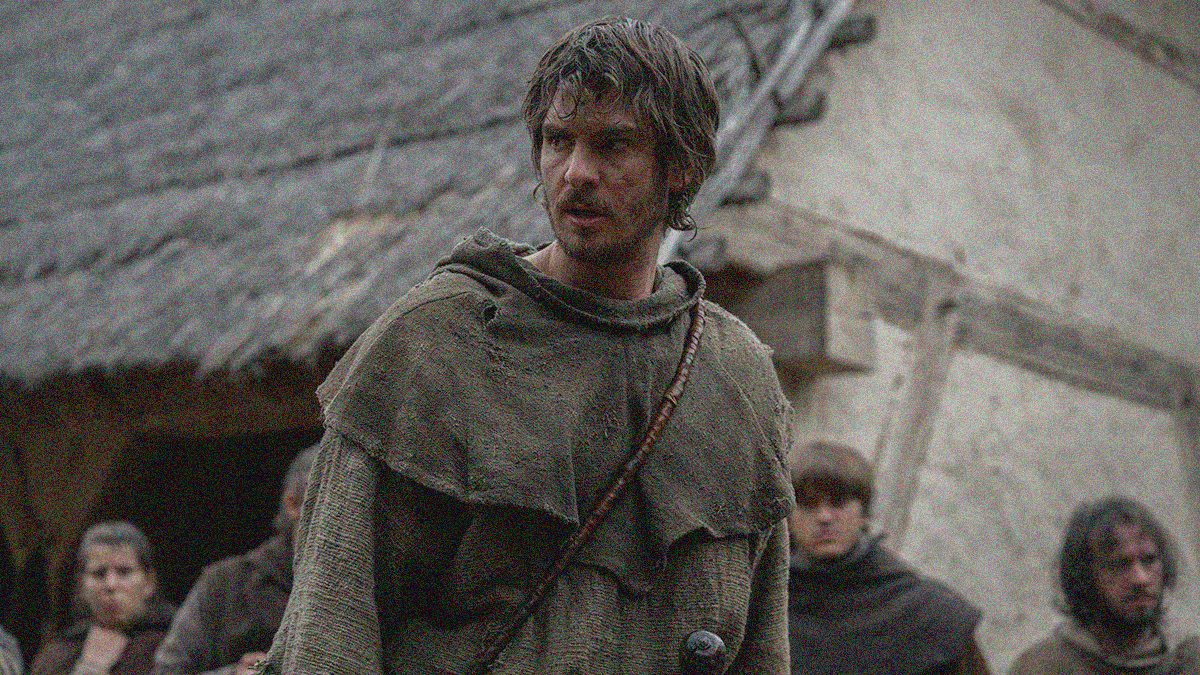
Oh, America. We can't leave well enough alone. The UK marketing push for Paul Greengrass's The Uprising was sold as an historical epic about the Peasants' Revolt of 1381 with real-life figures John Ball (Jamie Bell) and Wat Tyler (Cosmo Jarvis) leading villagers towards London alongside the farmer who ignited it all (Andrew Garfield, known only as Ploughman) to petition King Richard II (Woody Norman) for their freedom from serfdom.
So, why did Focus Features suddenly release a new round of ads two weeks before its US release (itself a month earlier than the UK) with talk of Robin Hood? Had Greengrass made a covert new entry into the Robin of Loxley lore? Was the box office tracking so poorly that Focus decided it needed to do something to garner more attention? What seemed like a tale ripped from the history books was now a potential mythological fabrication.
Well, the reality is somewhere in the middle. While The Uprising is about the Peasants' Revolt, Greengrass appears to have simply taken his fictional protagonist to a logical end that makes him into a Robin Hood-esque outlaw without ever saying that name (as if a green hood and talk of living freely in the forest doesn't). The UK chose to advertise the first two hours of the film. The US chose to highlight the final eight minutes.
Don't therefore care about the Robin Hood stuff at all (a character whose origins are attributed to around that time via William Langland's Piers Plowman). It's inconsequential to the film. Garfield's Ploughman is merely the lead because having a "nobody" swept up into the battle with proximity to all the key players allowed Greengrass to better create emotional notes around the facts rather than through them. He's a common man with humble goals.
Ploughman becomes a sort of voice of reason to counter Ball and Tyler's loftier desire for vengeance and Richard II's greedy counsel enriching themselves at the detriment of the country (led by Tom Hollander, Stephen Dillane, and Stanley Townsend). He's the sane yet tortured epitome of a tired populace the king's mother (Katherine Waterston) hopes will teach her son benevolence. The old guard gets its comeuppance and a new era begins.
Well, anyone who knows what happened knows that's not how this went. So, what could have been a stuffy dramatization mired in nihilism considering the fates of the known commodities on-screen now becomes the education that we would be good to learn even today as oppressive faux monarchies rise around the world. That the people have the power and knowing it means they shouldn't play by their oppressors' rules any longer.
Because that's the real damning commentary. Seeing these men and women so desperate to be free from the chains of lords and yet so pious to believe the king has their best interests at heart. That's the fallacy of theocracies, divine right, and ethnostates—this idea that "God" steers our leaders to righteousness when they're actually just using "God" to exploit you in his name. You must break free of that impulsive obedience before truly ruling yourself.
It's a decent movie insofar as exposing this contradiction and delivering a rousing large-scale epic with tons of extras and chaotic battle scenes. Greengrass has always been a purveyor of spectacle and action and he doesn't disappoint. The cast is great (rounded out by Thomasin McKenzie and an unrecognizable Jonny Lee Miller due to some amazing chin acting), the emotional beats land, and we hope that fourteen-year-old twerp never sleeps again.
7/10
Posters of Note
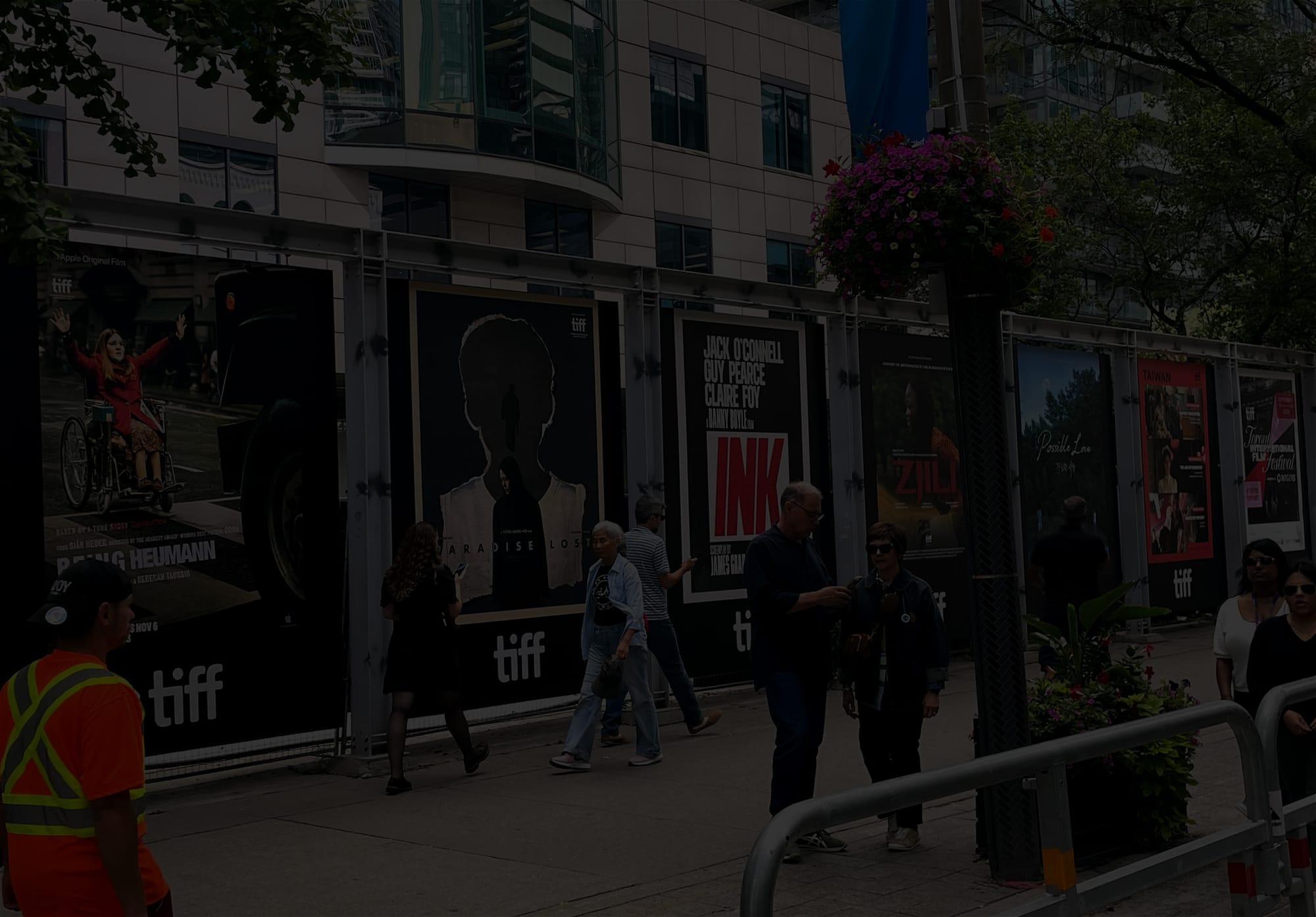
My weekly roundup of posters that caught my eye on the Instagram feed. Compiled on Blusky via #postersofnote.



Cinematic F-Bombs
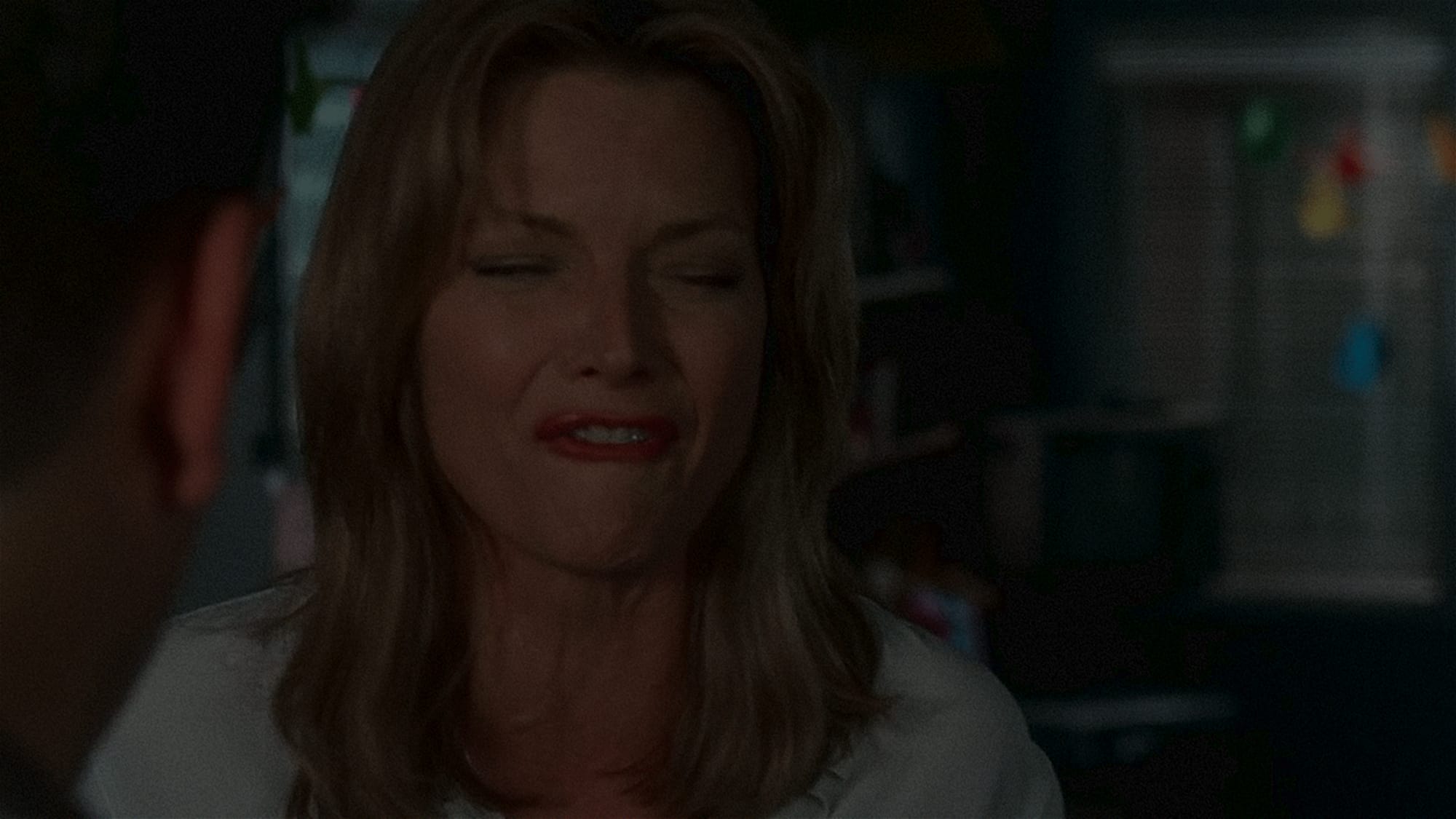
This week saw Get on Up (2014) added to the archive (cinematicfbombs.com).
Jamell Richardson dropping an f-bomb in GET ON UP.

Movie Listings
Opening Buffalo-area theaters 11/27/26 -
• Cosmic Samson at Regal Elmwood
• Gunmaaster G9 at Regal Elmwood
• Hadoota at Regal Elmwood
• OM Chapter 1: Udhiram - The Blood Wood at Regal Elmwood
• Yeh Prem Mol Liya at Regal Elmwood
Streaming from 11/27/26 -
• The Child (Netflix) – 11/27
• Couture (Hulu) – 11/27
"Couture is very much an actors’ film as a result. It probably won’t work for everyone as a whole, but the pieces are worth a look just the same." – Full thoughts at HHYS.
• The Holy Boy (Shudder) – 11/27
Thoughts are above.
• The Hunchback, Soul of Paris (Netflix) – 11/27
• Maddie's Secret (Netflix) – 11/27
• The Magic Faraway Tree (HBO Max) – 11/27
• Runner (Hulu) – 11/27
• Mutiny (Starz) – 12/1
• Seized (HBO Max) – 12/1
• Unzipped (Criterion Channel) – 12/1
• In a Holidaze (Netflix) – 12/2
• La Bola Negra (Netflix) – 12/2
• The Man with the Bag (Prime) – 12/2
• By Any Means (Paramount+) – 12/3
Now on VOD/Digital HD -
• The North (11/23)
• Breeder (11/24)
• California Schemin' (11/24)
"Ross has the meatier role. It's a tragic roller coaster of emotions. That said, however, don't sleep on Bottomley's performance. Sometimes clarity makes things even worse because he's forced to helplessly watch it all burn." – Full thoughts at HHYS.
• The Cycle (11/24)
• Fjord (11/24)
• The Florist (11/24)
• The Samurai and the Prisoner (11/24)
"The beauty of The Samurai and the Prisoner is how many layers of deception there are. Even when you figure one out, it’s a red herring shrouding another in shadow." – Full thoughts at HHYS.
• The Social Reckoning (11/24)
• Trauma or, Monsters All (11/24)
• Wicker (11/24)
"Add a remarkable cast carried by Colman and Debicki and the sort of awe-inspiring practical effects we’ve come to expect from Weta and Wicker is truly firing on all cylinders to entertain and edify in equal measure." – Full thoughts at HHYS.
• You Can See Everything (11/24)
• Who Killed Alex Odeh? (11/27)

Press Kit Archive
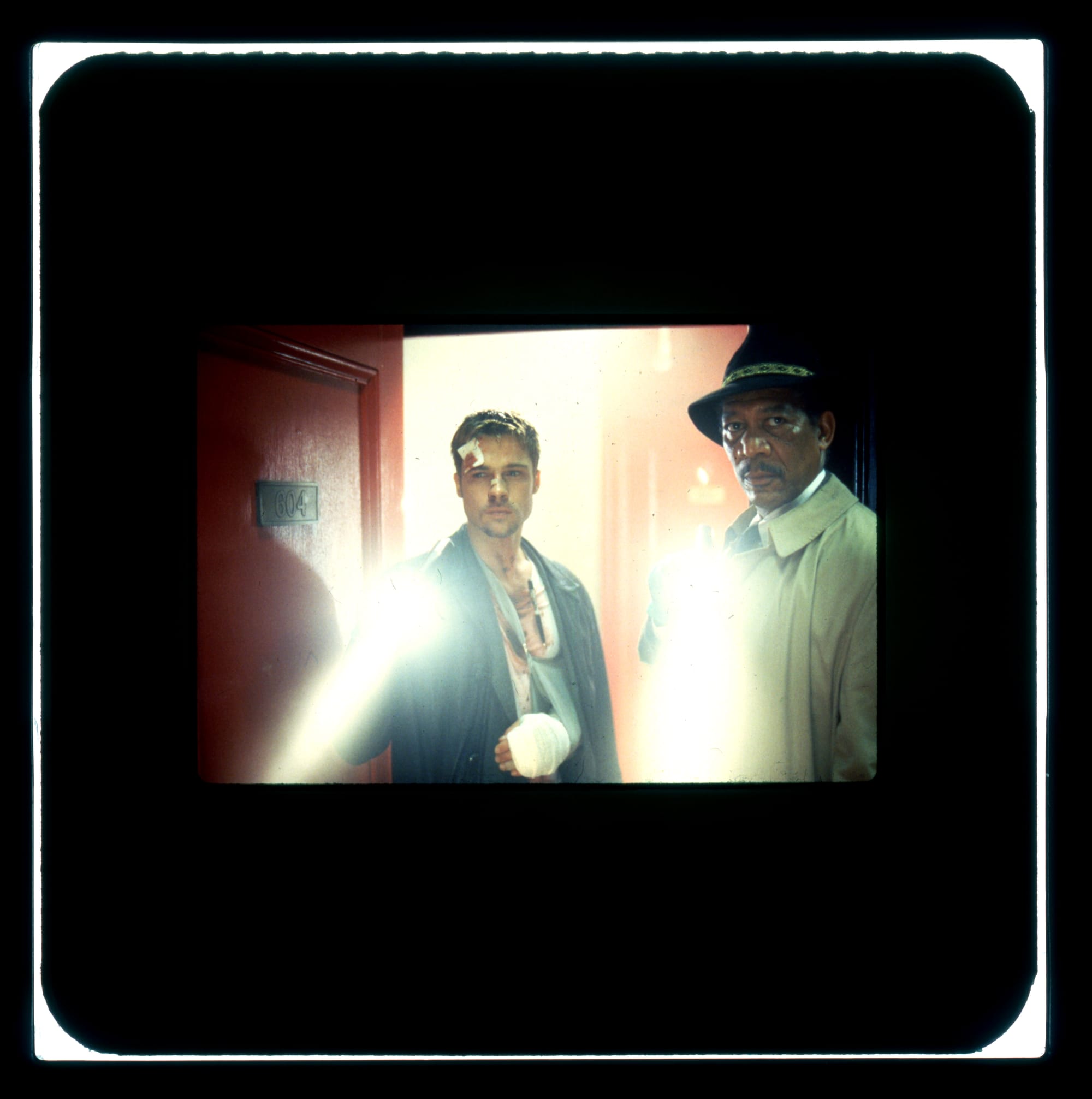
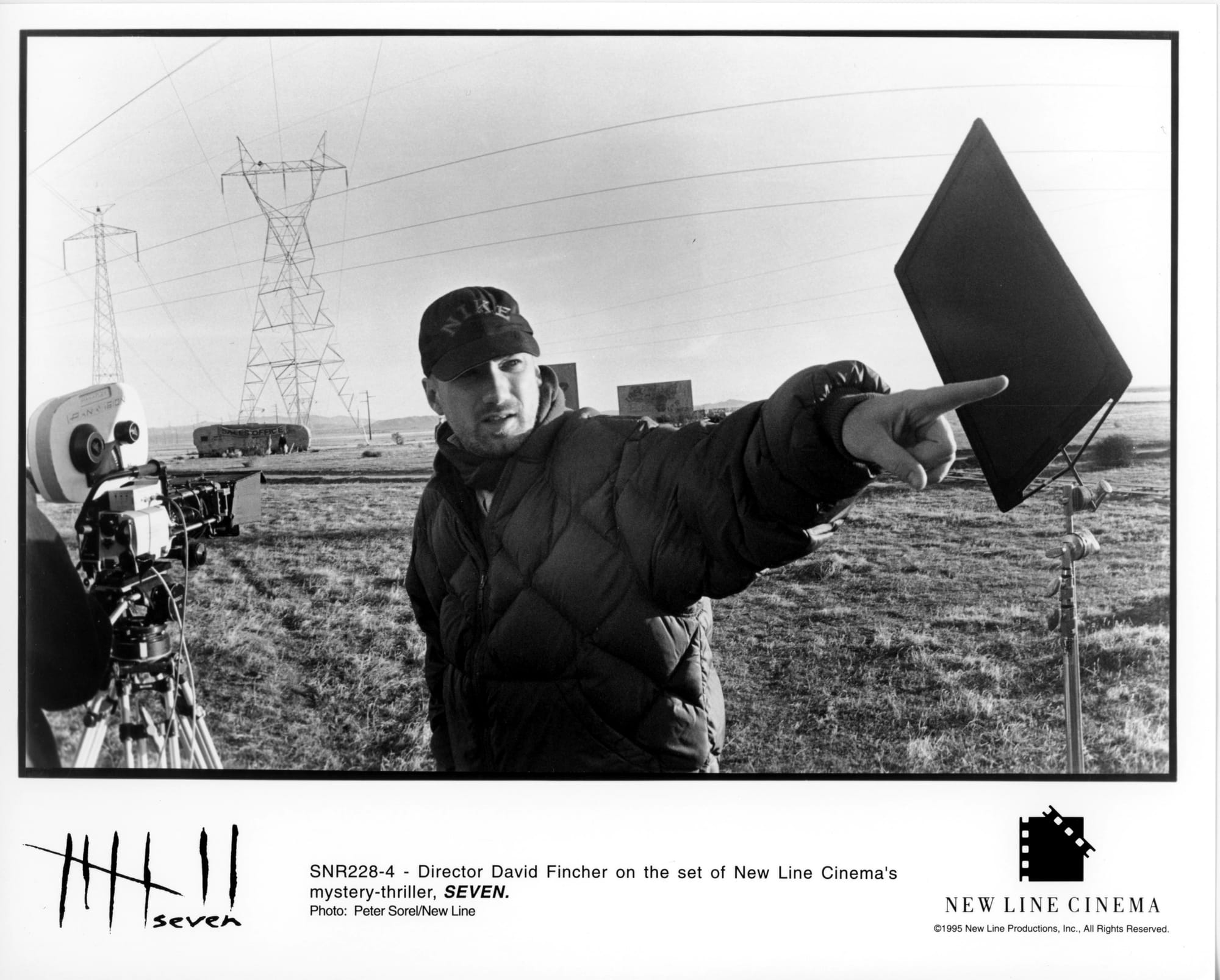
Pieces from the Seven (1995) press kit.