Week Ending 8/14/26
Cinematic references in Columbus


We spent the past weekend in Columbus, OH visiting friends and it ended up being way too hot to spend as much time as we did outside. We braved the heat anyway to check out the amusement park-sized Columbus Zoo, the Columbus Museum of Art, the Deaf School Park Topiary Garden, Schmidt's Sausage Haus, Schiller Park, The Book Loft, and more.
It seemed as though movie references were everywhere we looked. Some intentional. Some not. Sure, the zoo contains hundreds when you consider all its animals and the myriad titles they might bring to mind, but here are the three instances that stuck out the most to me.
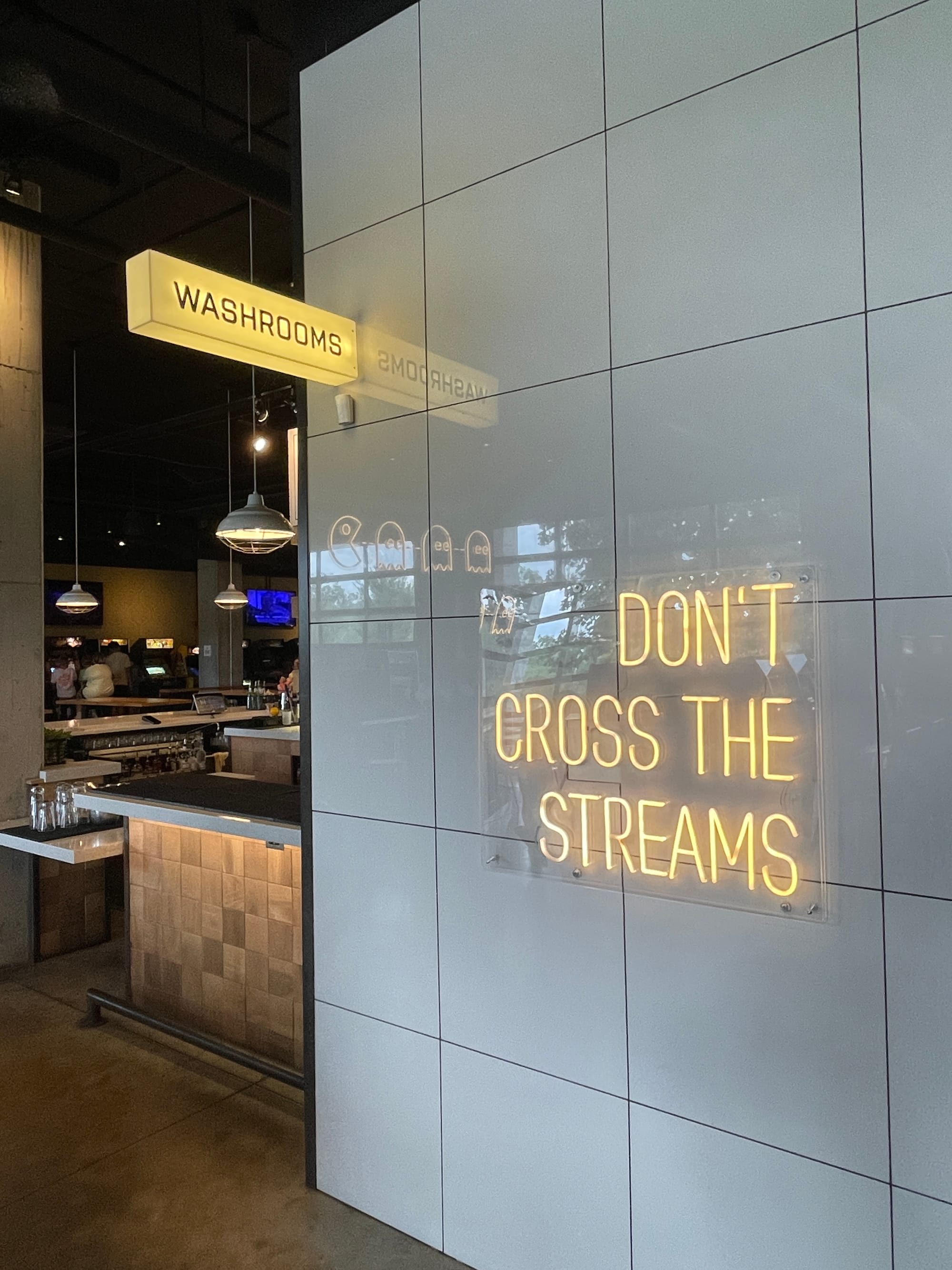

The first is obvious and just one of many examples located within the large collection of memes adorning the walls at Pins Mechanical Co. While there were a couple more neon signs above the urinals too, I appreciated the Ghostbusters quote outside the men's room most.
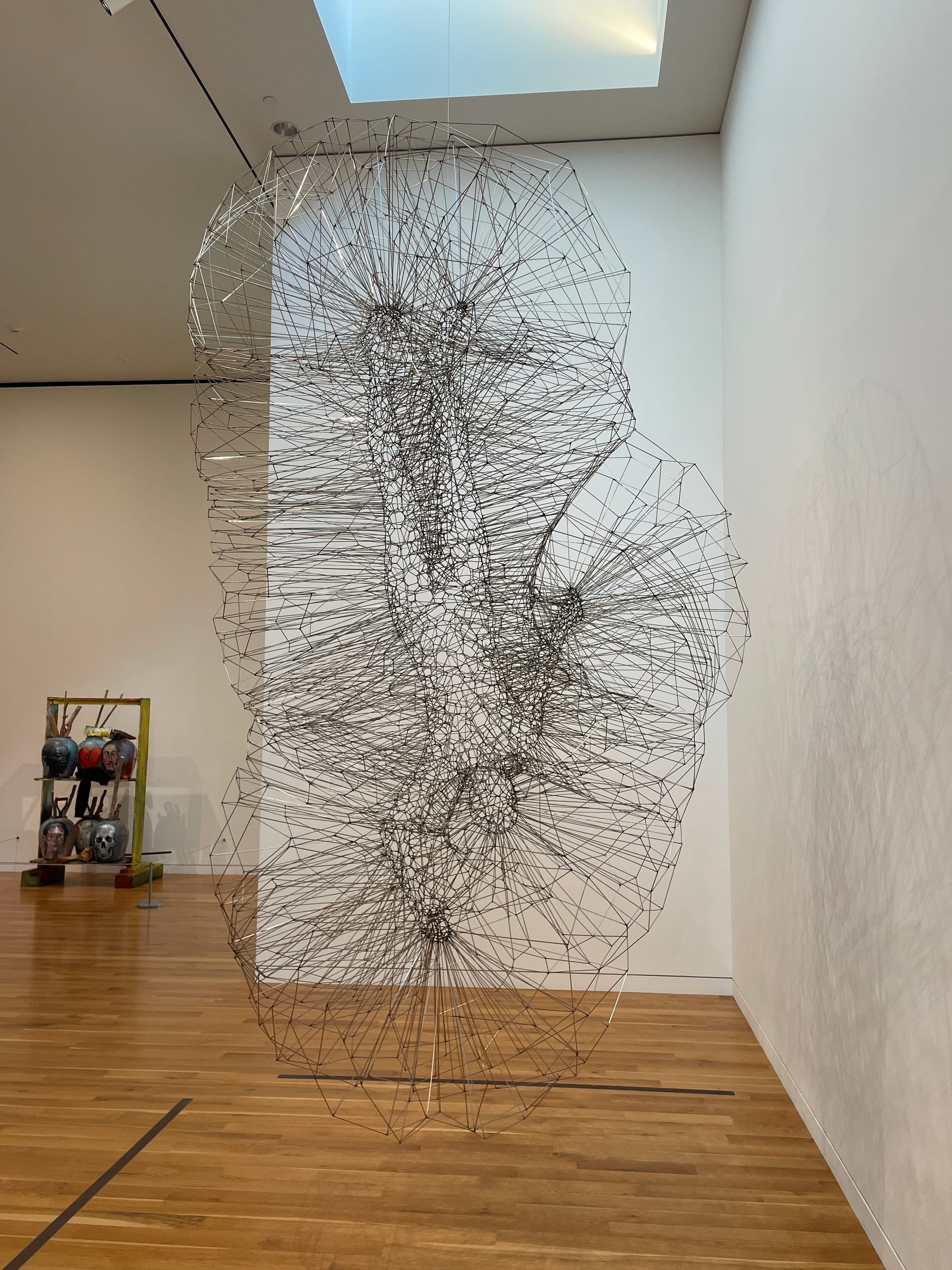
The second isn't a reference per se, but I couldn't stop thinking about Robert Longo's Men in the Cities series when looking at Antony Gormley's Freefall II from 2007 inside CMoA. Longo's (a co-founder of Hallwalls here in Buffalo and director of Johnny Mnemonic) series might be best remembered in pop culture via American Psycho since one of the entries hangs in Patrick Bateman's apartment. Flip it upside down and you'll see why Freefall II felt like a kindred spirit.
The third was a "landscape interpretation rendered in sculpted yews" of Georges Seurat's famed A Sunday Afternoon on the Island of La Grande Jatte at the Deaf School Park. What a crazy idea and undertaking to bring its Parisian scene to Ohio. You can, of course, see the painting in Gallery 240 at the Art Institute of Chicago just like Cameron did in Ferris Bueller's Day Off.

The Birthday Party
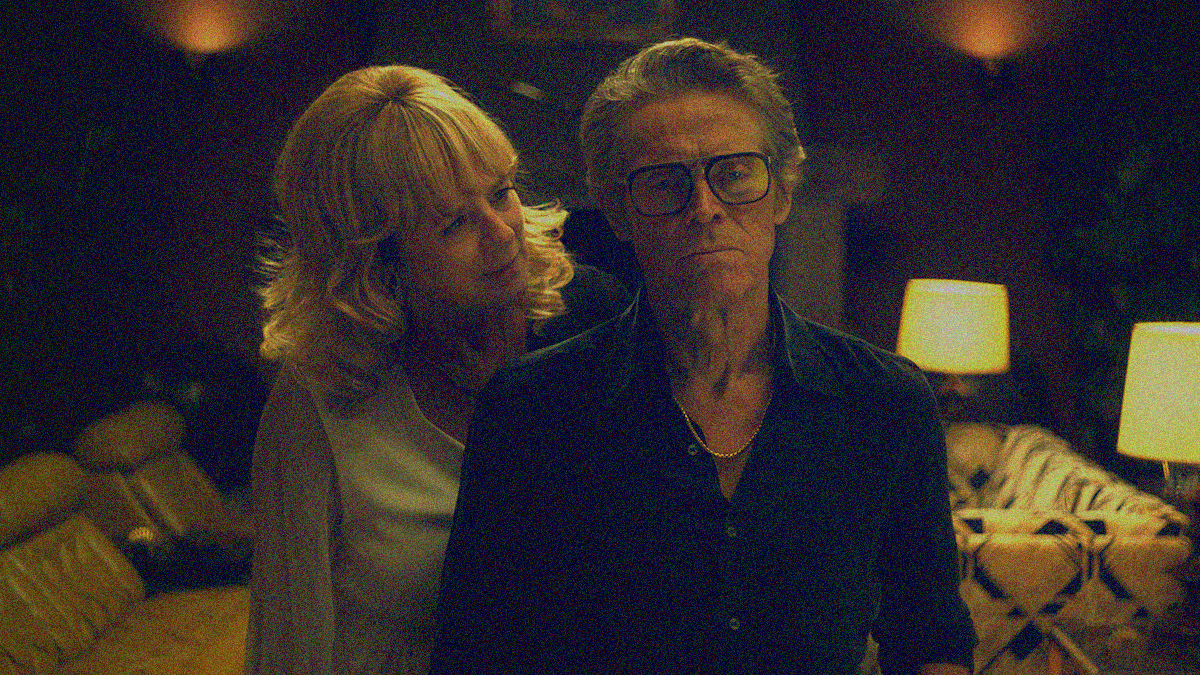
Marcos Timoleon (Willem Dafoe) tells the young Brit who's written a manuscript about his life that he hasn't had time to read it yet because they've already made a movie about him. Ian Forster (Joe Cole) jokes that he must be talking about The Godfather and filmmaker Miguel Ángel Jiménez does the same by eventually mirroring that movie's unforgettable final shot later in his own The Birthday Party. It's just the day of Marcos' daughter's birthday, not her wedding.
Adapted by Jiménez, Giorgos Karnavas, and Nikos Panayotopoulos from Panos Karnezis' novel, the narrative itself almost takes a backseat to the aura of the moment. It's the late 1970s on a private Mediterranean island owned by an American expat whose (ex-)wife (Emma Suárez's Olivia) admits how his generosity always scared her more than his temper. Because it's one thing to know Marcos is mad, but another to wonder how much beneath that smile.
We constantly find ourselves looking through the viewfinder of a camera as it takes black and white snapshots of moments no one on the guest list will want to come out to the public—actors, fascists, and capitalists alike. We also hear dialogue repeated with added noise before a reel-to-reel system clicks off either at the behest of a spy or Marcos himself—just in case he needs blackmail evidence. When power is wielded with an iron fist, paranoia abounds.
This is a fact that also follows families who believe they are closer than they are. Families led by domineering men who make decisions for their own satisfaction and tell themselves they're making them out of love. Because Marcos admits he's about to do something that will demand forgiveness from his daughter (Vic Carmen Sonne's Sofia), but that she'll gladly give it once she realizes the gift it proves. And who would ever dare tell him he's wrong?
The truth of the matter is that many would. His best friend Patrick (Christos Stergioglou) would, so Marcos makes sure not to tell him. Olivia would, so he makes sure to promise he'll sign whatever divorce agreement her lawyer gives him before laying out his plan. Sofia would too, if only he'd listen to what she has to say. That's the thing about power. It's less about people fearing you too much to speak the truth than you refusing to ever admit you're wrong.
So, we watch the Timoleon clan and those held within their orbit move about the party with a mixture of entitlement and sycophancy. We wonder if we're going to see just how violent Marcos can get or if those he's planning to pay off will merely roll over and let him. Olivia tries to mediate. Marcos' lieutenant Kostas (Antonis Tsiotsiopoulos) tries to steer people in the right direction. But it really all comes down to father and daughter.
Because despite Marcos explaining away his heinous desires as proof that he would never abandon his children like his father before him—he already has. The day his son died was the day he shut Sofia out. Partially from grief, but mostly from a misogynistic mindset that said she was always supposed to be an object of admiration rather than his successor. So, what right does he have to do what he's trying to do? Legacy? No. It's about control.
The other actors are all great playing their roles within the confines of this island prison and add to the moody atmosphere and, when unleashed, the unbridled jubilance afforded by the locale. Gris Jordana's cinematography is gorgeous, the production design and costuming are superb, and Jiménez's direction is always playing with the threat of darkness and tragedy ... even if the pain endured ultimately proves more emotional than physical.
Dafoe toes that line to perfection. The outbursts, stoic rage, quiet pain, and, yes, singing. He's kinder than he lets on, but ruthless to a fault despite it. He'd kill Sofia to get his way, but would also mourn her with genuine tears. So, you need his daughter to be just as formidable for it all to work, and Sonne is up to the task. She's playing everyone just like he does, but better because they don't suspect it. The question, though, is whether she's also playing him.
The Birthday Party might not deliver anything new, but it's a very effective drama that earns its place beside its predecessors. I can see people dismissing it as style over substance, but there's a lot of the latter too if you let its intricacies wash over you. Its complexity simply exists in its characters rather than its plot. The performances reveal the duplicity, opportunism, and cowardice on display. And the disappointment exposes their last remnants of love.
7/10
Bruton
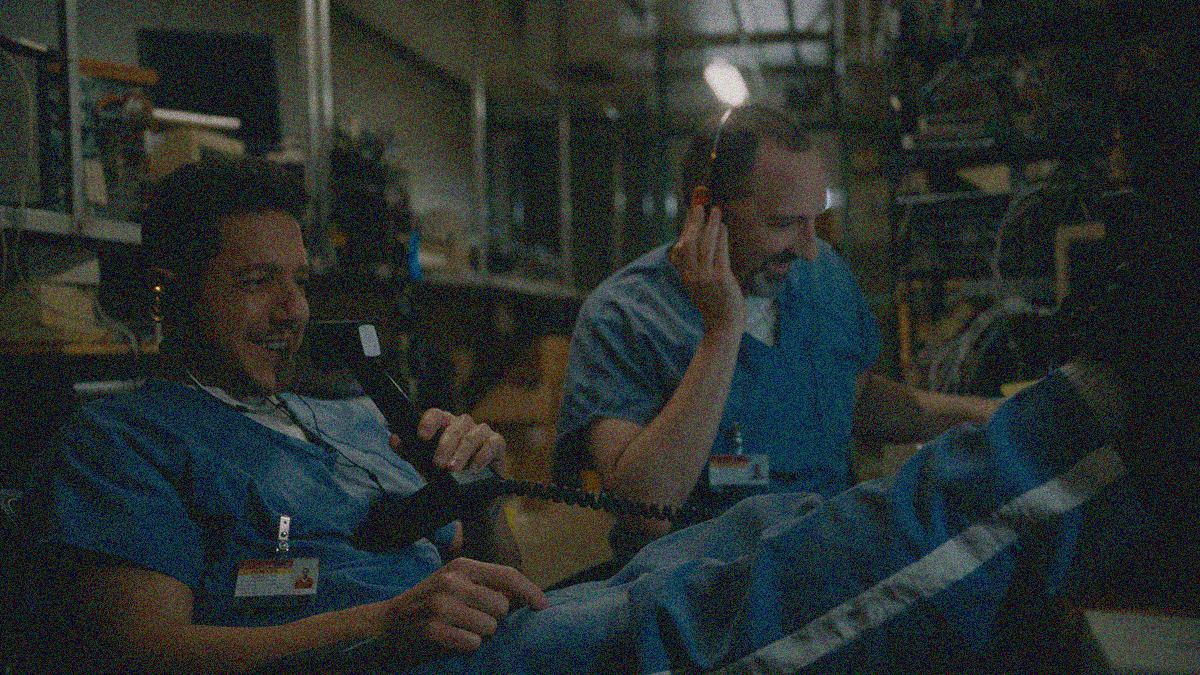
Bryan Bruton (Theo Rossi) doesn't mince words. He knows he's a criminal. He knows getting locked up is only a matter of time. It's why he's finally decided to go legit ... and why he can't help getting mixed up with bad news. So, you can call it ironic that the reason he does get arrested has nothing to do with his drug dealing (at least not directly) or you can call it karmic that he ended up paying for his past regardless. I'm just glad he can tell a good story.
It's why writer/director Vincent Grashaw signed onto the project after initial reservations about delivering yet another entry into the "harsh reality behind bars" genre. He watched Bruton's YouTube videos from 2018 and discovered the entertainment potential of bringing his story to cinemas. Part of it is the subject's own insane trajectory putting his hustle to work on the inside. Part of it is just how crazy life in the Florida penal system was during the Aughts.
Bruton starts with voiceover narration as Bryan sets the stage for what's to come. His love for his wife (Aya Cash's Sienna) and daughter (Alexandria Arnold's Crystal). His popularity due to always footing the bill no matter the cost for those he loves. His inability to keep driving when he discovers the woman he's ogling is Elana Porter (Dana Namerode) ... let alone upon discovering he's ogling anyone who isn't Sienna. His penchant for wielding violence as a negotiating tactic.
Grashaw and Rossi play it perfectly with the former utilizing a VHS tracking effect and the latter always being quick to deliver a self-deprecating laugh. I'm not saying the film leans into the "Florida Man" mystique of random headline-grabbing events you can't believe happened, but it's tough to not see Bryan Bruton and his cohort as prime examples of the trope. Call it stupidity or hubris, it's not enough that he allows himself to get played. He also puts his family in the line of fire.
Cue the power play to reassert his dominance over those trying to ruin his life and the tragically unforeseen aftermath of bringing a construction vehicle onto a street populated by numbskulls with zero regard for self-preservation. Cue the logical decision to take a plea and avoid going to trial for murder in the first degree (a charge that probably never should have been made) within a court that gives him ten years anyway. That's a lot of time for a mover and shaker to operate.
I love the crash course on Floridian prison gang culture and how race is no match for zip code—what's more Florida than that? Bruton is a charismatic guy who spent six months inside when he was younger, so he knows the rules and how to carry himself to assimilate pain-free. He sees Duncan's (Aaron Quick Nelson) special forces vet, Jamal's (Kelvin Hodge) fixer, and Kai's (Tony Hale) AV specialist as a sum whose value far outweighs its parts. So, the new hustle begins.
Without getting too far into the weeds since this journey is worth experiencing cold for those who haven't already heard Bruton's story, I'll just say that the stars aligned when it comes to technological advancements with the internet and global communication. What these guys do despite limited resources (and thanks to easily pliable yokels like Ronnie Gene Blevins working as guards) is ingenious. Sure, they overstep their invincibility, but it only adds to the drama.
You have Maura Willis (Tammy Blanchard) as their prime mark who gets caught on the hook with love in her heart. There's Bryan's brother-in-law Gary (Clayton LaDue) who fancies himself a gangster despite doing little besides borrowing real gangsters' money. And I can't remember the name of their mule, but he delivers one of the best WTF laughs of the entire film. It's non-stop fun and hijinks ... right until it's not. But even the heavy turmoil to come brings its share of levity.
Because despite everything Bruton and company are doing to entertain us with their half-thought-out schemes and selfishness, Crystal is still in the background. She's the little girl that Bryan labeled his entire world before he went inside and the high school graduate (played by Kayden Brenna Tokarski) who's been waiting to give her dad a hug again. A lot of the characters come and go once they serve their role to the plot, but she remains to refocus his purpose.
So, come for the dark comedy and stay for the redemption arc. Does he deserve to be redeemed? Well, that's in the eye of the beholder considering Bryan has no one to blame his bad luck on but himself. It helps that those he uses (symbiotically and parasitically) aren't any better than him because it means we never feel sorry for anyone but Crystal. She's the real victim and Grashaw does well to build his script around how that truth has the power to finally change Bruton's stripes.
We must pull for him despite his shenanigans and collateral damage. We must believe that he deserves a second chance to ensure none of it was in vain. And we also need the sly maneuver on Grashaw's part to tease that maybe some stripes just can't be changed. We remember everything snowballed simply because Bryan couldn't keep his eyes on the road. He tempted fate once and easily could again. Hopefully, his producer credit here proves the hustle found its sweet spot.
8/10
An Eye for an Eye
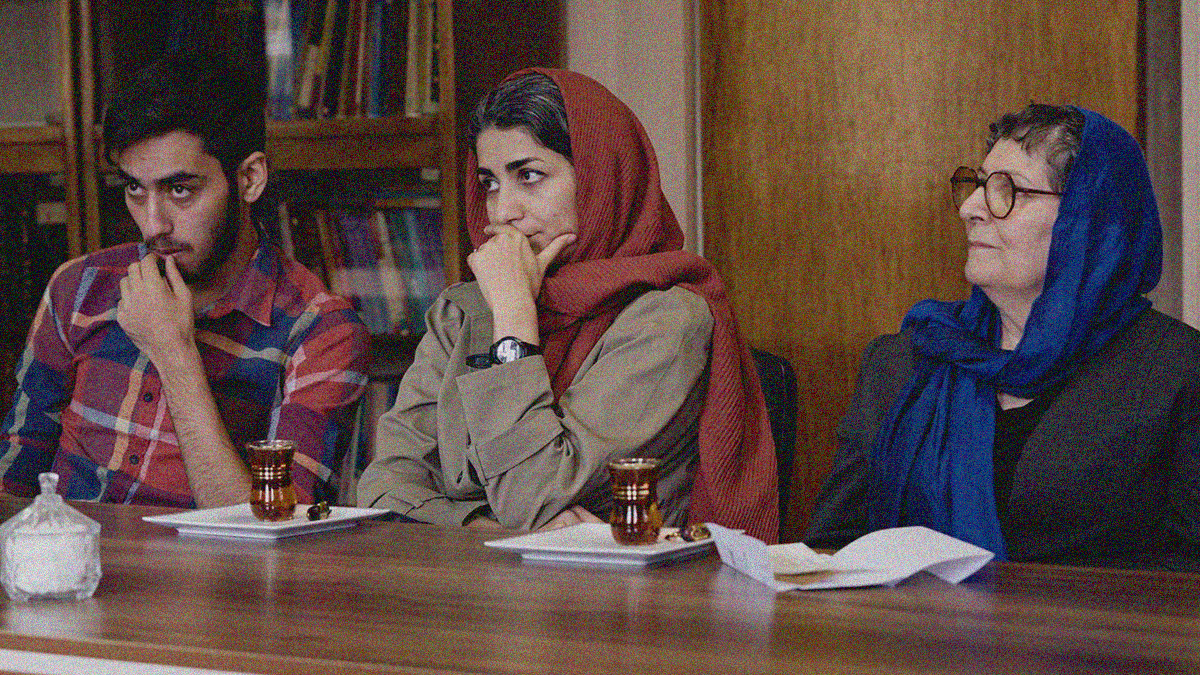
Tahereh never said she didn't do it. On the contrary, she readily admits she has no remorse. It took five months from the time she and her daughters murdered her husband Hossein to their apartment's subsequent inhabitant finding the body and Tahereh is quick to describe that period as "fifty years of joy." That's the effect Hossein had on his family's lives courtesy of his drug addiction and abusive nature. If they had it all to do again, they would.
I wonder what an American lawyer would say about this case. Not that I think directors Tanaz Eshaghian and Farzad Jafari should have brought in a talking head to contextualize a hypothetical. This investigation would have unfolded differently, the lies Tahereh's own lawyer infers were told wouldn't have been needed, and she would have been granted a divorce. If Iran's laws weren't written to ensure this was Tahereh's only recourse, Hossein might still be alive.
That's the real intrigue at the back of An Eye for an Eye. Strip away the emotion inherent to the reality that Tahereh's freedom—despite serving fourteen years in prison—remains in the hands of Hossein's family and the story on-screen becomes a dissection of a broken justice system born from religious intolerance rather than logic or morality. When a man is allowed to act with impunity while women are told to "deal" with the cost, what choice do they have?
Everything that occurs on-screen is therefore filtered through a lens of hypocrisy. Tahereh tried to stop her husband from using drugs. He refused. She tried to leave him and escape the abuse. Both he and the state refused. Her children (now grown) all declare through tear-streaked eyes that she saved them. An Imam tells them that the Quran explicitly states you cannot admit your life is better without your father because you owe your existence to him.
Black and white rules necessitate black and white action. Unfortunately, that also means those black and white actions necessitate more black and white responses. It's why the phrase used as the title is so often marked by a doom and gloom ethos. It's why we're supposed to read it as a warning for the never-ending darkness that consumes the world when it's followed without anyone having the courage to break the cycle. You killed my brother? Now I kill you.
It's a harrowing predicament for this family. Not only is there the decision on behalf of Hossein's brother Bashir (their mother wants retribution with every fiber of her being) to provide leniency—if not forgiveness—as Mohammad's lesson teaches, but there's also the opportunistic impulse to sell that leniency for a price. That's where things get muddied since Bashir feels the pressure of tainting his own soul. His son, Saeed, however, does not.
This is why my intrigue was never higher than when I could look at the situation through purely pragmatic eyes. Much like Tahereh's advocate, Ms. Jabarzadegan, we're asked to consider the difference between what's "right" and what's "law." The fact that Iran puts that differentiation into the hands of the victims rather than the court is insane since there's no chance for impartiality. If one side isn't selling their forgiveness, the other is trying to buy their life.
And it makes sense when Sharia Law is literally a transactional set of rules. Women have no autonomy because they are considered property. So, if their life was already forfeit at birth, why should anyone think twice about forfeiting it again as an adult? Throw out all the other details (Was there another man? Can a celebrity help fundraise the ransom?) and this whole ordeal becomes a game of guilt chicken. When does your shame outweigh your pride?
It's therefore also fascinating that both sides of the ordeal allowed cameras to capture everything since one would assume that exposure would tip the scales. Maybe it did for Bashir. Maybe he realized he didn't want the world to know he was willing to sell his own soul like Tahereh. But when the decision falls to Saeed, all bets are off. He's younger, stubborn, and beholden to his grandmother's rage. He wants those cameras to turn his ruthlessness into strength.
Everything about the case becomes an exploitative show from the police knowing something wasn't quite right with the confession to Saeed's desire to prove himself a "man" regardless of a life hanging in the balance. Eshaghian and Jafari are filming a delicate moment in this family's life, but they're also exposing the injustice of a patriarchal system hellbent on preserving a sense of superiority over women no matter what.
If Tahereh presumably choosing between the murderer or adulterer labels isn't enough to prove it, her selection surely is. And when all is said and done, the resulting contrition and thanks remain more about custom than honesty. It's impossible to ignore how this whole charade is an intentional tactic by the government to maintain control. It forces them all to constantly fear for their lives and reputations no matter which side of the wrongdoing they're on.
So, don't assume An Eye for an Eye is solely about exonerating Tahereh. The filmmakers are very intentional about hearing all sides of the case to present an objective look at why the result could truly go either way. It reveals the lies we tell others and ourselves for survival and sanity. And it exposes a culture of misogyny that would probably erase women from existence if not for needing them to continue giving birth to their own oppressors.
7/10
Union County
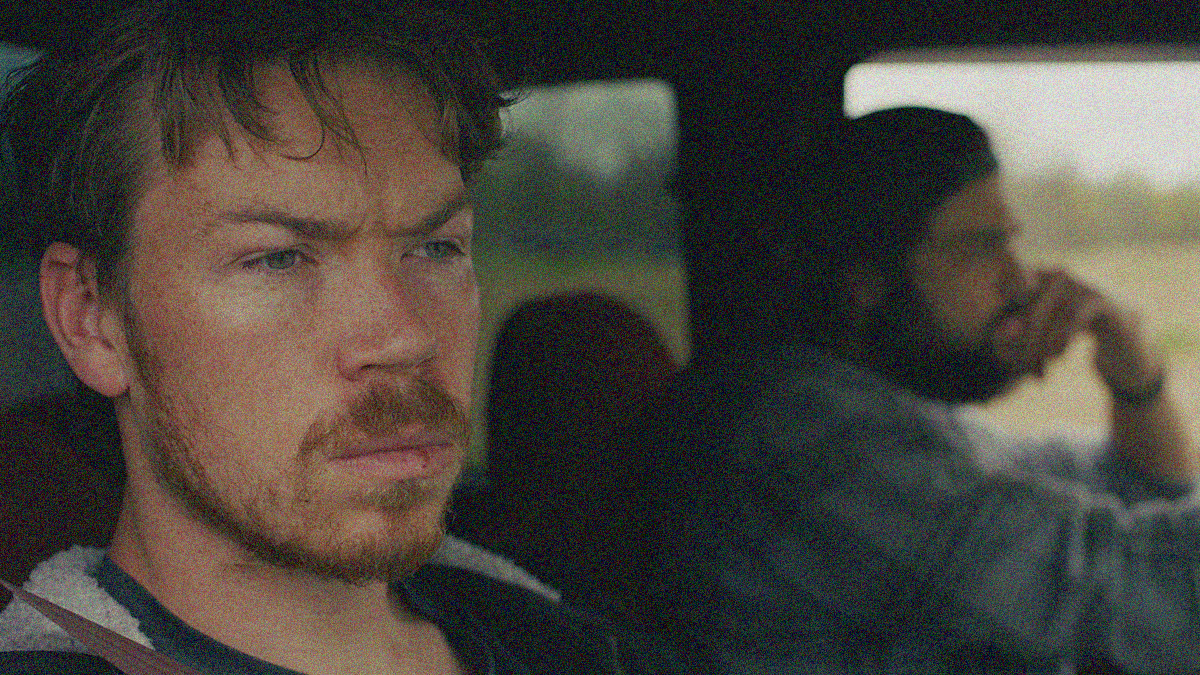
It's tough to know when the thing you think will help most ends up being the thing that prevents you from healing. Because the idea is sound. Putting Cody (Will Poulter) together with his brother Jack (Noah Centineo) in the same Adult Recovery Court is meant as a positive force of support. Two men who want to see the other get healthy striving towards the same goal. But there's more to their story. For Cody, the guilt and shame will always overpower the love.
Writer/director Adam Meeks does well to avoid this truth for the first third of Union County. Rather than hide it, he's merely biding time before it shows itself through their actions. The camaraderie of being reunited. Jack's penchant for sliding back into drug and alcohol use despite the program's rules. Cody's inability to say "No" as he decides to join in the self-destruction. One could say their bond starts and ends with heroin. They can't exist together without it.
So, when their actions force the court (led by Judge Kevin P. Braig and licensed chemical dependency counselor Annette Deao, both playing themselves) to pull them apart, you can begin to see through the anger and fear. Because there's a real sense that it's more than simply their separation that's eating at him. No, his understanding that the distance is crucial to his recovery is nothing compared to the realization that he's ostensibly stealing Jack's spot to achieve it.
The result is a poignant journey towards internal acceptance. By doing the work, we watch as Cody reevaluates the past to see it as others did. His corrupting influence. His betrayals. His blame. When Cody goes back to his sister's (Emily Meade's Katrina) home to apologize for everything he put their family through, it's less about needing her to hear it than it is him needing to say it. Her forgiveness won't excuse it, but his acceptance might move him forward.
And that's all someone in his position can hope to do. Find purpose in sticking with the program. Not waste the seemingly bottomless pool of empathy that Braig's court supplies participants within it. Go to the meetings and talk to better process the thoughts that hearing everyone else's shares and sharing yourself conjures. Take a purely objective look at why you did the drugs and what their effect proved outside the haze of the high.
The film becomes evidence of that potential. More than Cody's story, Union County is a movie about the possibilities of programs that truly seek to reform their participants by doing the work and walking the walk. That was what Meeks sought to deliver after embedding himself into this world and being granted access to put it on-screen in as authentic a form as fiction can allow. Because most of the other addicts shown are actually battling those demons.
Comparisons to Debra Granik's Leave No Trace are therefore obvious and apt. I don't think it's as successful of a whole as that one, but you can't deny the potency of its parts. Being so self-contained and needing certain elements to occur for the endgame to reach its apex of catharsis does make it feel like the script is stuck to its rails rather than capable of surprising you. While we want to experience each moment with Cody, we're constantly left on the outside waiting for the result.
Being kept at arm's length doesn't diminish the performances, though. Poulter is at his quiet best with a superficial posture of anger that can't help but make way for the sorrow he's so desperate to hide. Both Meade and Elise Kibler (as a recovering addict, friend, and mentor to Cody) provide equally complex roles that serve as examples for the tough decisions one must make when they're truly ready to stop putting others (including the drug) ahead of themselves.
There's something to how it all unfolds at a careful pace with few outbursts of emotion to ensure those rare instances hit hardest. It captures the feel of its central Ohio setting and the opioid crisis's ripple effect as more than a soundbite or statistic. Because it's not all doom and gloom even if not everyone can be saved. As Annette later explains, these tragedies are no one's fault. Your culpability is reliant on the drug. Remove it from the equation and anything is possible.
7/10

Opening Buffalo-area theaters 8/14/26 -
• Awarapan 2 at Regal Elmwood
• Batwara 1947 at Regal Elmwood
• The Brink of War at Dipson Amherst, Capitol; Scene One Market Arcade; Regal Elmwood, Transit, Galleria, Quaker
• Elijah Peel at Dipson Capitol; Regal Transit, Quaker
• The End of Oak Street at Dipson Flix, Capitol; Scene One Market Arcade; AMC Maple Ridge; Regal Elmwood, Transit, Galleria, Quaker
• KATSEYE: WILD HEARTS at Regal Transit, Galleria
• Magudam at Regal Elmwood
• Nimrods at Regal Elmwood, Transit, Galleria, Quaker
• PAW Patrol: The Dino Movie at Dipson Flix, Capitol; Scene One Market Arcade; AMC Maple Ridge; Regal Elmwood, Transit, Galleria, Quaker
• The Rivals of Amziah King at Regal Elmwood, Galleria, Quaker
• The Samurai and the Prisoner at North Park Theatre (select times)
"The beauty of The Samurai and the Prisoner is how many layers of deception there are. Even when you figure one out, it’s a red herring shrouding another in shadow." – Full thought at HHYS.
• Six: The Musical Live! at Regal Transit, Galleria, Quaker
• Train to Busan - 10th Anniversary Remastered & Revived at Regal Elmwood, Transit
My thoughts from 2016 at jaredmobarak.com.
• Wild Inside at North Park Theatre (select times)
"You can therefore watch Wild Inside as a document of this once-in-a-lifetime moment as well as a dissection of the human condition where it comes to the belief that we know best." – Full thoughts at HHYS.
• The Wrong Girls at Regal Elmwood, Transit, Galleria, Quaker
• Vishwanath and Sons at Regal Elmwood
• Your Name. 10th Anniversary at at North Park Theatre (select times); Regal Elmwood, Transit, Galleria, Quaker
My thoughts from 2017 at jaredmobarak.com.
Streaming from 8/14/26 -
• Busboys (Hulu) – 8/14
• Don’t Say Good Luck (Netflix) – 8/14
• Girls Like Girls (Peacock) – 8/14
• Hellcat (Shudder) – 8/14
"Nothing that unfolds is necessarily surprising in its authentic cause and effect, but the final thirty minutes are definitely unexpected." – Full thoughts at The Film Stage.
• My Best Friend, His Girlfriend and Me (Netflix) – 8/14
• Normal (HBO Max) – 8/14
"While Normal doesn’t deliver anything you haven’t seen before rife with convenience, it’s still a memorable ride for those who have already been lapping up Kolstad’s antics." – Full thoughts at The Film Stage.
• To the Max (Netflix) – 8/14
• Deep Water (MGM+) – 8/16
• Freefall: A Reckoning for Boeing (Netflix) – 8/19
• Here the Whole Time (Netflix) – 8/19
• We Are Pat (Peacock) – 8/20
Now on VOD/Digital HD -
• Gail Daughtry and the Celebrity Sex Pass (8/11)
• The Invite (8/11)
• Ip Man: Kung Fu Legend (8/11)
• Jackass: Best and Last (8/11)
• Minions & Monsters (8/11)
• Night Nurse (8/11)
"It’s not going to be for everyone since it enjoys playing with its viewers’ patience and comprehension, but that’s also the part of this ride that will definitely appeal to the rest." – Full thoughts at HHYS.
• Panda Plan: The Magical Tribe (8/11)
• Young Washington (8/11)
• Horsegirls (8/12)
• All Night Wrong (8/14)
• The Birthday Party (8/14)
Thoughts are above.
• Do Us Part (8/14)
• Promised Sky (8/14)

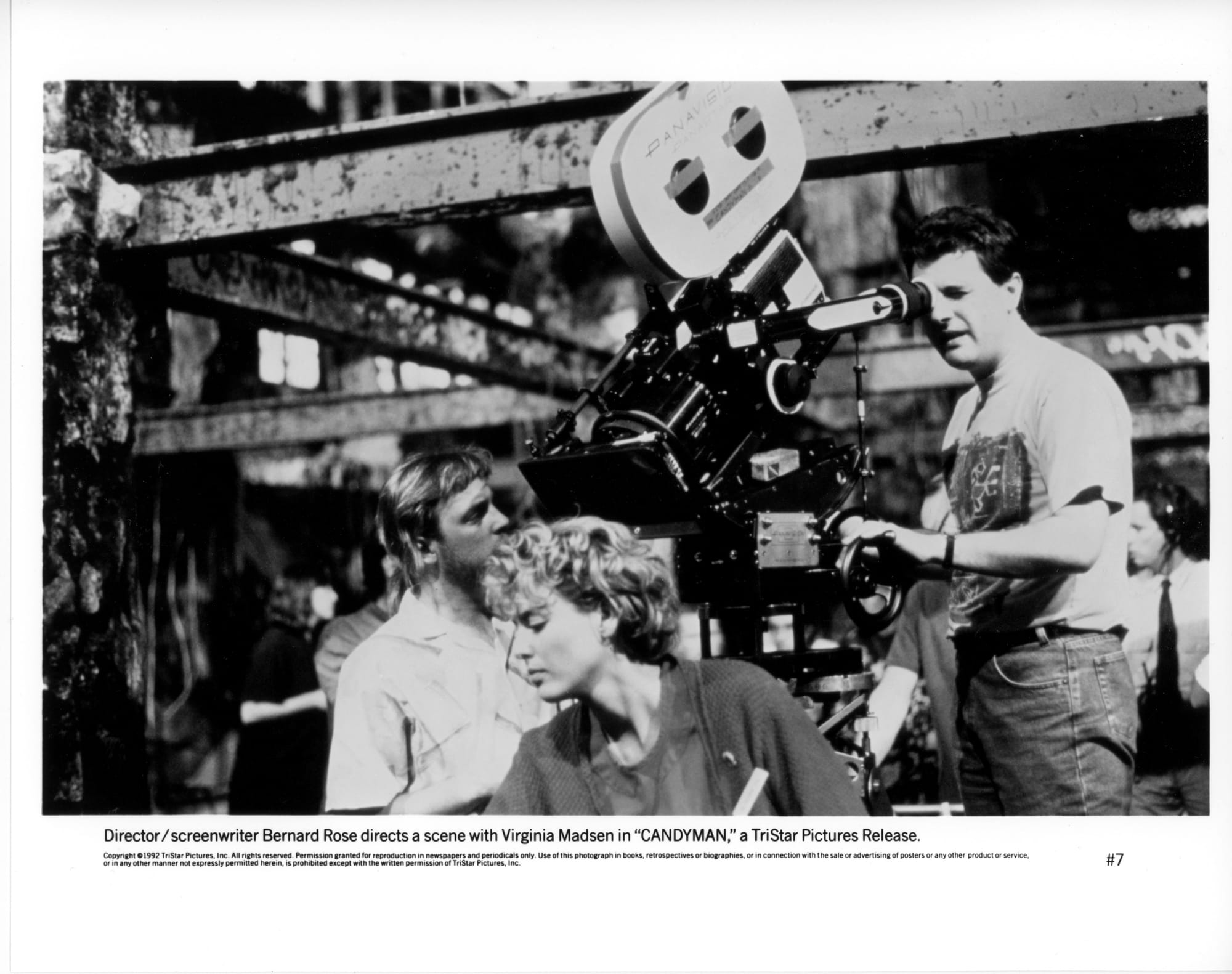
Pieces from the Candyman (1992) press kit.